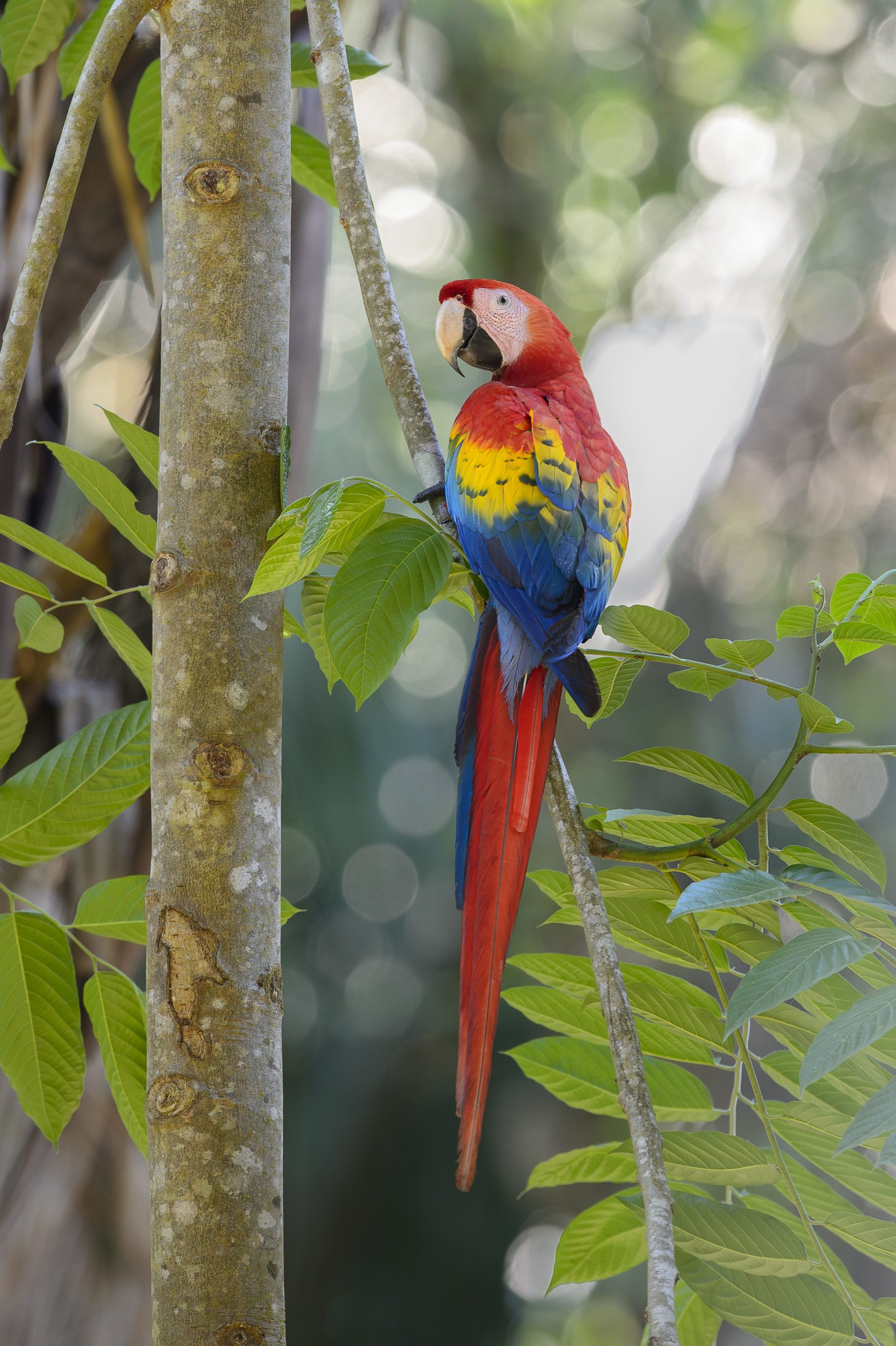
2016—Portrait Of A Macaw

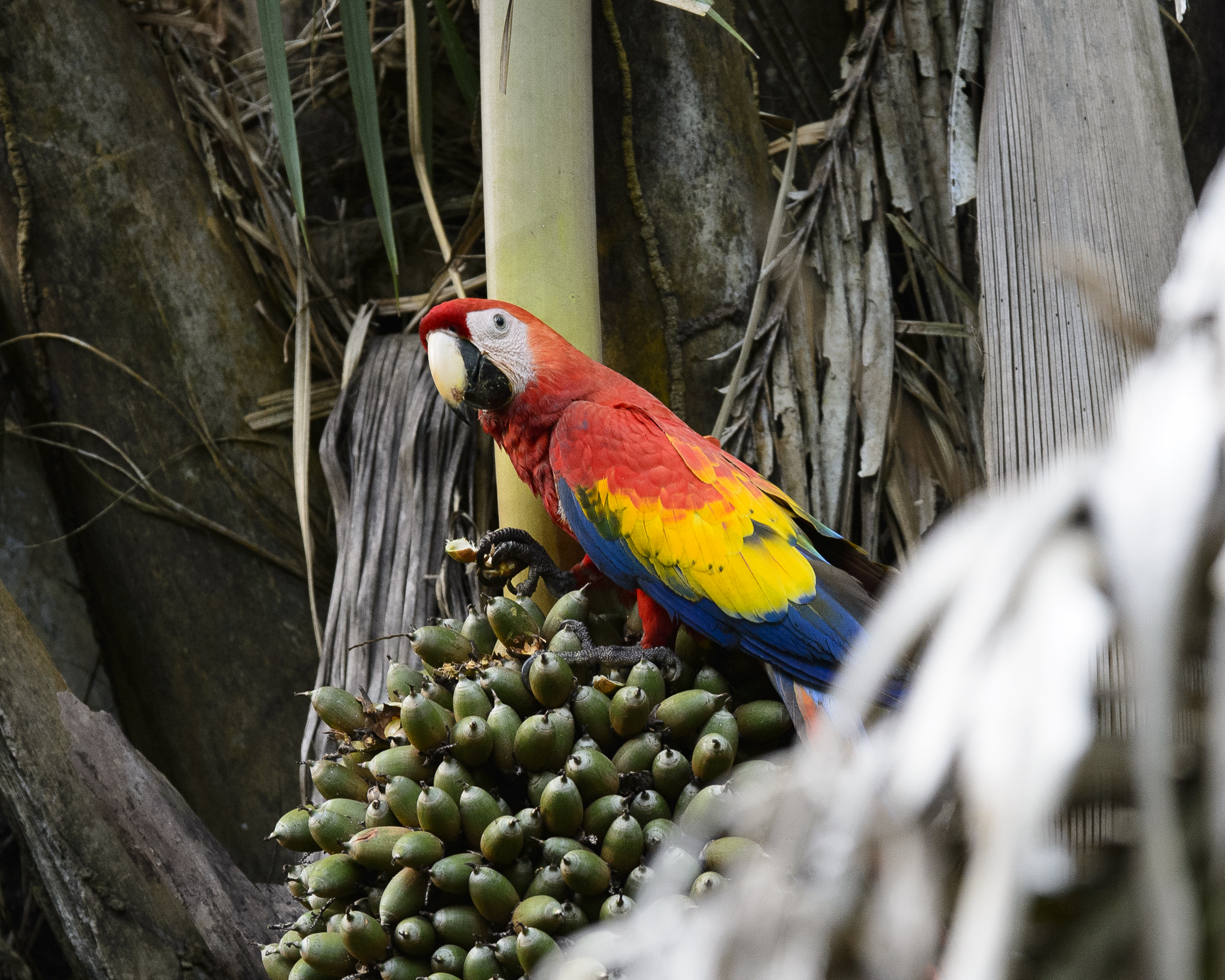
The skin surrounding a macaw’s eyes and beak is devoid of feathers and it is normally white but when a macaw is stressed or excited, that skin turns pink.   I don’t know if this scarlet macaw was stressed or excited.  I had been photographing macaws eating royal palm nuts along Shady Lane and none of the birds that I saw had pink skin except this one.  I hope it wasn’t stress but it may have been as the bird is looking back at me inquisitively (oops, I guess that’s an anthropomorphic term).   This is from the last series of shots I took on our last visit to Shady Lane. I thought it made a nice portrait, but it’s too bad that the area to the right of the bird is blown out.  I guess I didn’t notice the sun shining through there.
Costa Rica Day 5-4272.jpg

2016—Into The Mist

We hiked into Corcovado National Park on our fourth day on the Costa Rican Osa Peninsula.   The hike took us into the rain forest but the path was parallel to the ocean.  Although we couldn’t always see the water, we could hear the sounds of waves breaking on the shore mingled with monkey screeches and toucan calls.  Every mile or two, the path took us back to the ocean and we walked across the dark sandy beach until we reached the next trailhead into the rainforest.  The mists clung to the hillsides making the vista quite mysterious.  These hikers were heading back toward the park entrance.

Costa Rica Day 4-2300.jpg


2016—Toucan

This year I photographed two species of toucan.  These colorful birds with their gigantic, unwieldy looking beaks, are fun to watch as they nimbly pluck a piece of fruit, then flip it into their gullets with a quick snap of their heads.

The chestnut-mandibled toucan is a little larger than the fiery-billed aracari.  These exotic creatures are iconic birds of Costa Rica.

Costa Rica Day 5-3502

Costa Rica Day 5-3507

Costa Rica Day 5-3290Costa Rica Day 5-3328Costa Rica Day 5-3327

2016—Royal Palm

The favorite food of the gorgeous scarlet macaws is royal palm nuts.  These nuts grow in huge clusters on the palms and are extremely hard, well suited to the crushing powers of the macaw’s beak.

I took these shots on our first day on the Osa Peninsula, at Shady Lane.

Costa Rica Day 1-0296Costa Rica Day 1-0283

2016—Psychedelic Tree Frog

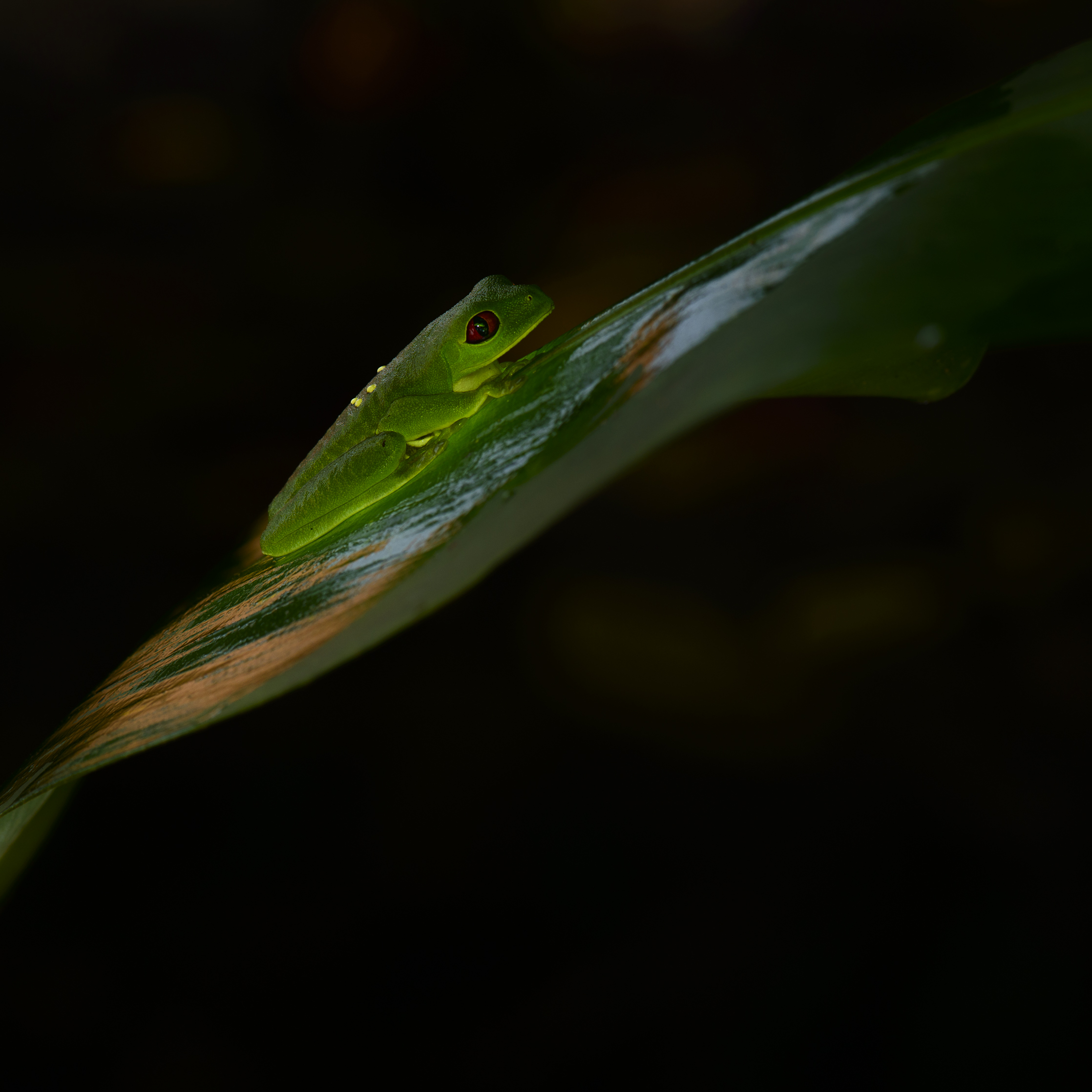
Both last year and this year, one of the highlights of my visit to Costa Rica was getting up close and personal to a red-eyed tree frog, the iconic symbol of Costa Rica.  This year, due to dry conditions, tree frogs were hard to find.   The term “dry” is relative — the humidity felt like 100% all the time even though it rained only a few drops during out visit.    On our last evening at Luna Lodge, we took a precarious hike in the pitch black darkness down the steep and narrow trails that led to the frog ponds, using headlamps and flashlights to pick our way around the protruding roots, stumps, and rocks that criss crossed the trail.  We saw several species of frog but not the red-eyed tree frog I love.  Finally, Gary, our wonderful guide, left the trail and disappeared in the dense growth above us.  When he reappeared a few moments later, he presented us with a red-eyed tree frog, placing the tiny creature onto a large leaf.  The little guy didn’t seem to mind the flashes or movement around him.  He changed positions a few times but made no attempt to hop away.  I took lots of shots of him and will feature those shots in later blog posts, but I loved the look of this particular shot which makes the entire scene appear psychedelic.  I’m not sure exactly why this happened but, when Gary shined a flashlight under the leaf on which the frog perched, this is what I got.  It may be partly due to a headlamp turned to the red light position (a couple of us used that setting)  but that doesn’t explain the blue cast.  The leaf itself is entirely green.

Costa Rica Day 6-0173

2016—Crested Caracara

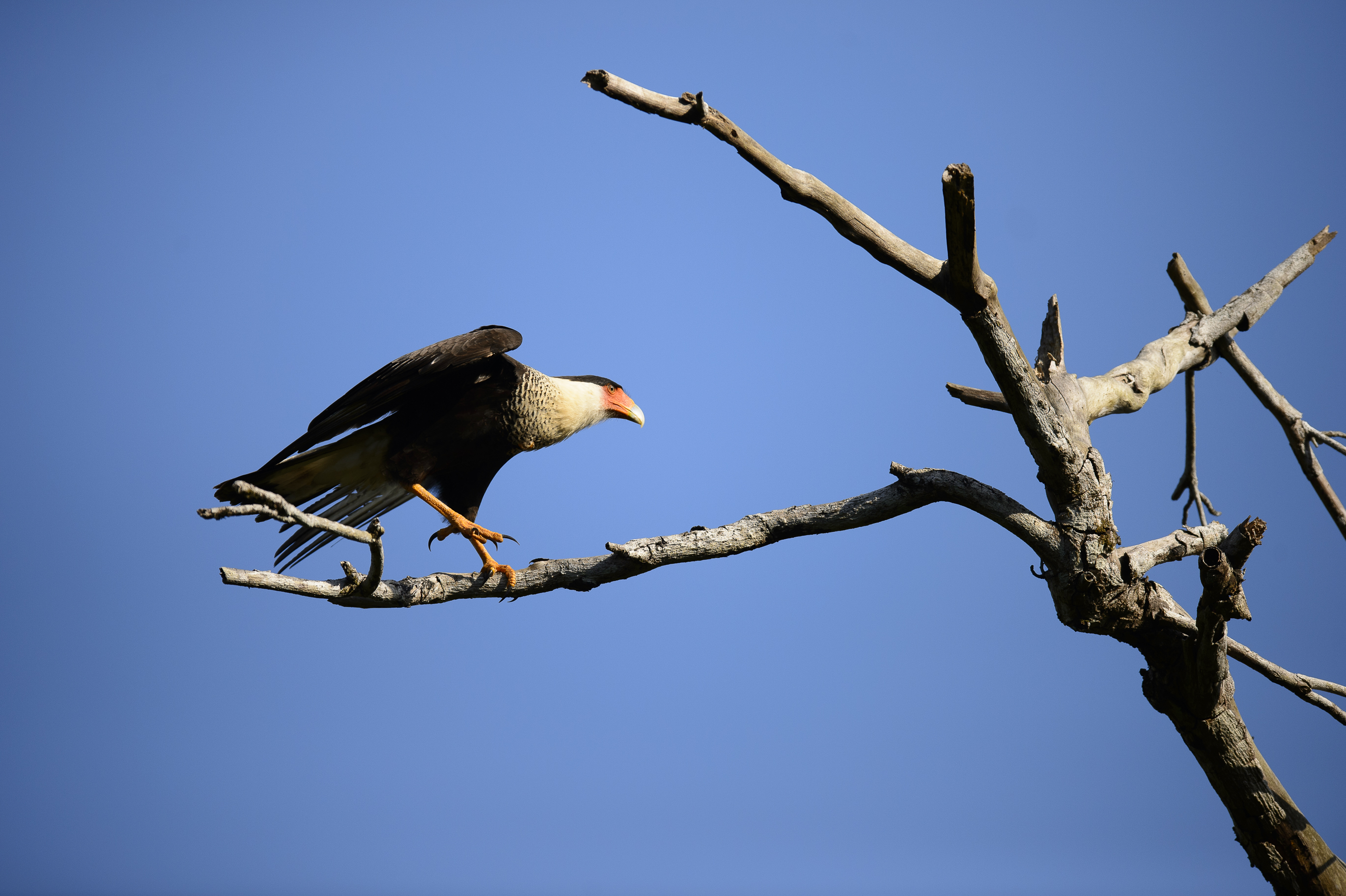
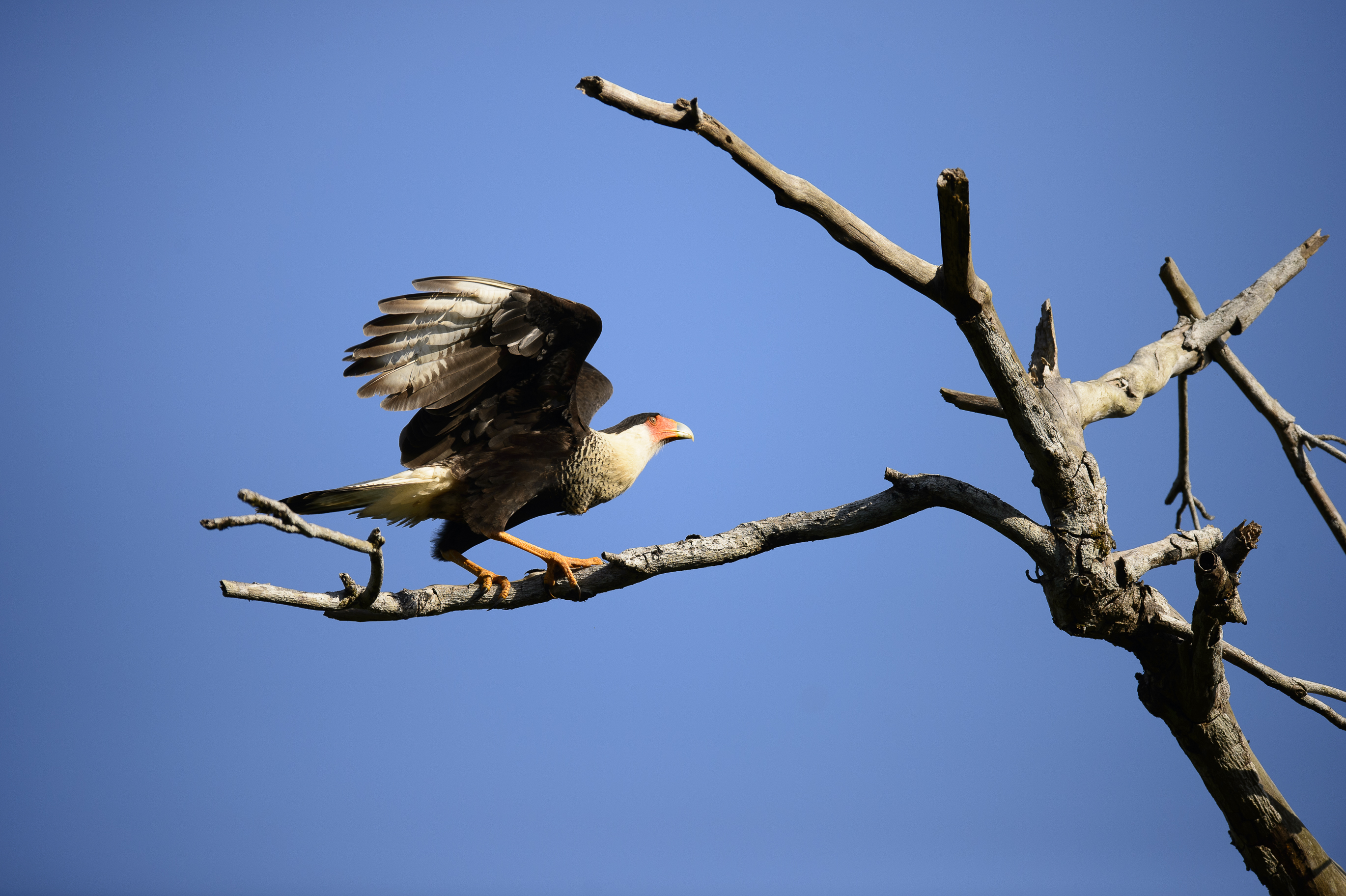
We saw quite a few Crested Caracaras during our week in Costa Rica.  I took these shots on our first afternoon after arriving at the Osa Peninsula.   This imposing raptor perched for a few seconds, then it stepped around and prepared for a take off.  I took these with the 600mm lens at f/4, ISO 400, 1/4000 shutter speed.

We visited an area called Shady Lane.  I wore capris on the flight from San Jose to Carate and didn’t change for our first outing in the afternoon.  That turned out to be a huge mistake.  No-see-ums saw me and I felt stings on my lower legs but was so intent on my photography that I ignored the feelings and failed to apply insect repellant.  After all, last year, I didn’t get a single insect bite in Costa Rica.  Too late, I realized that my lower legs were covered with tiny, excruciatingly itchy bites.  I looked (and still look) as if I had a severe case of measles. The itching subsides periodically, but it remains with me, ten days later because on two subsequent visits to Shady Lane, despite copious applications of Deet and despite wearing long pants and long sleeves, more no-see-ums found my lower legs and elbows.  But I must admit all the shots I got at Shady Lane are worth the discomfort…sort of.

Costa Rica Day 1-9769.jpgCosta Rica Day 1-9785Costa Rica Day 1-9787

2016—Leaf Cutter Ants

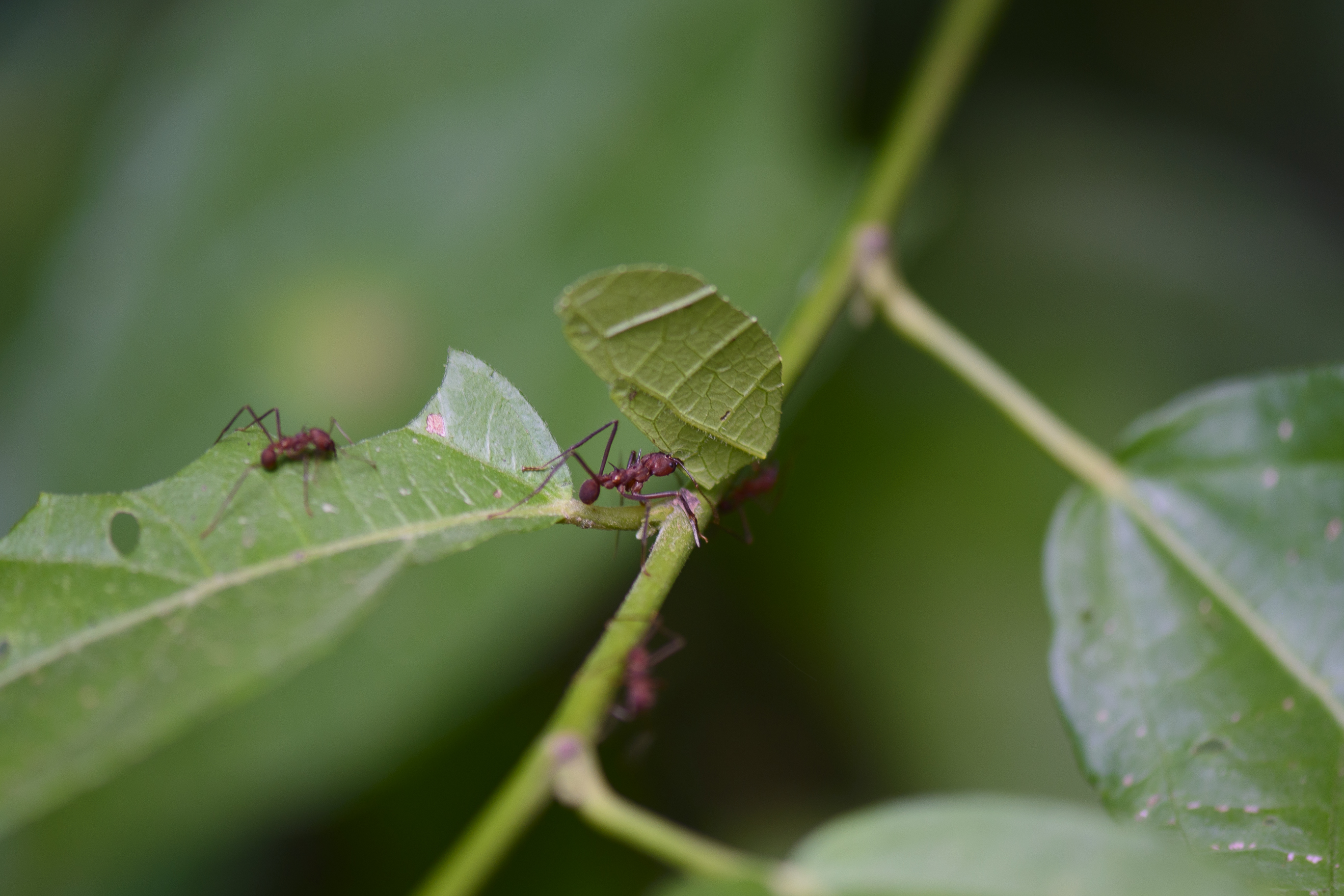
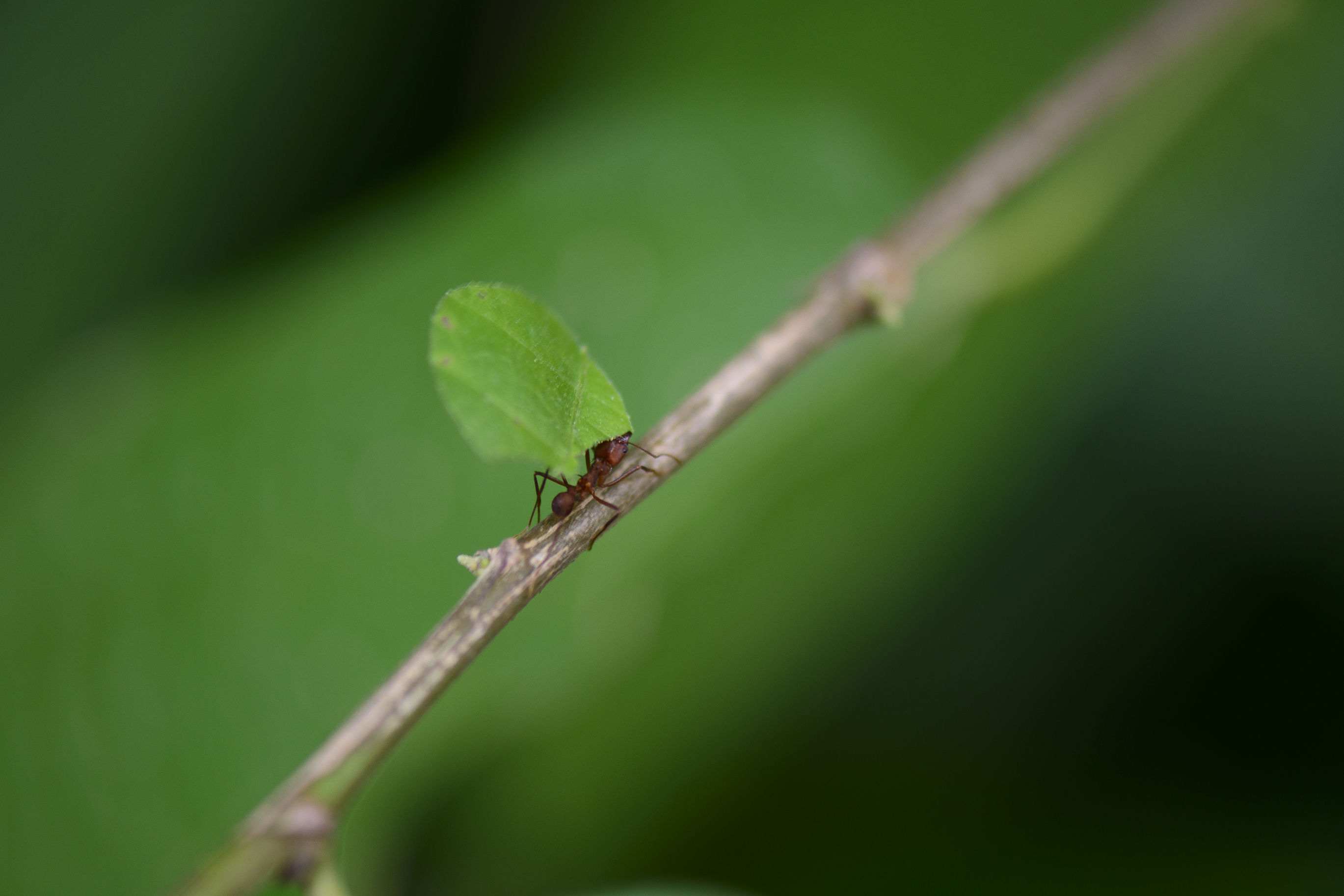
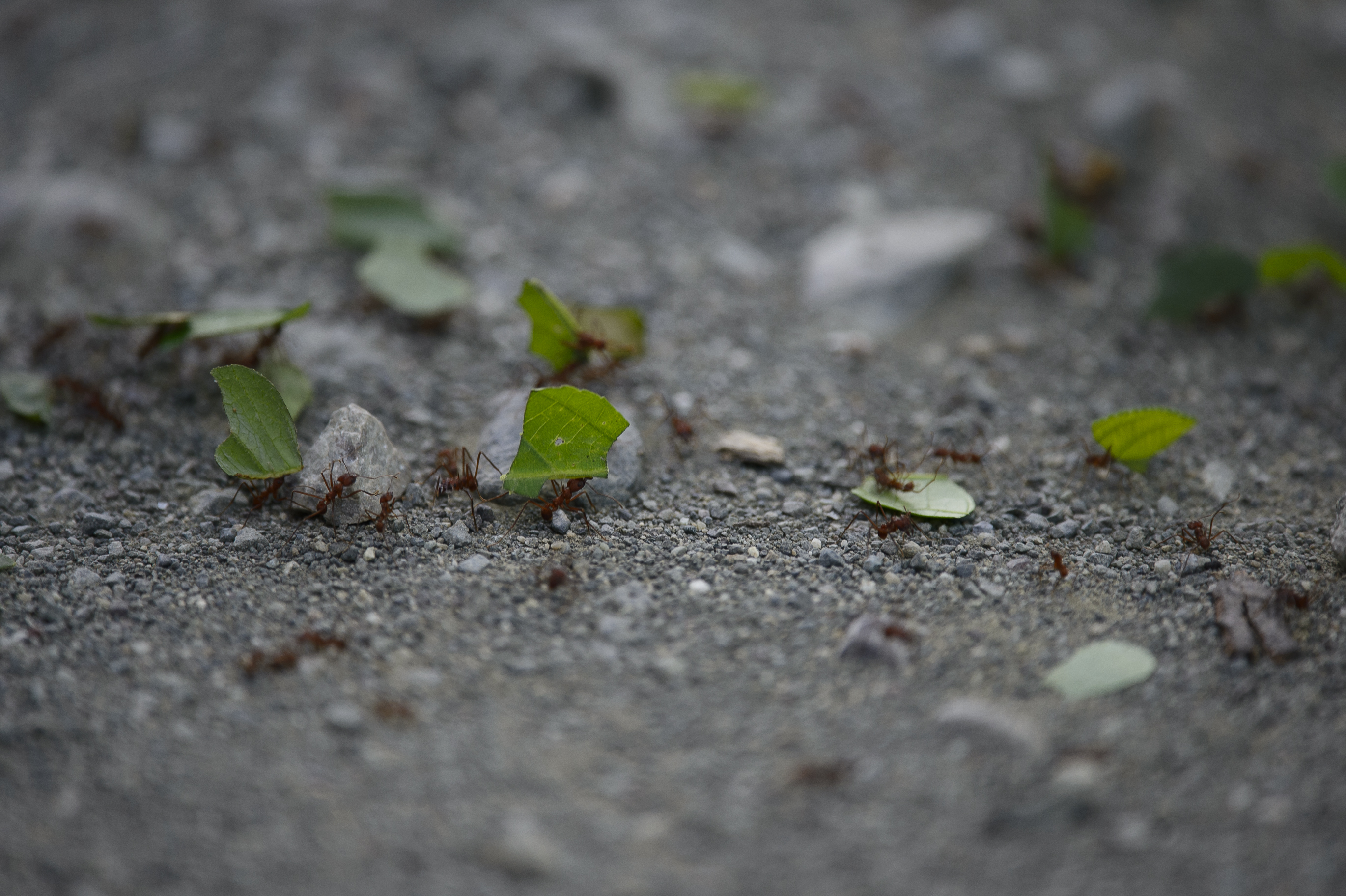
You’d think that after the ant invasion I had in my house from 2008 to 2011 I would have no tolerance for ants, but that memory seems to have faded somewhat. Faded because the ants I photographed were not in my home but crossing the road in Costa Rica on the Osa Peninsula.  These are leaf cutter ants.  They seem to carry their weight in leaf pieces.  The first two shots show one ant removing a severed piece of leaf and transporting it along the leaf stem.  Eventually, the ant and its cargo arrive at ground level and move the leaf pieces to wherever they’re moving it.   The last shots are an ant’s eye view (using my macro lens on the ground in the first of the series). It was difficult to see what I was doing that low to the ground so the shot isn’t in perfect focus but it gives an idea of the ants crossing the road with their cargo.

Costa Rica Day 1-8804

Costa Rica Day 1-8816Costa Rica Day 1-8763Costa Rica Day 1-9749Costa Rica Day 1-9744

2016—White-tipped Sicklebill

Costa Rica has about fifty species of hummingbirds and seventeen of them can be seen on the Osa Peninsula where I just spent six nights.    I caught fleeting glimpses of six different species of hummingbirds in and around Luna Lodge where I stayed,  but couldn’t photograph those birds in flight.  Luck was with me on Monday, though.  We had shouldered our tripods and long lenses to the lodge’s corrugated tin roof open air workshop at the top of a steep side road a few hundred yards from the lodge entrance, in search of the elusive blue crowned motmot.  The workshop’s cement slab is surrounded by lush, dripping rain forest foliage, including exotic heliconia, a favorite food of the white-tipped sicklebill.  Suddenly, this hummingbird with its extremely decurved bill (the term used by the Costa Rican bird book to describe a bird beak that curves downward) flitted into view and appeared to wrap itself around the pendulous red bracts, sinking its beak deep into tubular yellow flowers.  A brief burst of our shutters and it was gone.  I was thrilled to discover that one of the five shots I took actually captured this unusual and relatively rare bird as it hovered near the heliconia, showing its profile.  I was the only  one of our group lucky enough to capture the bird in this view.  Here are both the lucky shot and one showing the hummer wrapped around the bract, using its tail similar to the way  a woodpecker steadies itself.

Costa Rica Day 2-0547


Costa Rica Day 2-0548