2017—”Flocks” And “Flocks” Of Birds

On the first day of my Oregon Coast adventure, we drove south into California.  I wasn’t expecting to be back in my home state on this trip but Northern California’s rugged coastline is every bit as scenic as Oregon’s.  We were near the mouth of the Smith River.  Heavy rains hadn’t started yet.  We were using multiple exposure to blur the wave action.    I had my camera set to take ten shots in a sequence and combine those ten into one.  When we first started, my camera settings were not quite what I needed to blur the water.  My shutter speed was 1/1250, a very fast shutter speed instead of a much slower speed that was needed to accomplish our goal.  So, not only did my wave action not acquire the degree of blurriness that I was after, the fast shutter speed acquired sharp focus on the birds.  This actually was serendipitous because at slower speeds the birds would be blurred or ghostlike instead sharp as in this image.  When I first looked at this photograph on the camera’s LCD monitor, I exclaimed, “gee, I got a flock of birds,” then I realized that it was only a single bird, repeated ten times as it flew past my lens.   A closer examination of the image revealed 15 separate “flocks,” all flying in straight lines.  Of course each “flock” has exactly ten birds because every bird that flew by appeared ten times in the combined shot.   After this, I slowed my shutter speed enough to blur the wave action and to eliminate any birds flying through.


Flocks and Flocks.jpg

2017—Heading For The Light

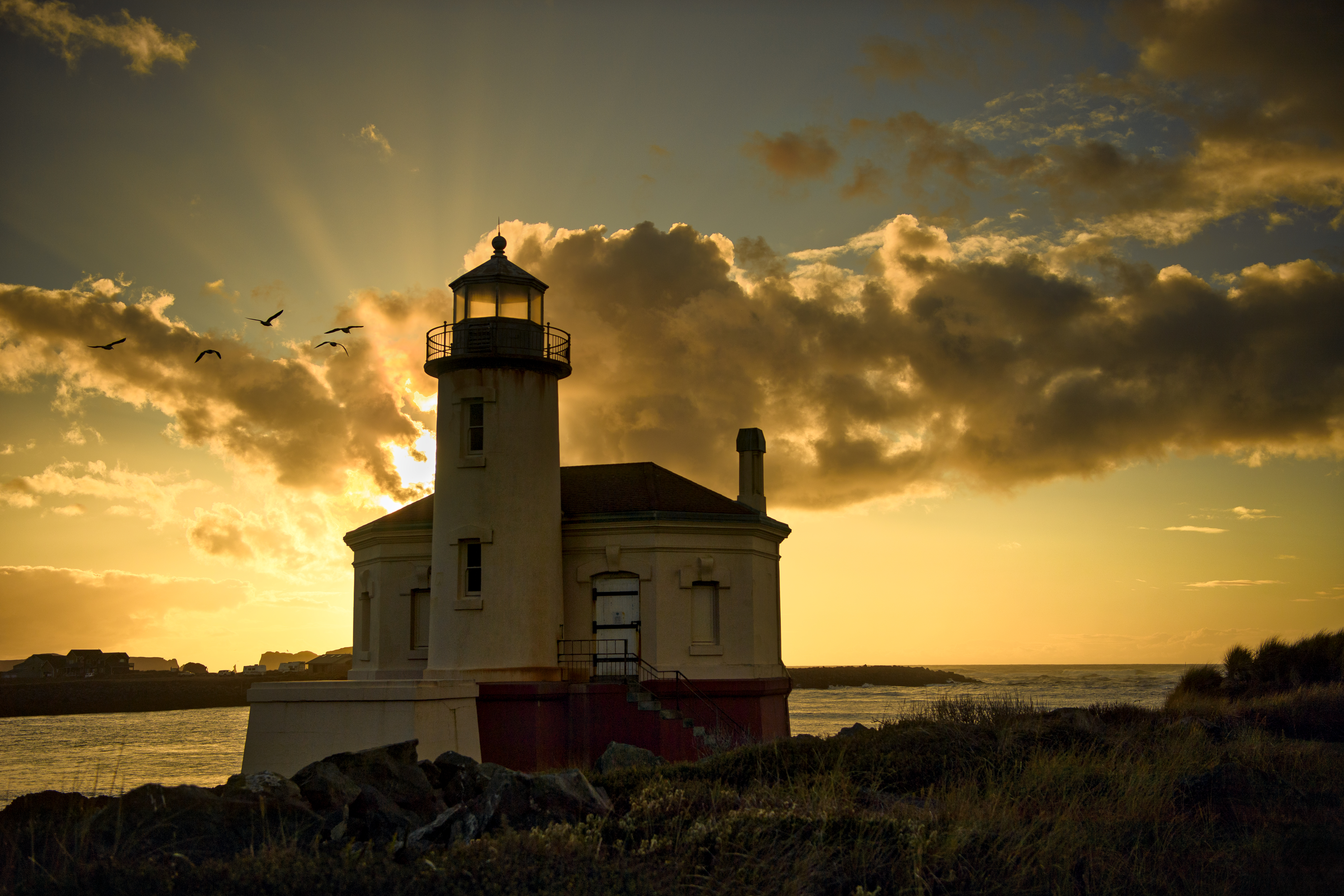
The Coquille River Lighthouse turned out to be one of my favorite subjects in Bandon, Oregon.  We viewed it from different angles.  We took up close photos with wide angle lenses and used telephoto lenses to capture images of it from across the river.   We created time lapse movies showing the movement of the clouds behind it and the change in light as the sun set.  And, despite the fact that the lighthouse was decommissioned almost 80 years ago, we even came home with images of its beacon lighting the way to safety for fishermen and sailors as dusk enveloped it…or was it something else? What do you think?

Lighthouse Beam-blog.jpg

2017—After The Storm

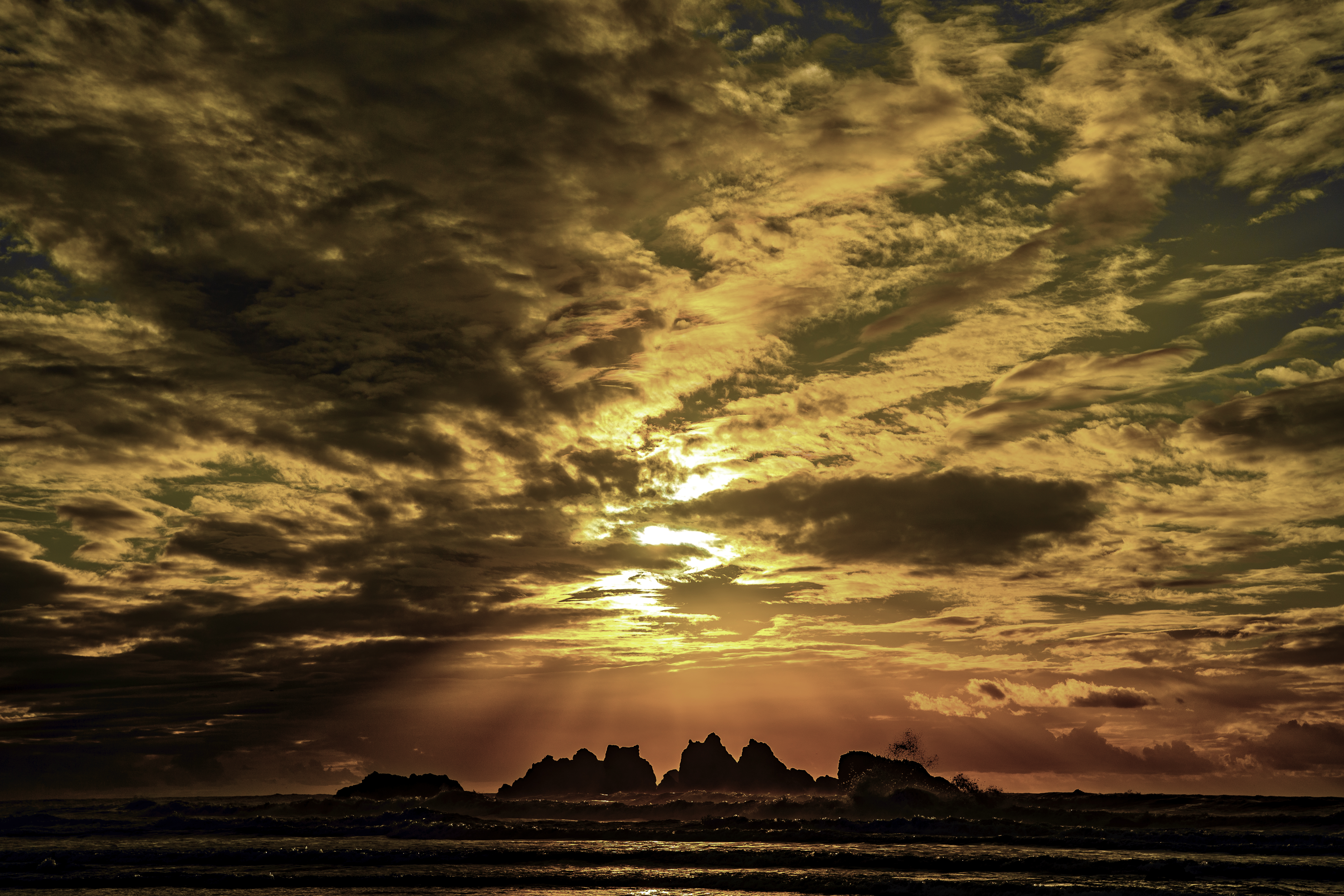
Oregon’s tempestuous weather was on display while we visited the gorgeous Oregon coast.  We had light rain, moderate rain, and heavy rain at various times during our stay. Both we and our camera gear were drenched more than once as we tried to photograph this most stunning aspect of Oregon’s topography.  On our last full day, we visited Bandon Beach, across the Coquille River and down the beach from the South Jetty in the early morning and in the late in the afternoon.  We monitored the morning squall on an iPhone radar app and timed our departure from the beach perfectly.  The torrents of rain hit just as we all entered the van to put away our cameras before heading off to breakfast.  Despite earlier predictions of rains lasting throughout Sunday, the late afternoon was rain free.  But the clouds were spectacular, providing us with these gorgeous skies.

Kronenberg County Park Bandon, OR.jpg


2017—Coquille River Lighthouse

Oregon’s coast is stunning.  Its rugged beauty captures the imagination and the photographic possibilities here are seemingly endless.  On Saturday, we visited one of Bandon, Oregon’s feature attractions, the Coquille River Lighthouse that was built in 1896 and decommissioned in 1939.  That year, the Coast Guard built an automated beacon with a foghorn at the end of the south jetty across from the lighthouse and the lighthouse was abandoned.  Now, the forlorn sound of a foghorn temporarily drowns the crashing of the waves at designated intervals and the automated beacon continues as an aid to navigation in the area.

The lighthouse will appear several times in photographs in my blog in the coming days but on Saturday, I learned how to create a time-lapse movie.  Unlike laborious time lapses that I have tried in the past, this feature allows me to take a number of photographs over a set period of time and the camera creates a time-lapse movie from those photographs, including adjusting the exposure as the light changes.  This brief video (21 seconds) was created over an hour and a half as the sun set and the clouds moved past the lighthouse.  A few birds fly in and out of the frame and there is a bit of wave action at the base of the lighthouse near the end of the video as more clouds move behind it.  Click the arrow to play.

2017—Homer Jr. Shows Off

Homer Jr. was out Saturday protecting his territory from all who ventured near.  When he finally rested, I trained the camera on him and he began to flap his wings for two or three seconds and actually reversed his position on his perch, facing away from me but it was a few more minutes before he took off to feed.  I noticed that his wings are filling out.  Previous photographs have shown wing feathers not fully grown out.  And, his gorget is beginning to increase in size and his head feathers have begun to turn color as well.  It won’t be long before I’ll be unable to distinguish him from Homer.

_CAS1151-1.jpg

2017—Fall Texture

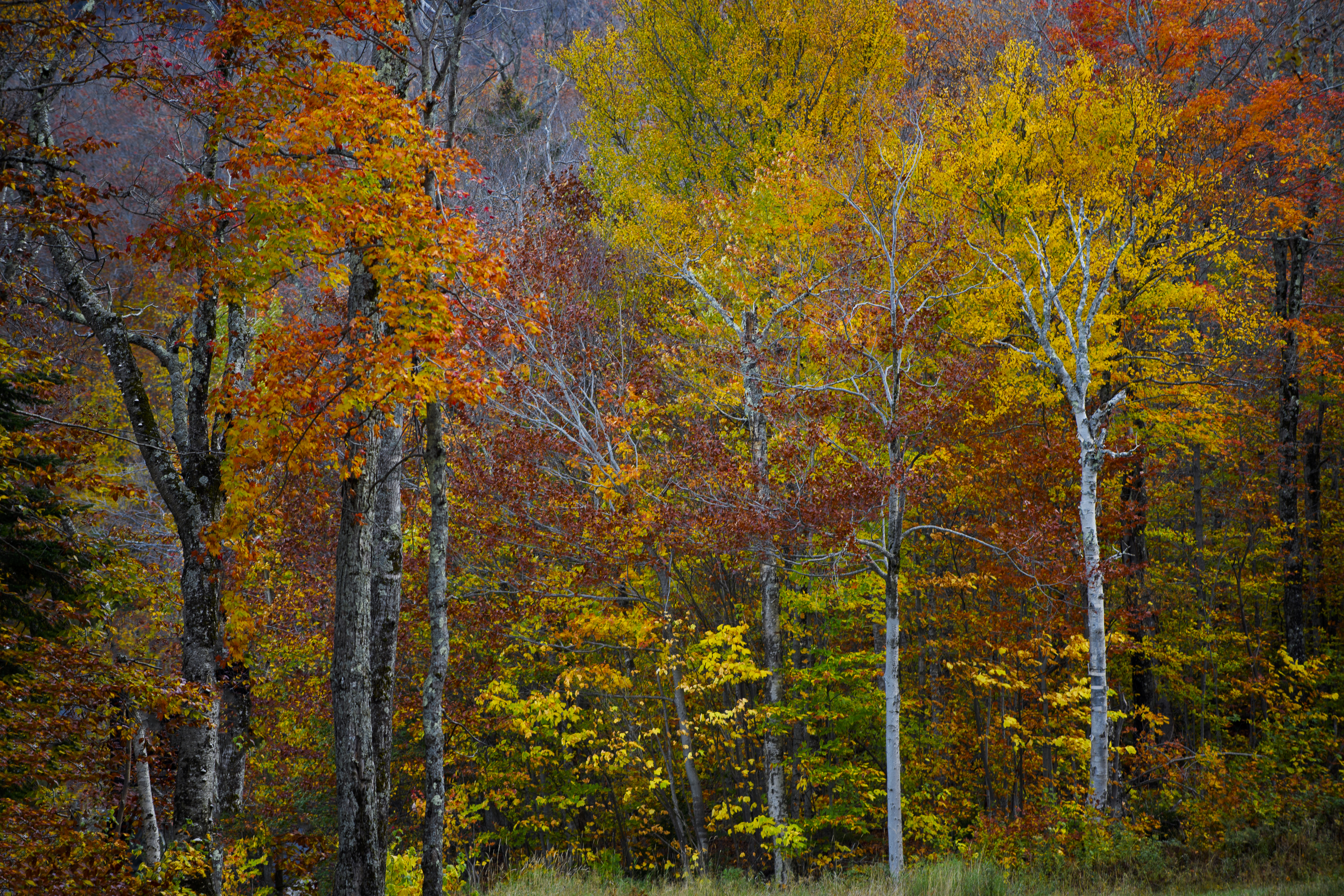
Photographs of fall landscapes are as much about texture as they are about color.  A close up of tree bark can express a feeling about a place as much as a wide angle shot can.  The woods near Killington were dense with trees.   The textures of the bark and the leaves tell the story of this small grove in autumn.

VT Day 5 171769-1.jpg