2017—Jesus Christ Superstar

In the rock-opera Jesus Christ Superstar, King Herod sings: “So, you are the Christ, you’re the great Jesus Christ. Prove to me that you’re no fool; walk across my swimming pool.”  I love those lyrics.  They are my favorite words from that opera.  These lyrics came to my mind one steamy afternoon in Puerta Jimenez, Costa Rica when I saw this Jesus Christ Lizard perched on a log by a river.  The lizard is so named because it can run across water great distances.  He didn’t do any walking on water while I watched him.  Too bad.
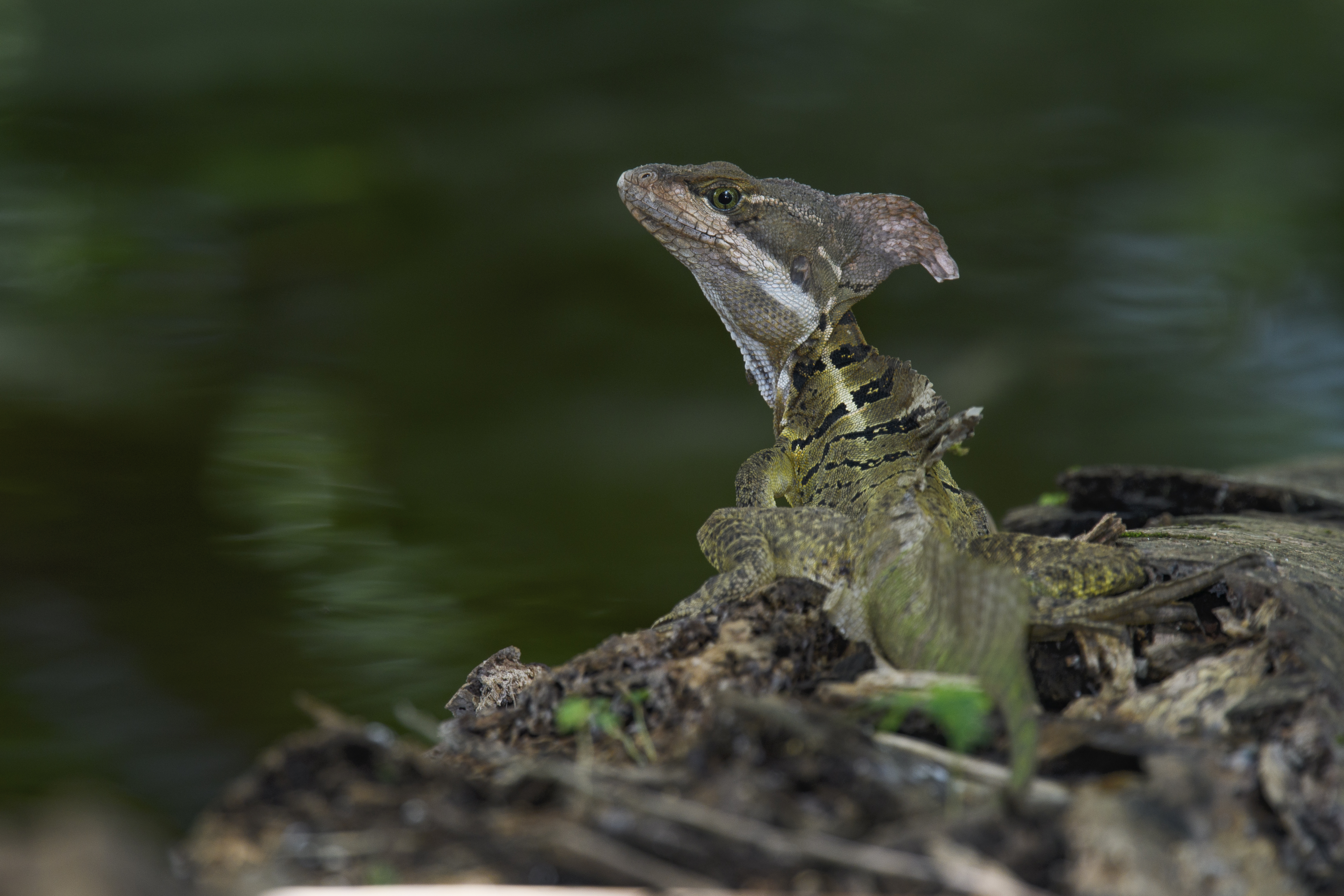
Jesus Christ Lizard.jpg

2017—From My Balcony

My recent Costa Rica trip has been on my mind today because Richard, one of my traveling companions,  consolidated the listing of birds we saw in Costa Rica in each of our past three visits there.  This year’s visit was a bit different because we went in late May instead of January so we were there in the rainy season, not the dry season.  We did notice differences in the number and type of birds we saw there, and when we saw them but I was surprised to see that this year’s visit came close to the number of species we saw in 2015 on our first visit.  In 2015 we saw 87 species and this year we saw 83 species.  Last year’s visit, however, was far ahead of the other years because we saw 99 different species of birds in 2016.

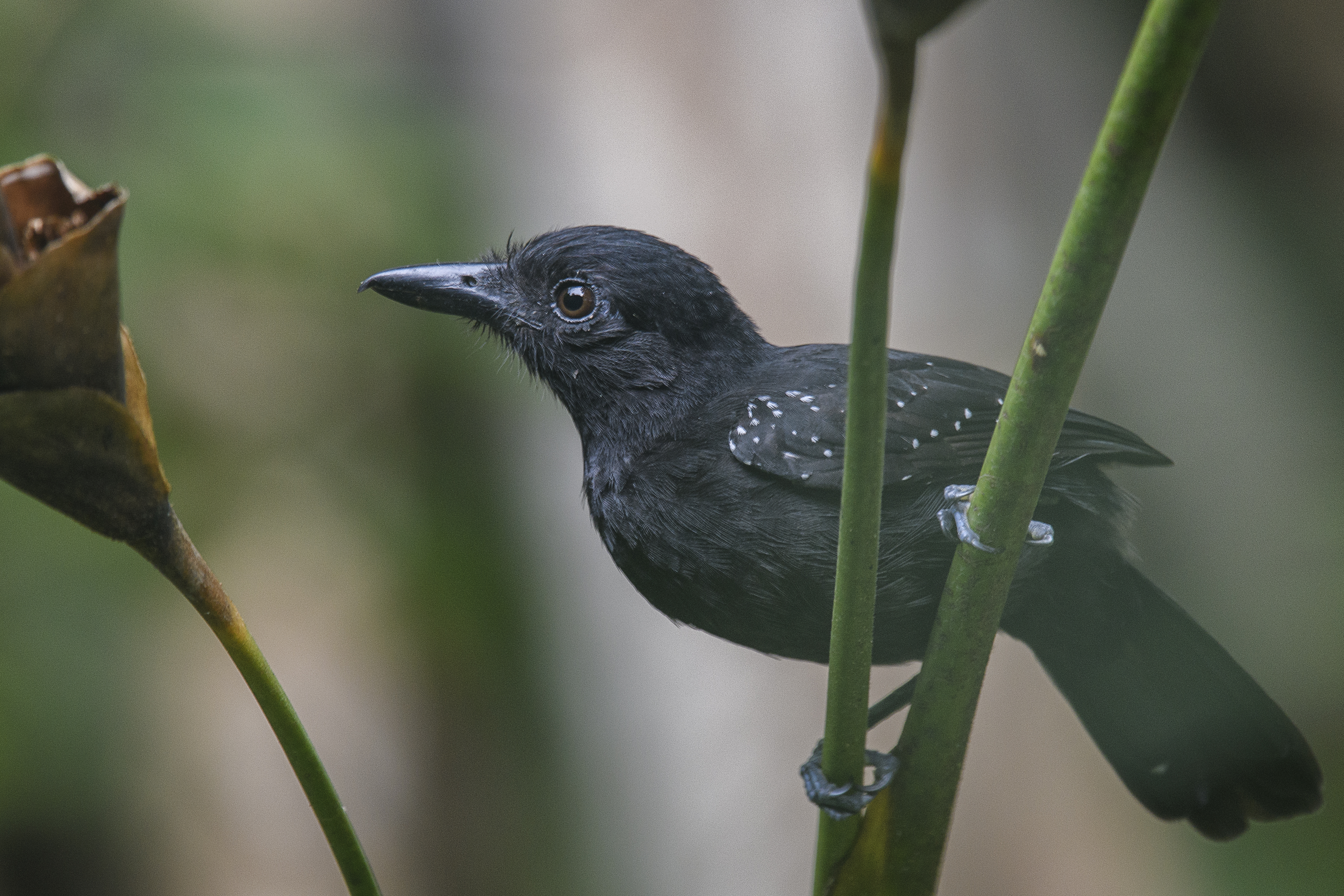
I spent a little time on the balcony of my bungalow hoping to photograph hummingbirds but none came to visit.  I did photograph this Black-hooded Antshrike as it searched for food near my balcony.  Although it made the list the last two years, this is the first year I photographed it.

hermit thrush preset focus

2017—VOR-tex

Churchill, Manitoba, Canada at the edge of Hudson’s Bay, is home to a Very High Frequency Omnidirectional Range (VOR) system station.  VOR is a type of air navigation system that predates GPS.  It serves as an  aid for pilots without GPS services in this remote outpost.   One morning, we drove to the VOR and photographed it with gorgeous clouds in the background.  The swirl of the clouds reminded me of a vortex and the scene itself looks a little like a scene from outer space.   

VOR Churchill.jpg

2017—Future Snowshoes?

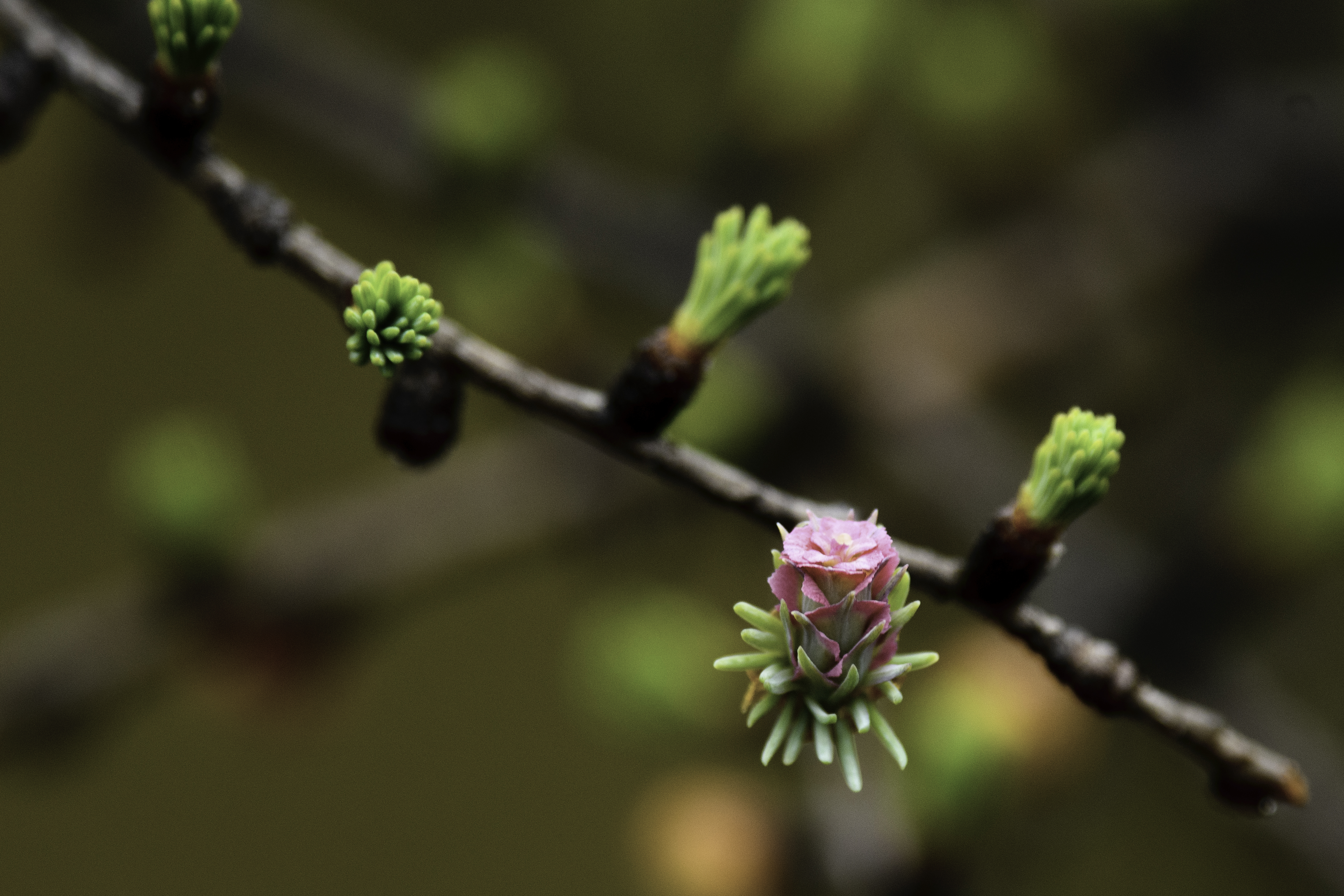
Tamarack is the common name for a deciduous conifer, a type of larch found in the northern regions of the United States and the Arctic regions of Canada.  “Tamarack” is an Americanized version of the French-Canadian word “tamarac” which is thought to be derived from an Algonquin word which means “wood for making snowshoes.”  I’d never seen a Tamarack before going to Churchill, Manitoba, Canada in mid-June.   While there, I was intrigued by this unusual, to me, conifer that appeared to be deciduous and at that time was just starting to leaf out.    The pink flower turns into a cone.

Tamarack.jpg

2017—Jim Bob

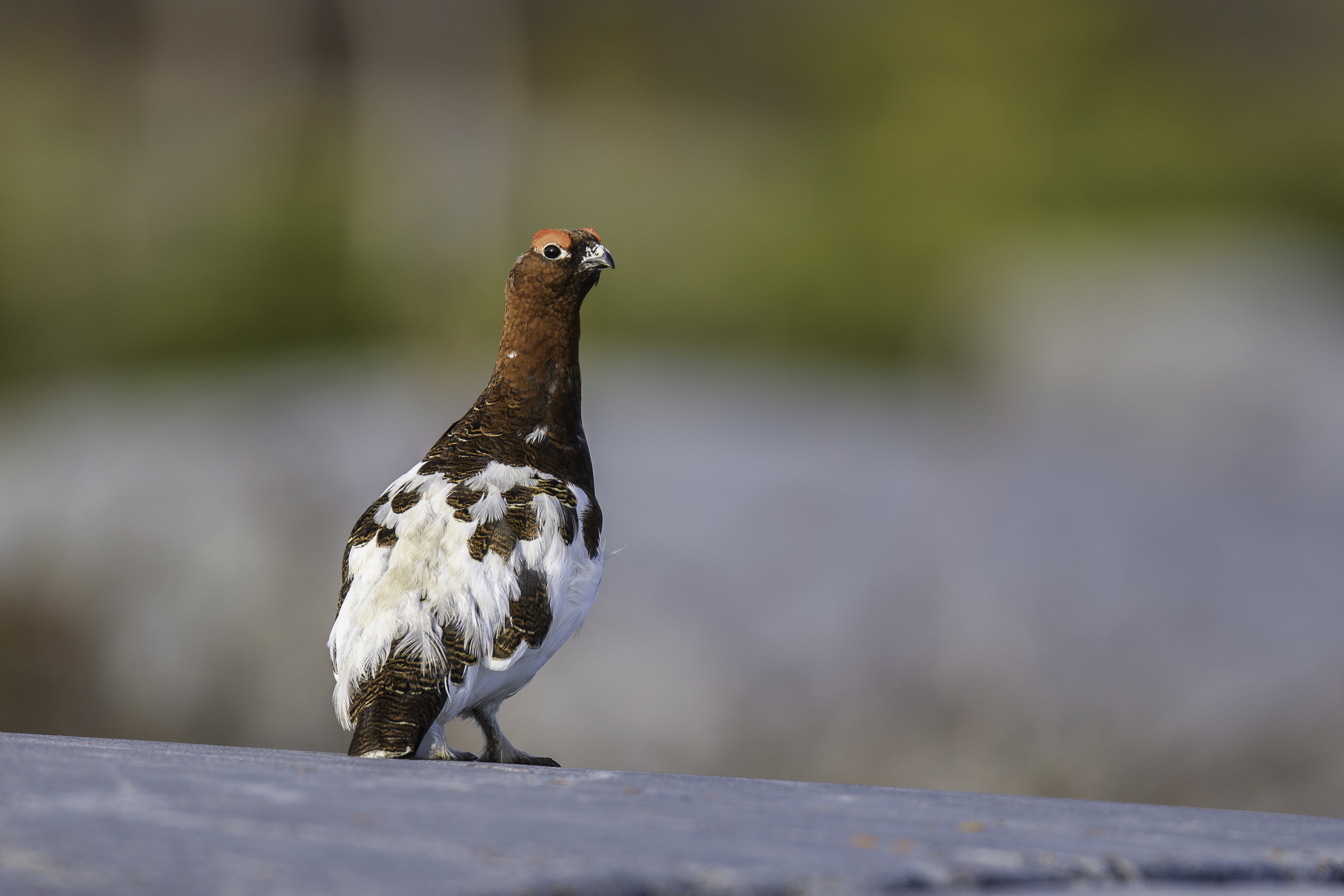
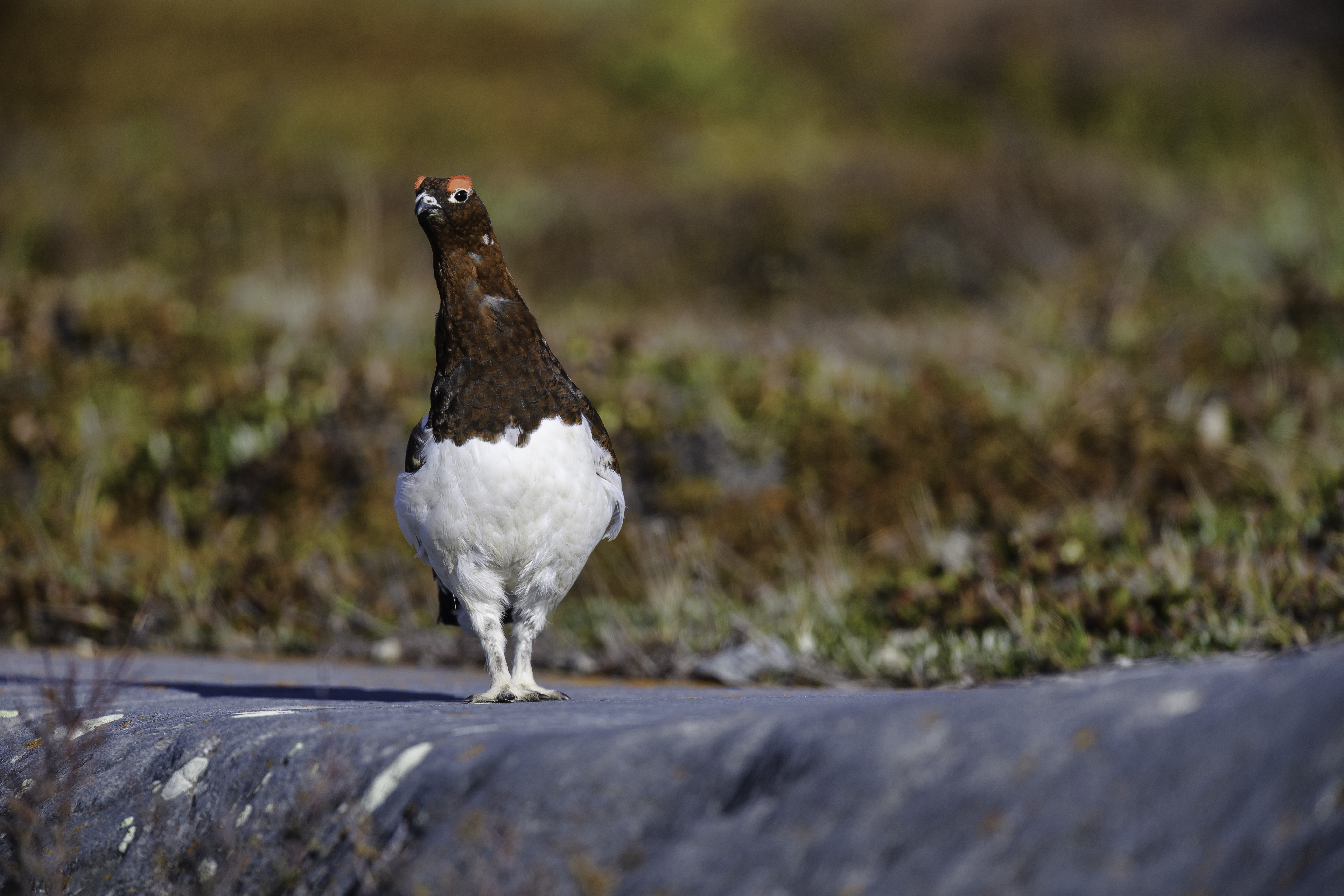
The Willow Ptarmigan is Alaska’s State Bird but I photographed him (and a few hers) in the tundra near Churchill, Manitoba, Canada in mid-June.   This is a large bird that stands out because of his size (chicken size), color (white in winter and rust and white in the summer), and his attention-getting call which sounds like it came from an episode of Star Wars, not the wild Arctic tundra.  We called him “Jim Bob” because on a previous trip with Moose Peterson another photographer couldn’t remember the confusing and hard to pronounce name (the “p” in Ptarmigan is silent) so the bird was dubbed “Jim Bob” to make things easier.    Whenever we heard his unique call, we would all shout “there’s Jim Bob!”

For a taste of what we heard every day in Churchill, click the arrow below.

The Arctic tundra is a unique mix of orange lichens and moss and glacier carved rocks and even miniature wild azaleas.  Here’s Jim Bob in his native Arctic setting.

ptarmigan 3

ptarmigan 2

ptmargian 1


2017—Small Jewel

Hummingbirds really are the jewels of the avian kingdom.  In Madera Canyon, we were treated to the constant presence of several colorful, iridescent species.  The Broad-billed Hummingbird was the most common and one of the most colorful that we watched.  This is, I believe, a juvenile male Broad-billed Hummingbird in the process of molting into his adult plumage.  Several pin feathers are visible emerging like white spikes on his neck and  soon they will blend into his iridescent blue gorget.

broad-billed juvenile 2.jpg


2017—Mr. Wonderful

We dubbed him Mr. Wonderful.  This Magnificent Hummingbird is indeed quite magnificent and he proved to be a wonderful photographic subject for us.  His iridescent blue-green gorget and purple crown are striking but what is most noticeable about him is his size.  The Magnificent Hummingbird is the second largest hummingbird in the US at almost 5 1/2 inches.  The other hummingbirds we saw in Madera Canyon were only 3 1/2 to 4 inches.  The buzz of this monster hummer’s wings is deep and resonant and we knew without a doubt when he flew over our heads that it was Mr. Wonderful.

I managed to get only a couple of clear flight shots of him but one afternoon he spent a long time perched in a tree by the parking lot, allowing all of us to approach with our long lenses and flash stands.

Mr. Wonderful perched
Mr. Wonderful

2017—Beep! Beep!

A Roadrunner ran through Melinda and Lonnie’s yard, crossing the rocky hill behind their house.  Wyle E. Coyote was not in pursuit with his latest explosive device nor was the Roadrunner blue as he is depicted in the cartoon but lacking a current photograph of appropriate Americana for the Fourth of July, I thought an iconic American cartoon character might be the next best thing.  Beep!  Beep!

Happy Fourth of July!

road runner.jpg

2017—Black-chinned Hummingbird

After a disappointing unsuccessful first day of photographing hummingbirds in Madera Canyon, a few changes in our approach made a huge difference on Day 2 and I gained confidence as I was able to successfully capture a few birds in flight.  Moose  discovered that keeping the camera on Auto Area AF continuously while focused on a tiny part of the feeder in the lower corner of the frame gave us a much higher success rate because the advanced focusing system would quickly grab onto the bird as it flew into the frame.  The problem with this method is that the camera  battery on my D500 drained much more quickly  because it was constantly seeking focus.  Our two flash lighting set up illuminated the purple gorget of the Black-chinned Hummingbird as it approached the feeder.

Black Chinned Hummer in flight.jpg

2017—Arizona Night Sky

I’m visiting my friends Melinda and Lonnie in Prescott, AZ for a few days.  After dinner we sat on the patio enjoying the cooling breeze and the clear, star-filled sky.    Seemingly all of a sudden,  the stars were gone and huge puffy clouds filled the night sky.  The waxing gibbous moon is visible through a break in the clouds and beneath the moon, Spica, the brightest star in the constellation Virgo is visible in another break in the clouds.  My tripods were still packed and I couldn’t hold my camera still at such a slow shutter speed of 1/13 of a second, so Spica is more of a short line than a dot.

Night Sky prescott.jpg

2017—One Of Eighteen Possibilities

If you’re lucky, during the summer in Madera Canyon, which is located in the Santa Rita Mountains of the Coronado National Forest in southern Arizona, you might see eighteen species of hummingbird.  Many of the eighteen are very rare and so on my recent visit, I was excited to see seven different species, the biggest variety I’ve seen in one place.  But attempting to photograph hummingbirds in flight there was the most challenging and frustrating photography I’ve ever done despite my many years of photographing the Anna’s hummingbirds that visit my house year round.  On our first day, I failed to successfully capture a single bird in flight because our approach differed significantly from what I was used to, including using manual focus.  I did manage to get a couple of birds perched that first day and this is one of the little gems we saw regularly, a Broad-billed Hummingbird.

Broad billed Hummer Day 1.jpg