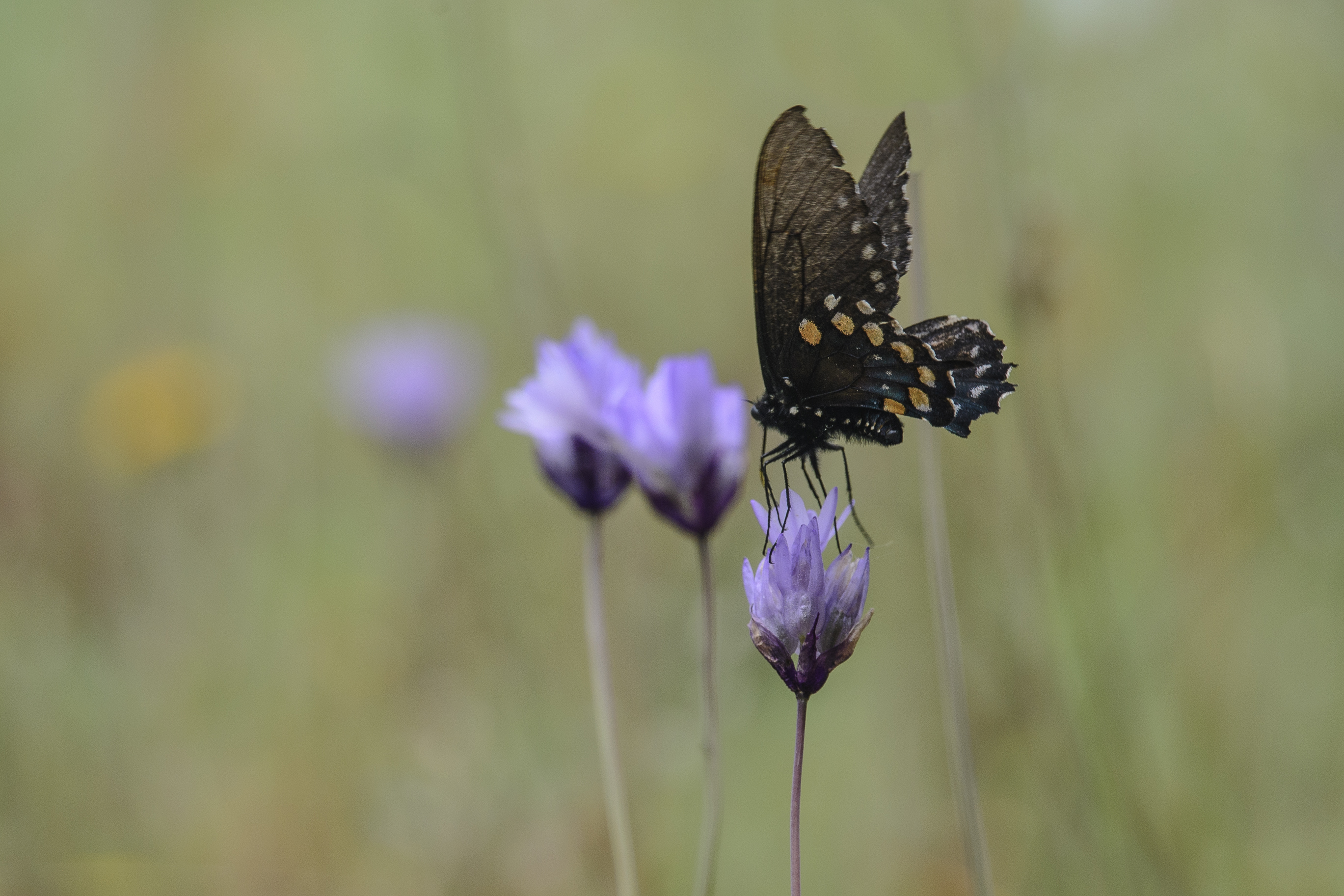
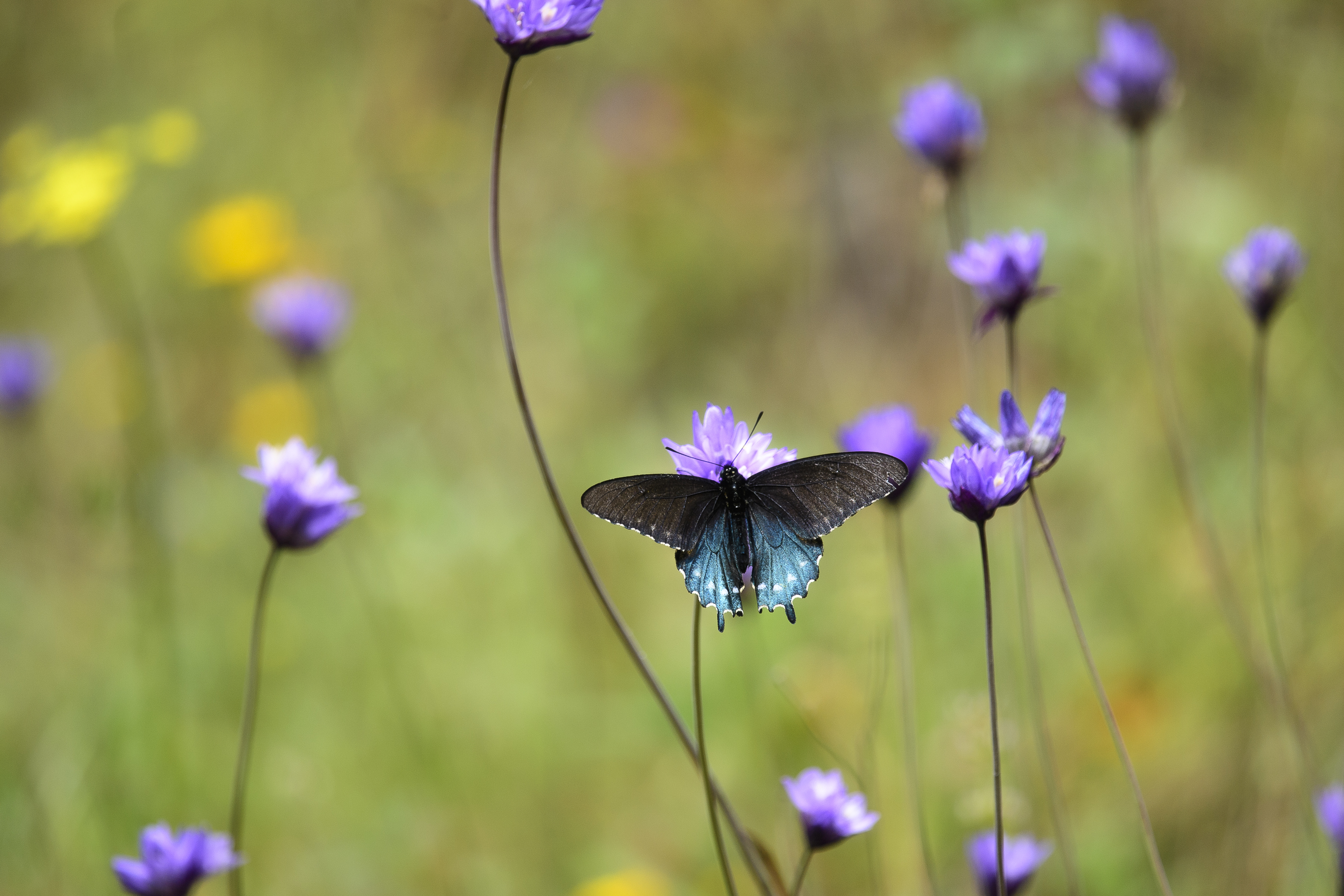
2016—Pipevine Swallowtail

I was testing the D5’s auto focus trying to capture the pipeline swallowtails flitting among the blue dicks and other spring flowers on Yankee Jim’s Road the other day. I wasn’t entirely successful but these were the best of the group.   I had the camera set to high speed crop with the 300mm lens.  Although the butterflies were at different distances from me on the flower covered hillside, they look the same size because  for some of t he shots, I attached the  1.4X teleconverter so instead of 300mm, the focal length was 420mm.  None of the shots is cropped.

_CAS3697_CAS3646_CAS3644_CAS3539


2016—Silken Water

Until Thursday, when my friend Bruce took me to Yankee Jim’s Road between Colfax and Foresthill,  I had never attempted photographing moving water to make it appear to be a silken flow.  The recent rains in the area have created a number of small waterfalls at the side of the road.  The waterfalls will dry up soon and this was probably my last opportunity this year to photograph these features.  Yankee Jim was supposedly a rather nefarious character who founded a gold mining settlement near the north fork of the American River in 1850.  The town became one of the most important mining communities in Placer County by 1857.  Only a few rotting buildings remain of the original settlement.   I had never heard of Yankee Jim’s until I joined the Placer Camera Club 5 years ago.  At meetings animated  discussions about photo opportunities along Yankee Jim’s Road are frequent but since I’m a flatlander (from Sacramento County, not Placer County which is in the Foothills) I had no idea where this was and because everyone else seemed to know, I was reticent to ask.  It is unlikely that I’ll ever venture there again unless someone else drives, and never in my new Lincoln. The road is winding, cliff-hanging,  unpaved, and rutted.  It crosses the North Fork of the American River via a rusting iron bridge erected in 1930.  But it is beautiful, the wild flowers abound in spring, and the roaring of the river is a constant accompaniment.

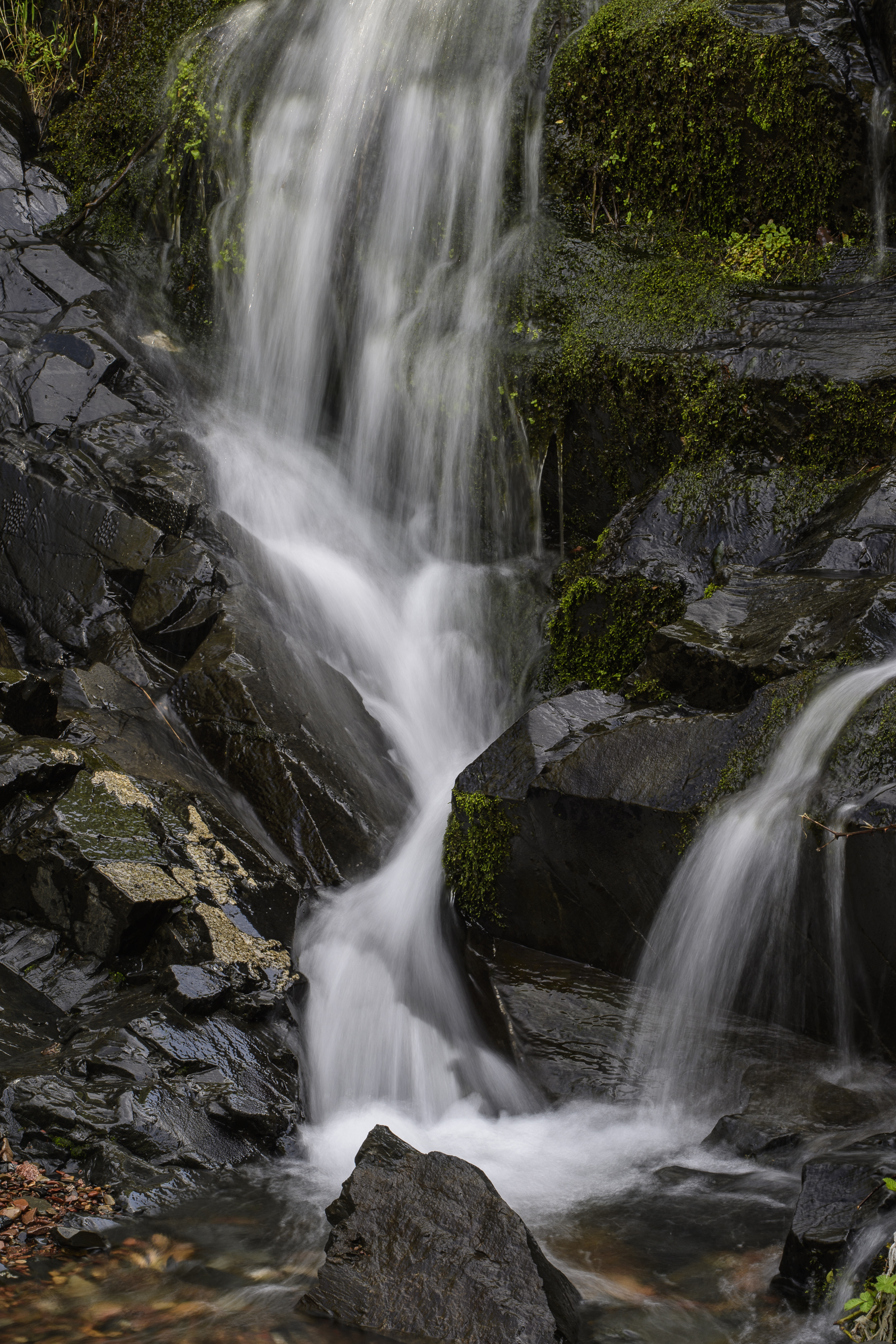
We photographed three different roadside waterfalls.  One, known as either Devil Falls or Stagecoach Falls, is permanent.  The others flow at the whims of the rain.  These three shots are various view of the first waterfall we came across.  I used my tripod and my 70-200mm lens at varying focal lengths to create the best composition and, I used a low ISO, some of the lens’s smallest apertures (f/22 and f/32), and a slow shutter speed to create the lovely look of silky water.


_CAS2776


_CAS2727


_CAS2684


_CAS2650


2016—Snowy Egret

Egrets are known as “fishers on stilts” and this snowy egret was stepping through the  shallow water in search of something to eat at the Colusa National Wildlife Refuge.  My nemesis that day was finding and maintaining focus  on the birds through the tall reeds and grasses which are visible, but out of focus, in the foreground of this shot.

_CAS0772.jpg

2016—Purple Bells

My friend Carly brought me a pot of purple campanula the other day. Campanula is commonly known as bellflower.  This is a composite shot , combining 9 photographs into one using the focus stacking software built into Photoshop.    I used my macro lens with the largest aperture and needed to use focus stacking so that all three flowers would be in focus.

_CAS4609-Edit.jpg

2016—The Poppy Vortex

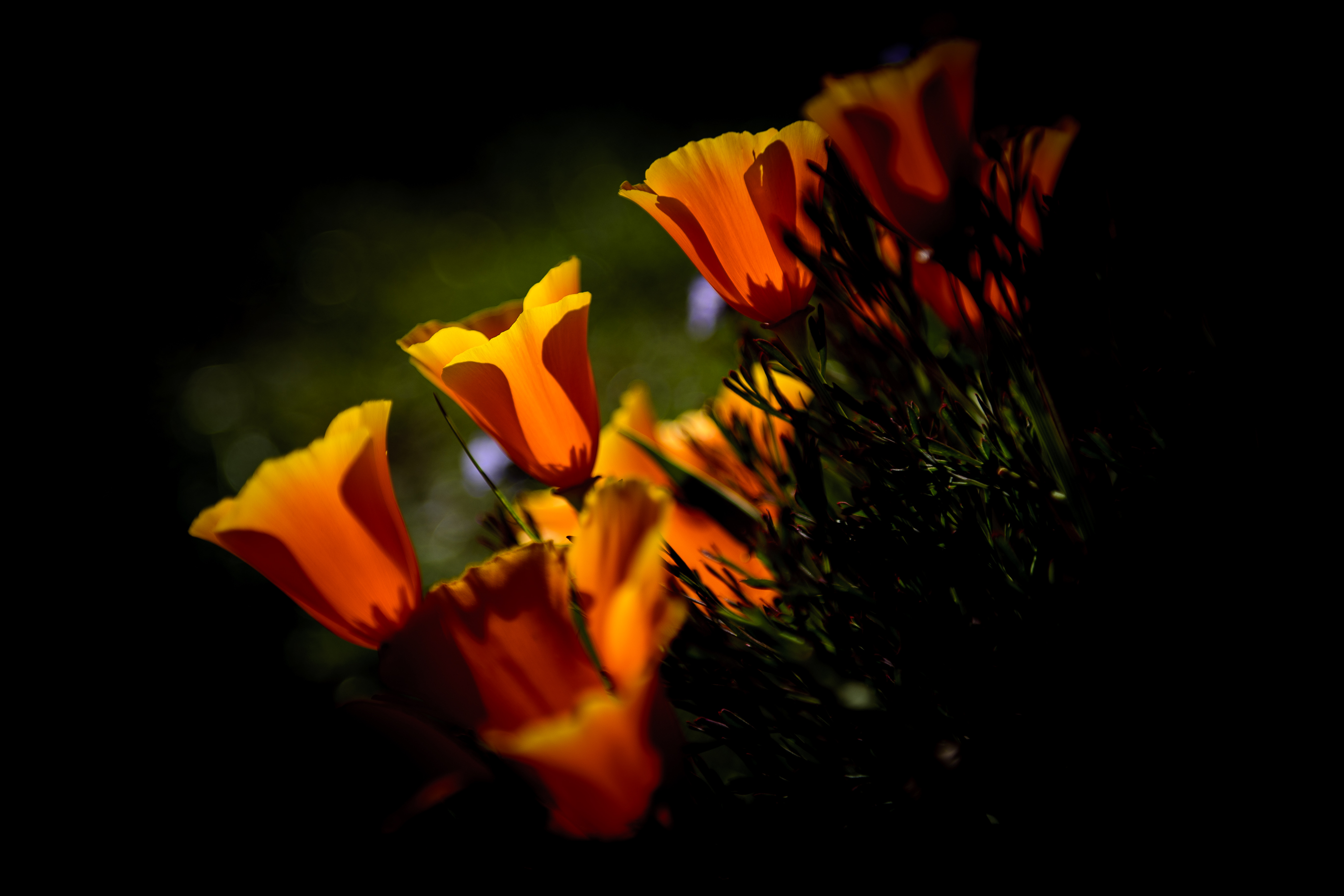
While we were in Bear Valley photographing fields of poppies and other wildflowers, Bruce showed me a shot he captured of the poppy-covered hillside in front of us.  He intentionally  moved the camera 90° to get an abstract circular pattern.  I loved the look and tried it  myself.   It took a few tries to get the proper exposure  and to get a complete circle but when I did, I loved what I got.  Here are two versions of what I call the “Poppy Vortex.”

_CAS1683_CAS1554

2016—Bee Sweet

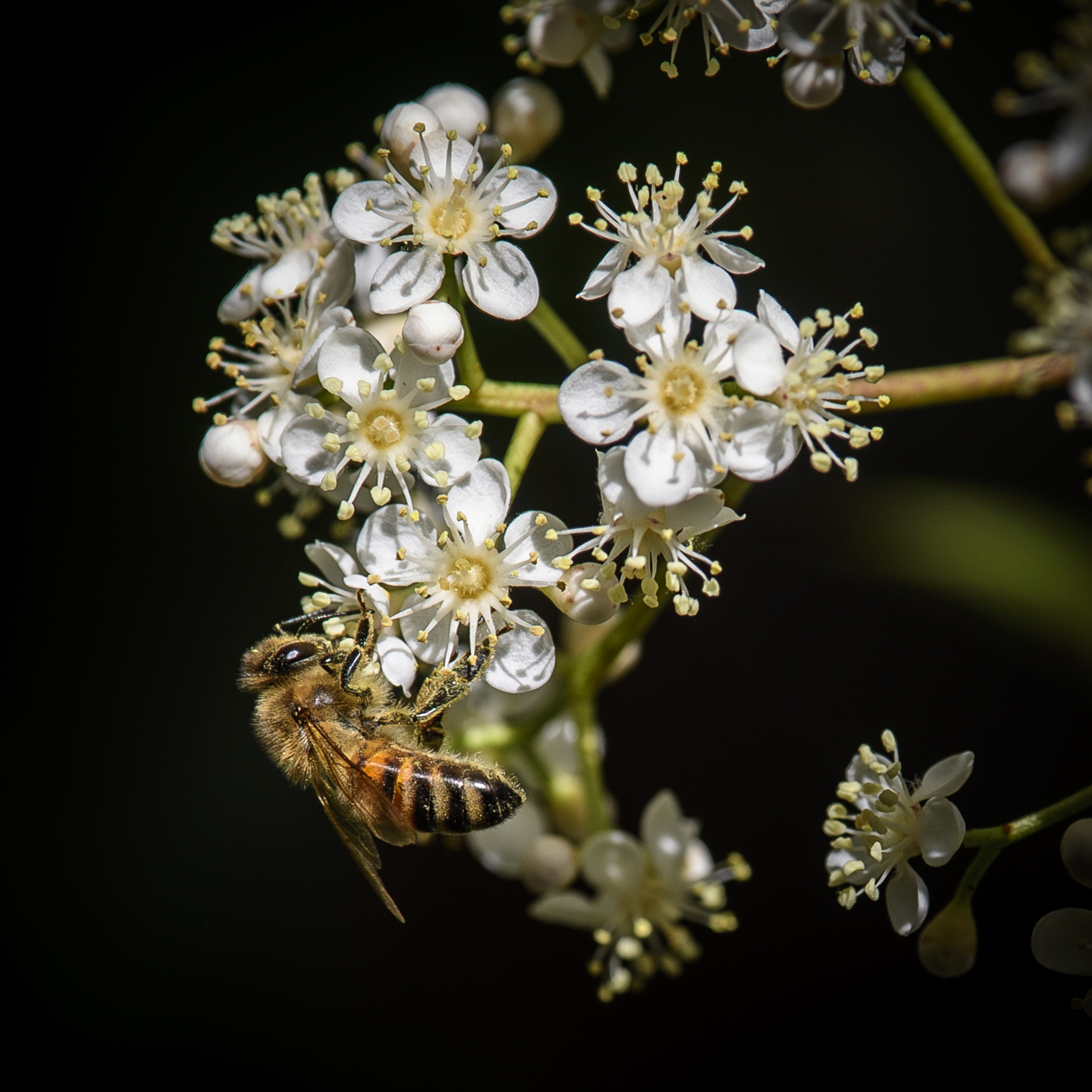
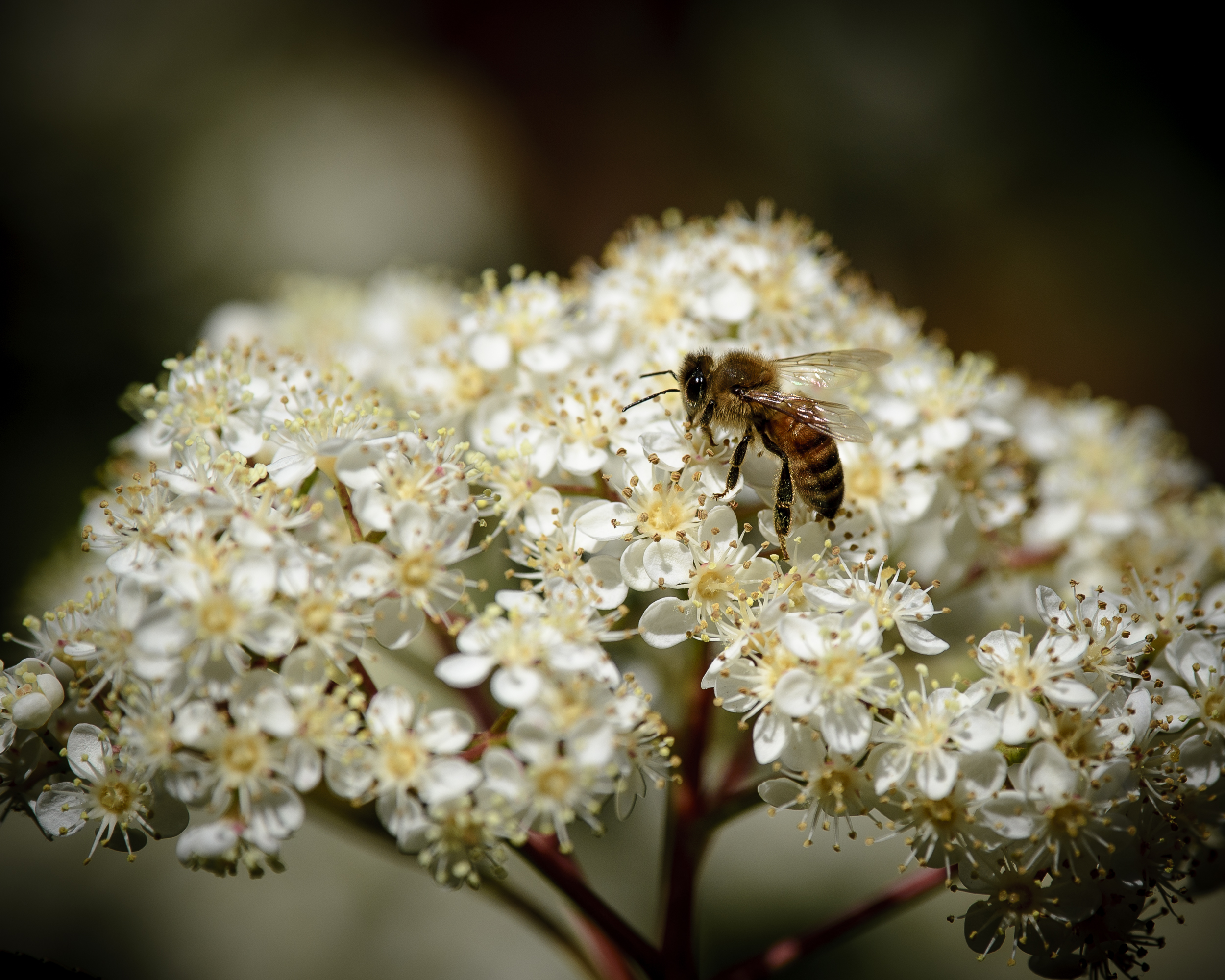
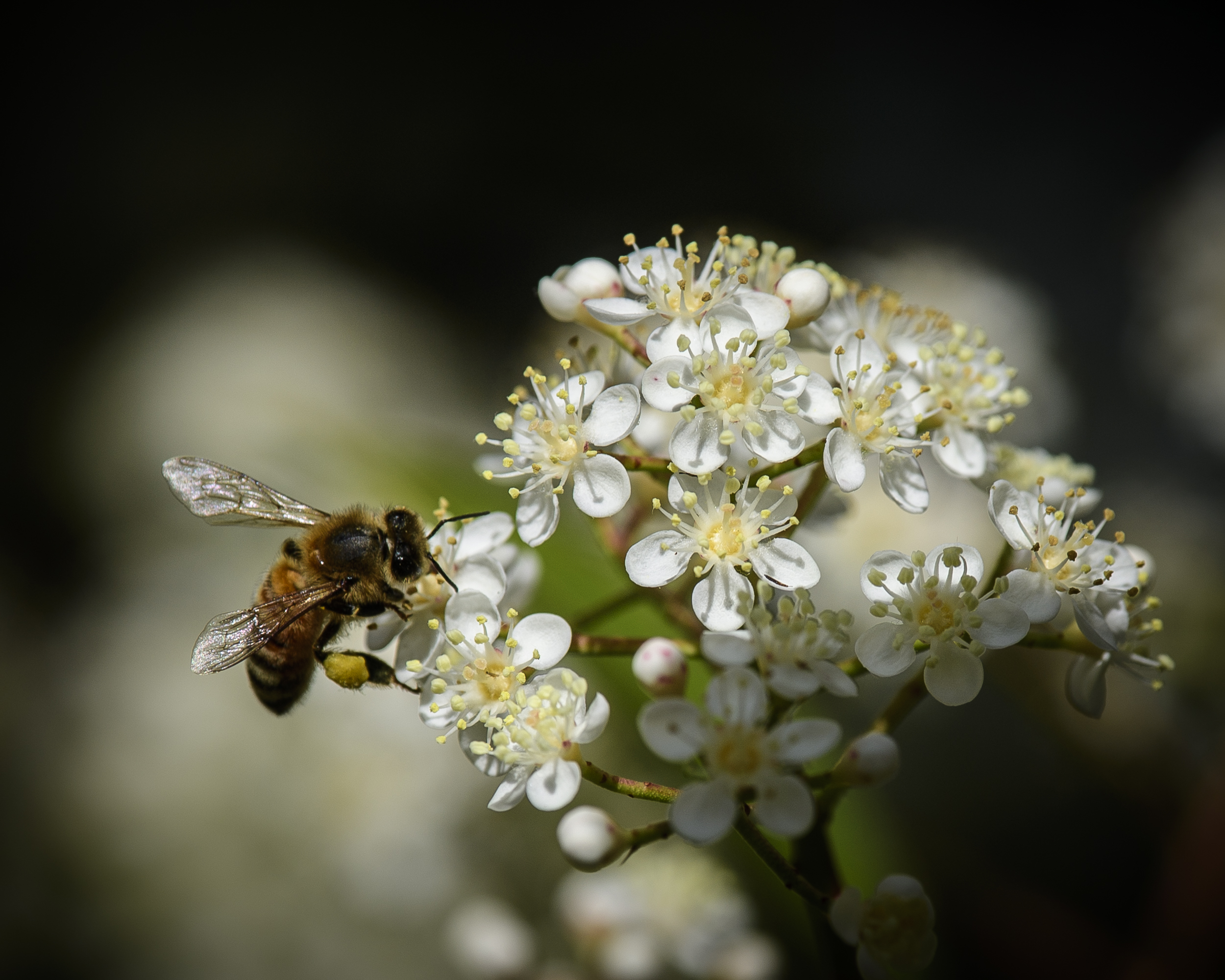
Bees on the photinea blossoms gave me some practice with my new Nikon D5 Saturday.  I used the 300mm lens set to high speed crop but still had to crop these a little.  I was hoping to capture some bee-in-flight photos but no such luck.  I’m trying to figure out the “group” auto focus setting which tracks moving subjects.

_CAS2232_CAS2191_CAS2075

2016—Striped Egret

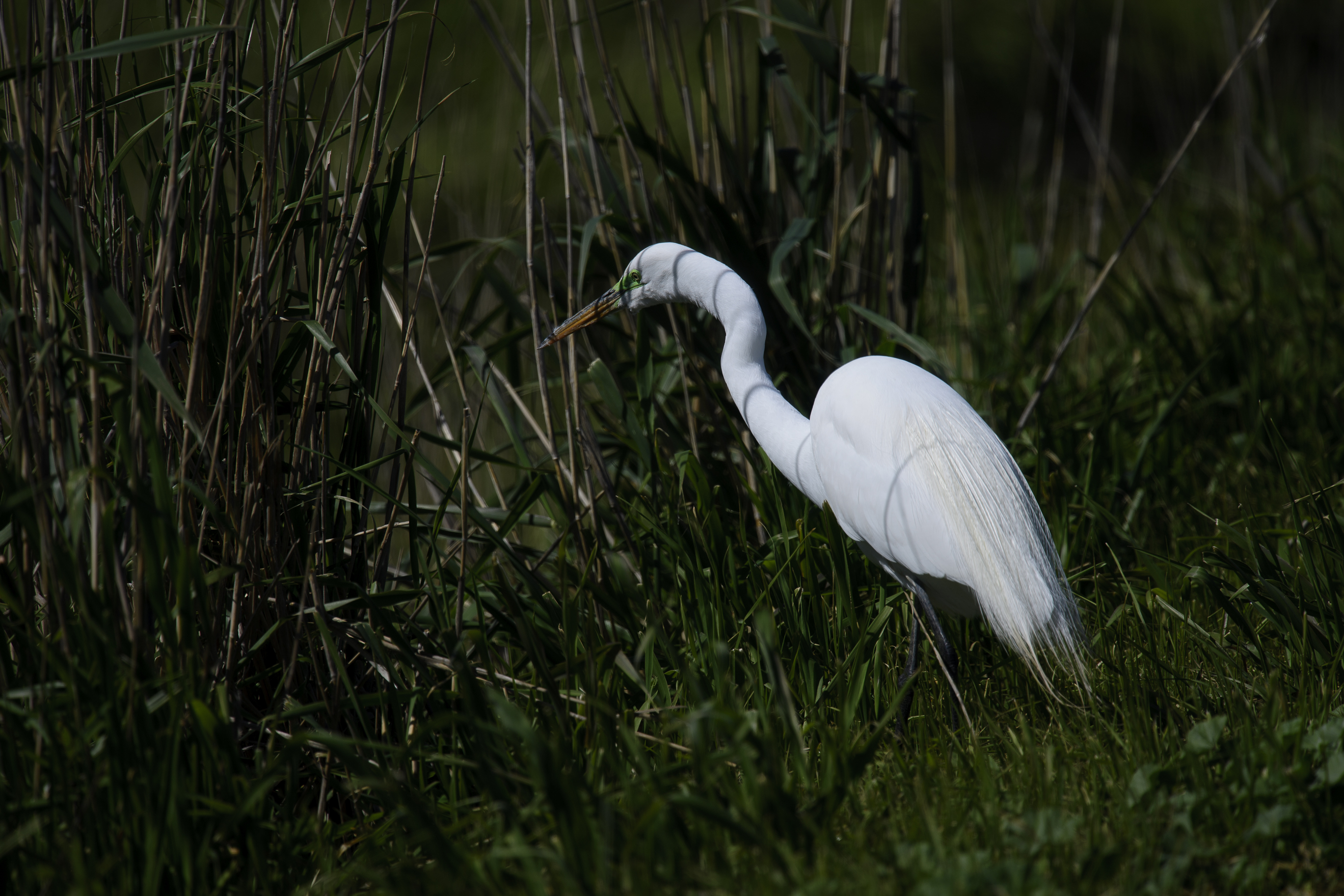
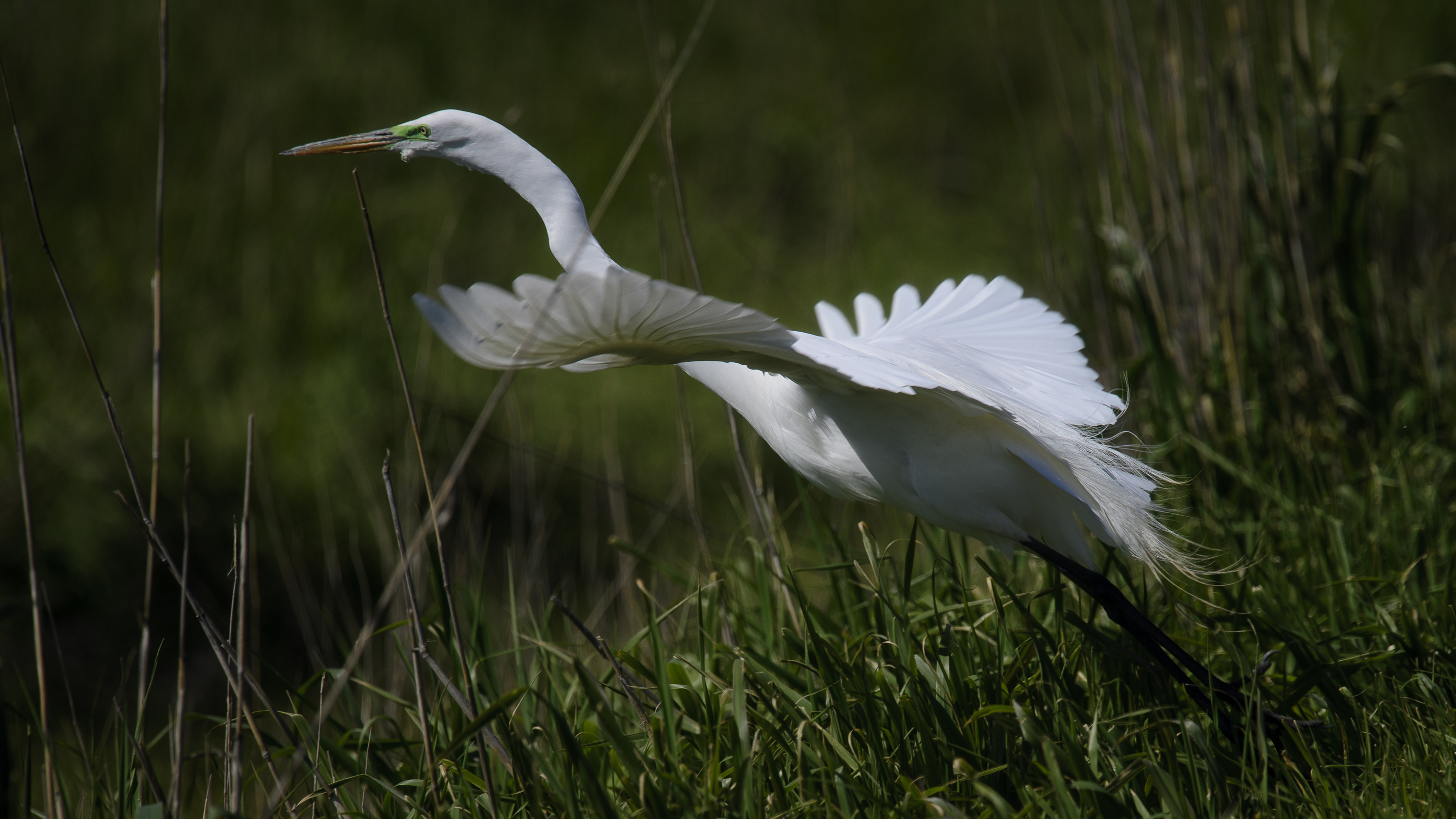
No, the Striped Egret is not a new species of egret.  It’s what happens when you photograph a Great Egret at midday in the midst of reeds and cattails.  I was at Colusa National Wildlife Refuge with my friend Bruce, anxious to put my new Nikon D5 to the test.  We got a later than expected start because of an accident that closed I-80 in both directions early Thursday morning so I drove back roads to Auburn where I met Bruce.  The refuge is a couple of hours away and, as photographers,  we took the scenic route.   By the time we arrived it was well past noon.  Because the refuge has only a couple of designated spots where  visitors are allowed to exit their vehicles and tripods are allowed, we opted to shoot from the vehicle as we drove through so Big Bertha didn’t get a test with the D5-AKA Slik Nik.  I attached the 300mm lens with the 1.4 x teleconverter and scooted from side to side of the back seat to capture birds from both sides of the truck.  This shot is one of the first shots I took.  The camera was still set to  Continuous High shutter so before I changed the setting,  every time I touched the shutter release, I got a half dozen shots in a fraction of a second.  The first several bursts yielded unacceptable results because the bird’s head was completely shaded and its eye was obscured by reeds.  This is one of the few shots I got with the bird’s eye clearly  visible between the reeds.  It’s not a great shot and not one that I would normally include in the blog but I wanted to show one of the first photographs I took. I cropped the second shot because otherwise the bird would have been flying out of the frame.  We watched this egret for about 15 minutes while it stalked something in the reeds.  After it flew a short distance, it deftly snatched a wriggling vole and swallowed it.  Then, seconds later, it grabbed another vole and gulped it down.  It was fascinating, yet somewhat disturbing, to watch.  But, that’s what happens in nature’s food chain.  Something is always lower than something else.   I decided the photographs—yes, I took photographs—are a bit too graphic to post on the blog.

The bottom line—I LOVE the Nikon D5.  It really is Slik Nik.  My camera’s new moniker is courtesy of my friend and fellow photographer,  Melinda.


_CAS0488


_CAS0512