2025—Stalker

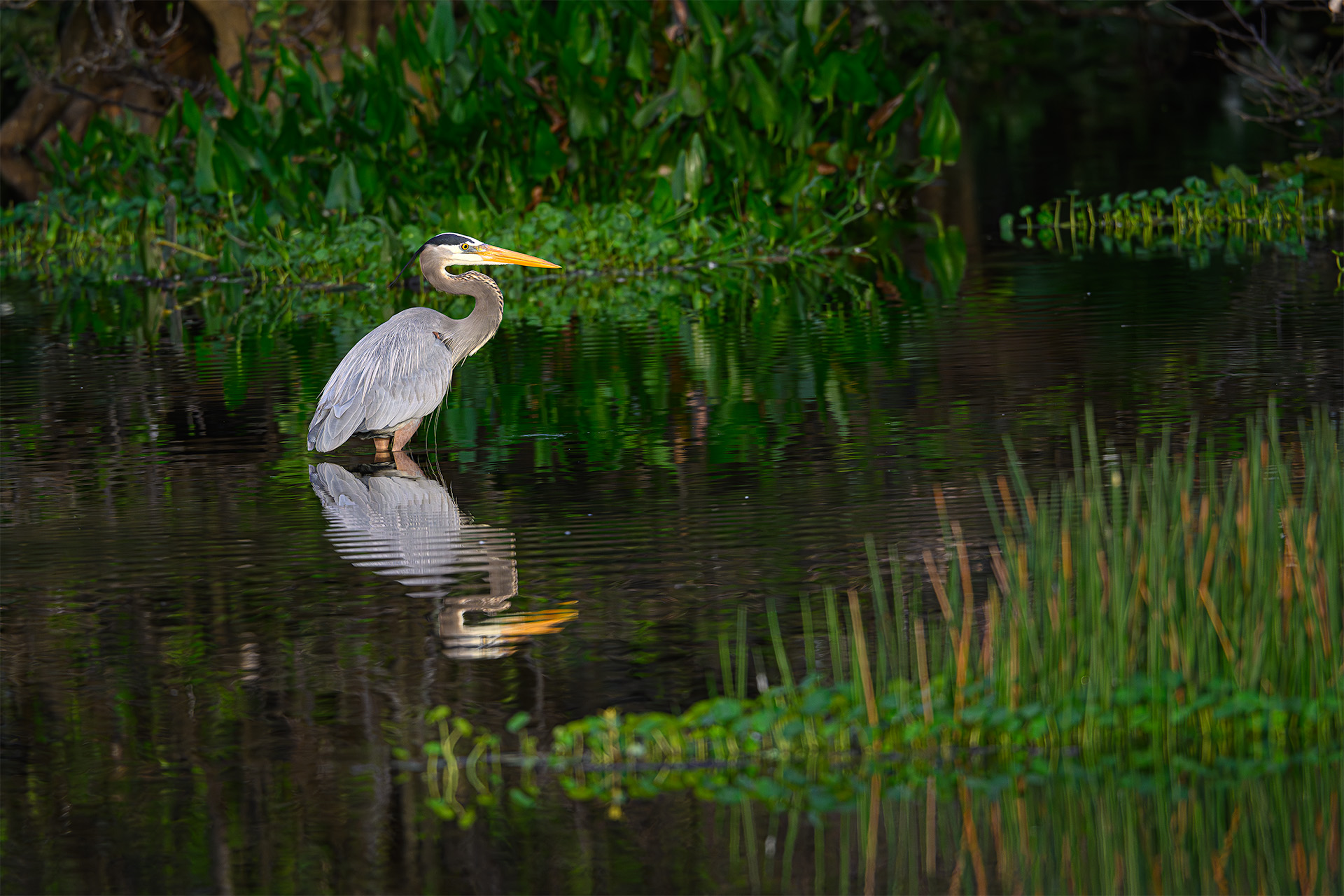
Great Blue Herons are patient stalkers. Their movements are slow and purposeful as they wade through shallow water, watching and waiting. If they spot prey, they will suddenly lunge, their long neck stretching to its maximum. They slice through the water with their sharp beaks open and gulp! whatever was swimming by is now in the Great Blue Heron’s gullet.

2025—Stork on the Way

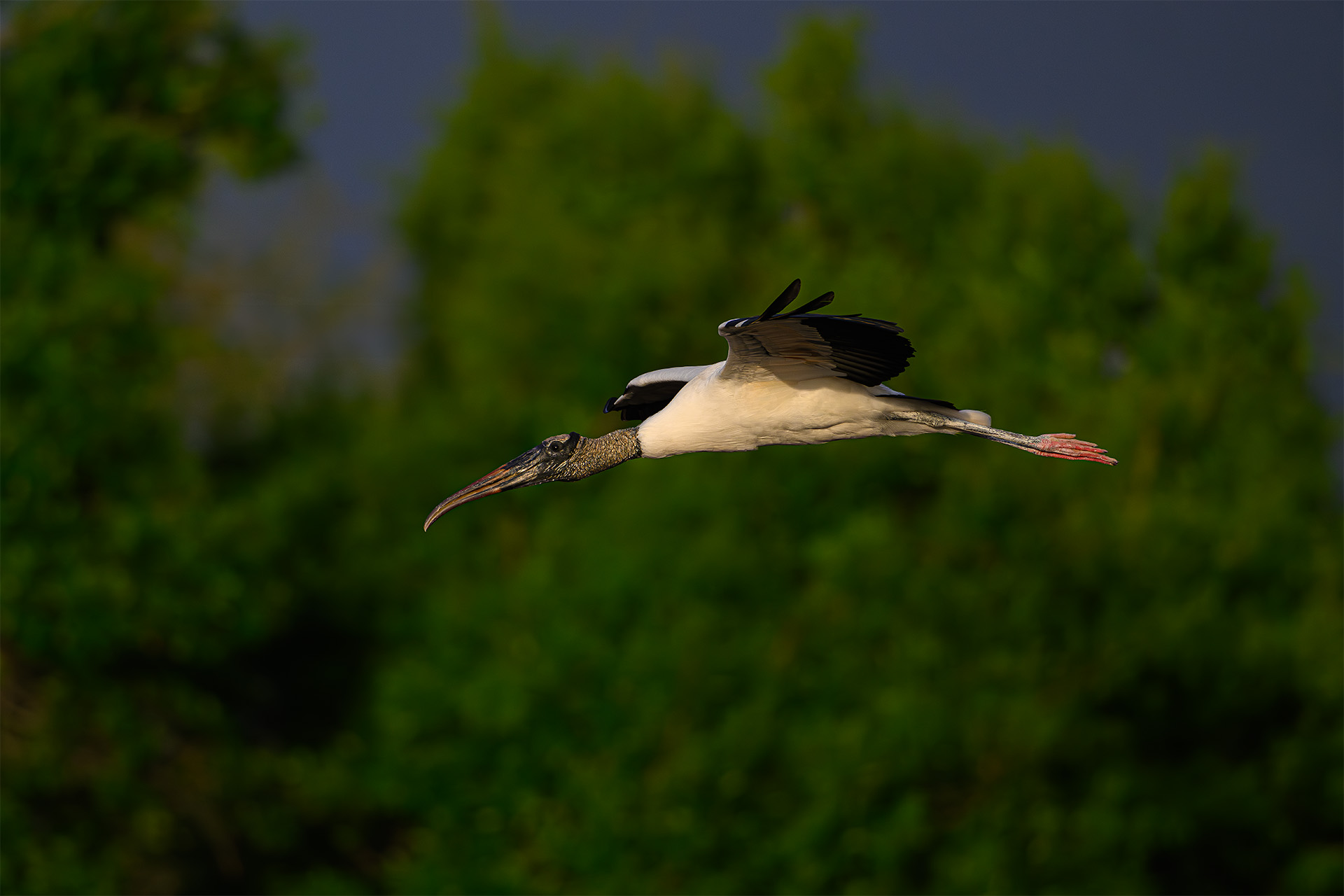
Wood Storks have taken over the trees along the first part of the boardwalk at Wakodahatchee Wetlands as nesting sites. They are so close to the boardwalk that I often couldn’t focus on them. My minimum focusing distance is just over thirteen feet. They did spend quite a bit of time flying to feed and the find nesting materials so when they were flying to and from their nesting site is when I was able to photograph them and get the entire Wood Stork in the frame.

2025—Two Chicks

There were lots of chicks in nests at Wakodahatchee Wetlands a couple of weeks ago. Because they hatch at different times, the growth of chicks differs. In this Great Blue Heron’s nest for example, while the parent preens, the two chicks check out their new world that surrounds them. The larger of the two is a bit closer to the parent’s beak so when it’s feeding time, that chick makes sure it gets first dibs.

2025—Lady Anna

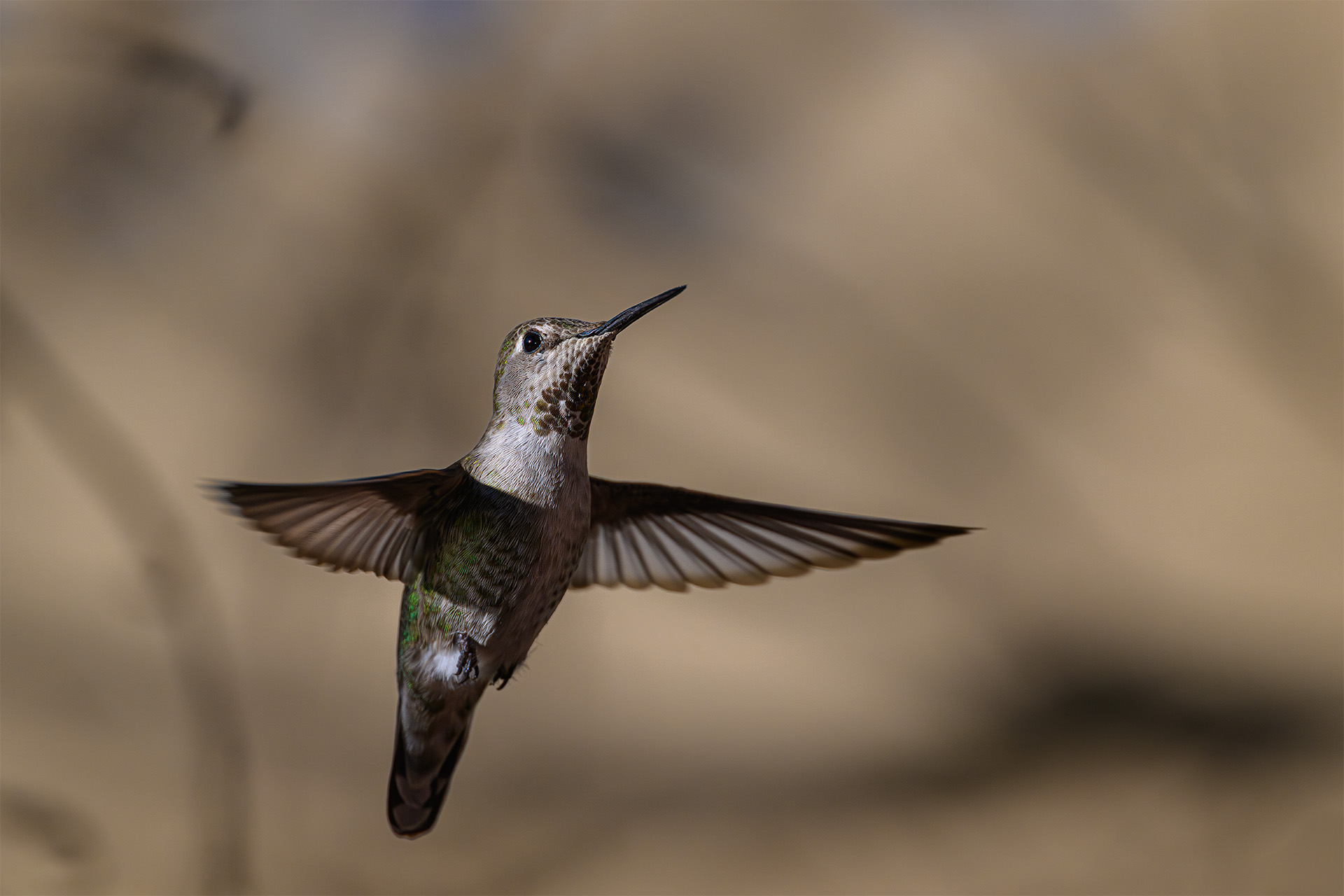
In 1829, the Anna’s Hummingbird was named to honor French courtier Anne d’Essling, the Duchess of Rivoli, who was married to amateur ornithologist François Victor Massena, the 3rd Duke of Rivoli after whom the Rivoli’s Hummingbird, once called the Magnificent Hummingbird, is named. This is a female Anna’s Hummingbird who was out and about in my garden between skirmishes by the three rival male Anna’s. I hadn”t seen a female at the feeders for a while so it was nice to see her. I’m hoping she’s on a nest nearby. Time will tell. I wish she’d posed for me in front of a nice green background like a couple of the feeders have but alas, she stopped and looked at me in front of the fence, painted the requisite “sanderling” color which is not the color of a Sanderling at all.

2025—Wing Stretch

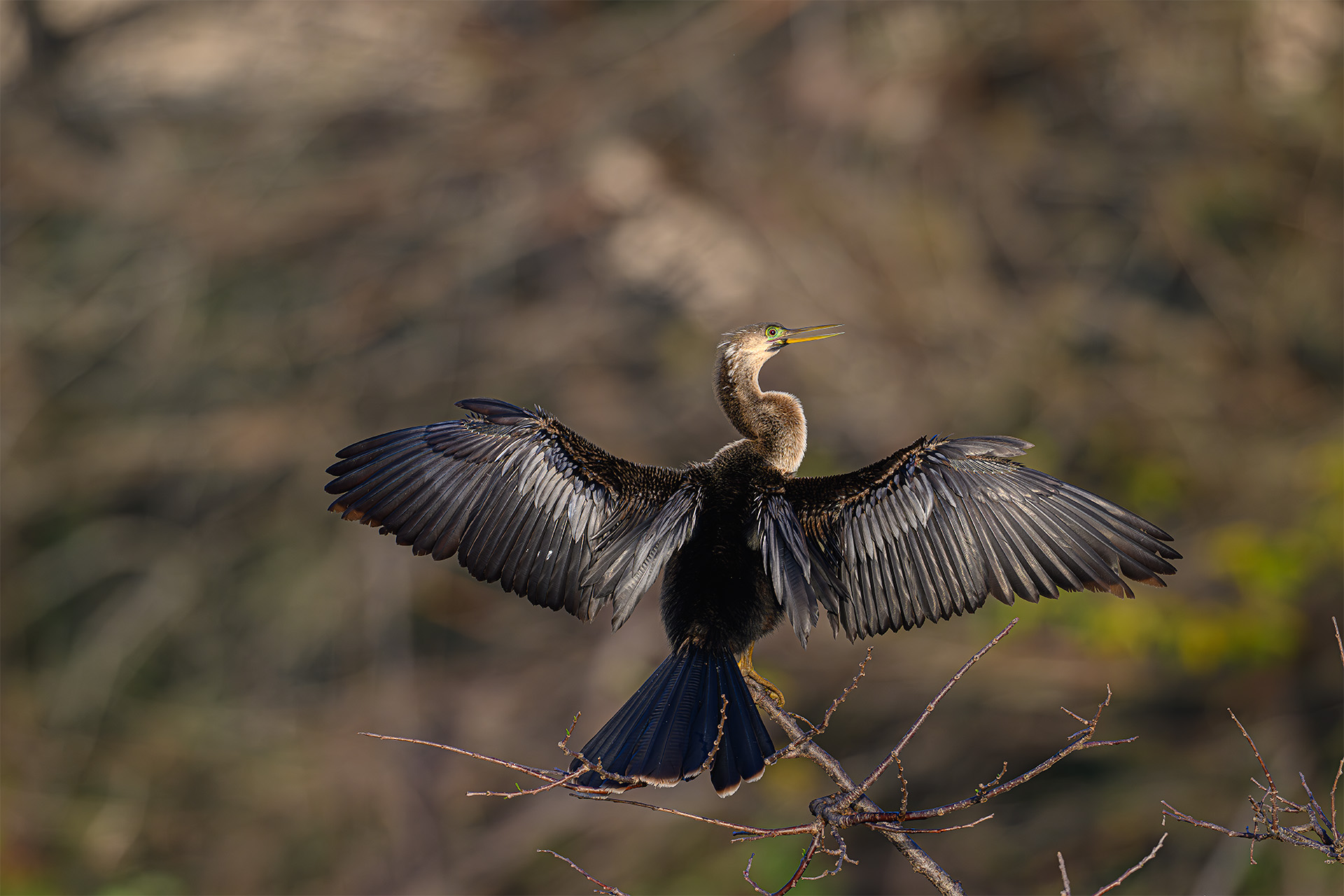
Anhingas spend much of their time stretching their wings out to dry. They don’t have water repellant feathers so when they’re out of the water, that’s how they dry them off, reminiscent of Cormorants that similarly spread their wings to dry. This is a female Anhinga, the skin surrounding its red eye a greenish color during breeding season. The Anhingas were quite prevalent in Wakodahatchee Wetlands, lots of pairs with nests and lots spreading their wings to dry.