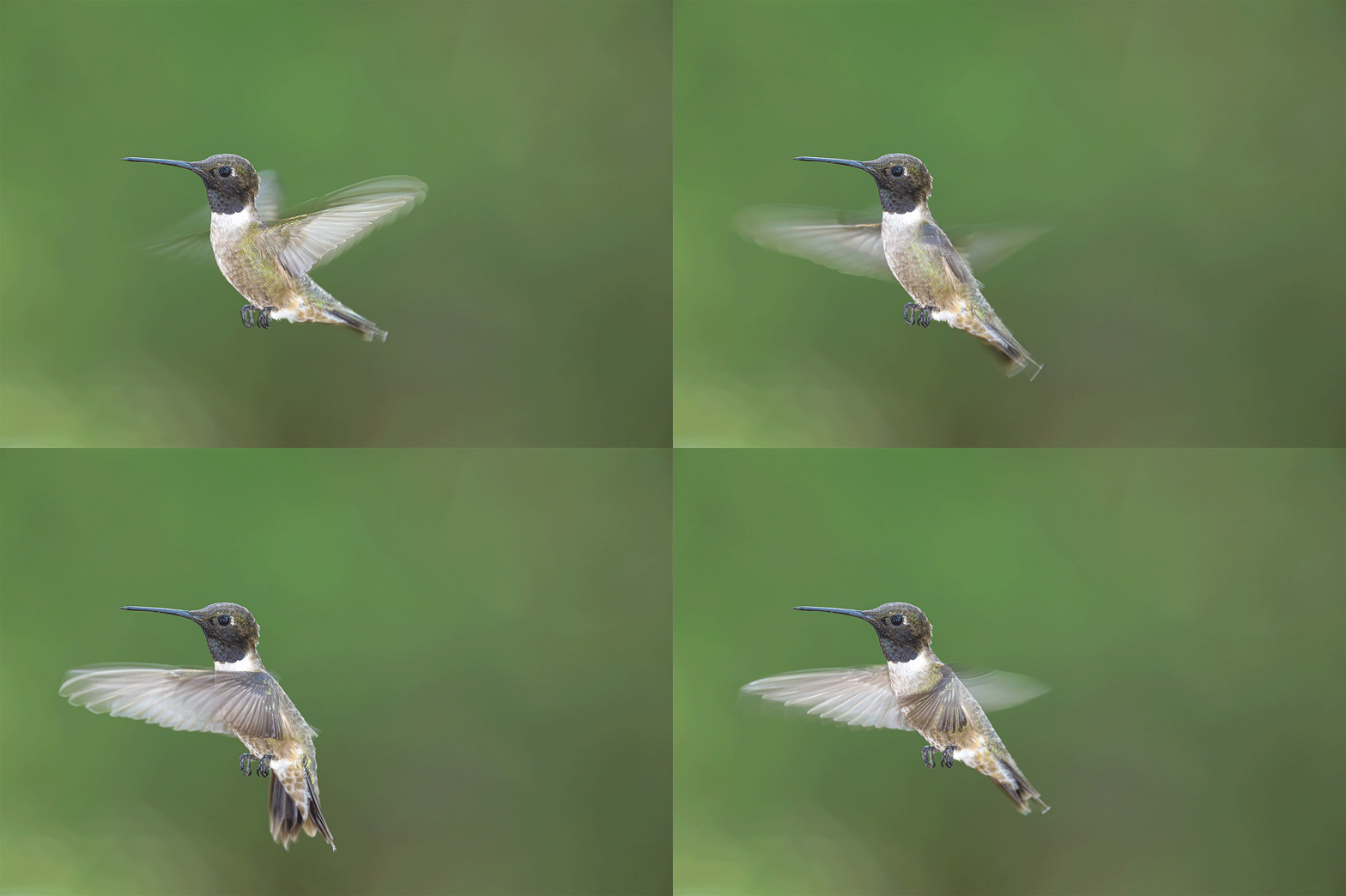
2024—Holding Steady

I just discovered four Black-chinned Hummingbird images that I took in Madera Canyon in June. I had overlooked them for some reason, possibly because the gorget on this male didn’t reflect the beautiful purple that is visible in some light. I love it when Hummingbirds hover in place, wings and body pumping, head staying perfectly still. It is what allows me to get a series of in-flight photographs with a tack sharp eye, like these four. I compiled them into a gif using Photoshop. The gif shows what I see when I’m photographing a hovering Hummingbird, except in real time, the wingbeats are much faster.

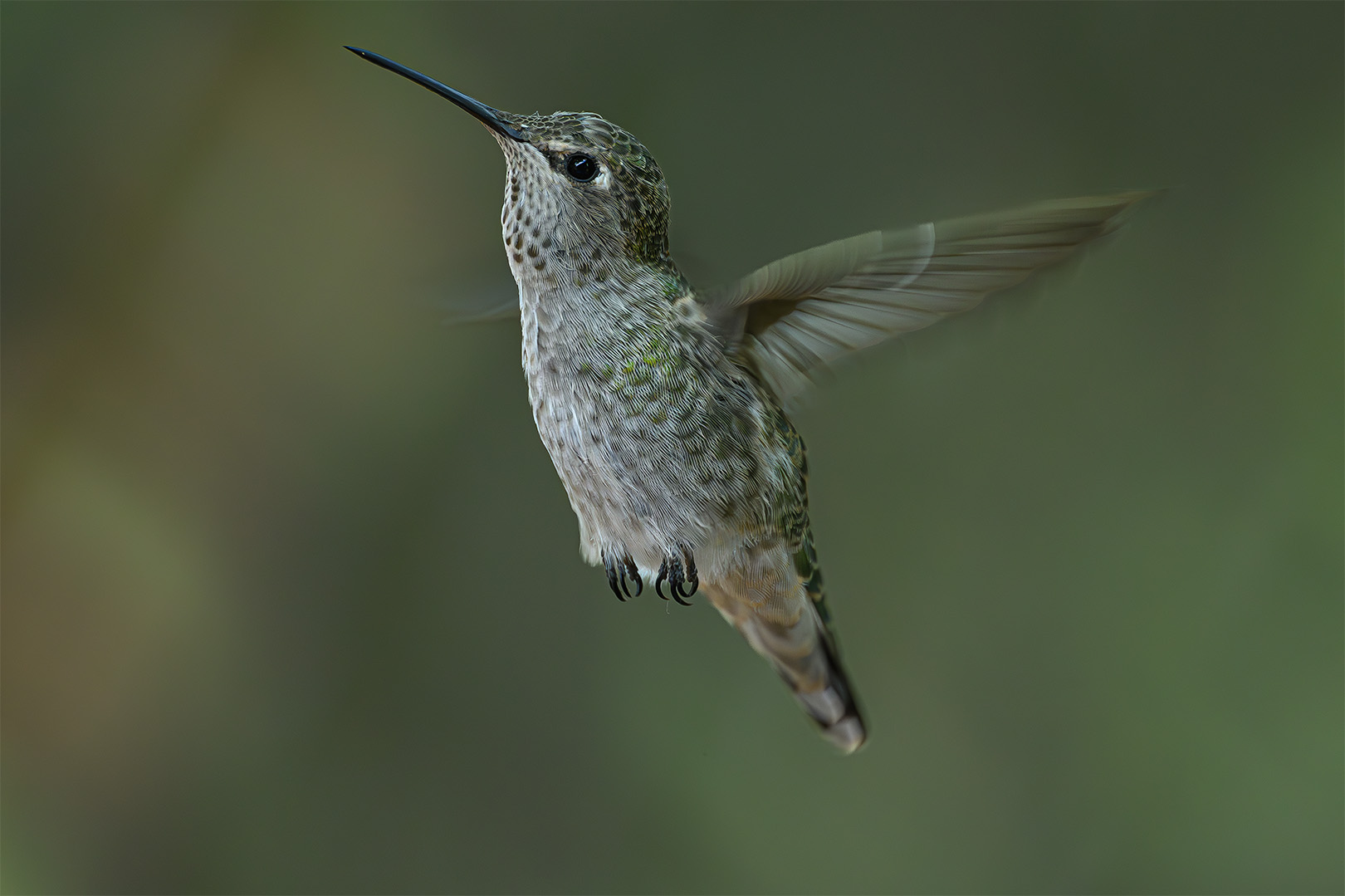
2024—Getting Acquainted

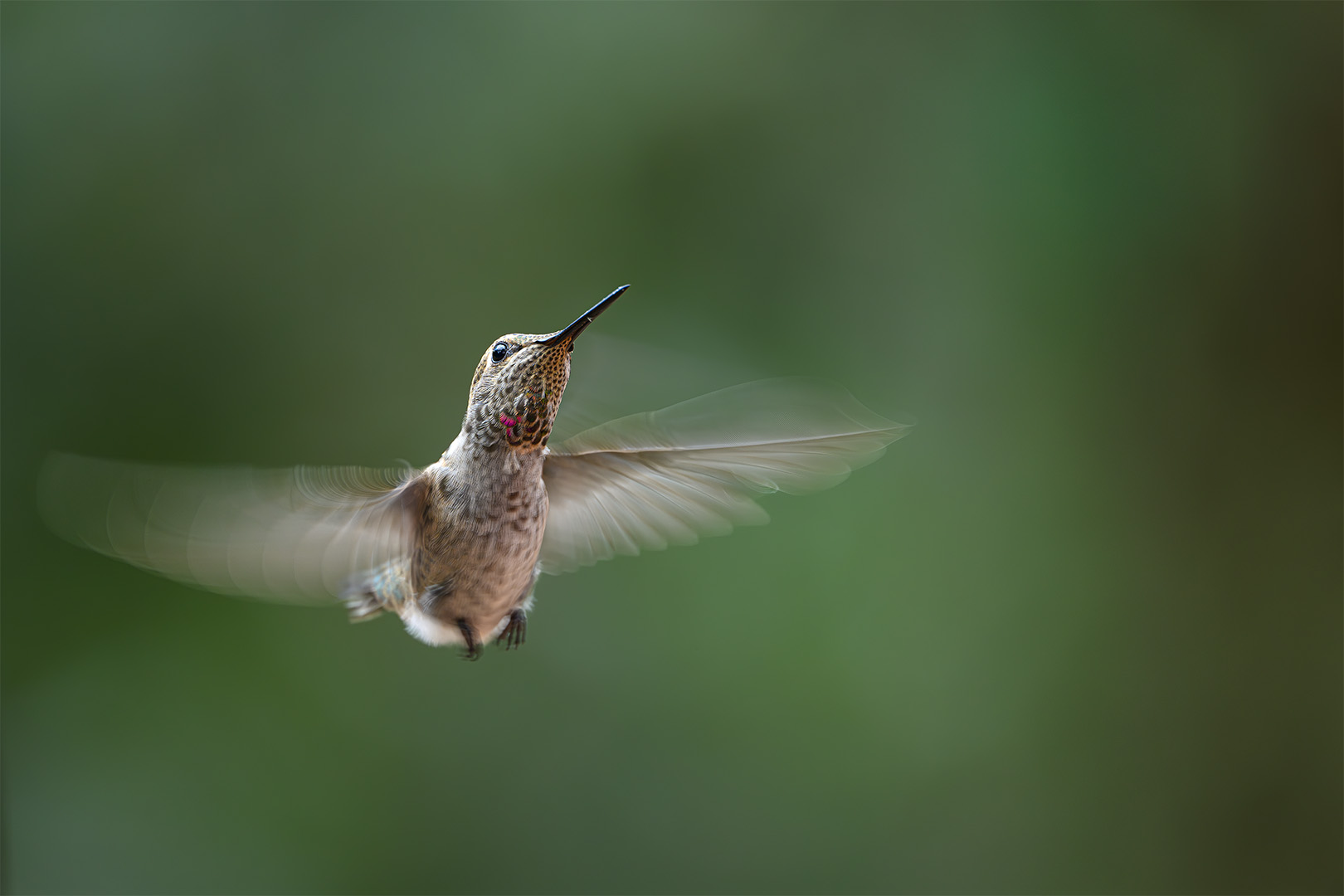
I am starting to get acquainted with the hummers in my backyard. The seemingly impenetrable heat dome that has enveloped us with 105°+ temperatures for the past few weeks has suddenly dropped to below normal for this time of year so I’m taking the opportunity to venture outside and sit while I have the chance before the weather returns to unrelenting heat. The hummers start coming to the feeders early, when the video camera in the hummingbird feeder is still recording in night vision, before 5:30AM. Yesterday morning, I watched at least two female Anna’s Hummingbirds visit each of the three feeders as well as the California Fuchsia and Salvia which are blooming in pots that I brought with me when I moved here. This Anna’s hovered above one of the feeders while another female Anna’s sat on the feeder perch below.

2024—His and Hers

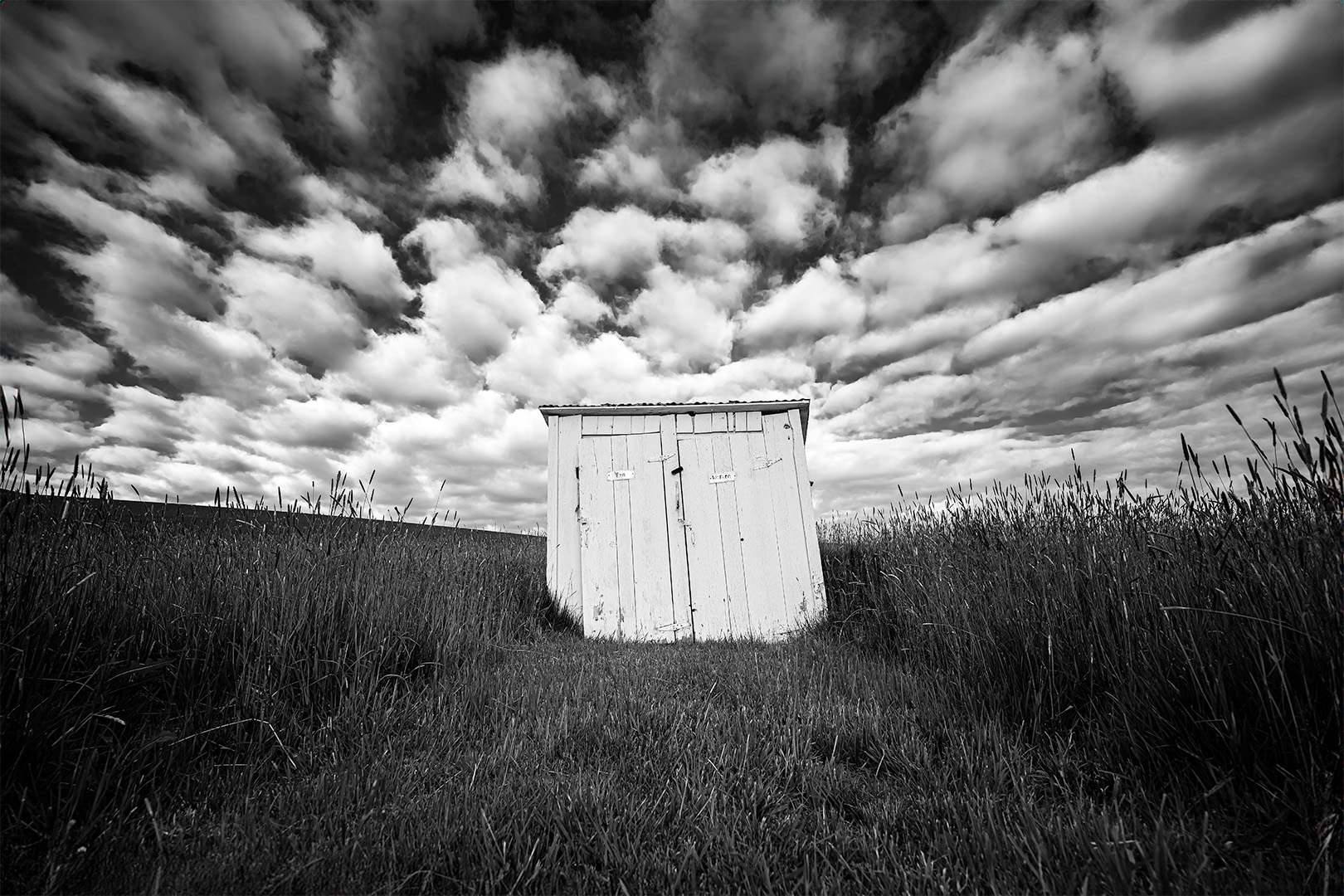
This is a dilapidated outhouse that stands behind the tiny Cordelia Lutheran Church in Genesee, Idaho in the Palouse. The church was built in 1883 to serve the Swedish Lutheran families in the area. It is still used for worship and other local events. I’m not sure when the outhouse was built or whether it is still in use. I’ve visited the church several times in my visits to the Palouse but this is the first time I photographed the outhouse. I used a wide angle lens at 14mm that emphasizes both the backwards tilt of the outhouse and the clouds surrounding it.

2024—As Exciting As Watching Paint Dry

A time-lapse shows images taken over hours and compresses the images into a single video in a much shorter time frame. It is simple to create a time-lapse video using the Nikon Z8. The Z8 assembles a specified number of images into a video when the set time expires. Think of the videos of storm clouds developing and moving across a landscape leaving their shadows on the ground. While this phenomenon occurred over hours, in a time lapse, it is shown in just a few seconds.

I’ve been fascinated by time-lapse photography since watching an episode of NOVA on PBS back in the late 70’s. It was the first time I had seen a time-lapse of a seed sprouting and emerging from soil, something that takes days compressed into mere seconds. I am practicing time-lapse and methods to power the camera for long periods for an upcoming trip. I recalled that episode of NOVA and I remember seeing the sprout nodding as it emerged. I thought I might get a similar response in a flower bud opening. The only flowers I could find at the grocery store were Alstroemeria. The results are not nearly as dramatic as I had hoped. Of course I could have used a much longer time period instead of the 6 hours I used, with one image taken every minute. The approximate 360 images it used is compressed into about 12 seconds. And the nodding movement is minimal but some of the leaves and petals do nod a bit. As it is, it’s about as exciting as watching paint dry. I’ll be seeking something else to test that offers a bit more pizzazz. Watch this space.

2024—Structure

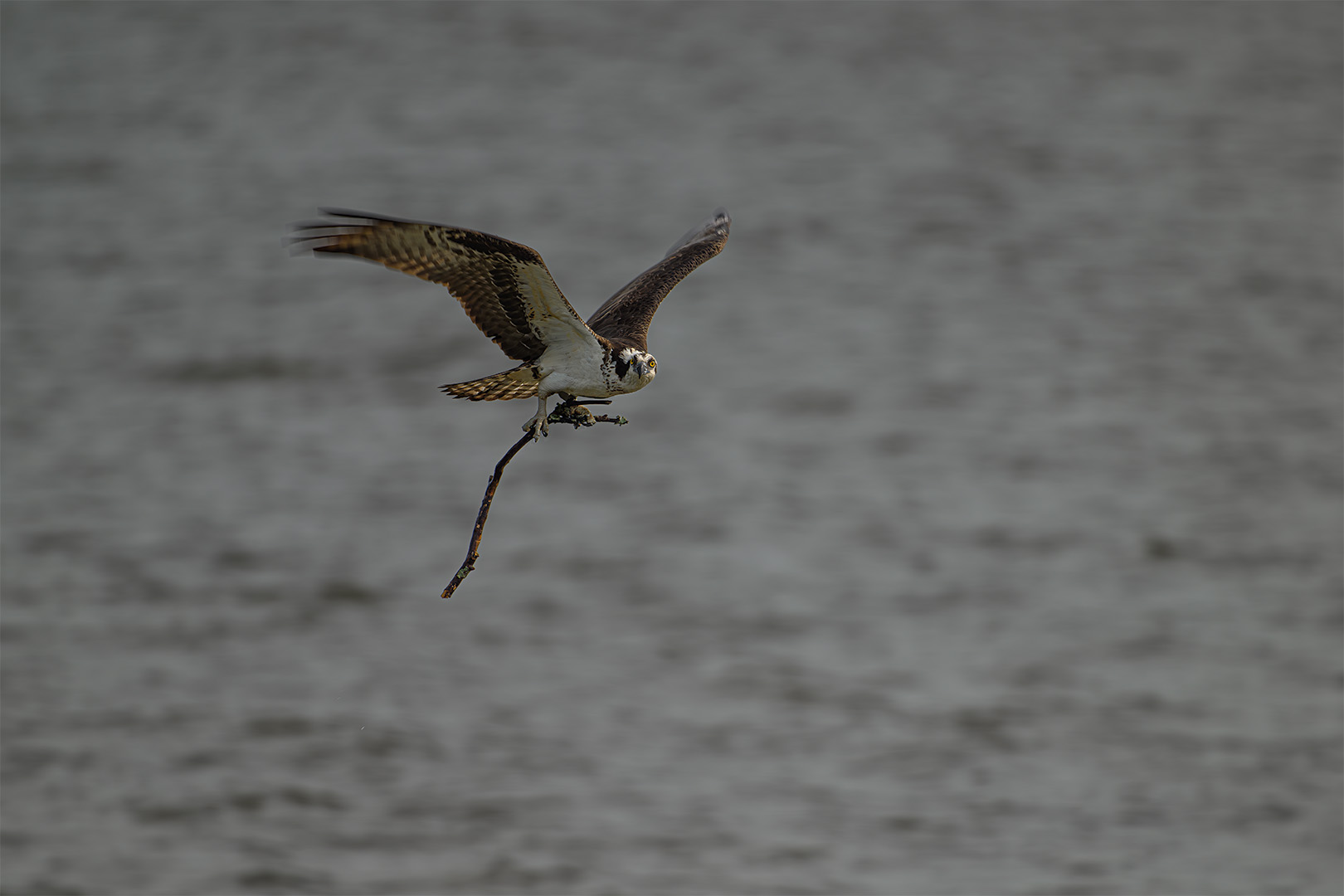
The Osprey nest on the Outer Banks of North Carolina was in constant flux. New structural pieces were being added constantly, some appreciated by one and not so by the other. I believe this is the male but I’m not 100% certain. He worked very hard at selecting pieces for the nest, sometimes being rebuffed as the female chucked his contributions into the water. The expression on his face could be one of trepidation. I honestly don’t recall the fate of this particular piece but it appears innocuous enough.

2024—Next Wingbeat

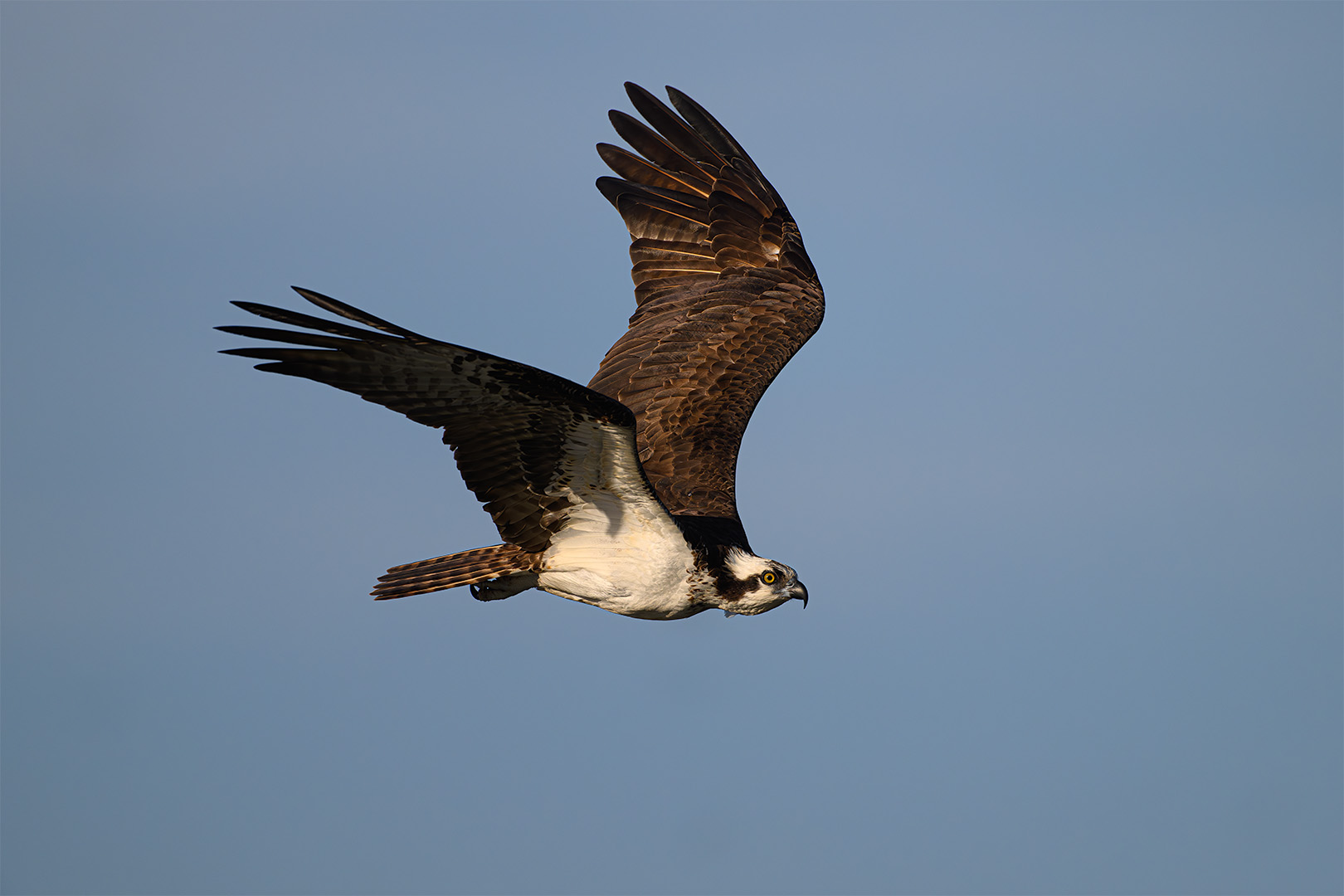
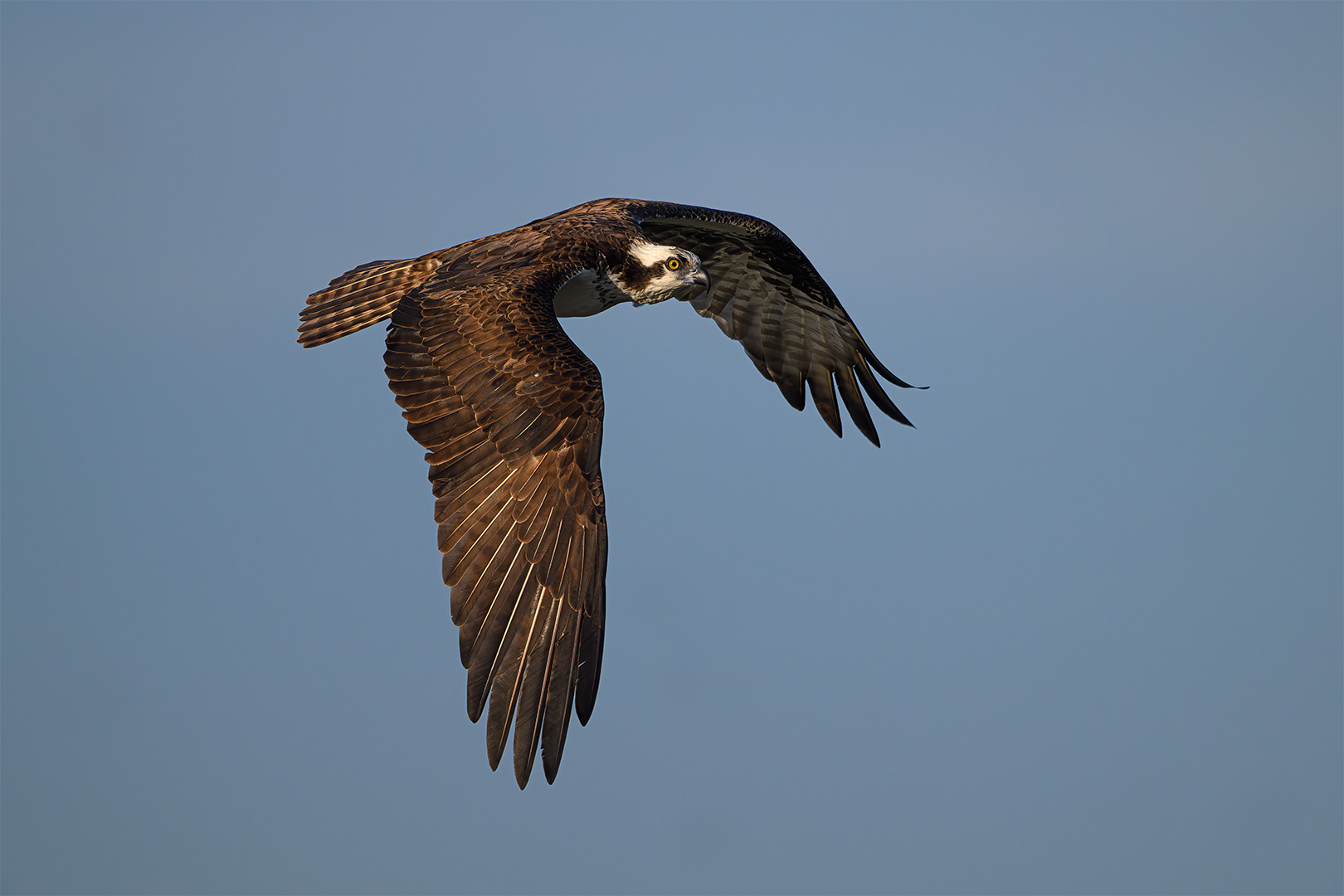
This is the wingbeat following the flight shot of the Osprey that I posted yesterday. It is the upstroke as the bird flew by us as we stood on the boardwalk practically at eye level. The Osprey shots I took at North Carolina’s Outer Banks (OBX) were the best Osprey shots I’ve taken to date. I am sort of obsessed with the Osprey pair from OBX and as I review my images from there again, I keep finding more shots I love, like this one, showing the next wingbeat.

2024—Banking in the Outer Banks

We spent a memorable few days in the Outer Banks of North Carolina last April. The trip was made memorable by a pair of Osprey building a nest on an eye-level platform just offshore of a public boardwalk in the town of Duck. The antics of this pair kept us focused on them for hours at a time. I’m sure they didn’t know their activities intrigued us but we were drawn back to watch them over and over. I was surprised at how many people passed by on the boardwalk and asked us what the birds were that we were watching. This is one of the pair having just taken off from the perch in search of either a fish for its mate or for nesting material.

2024—That Look

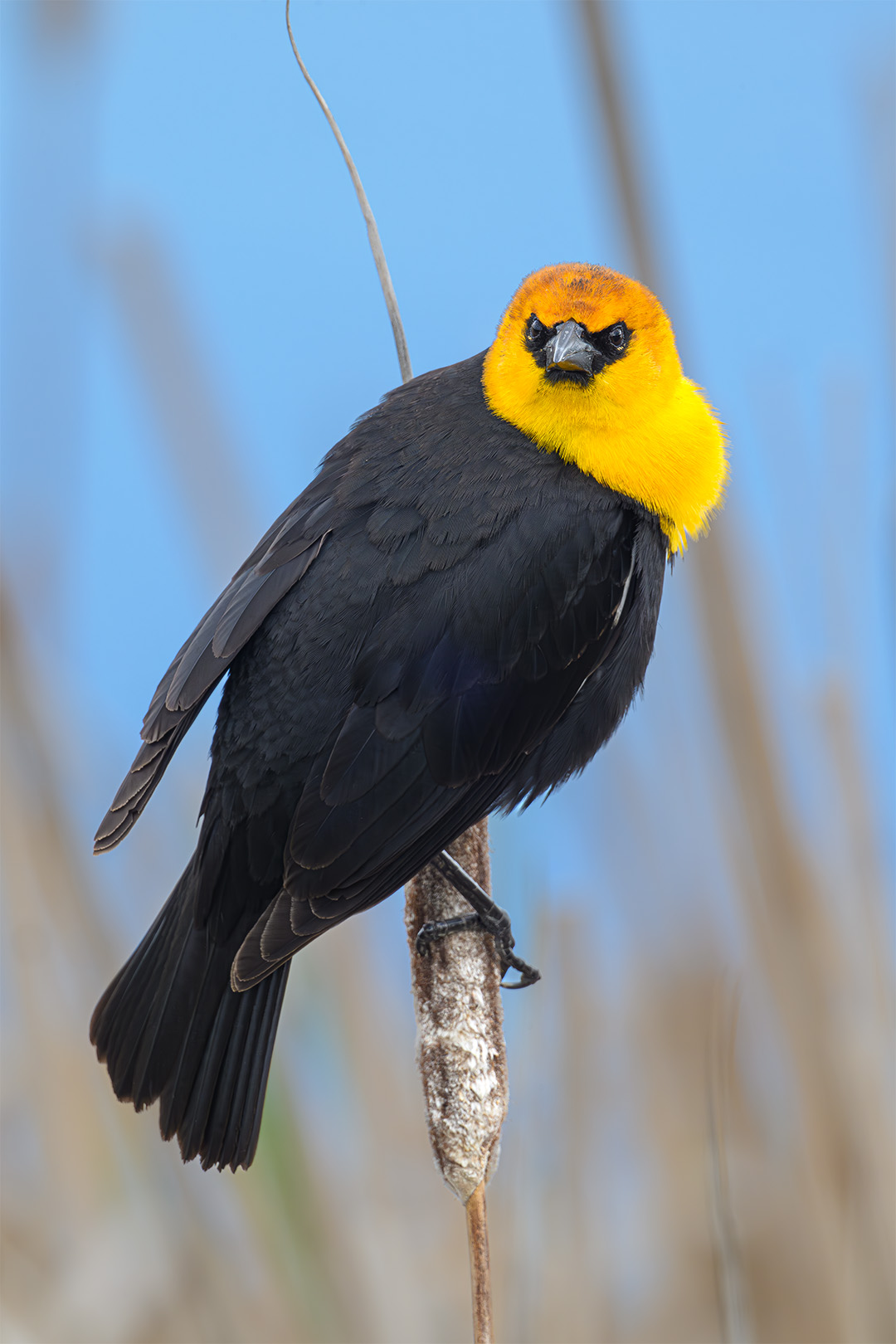
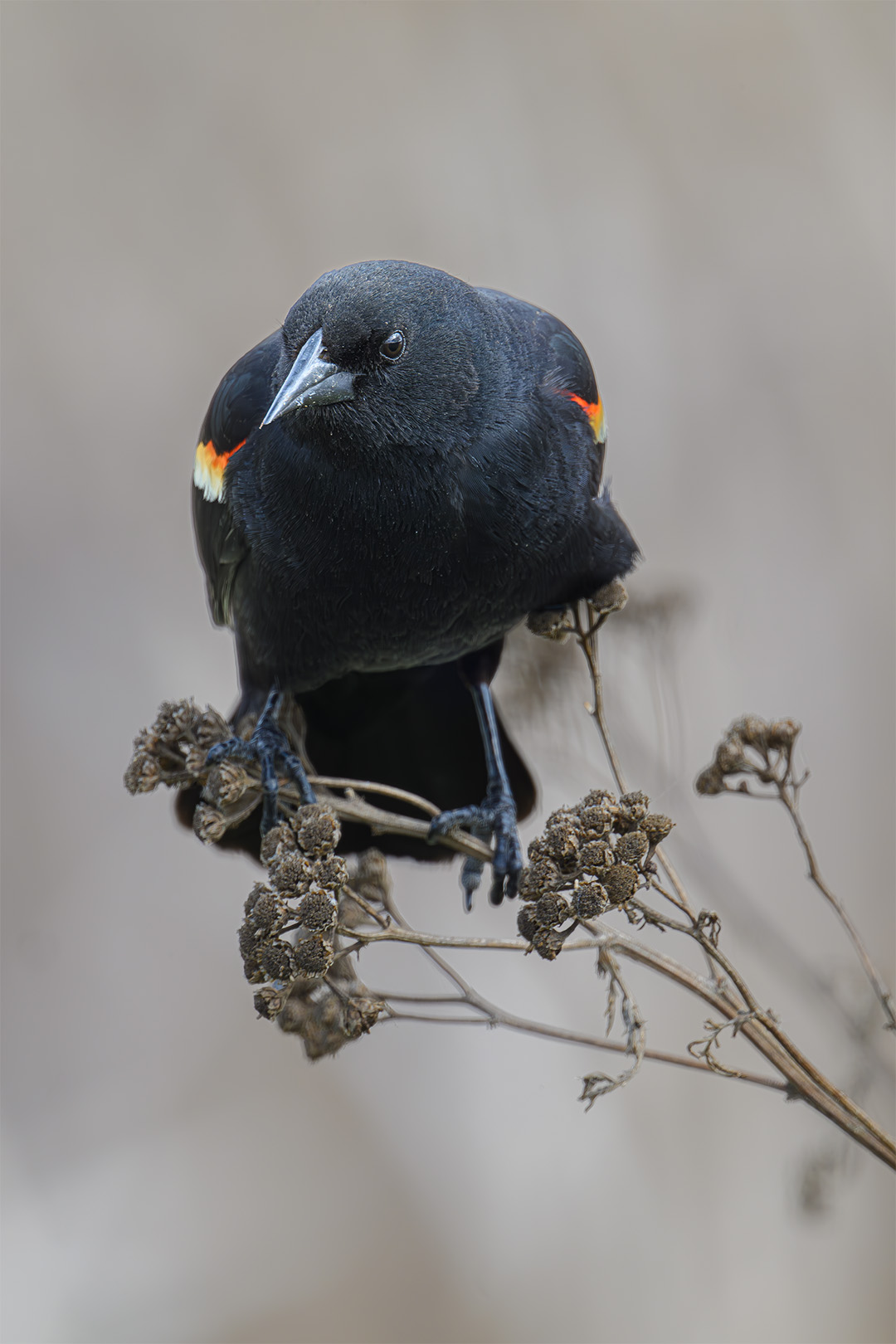
I developed a new appreciation for blackbirds when I spent several days with both Red-winged and Yellow-headed Blackbirds at Lee Metcalf National Wildlife Refuge in Montana this past May in the midst of mating season. The Yellow-headed Blackbird stands out a little more because of his bright yellow head. But it’s the attitude that really endeared me to both. Feisty and vocal, they stand out from other blackbirds. And then there’s The Look. Oh my. Somehow they express volumes in that look. Can’t wait to have another opportunity to photograph them in Springtime.

2024—Dabbling Duck

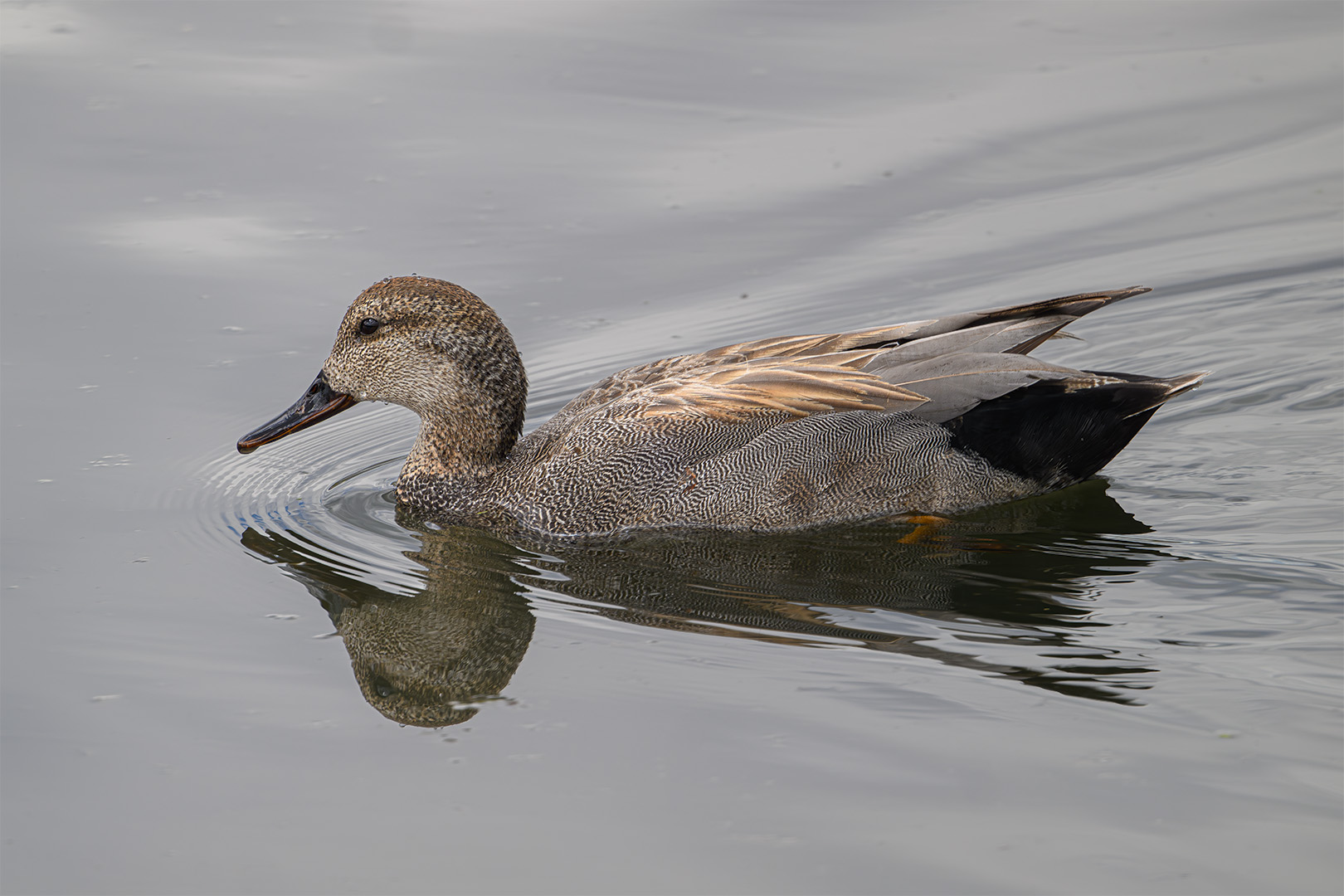
I love the alliteration of the phrase “dabbling duck.” To me it has an idyllic and serene connotation. When I saw this Gadwall at Lee Metcalf National Wildlife Refuge in Montana, that phrase came to my mind. The pond was glassy so only a few ripples from the duck’s forward movement break the calm. The Gadwall had recently dabbled, as evidenced by the water droplets on its head. Dabbling ducks slowly paddle around and dip their heads under water to feed, their feathered butts sticking straight up out of the water, seemingly not a care in the world. Dabble on, duck.

2024—Yellow-bellied?

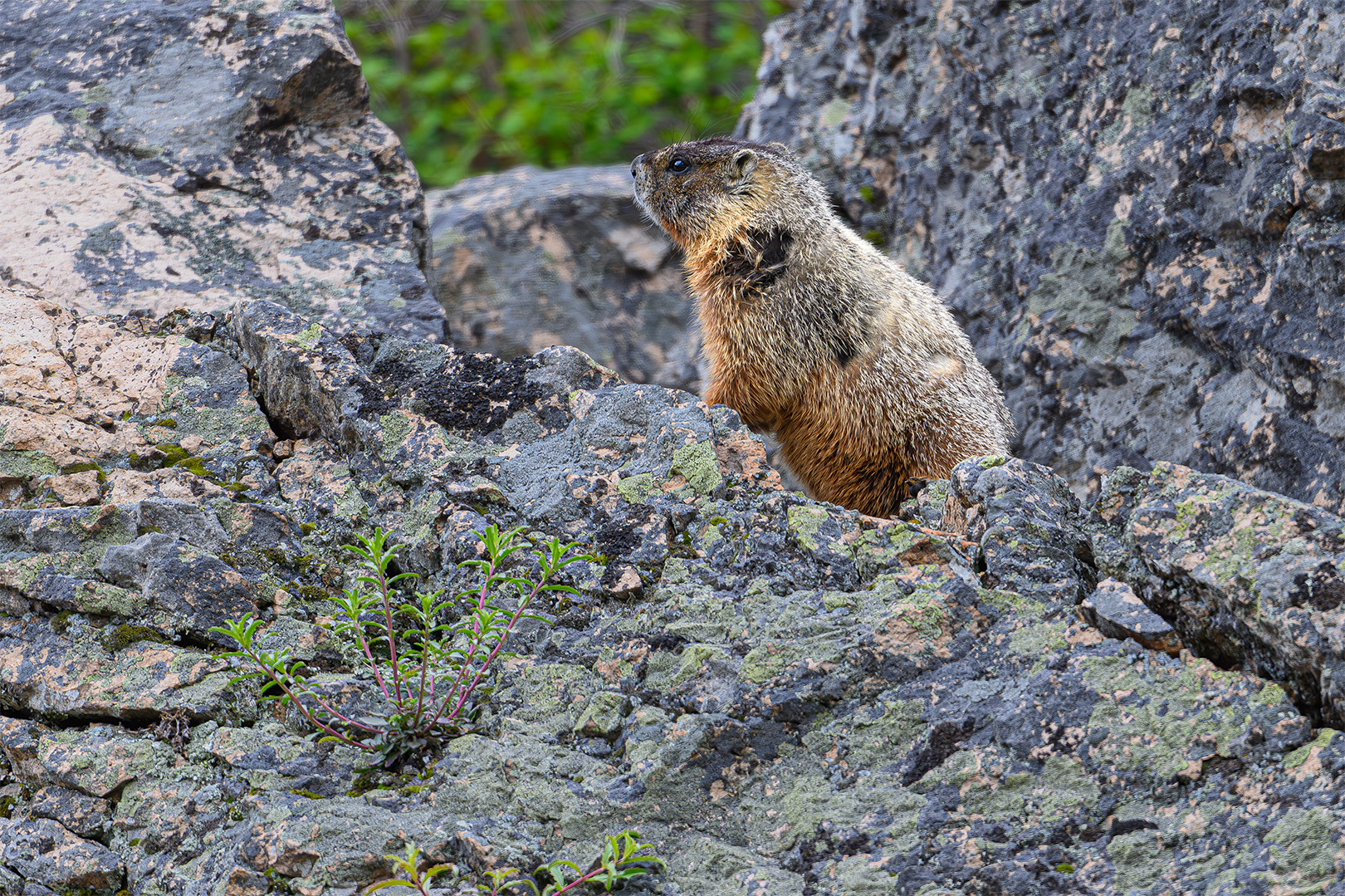
Who knew there were so many Yellow-bellied critters? I don’t know how many total there might be but I do know there’s at least three, one yellow-bellied bird, one yellow-bellied reptile, and one yellow-bellied mammal. This is the Yellow-bellied Marmot, a mammal. Although I never actually saw its yellow belly, so I’ll just have to assume he has one. I had never photographed a Yellow-bellied Marmot before seeing this one and few members of its colony this past May in Montana as they grazed on vegetation just off the road.

I’ve neglected my blog in the last couple of weeks because I was working on a photography related project but that project gave me the opportunity to review images and discover inadvertently buried treasures like this one.

2024—A Hummer at Home

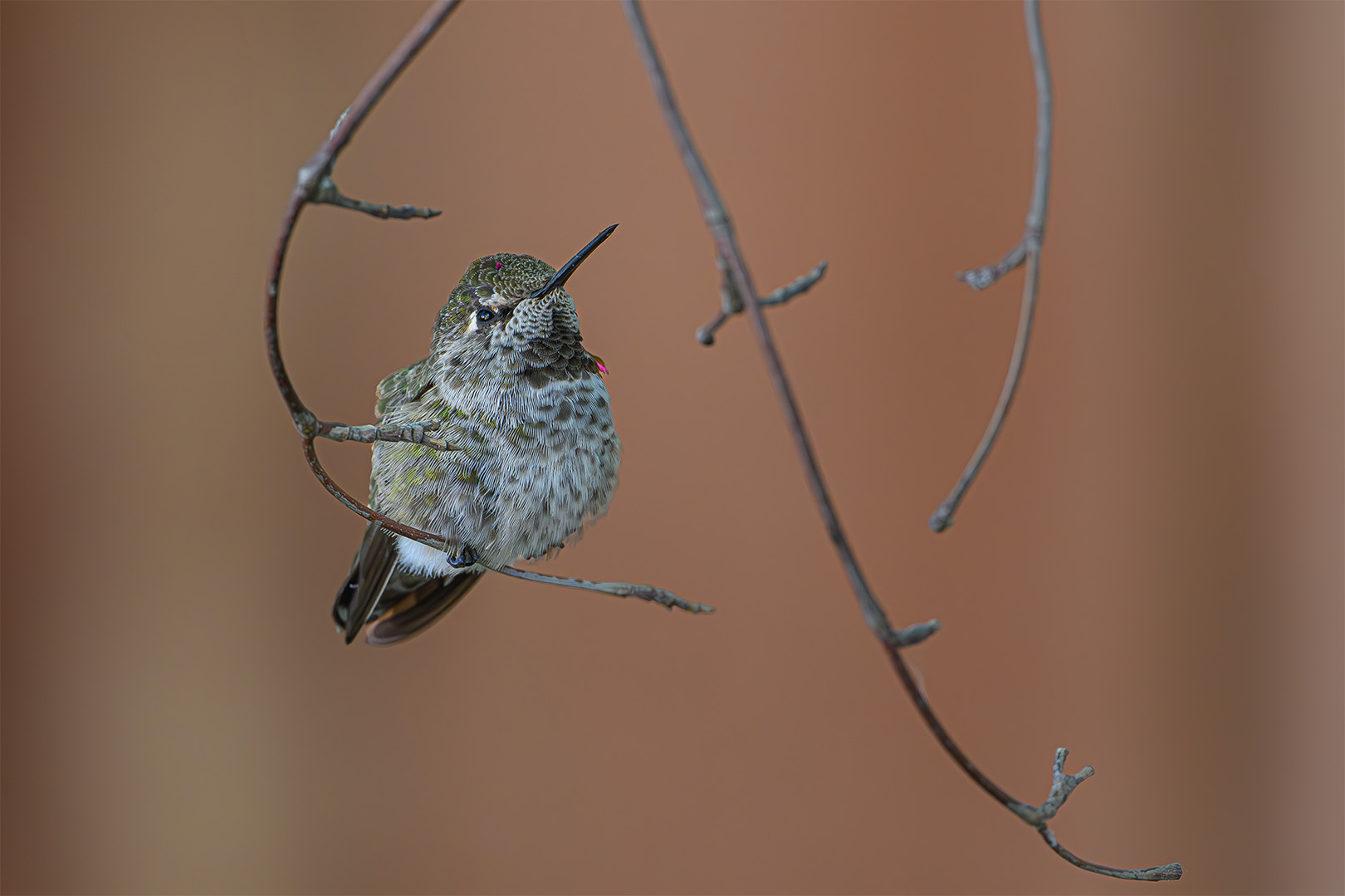
A friend once told me she knew when I was home because I always posted a photograph of a hummingbird when I was home. That really doesn’t hold true anymore since I now post photographs of hummingbirds from my travels away from home. But I am thrilled to post this Anna’s Hummingbird, who was resting on his observation post near a feeder in my backyard, both nodding off and watching me at the same time. It’s my first photograph of an Anna’s (or any Hummingbird) in my new (coming up on a year!) backyard, taken yesterday morning. I had just refilled the feeders. With our record-breaking heat wave, I’m glad that two of the feeders (including the one watched over by this Anna’s) are in full shade all day. The background is one section of my brand new redwood fence, scheduled to be painted next week in an HOA-required Sherwin Williams paint color called Sanderling.

2024—And the Race Is On

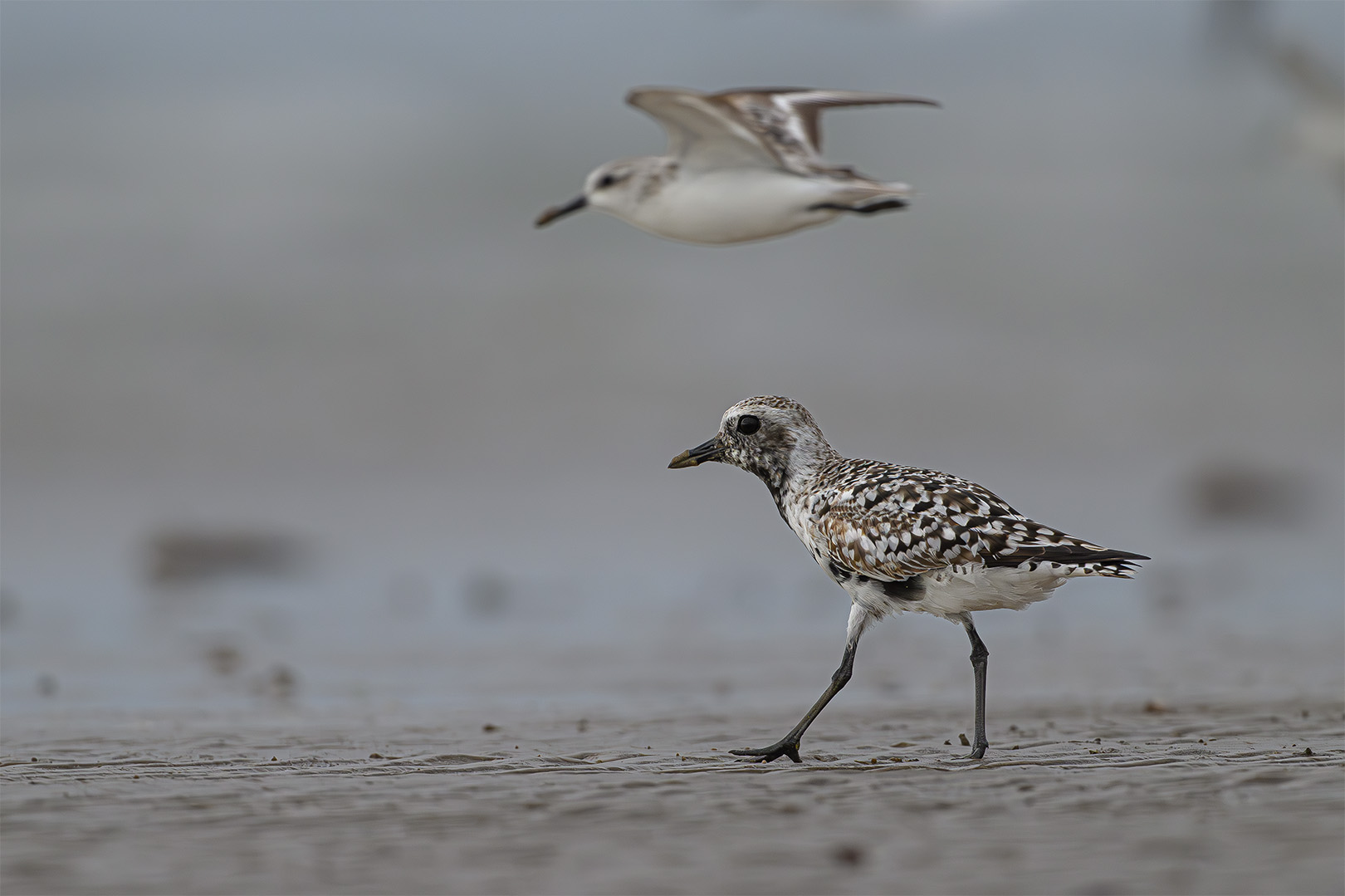
An American Golden Plover looks a bit concerned as a Sanderling flies over its head. When I saw this image, I couldn’t help but think that the Plover was trying to decide whether to kick it into high gear and race off to compete with the Sanderling. I took this on our first day of Beach Panning on Bolivar Flats, Texas this past April.

2024—The Feisty One

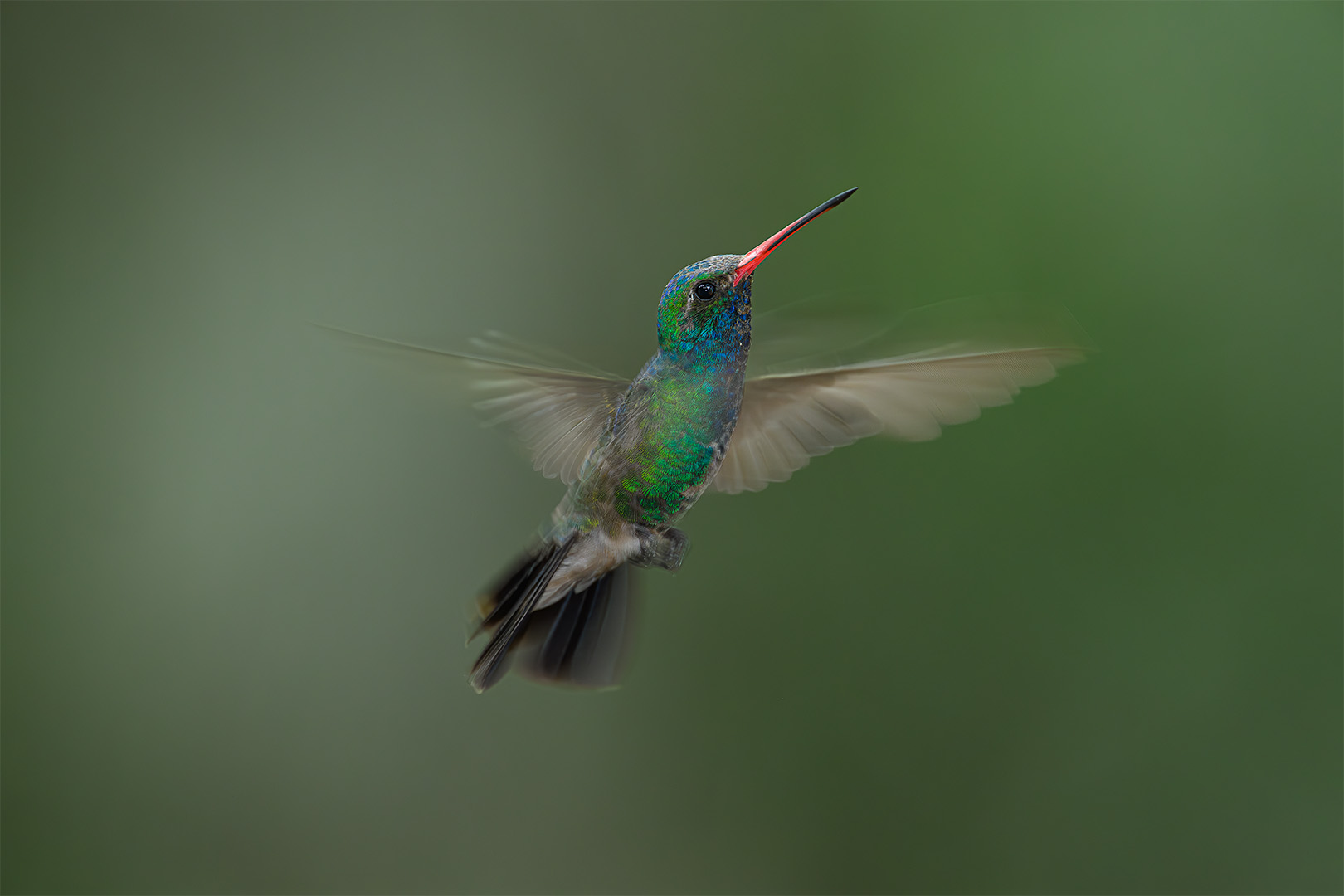
One afternoon at Madera Canyon, after we’d shot for a few hours in the morning and eaten breakfast, I sat on the tiny deck off the back door of my cabin with my 600mm lens in my lap. The hummers were mostly taking a break and the feeders, which were just outside my cabin, were devoid of birds. I noticed movement in a bush on the edge of the canyon and saw this immature Anna’s Hummingbird perched deep in the leafy shrub. Earlier, we had watched as he took charge of the feeders and forced every bird off of the feeders one by one, then started over again as the other hummers, mostly Broad-billed Hummers, returned to feed. I’d never seen anything quite like it. The Anna’s I’m familiar with are quite territorial but this behavior was over the top. This feisty one took it upon himself to wreak general havoc. Later that afternoon, while I watched him in the shrub, a male Broad-billed discovered the Anna’s and spent a few minutes harassing him, jabbing at him with his beak. The Anna’s held his ground but he seemed a little uncomfortable afterward and kept an eye out when the Broad-billed flew off. After the Broad-billed encounter, the Anna’s investigated the feeders and eyed me with interest. And, although later, the Anna’s returned to the feeders while other birds were there, he was never quite as aggressive as that first time.

2024—An American Icon

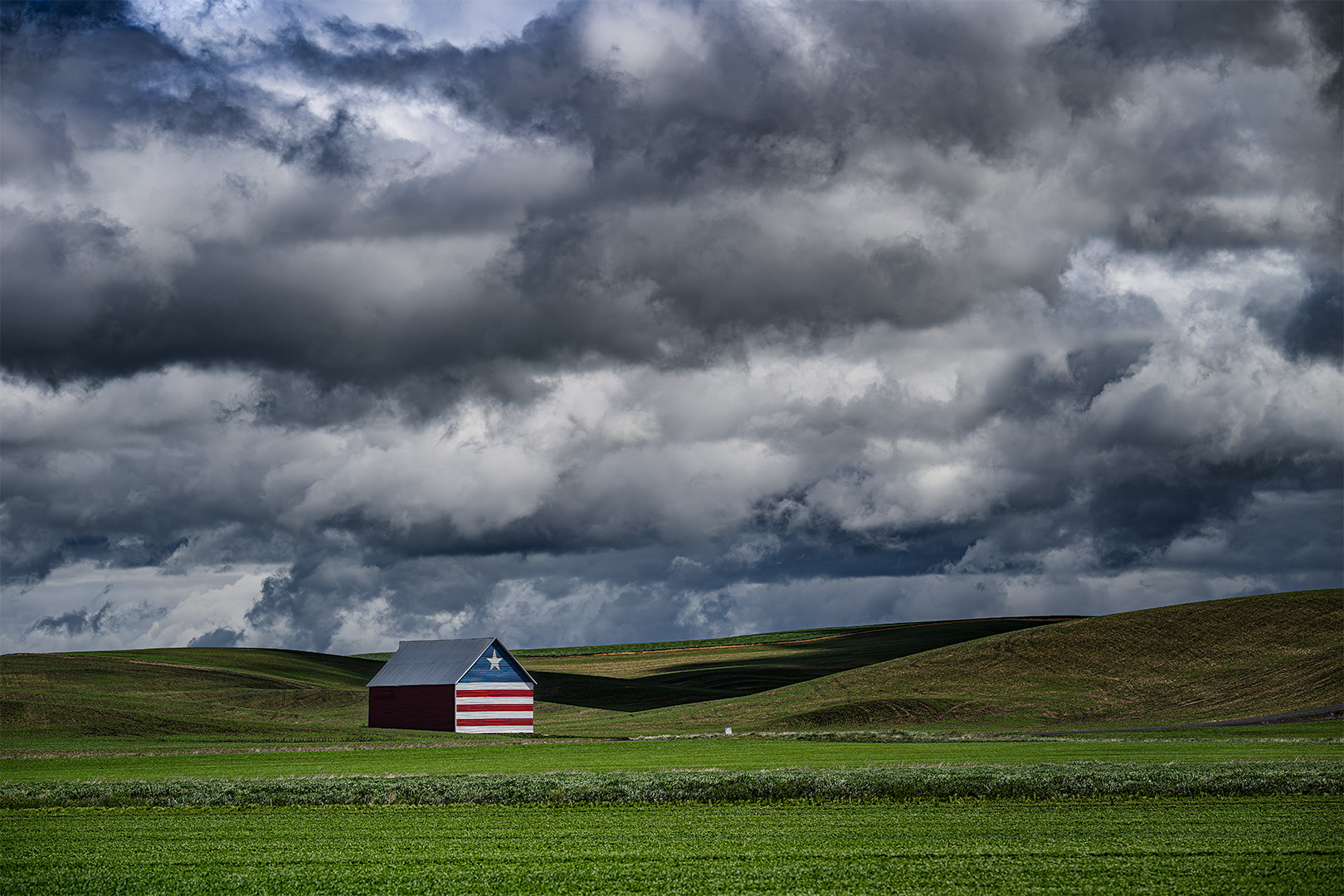
The Bald Eagle, our national symbol, is an American icon. The eagle first appeared on the Great Seal in 1782 after a years long effort to create the official seal of the newly independent nation. After three failed attempts by committees, that included such notaries as Thomas Jefferson, John Adams, and Benjamin Franklin, to create an acceptable seal for the nation, it took a single man, one Charles Thomson, the Secretary of Congress, to finally design the seal we know today, using elements from previous suggestions by the committees. Happy Independence Day!

2024—Still Magnificently Wonderful

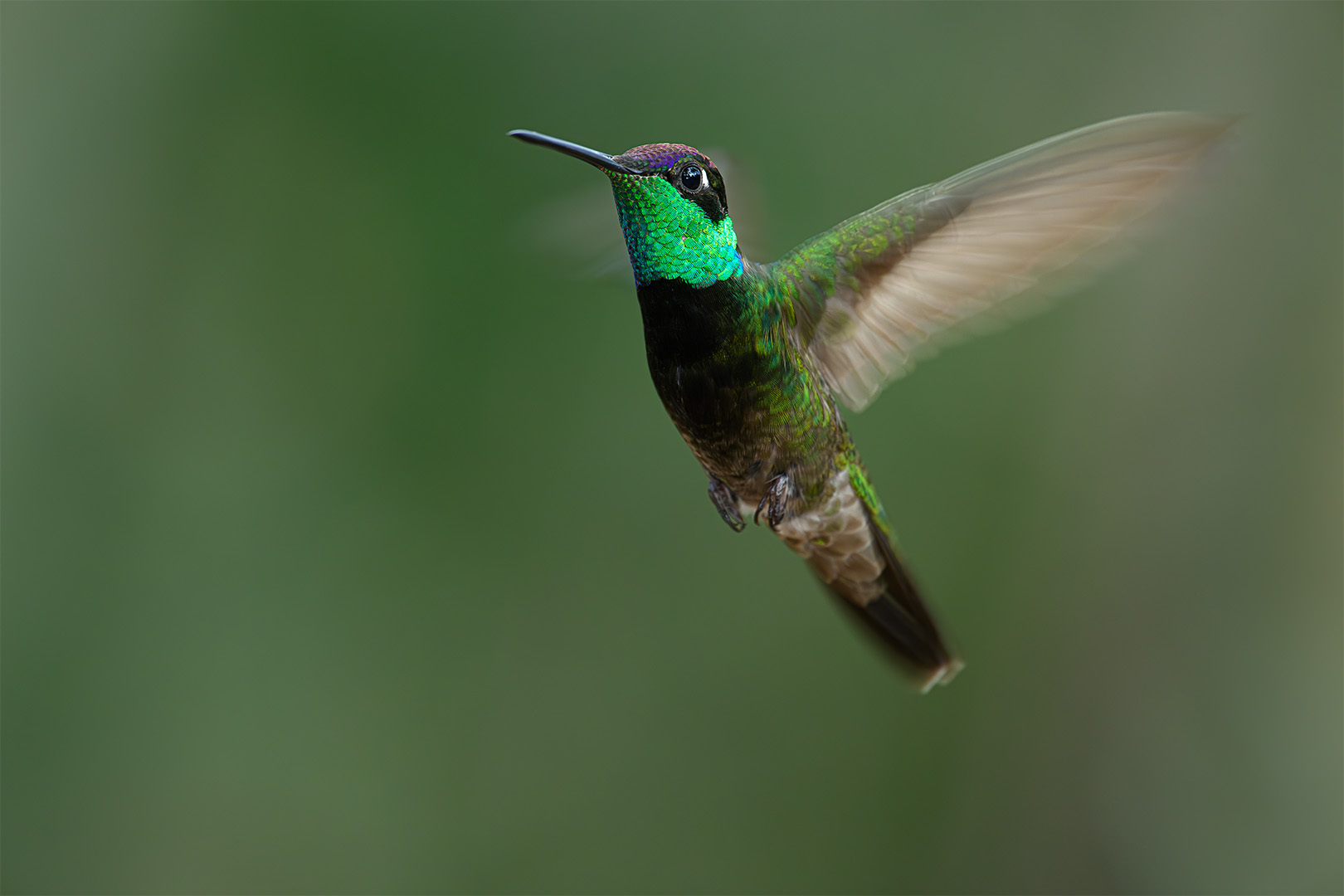
This is Mr. Wonderful. That’s what we called him when I saw him for the first time in Madera Canyon 7 years ago. I was awestruck both by his large size for a hummingbird (almost 6 inches) and his gorgeous coloring. At the time, the Rivoli’s Hummingbird was known as the Magnificent Hummingbird and I think Magnificent it should still be. I’m still not convinced they did anyone any favors changing the name. What else could you call this gorgeous hummingbird but Magnificent? To me, he is still magnificently wonderful.