2016—Fallen Leaf With Raindrops

It’s been a while since I’ve found something irresistible to photograph in the parking lot at my gym…and I have to confess this is not because of a lack photo ops there but because of my recent ennui regarding my commitment to the gym which has resulted in my failure to even go to the gym.  So, I’m back, fully committed to the gym again and as my reward, I guess, as I left the gym,  this raindrop laden leaf on the asphalt behind my car caught my eye.  The tiny gravel in the asphalt was distracting to me so I added a vignette to darken it a little bit.

fallen leaf with rain drops2.jpg

2016—Gray Skies

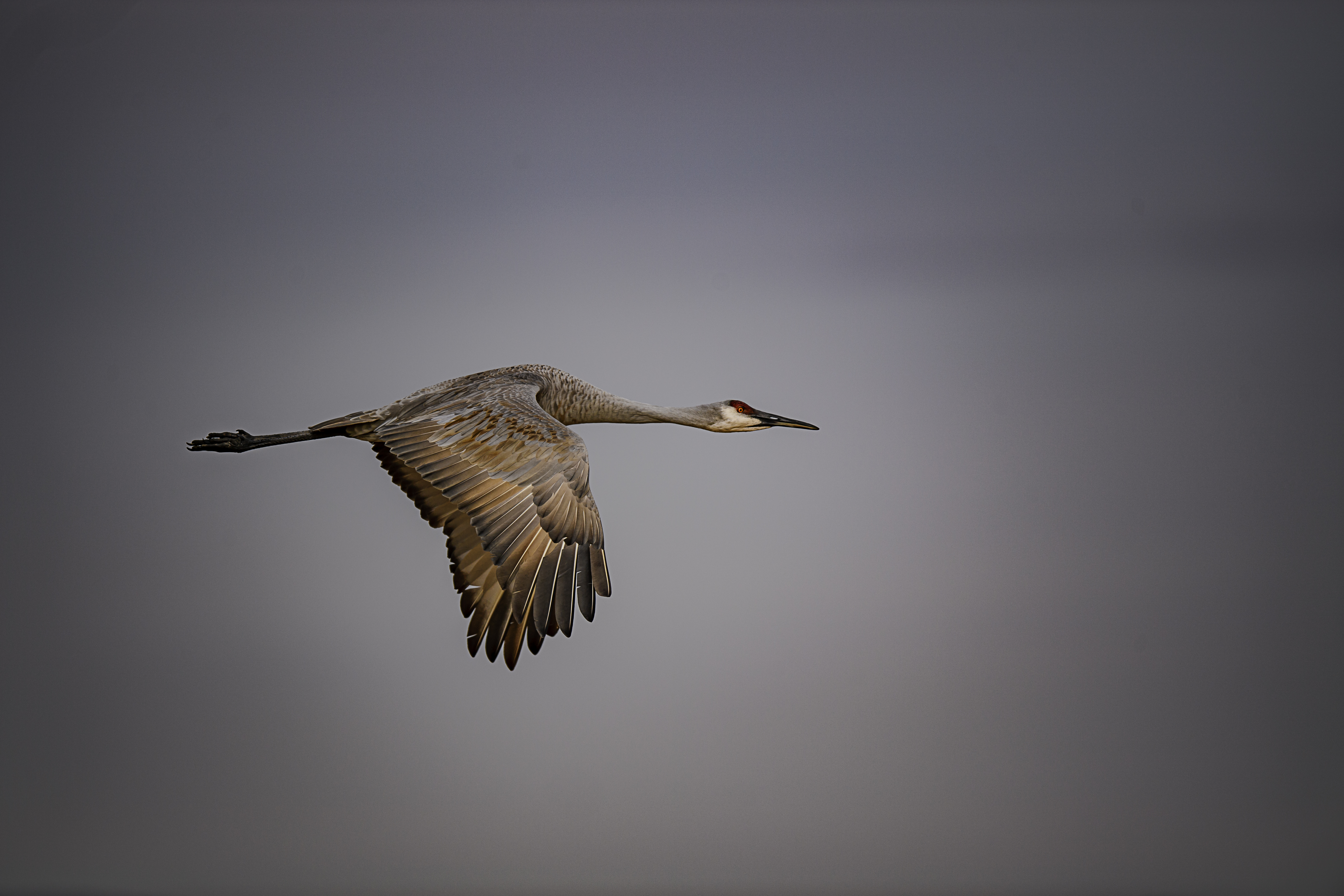
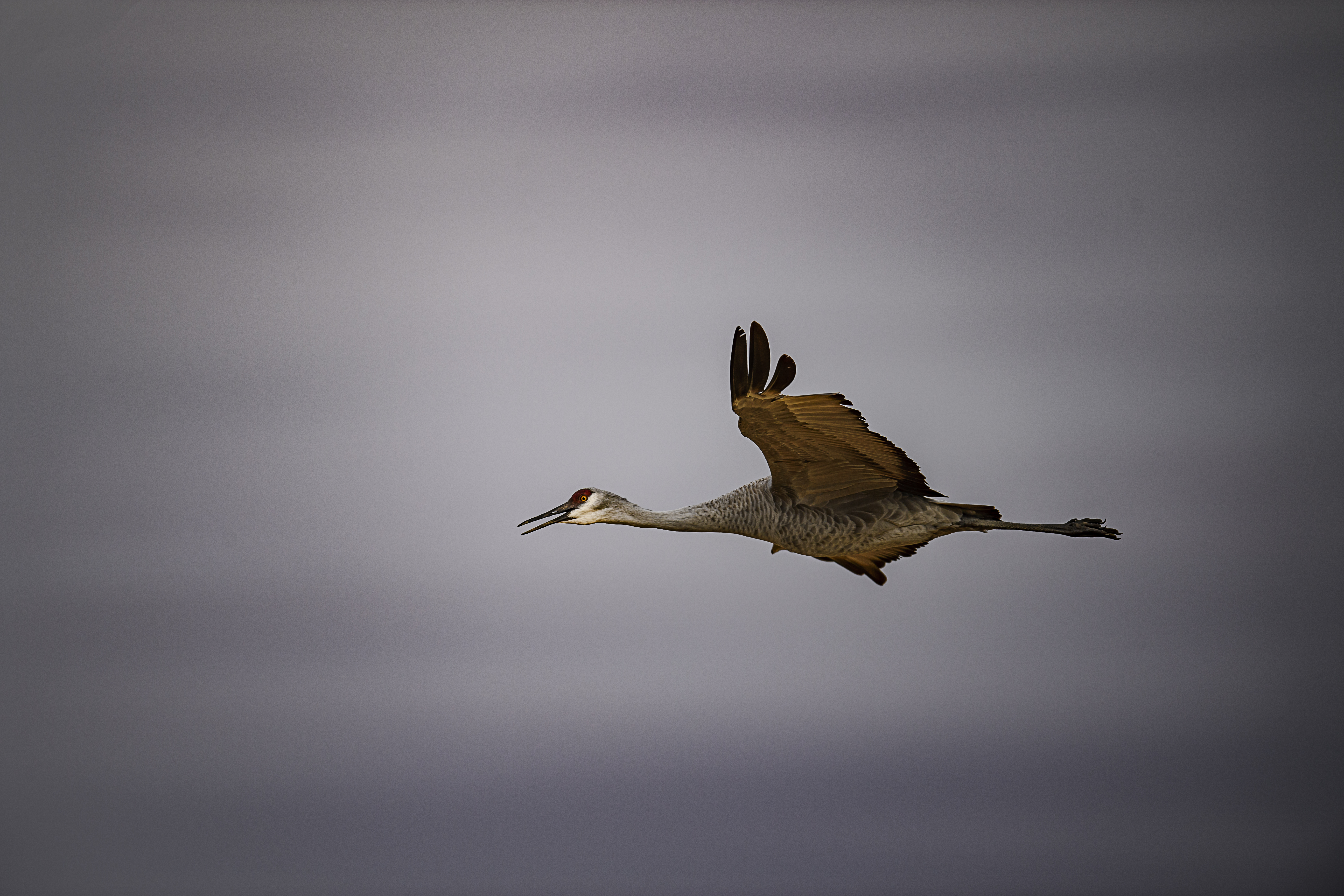
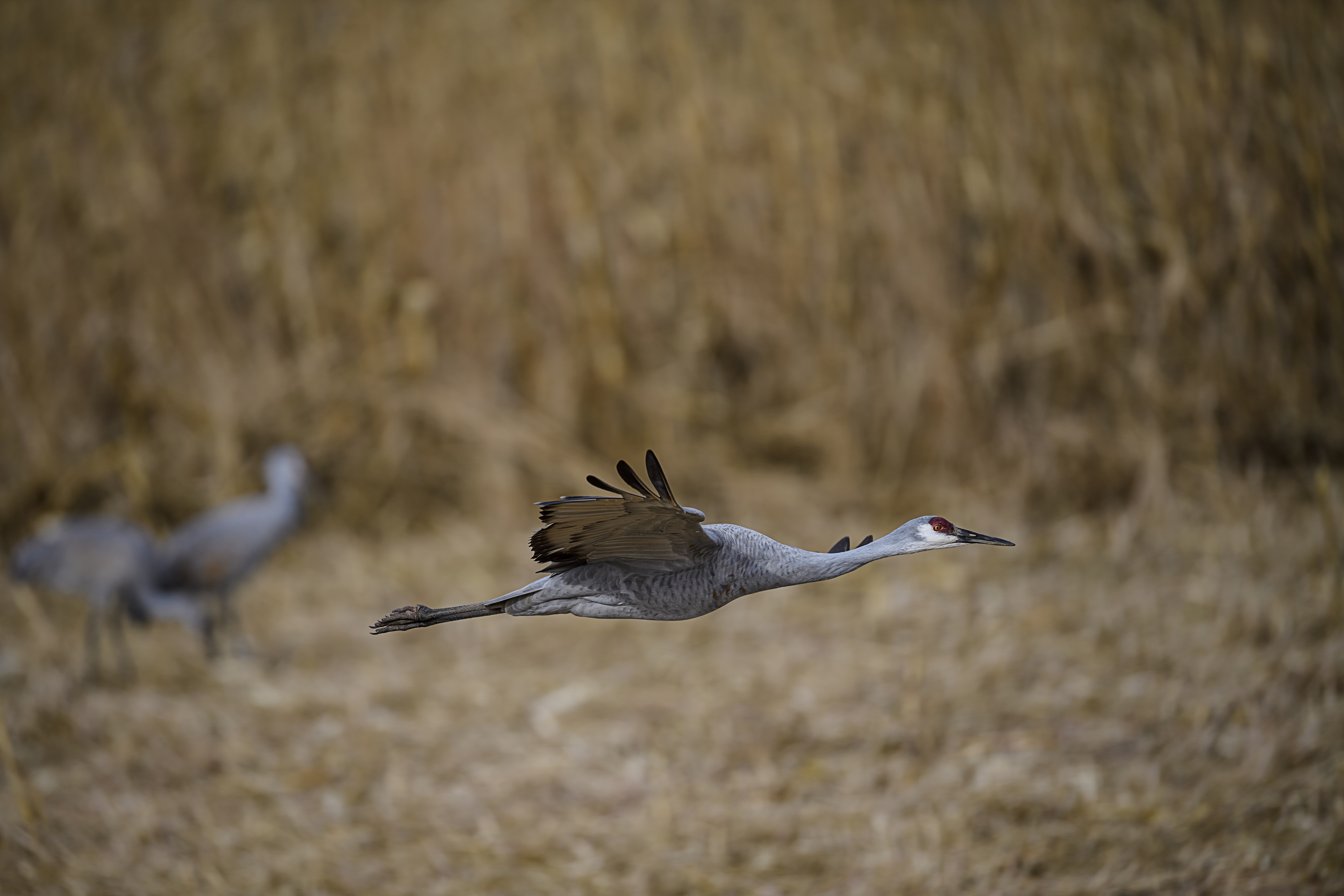
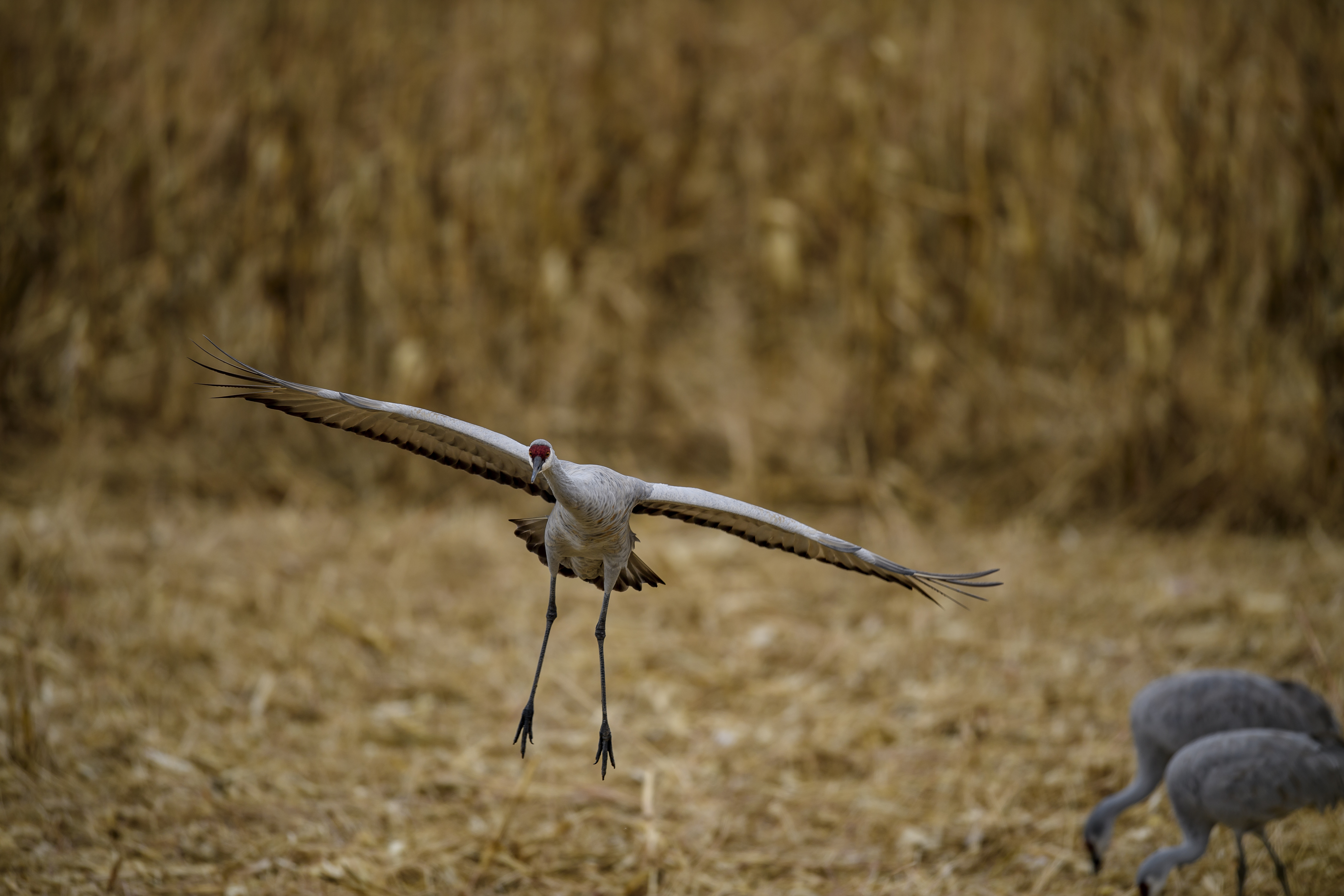
I have learned that in wildlife photography, gray skies are not good backgrounds and are to be avoided.  Blue skies, blue skies with clouds, red skies, any kind of cloudy sky are all acceptable as background skies but a dull, overcast, colorless gray sky with a bird flying across it is dreadful.   The weather changed constantly while we were at Bosque del Apache; we had  winds and clouds and the threat of rain and clear skies and at times, the colorless gray lifeless sky.   I found  that in a couple of otherwise good shots the gray background was a killer until  I managed to coax a bit of interest in the sky using the Dehaze filter.

flying-crane-3flying-crane

2016— Nictatating Membrane

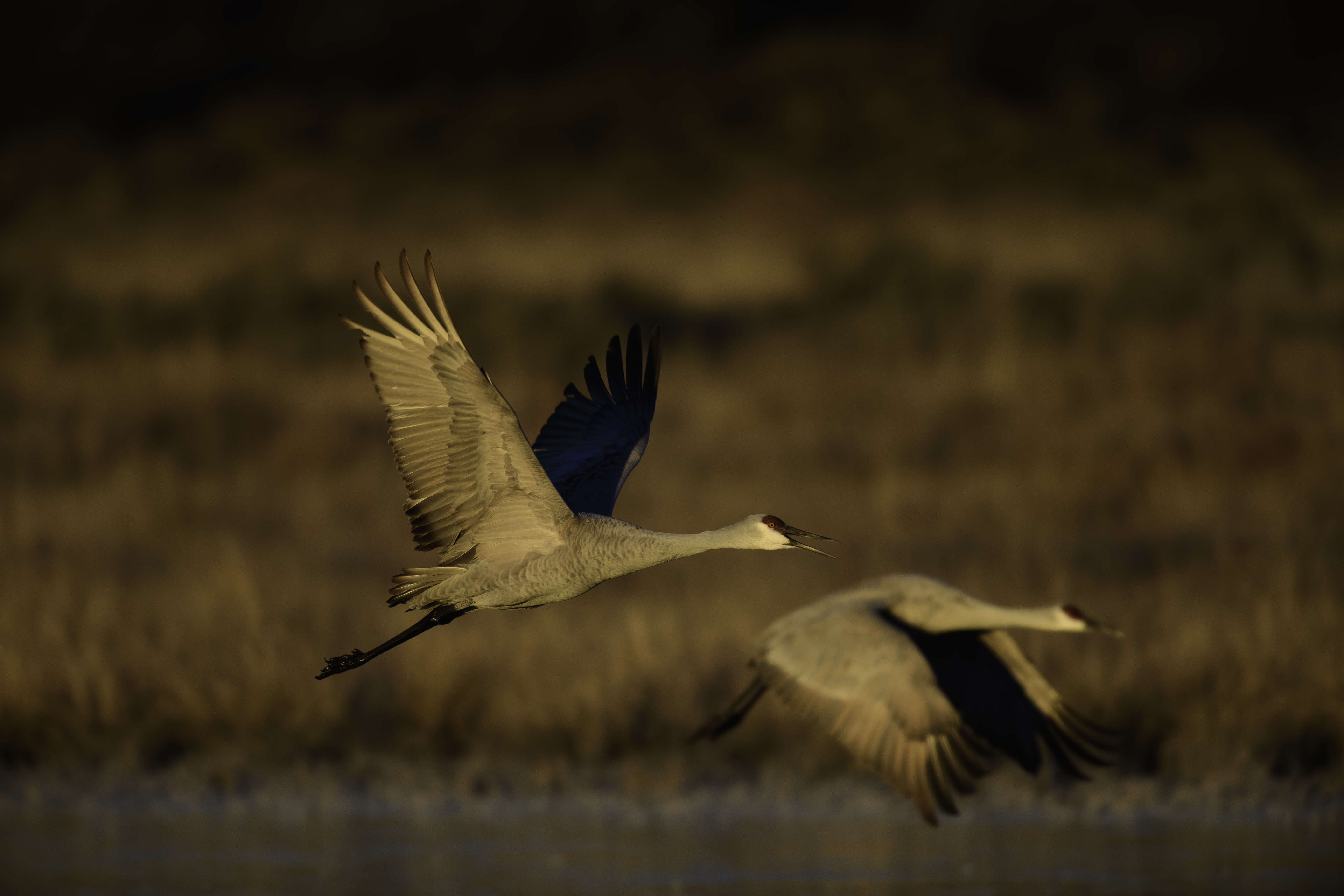
The more bird photographs I take, especially using the 12 frames per second shutter on my Nikon D5, the more  nictatating membranes I see on the eyes of birds I photograph.  Nictatating membranes are like a third eyelid that is somewhat transparent and moves across the bird’s eye quickly.   I noticed that many of the sandhill crane photographs I got lacked sparkle in the eye until  I realized the membrane was covering the eye.  In this photograph, the membrane is only partially covering the eye making it more visible. 

nictitating eye crane.jpg

nictating-membrane-closeup

2016—Home With Homer

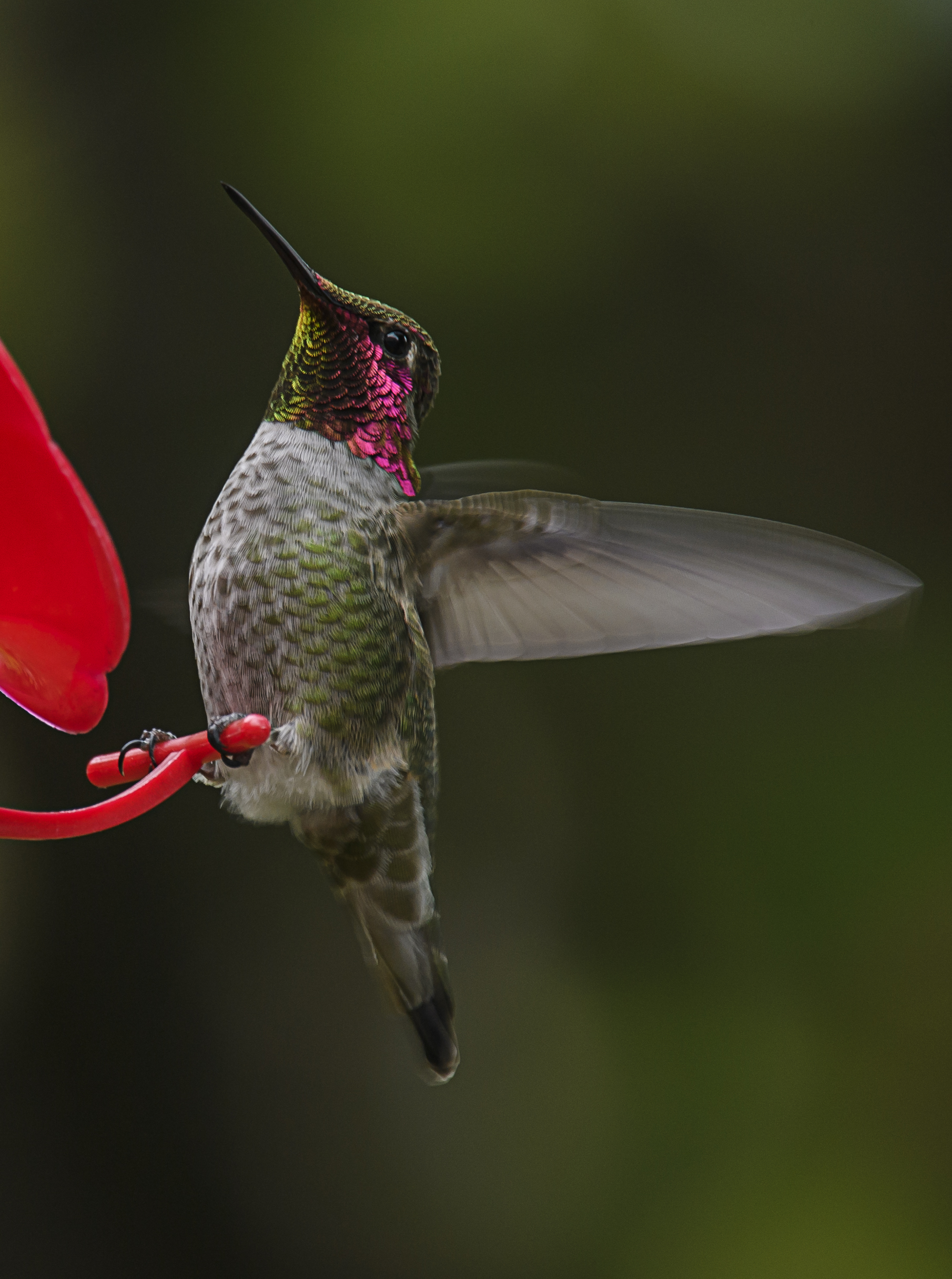
When I sat outside on the patio in the cool, overcast Sunday afternoon, I could hear Homer objecting to my presence in his yard but he quickly came around and spent quite a bit of time hovering on the far side of the Pineapple Sage hidden from my camera lens.  He finally approached one of the feeders but instead of hovering he settled on the perch and didn’t let go so all my shots included parts of the feeder.

Home with Homer.jpg

2016—E.T. Call Home

In a remote area of the high desert, about 50 miles west of Socorro, NM where we stayed during our photographic experience at Bosque del Apache, a U.S. Government facility called the Very Large Array (I love this name!) sprawls across the landscape.  The VLA is an astronomical radio observatory comprised of 27 huge (80 feet in diameter) radio telescopes on railroad tracks that stretch out in a Y formation.   The data from the antennas is combined electronically to give the resolution of an antenna 22 miles in diameter.

Of course everyone in our little group was very excited about seeing the facility…except me.  I was clueless because I’d never seen the movie “Contact” starring Jodie Foster.  The VLA is prominently featured in that 1997 movie which I have now watched (it’s pretty good, by the way) although the facility is not actually used in the Search for Extra Terrestrial Intelligence (SETI).  Click here for more information about the VLA.

After we wandered around and took photographs of the telescopes that are behind No Trespassing signs, Moose set up his 800mm lens and let me attach my camera so I could get a compressed view of the telescopes.  They were so far apart that we could only see a few of the scopes in the compressed view.  And, there is some heat shimmer (from the motors in the telescopes?) that blurred the image.

ET call home.jpg


2016—Cold Morning On The Pond

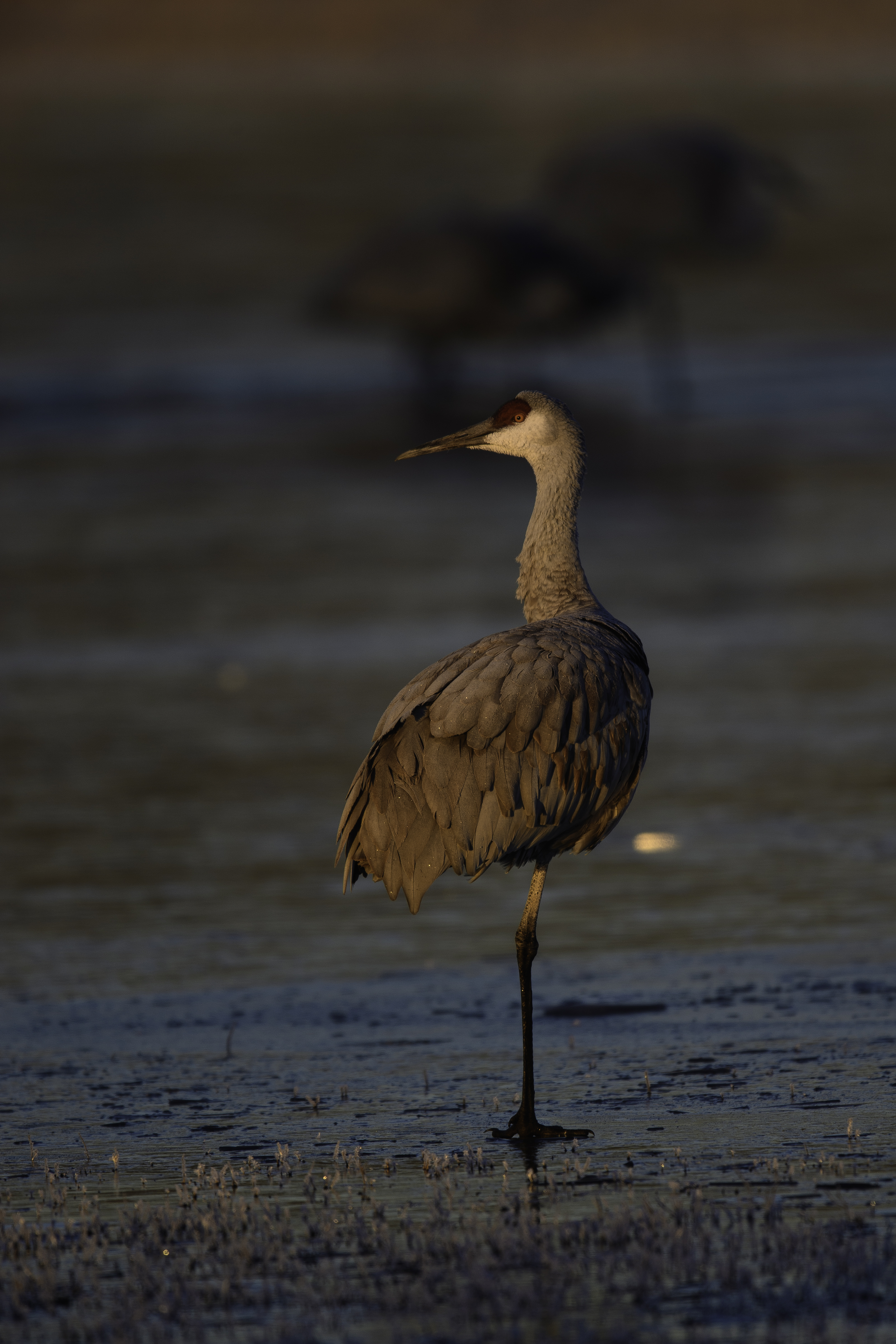
Our last morning at Bosque del Apache dawned cold, clear, and windless.  As we drove to the NWR in the dark, the outside temperature hovered at around 13° .  Moose was hoping for 10° or less but 13° seemed cold enough to me.  We were lucky the wind from previous days had stopped blowing making the cold morning more tolerable.  As we watched the Sandhill Cranes  at the Train Ponds in the morning sunrise, we realized that many of the birds were standing with their legs encased in ice because the water had frozen around them as they slept in the night.  They put on quite an amusing show as they shook the ice off.  Chunks of ice clung to their tail feathers and the birds that shuffled along on top of the ice slipped and slid.  The hoarfrost that clung to this crane’s back feathers sparkled in the morning light as he stood one-legged on the ice.

Cold morning on the pond.jpg

2016—Flight Formation

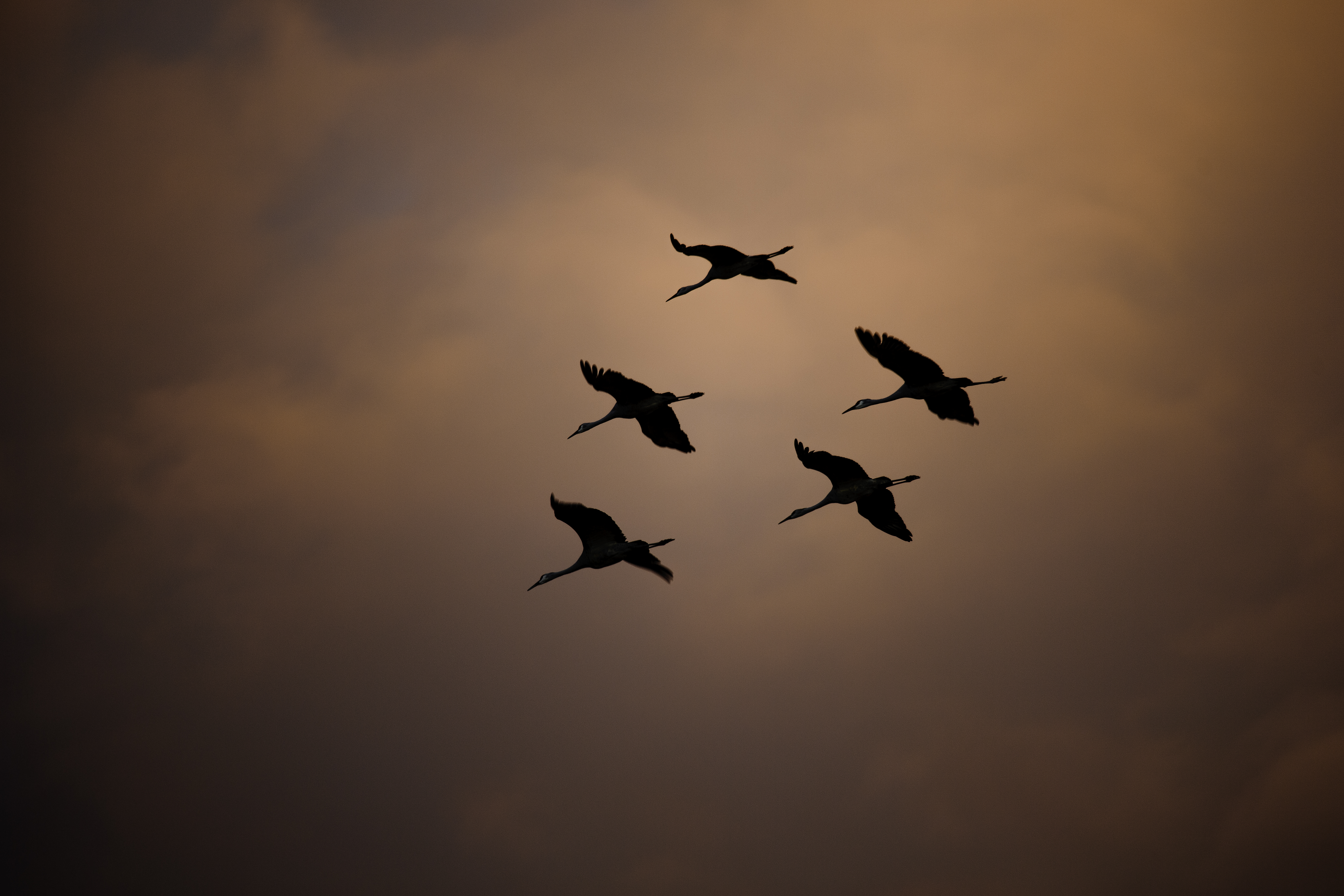
One evening at Bosque del Apache we had gorgeous skies with clouds that reflected the colors of the setting sun.  Wave after wave of  sandhill cranes flew in to the Track Ponds to spend the night but I’m told far fewer than in past years.   This quintet exhibited perfect flight formation as they flew in for a landing.

Flight Formation.jpg