2026—Baby It’s Cold Outside

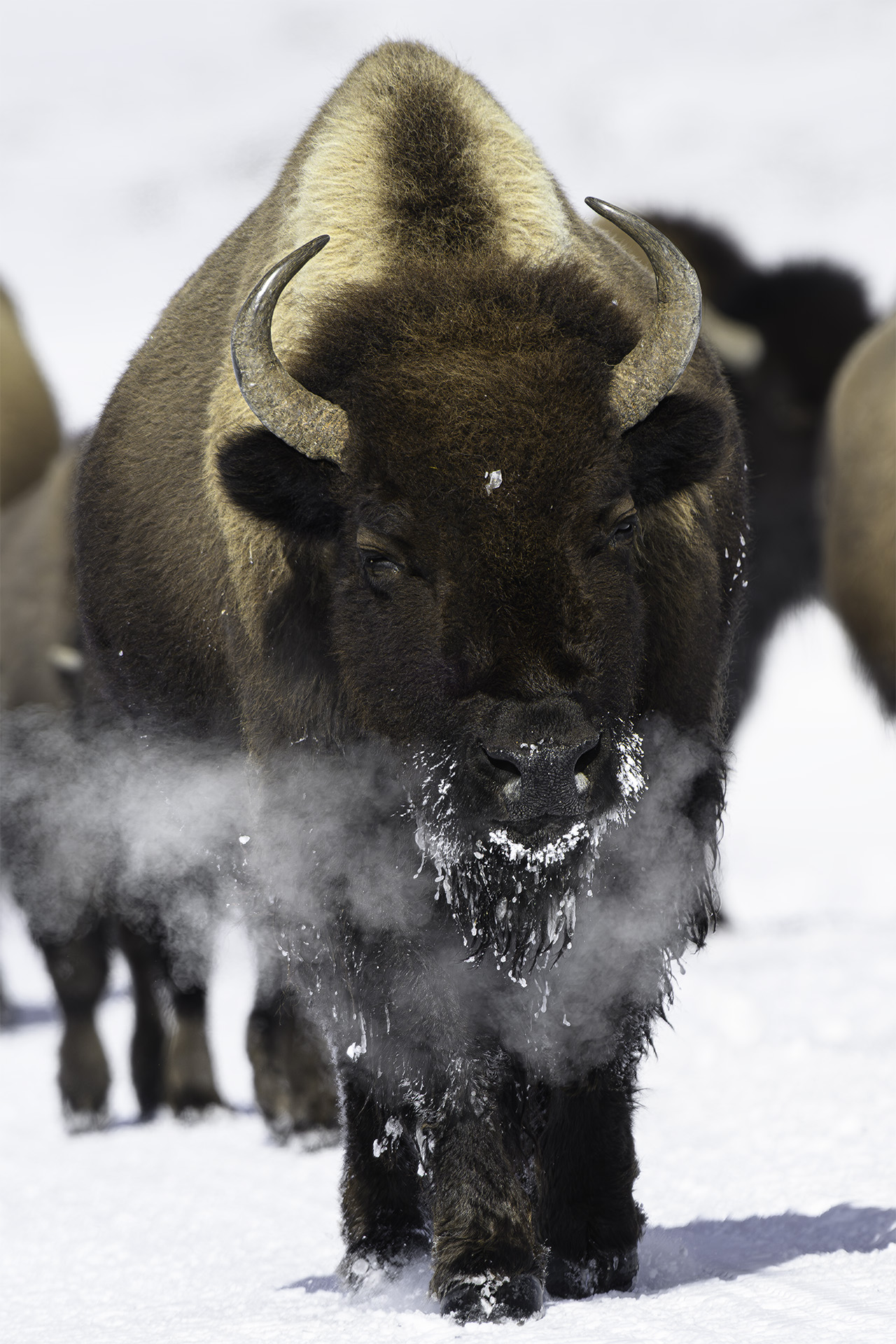
The temperature was in single digits in Yellowstone National Park yesterday morning when we encountered a small herd of Bison on the road. Every breath they took was visible as they lumbered along. We drove ahead about a half mile to wait for them to come over a rise. When they appeared, the clouds of mist enveloped them as they exhaled and snorted. It was our first day in Yellowstone. What a great start to the trip.
2026—Floating Cuteness

Pied-billed Grebes are floating cuteness. Once thought to be related to loons because of their diving patterns, instead, DNA research has shown that their closest relatives are American Flamingos! Who’d a thunk it? There are a couple of Pied-billed Grebes that frequent the ponds along the Ferrari Pond Trail in Lincoln. I took this a few days ago after the fog lifted.

2026—A Hairy Not a Downy

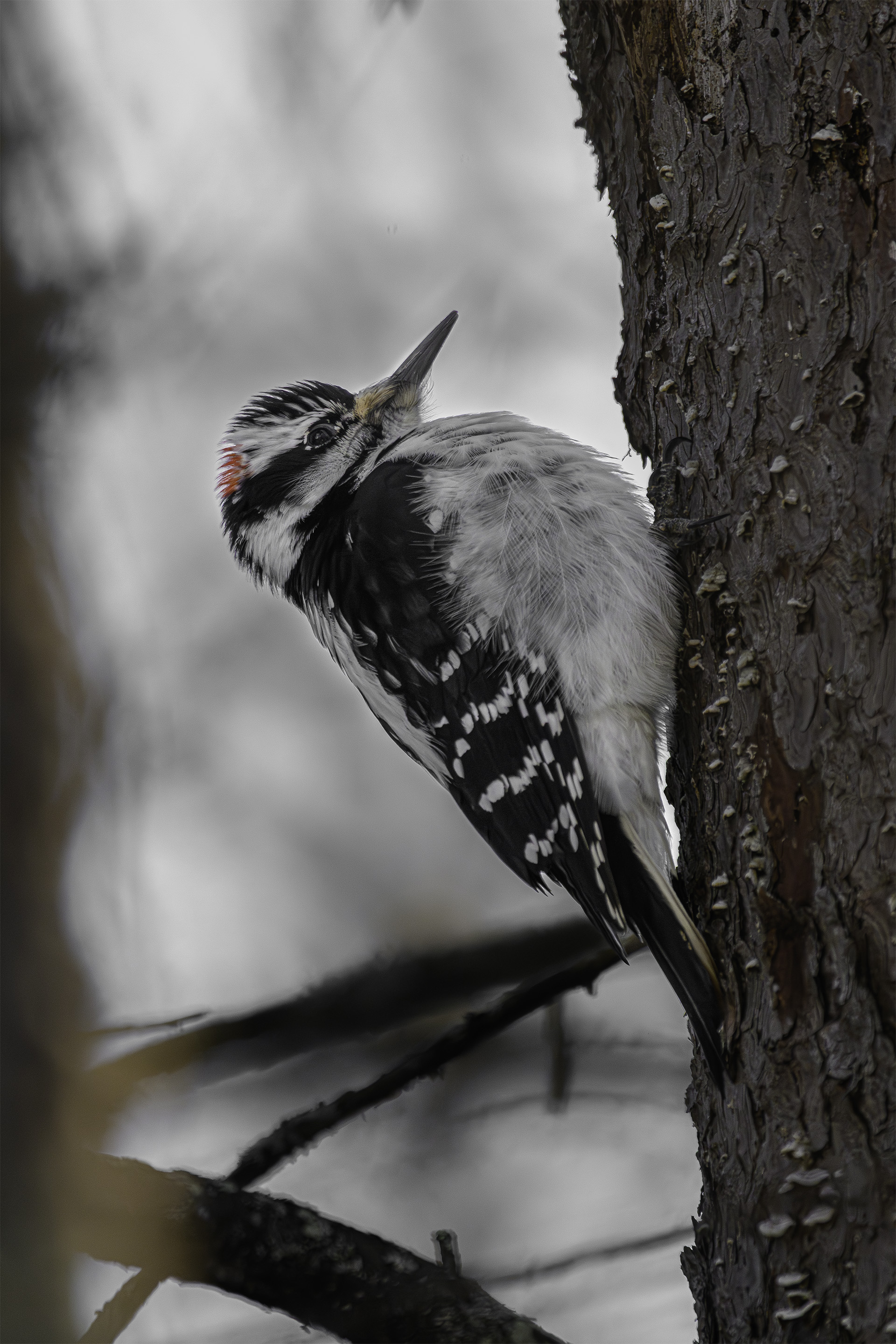
Along the boardwalk at Sax-Zim Bog’s Winterberry Bog Trail last week, a Hairy Woodpecker puffed up his feathers against the cold. He clung to the side of a pine tree covered with tiny fungi. He was after grubs and other edibles lodged in and under the bark, not the mushroomy things. A Downy Woodpecker was also hanging around the area at the same time. I had to check the length of the beak to know whether it was a Hairy or a Downy. The Hairy Woodpecker’s beak is a bit longer than the Downy’s beak.

2026—A Gray Day at Gray Lodge

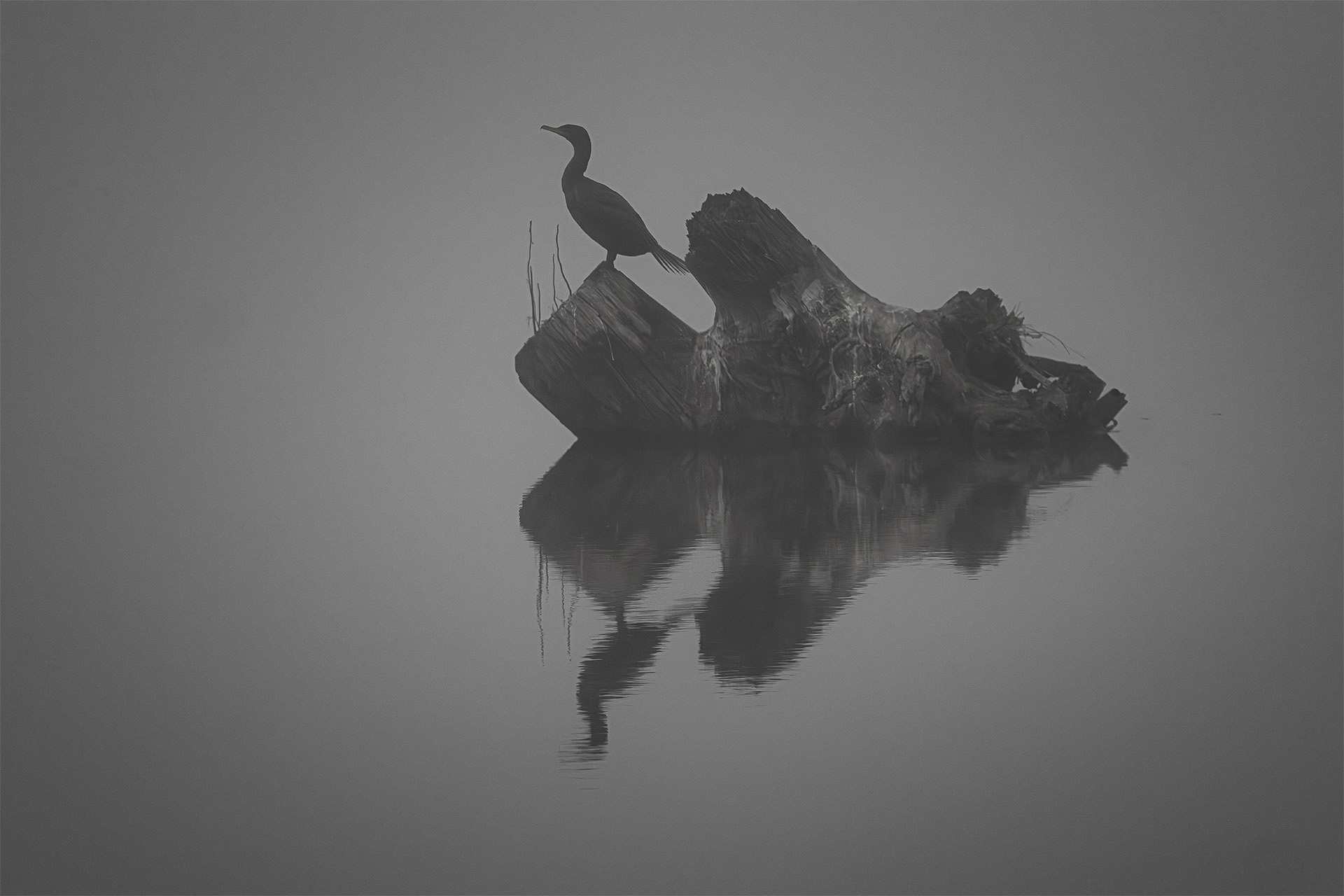
It was a gray day at Gray Lodge. A Double-crested Cormorant stands sentinel on a stump in a pond at the California Wildlife Area known as Gray Lodge the other day. The infamous valley tule fog, that was absent for so many years during the drought, has returned. My photography club had a field trip to Gray Lodge on Monday. Driving there, the fog was dense from my home all the way to Gray Lodge with visibility down to probably 100 feet or less. The lights of cars that passed quickly disappeared from view and the fog enveloped the roadway making it feel like driving through a white tunnel. Once at Gray Lodge, the visibility was only slightly improved. We walked the main trail and drove the loop seeing few birds and those we saw were mostly obscured in the mist. In this shot, all of the distracting background elements are obscured by the dense fog.

2026—White-breasted Nuthatch Display

If it’s descending head-first down a tree trunk it’s probably a nuthatch! These small birds are easily recognized by this characteristic down hill descent. White-breasted Nuthatches will arch their bodies and point their beaks straight out in a territorial display of aggression to defend their food sources. There was a Hairy Woodpecker eyeing the suet feeder that this White-breasted Nuthatch at Sax-Zim Bog had just finished pecking at. A bit of suet is still clinging to its beak as it struck its pose, perhaps in an effort to deter the Hairy from coming to the feeder. Right after I took this shot, the Nuthatch disappeared to the back side of the tree trunk and I didn’t see it again. I also didn’t see the Hairy Woodpecker after that. I guess its display worked, at least for the next few minutes.

2026—Sunrise on Sax-Zim Bog

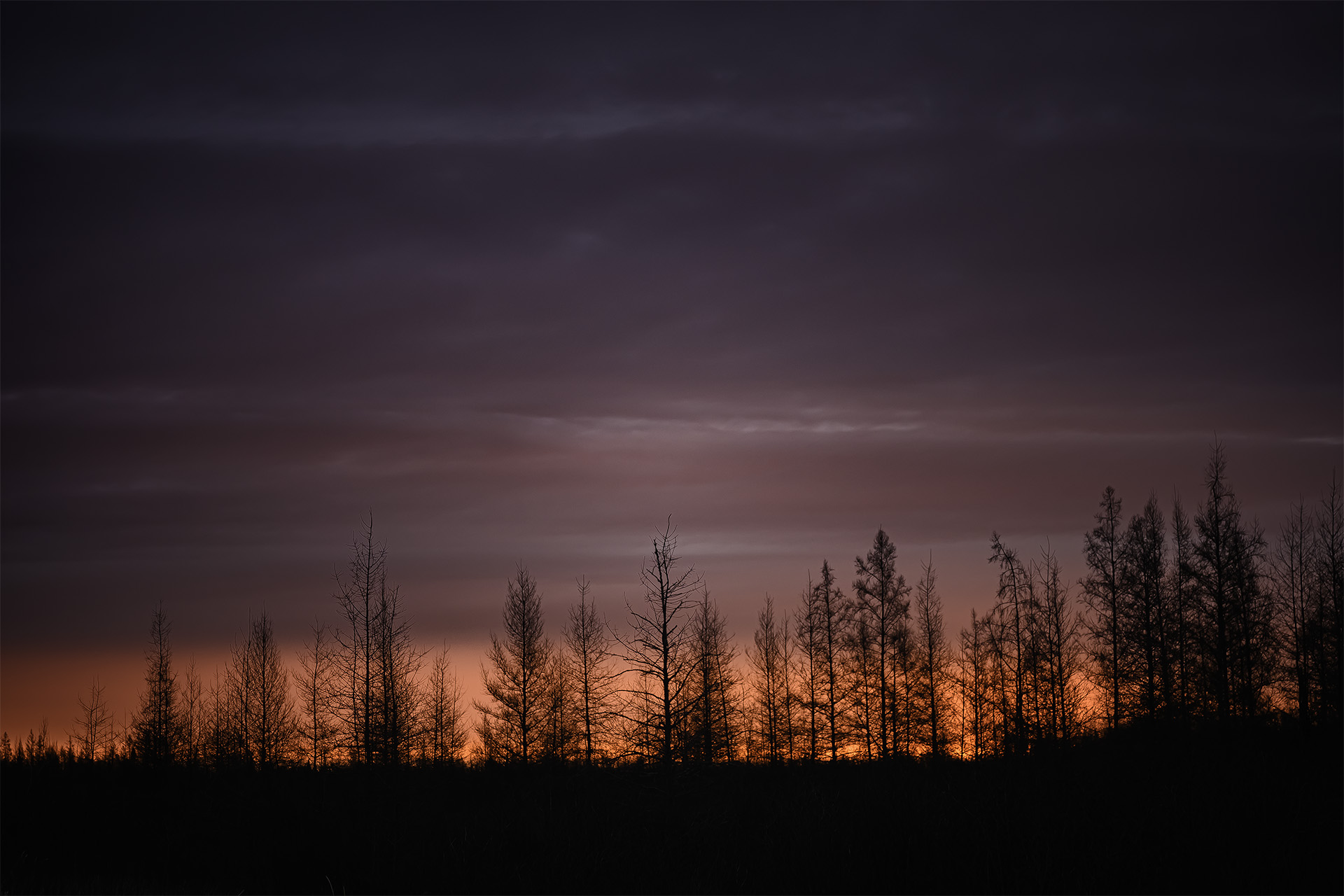
The sun rose and the horizon turned red at Sax-Zim Bog on our last morning there. There was something different about each day in the Bog this year. It was much warmer than in past years with temperatures well above freezing most days. The owl species we hoped to see, the Barred Owl, the Boreal Owl, the Northern Hawk Owl and, yes, our favorite from past years the Great Gray Owl, were elusive, almost none seen there in recent weeks. But, despite the dearth of some of the species we hoped to see and photograph, the Bog is a special place and the colorful sunrise, something I’d seen only once before in the seven years I’ve been coming here, reminded me of that.

2026—Standout Star

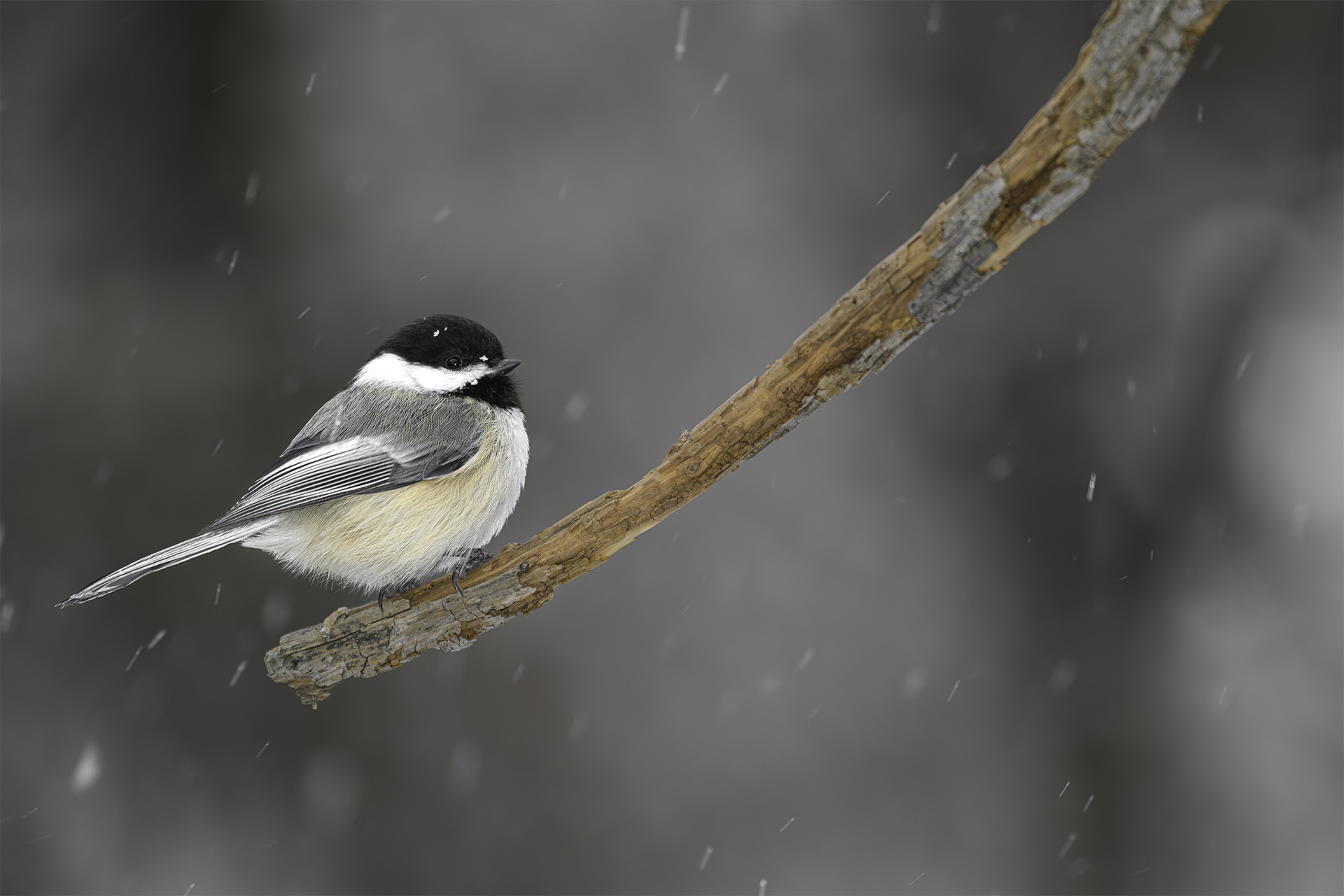
It seems as if every photography trip I go on has a standout species that dominates the viewfinder and becomes the standout star of the trip, regardless of which species we were originally hoping to photograph. The star this past week in Sax-Zim Bog was definitely the adorable Black-capped Chickadee. We were hoping to photograph owls, including last year’s star, the Great Gray Owl, but no Great Grays have been seen there recently. Lucky for us, the Black-capped Chickadee seemed to be everywhere we went. On our last day, it snowed. A few flakes even landed on the chickadee’s black cap.

2026—Spare Ribs!

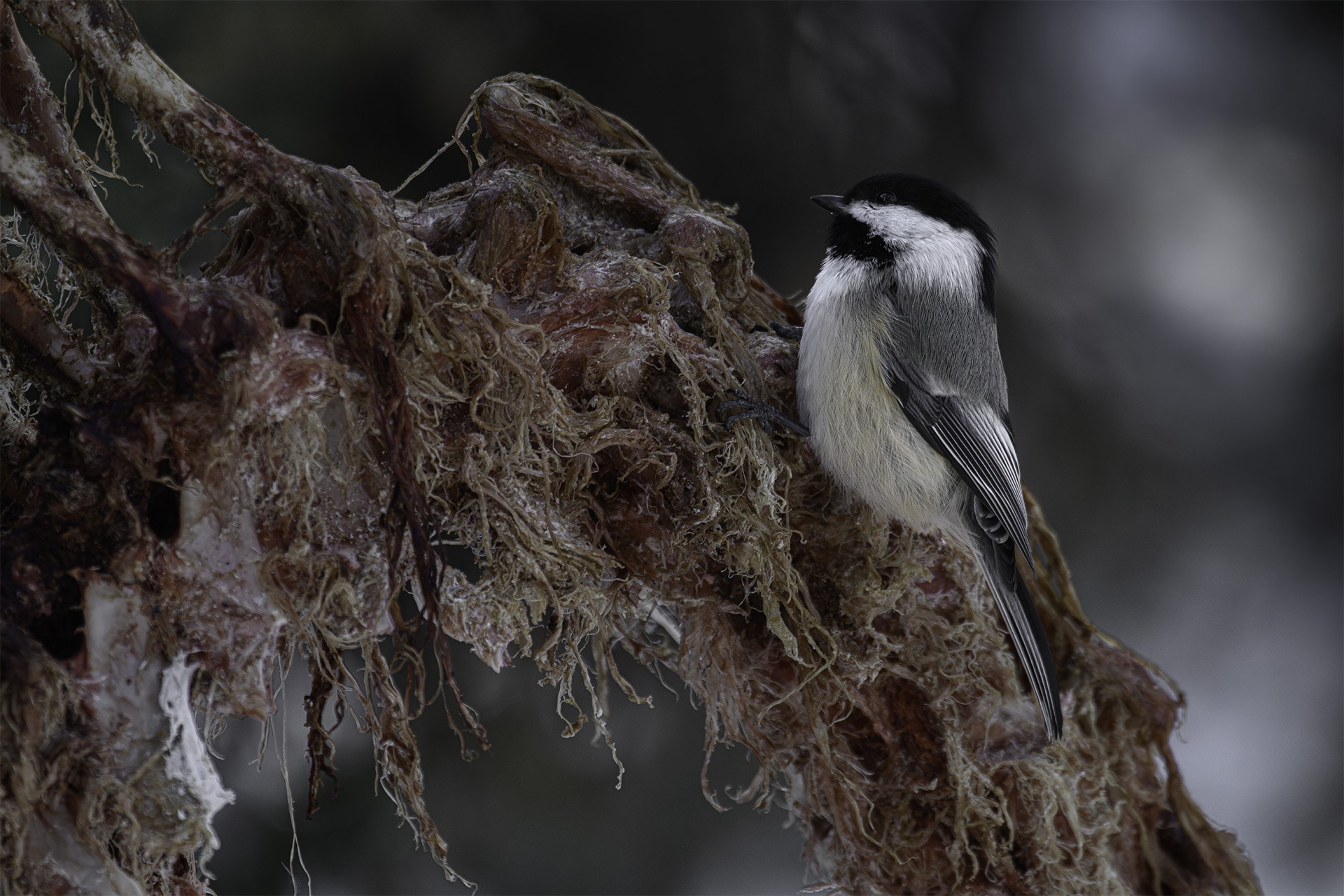
The Friends of Sax Zim Bog provide lots of different types of feed for the birds that live here, including various seeds, peanut butter, suet cakes, and natural suet in the form of deer carcasses. This Black-capped Chickadee fed enthusiastically on the suet from a rib cage. Spare ribs! It’s what’s for dinner.

2026—Down the Trunk

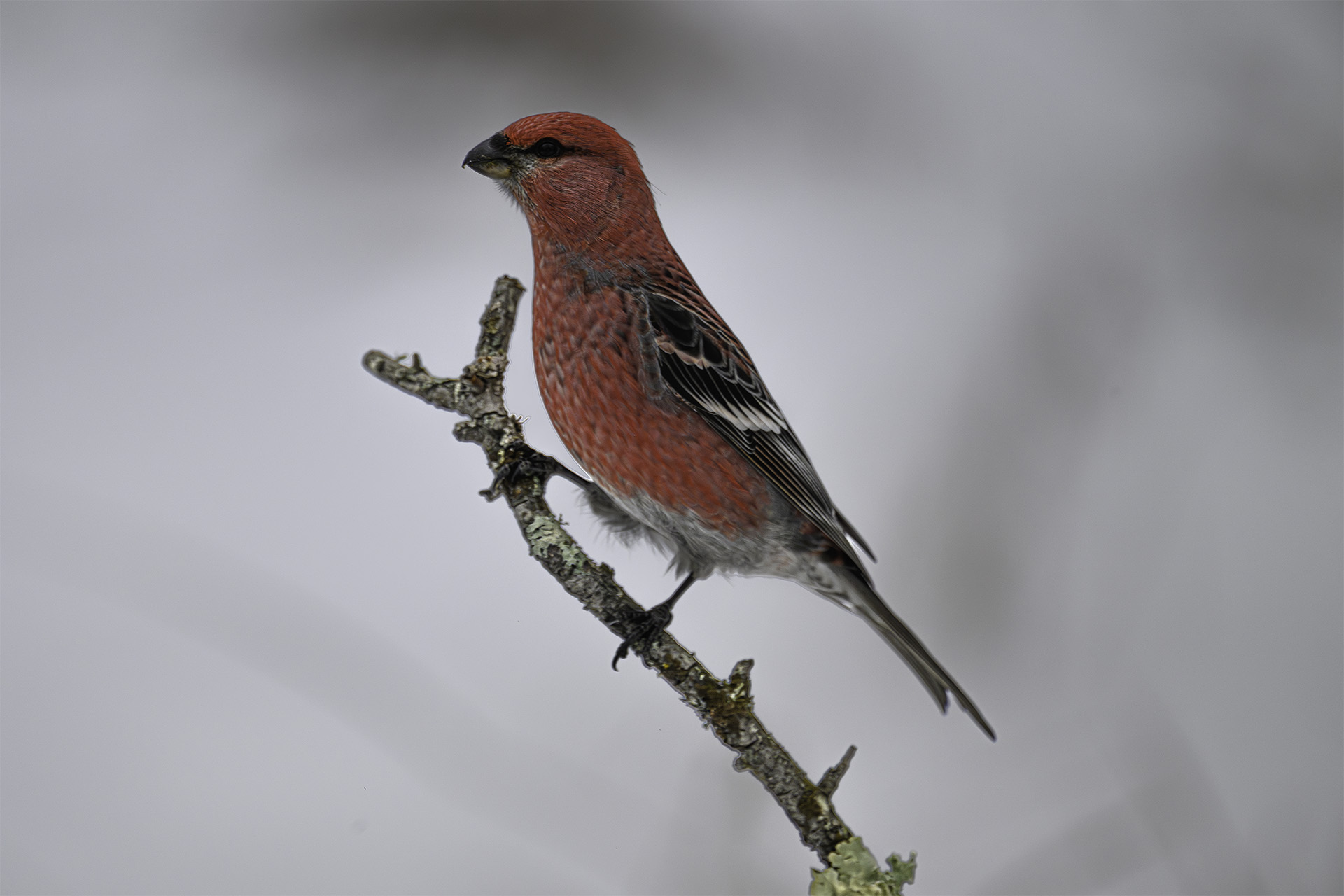
Freezing rain kept sightings of birds in Sax-Zim Bog to a minimum yesterday. Despite the weather, along the boardwalk at Winterberry Bog we watched Black-capped Chickadees and Pine Grosbeaks visiting the feeders and occasionally perching in the surrounding bushes or trees. I walked a little further down the boardwalk and found a suet feeder nailed to a pine tree. This White-breasted Nuthatch took a few bites of suet then wandered down the trunk in search of something else.

2026—Black-capped Chickadee

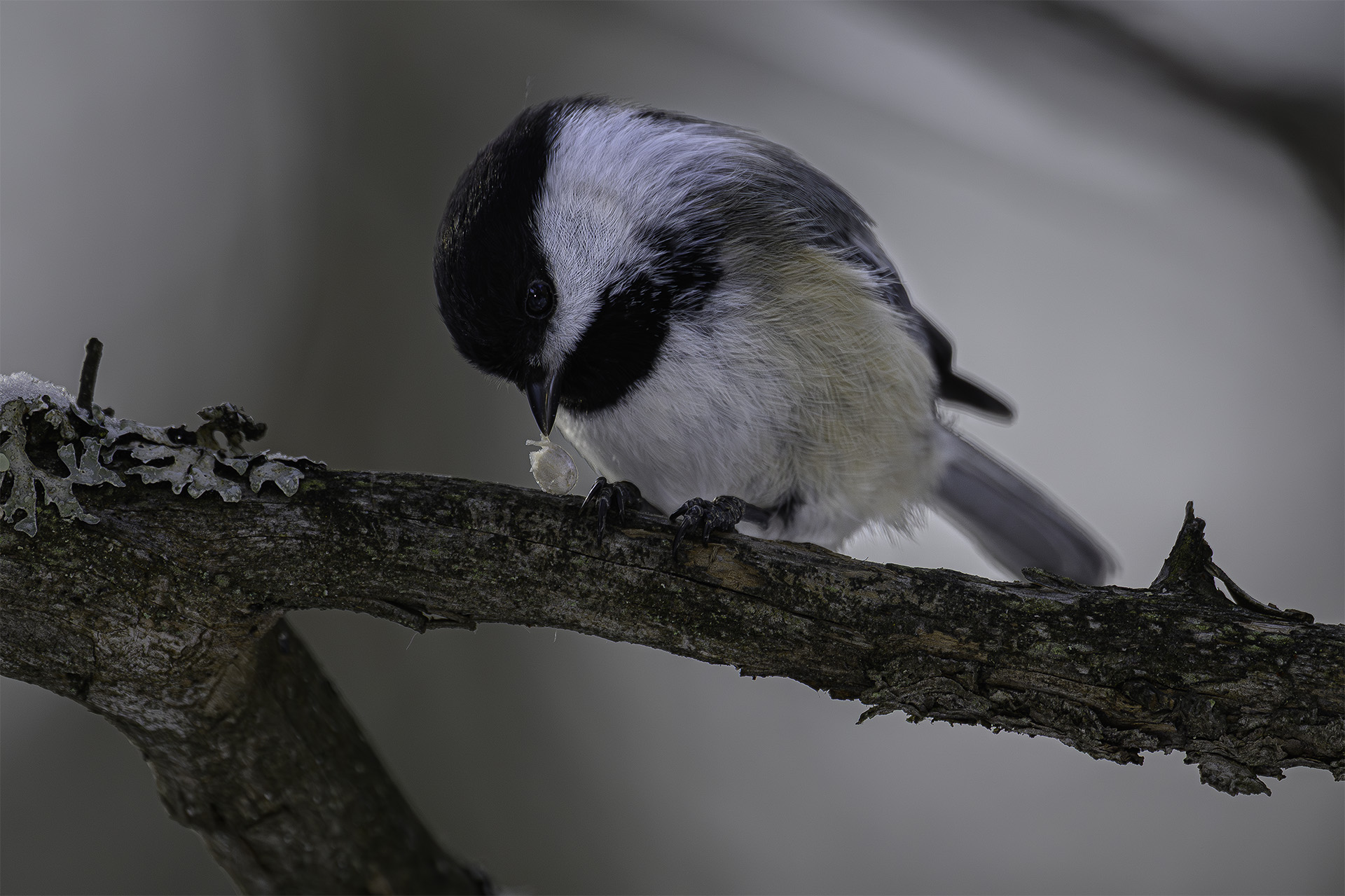
Black-capped Chickadees are everywhere at Sax-Zim Bog. This tiny bird is one of my favorites at the Bog. They are quick and rarely stay still. They do spend a fair amount of time extracting the nourishing seed from black-oil sunflower seed shells that are in the feeders filled by Bog volunteers. Shelling a sunflower seed is one of the few times that they’re relatively still and they are quite adept at doing this. However, once this chore is done, and they’ve gulped down the kernel, they’re off to find another one as this Chickadee is about to do.

2026—Low-hanging Fruit

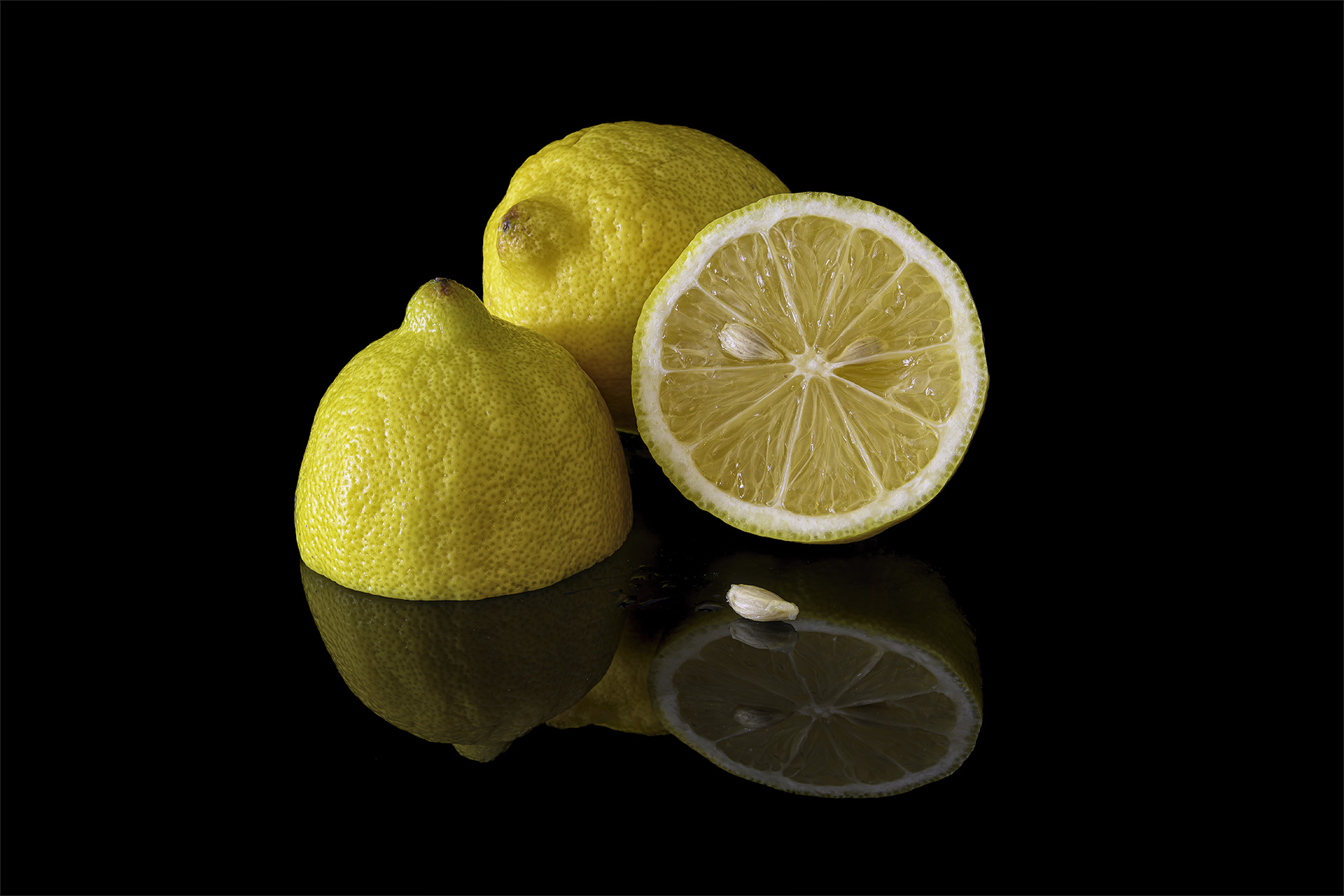
My lemon tree, which produces an overabundance of lemons, is once again covered with fruit, most of them ripe, and many too high to reach. On Christmas Day, I plucked a couple of the low-hanging fruit to squeeze onto the Dungeness crab I was planning to have for my Christmas dinner. Black acrylic and natural light created the reflection.

2026—Basking

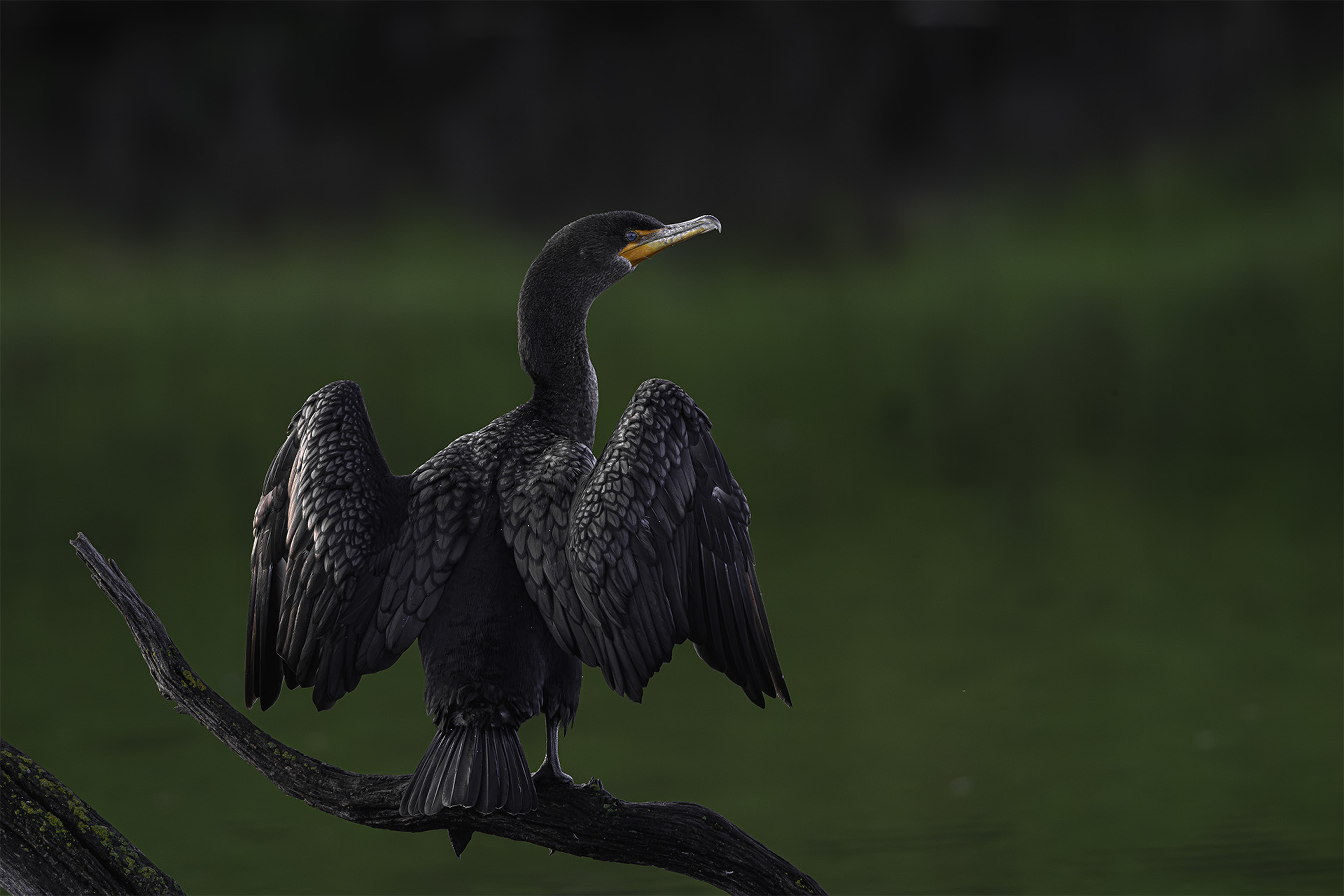
The feathers of Double-crested Cormorants are not as waterproof as the feathers of other birds. This is not a bad thing. Their feathers easily become waterlogged making them less buoyant so they can dive deeply to pursue fish under water. When they emerge from the water, Cormorants are known for basking in the sun to dry their feathers. This characteristic pose makes them easily recognizable as they stand motionless on a perch and spread their wings. There are several Double-crested Cormorants that fish at Ferrari Pond and we often see them perched, wings outstretched, on the dead snag in the middle of the pond.

2026—Gulping Down

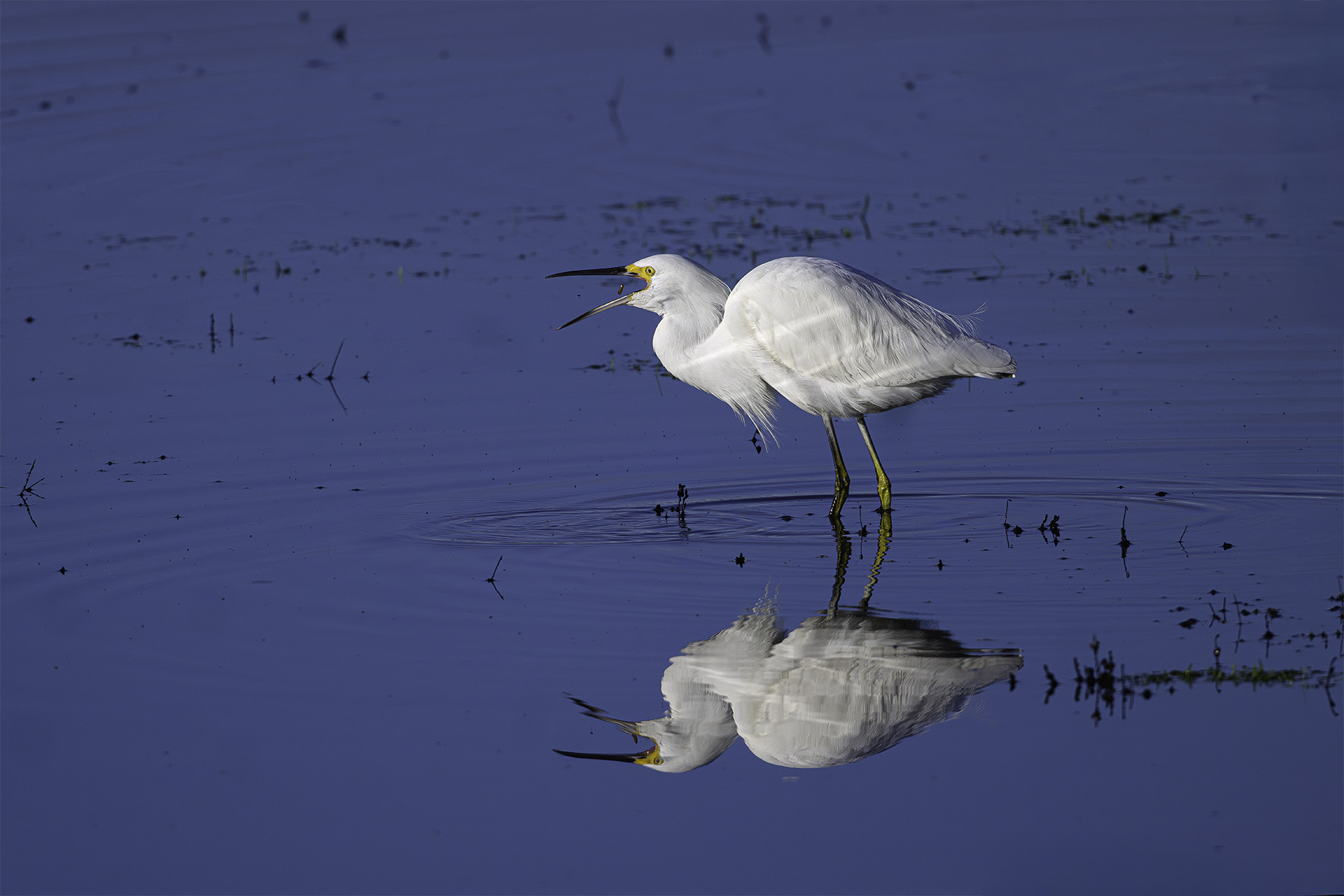
The sun was out the other day at Ferrari Pond. The ponds, many like this one filled only recently by the unrelenting rains just days before, were filled with birds, including about a half dozen Snowy Egrets. Snowy Egrets swish their feet in shallow ponds to stir up small fish, crustaceans, and whatever it is that this Snowy is gulping down. It doesn’t seem to have fins or a tail like a tiny fish or claws and legs like a tiny crawdad. As soon as the Snowy Egret swallowed its mystery meal, it returned to swishing its feet in the shallow water to find something else to gulp down.

2026—Blue and Green

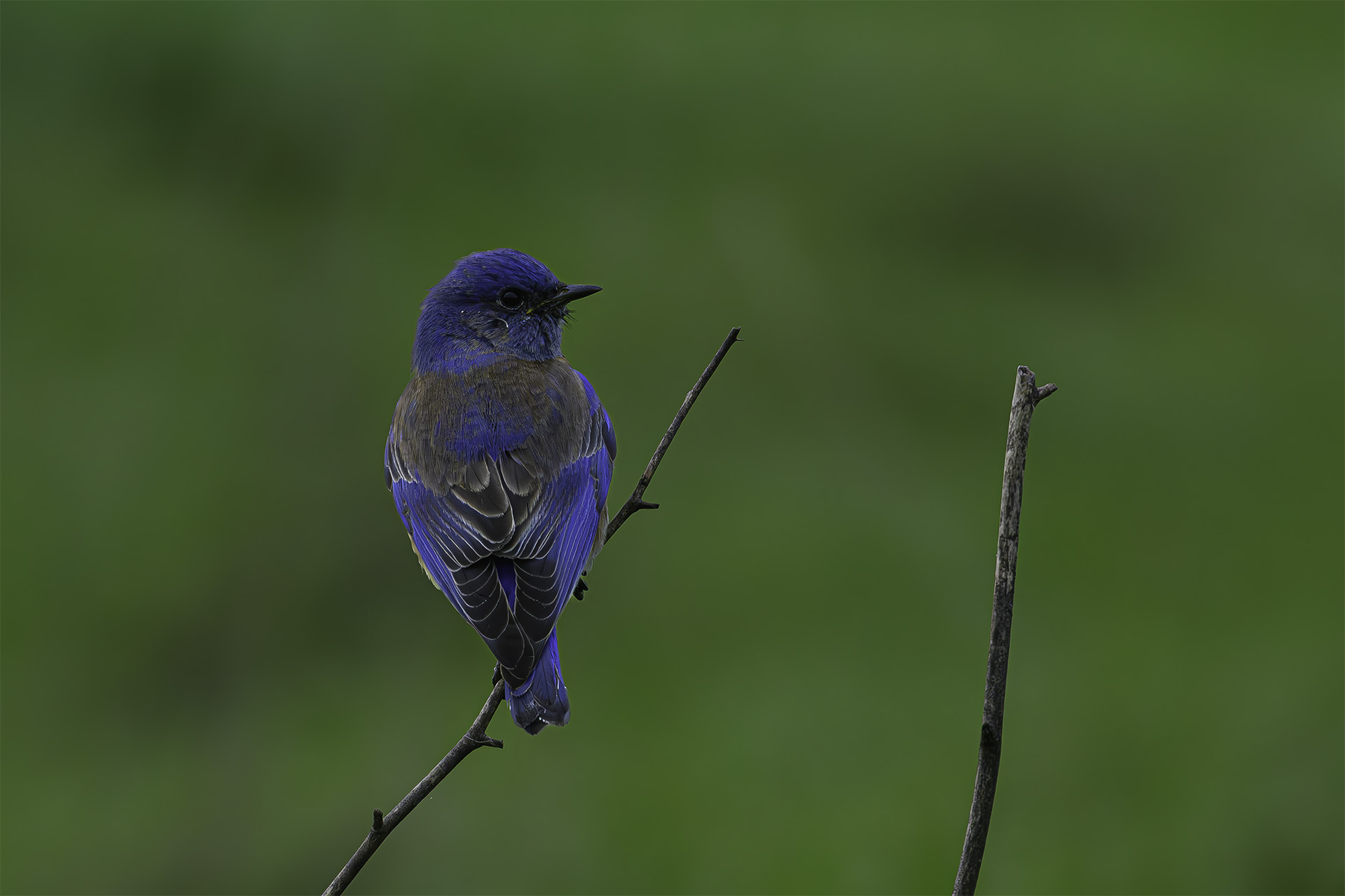
The past few weeks have been cold, drab, and foggy with gray overcast and rain here in Northern California. But the Ferrari Pond Trail in Lincoln Hills is a colorful place despite the gloomy weather. The rains have turned the fields into lush green backdrops. And the overcast helps to saturate the colors, so when a colorful bird, like the Western Bluebird, lands on a twig to survey the area, the green provides a perfect background for his brilliant blue feathers. The blue and the green create a color combination that lifts the spirits and shows how beautiful a simple scene can be.