2025—Downy Hummingbird?

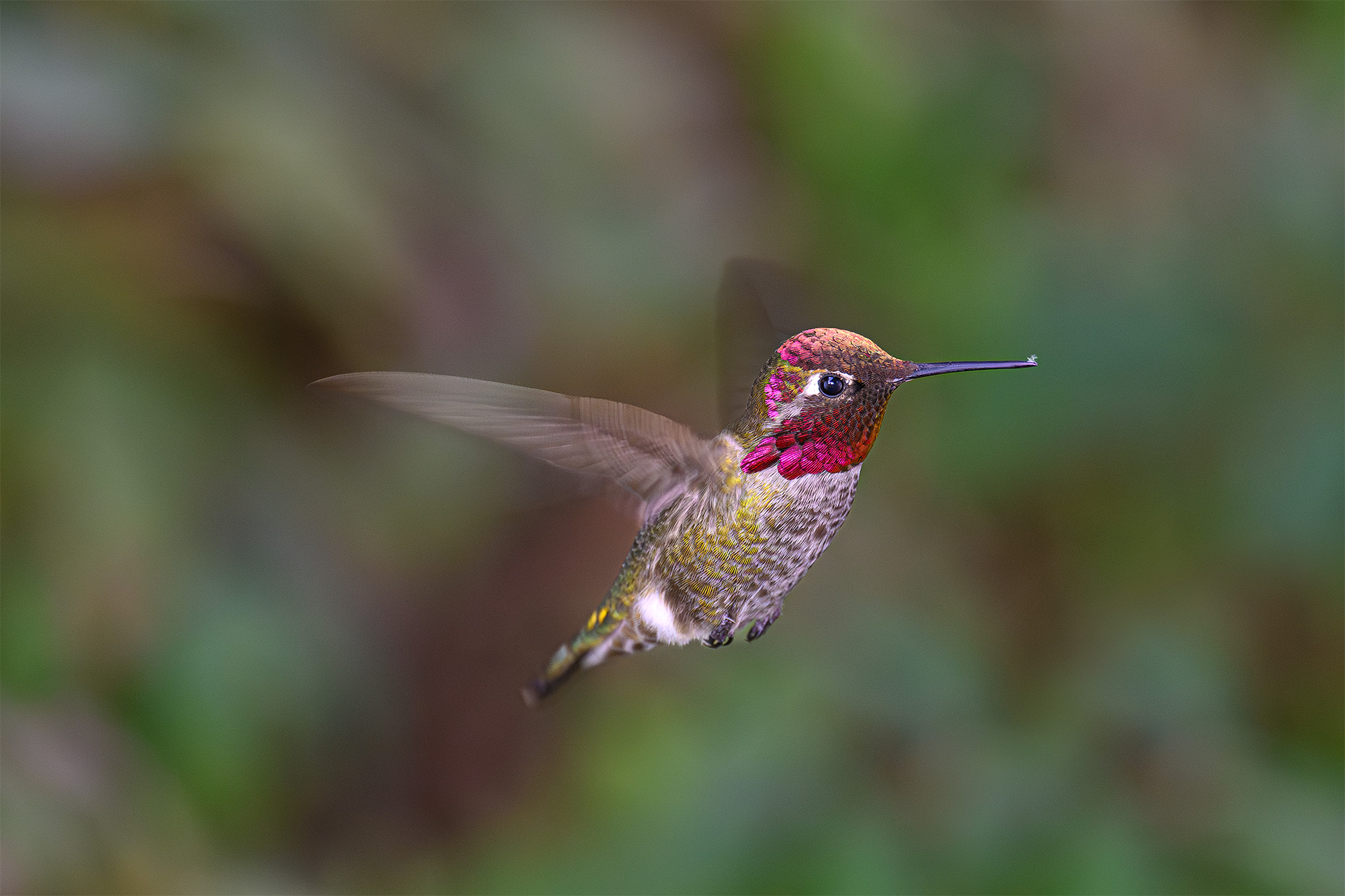
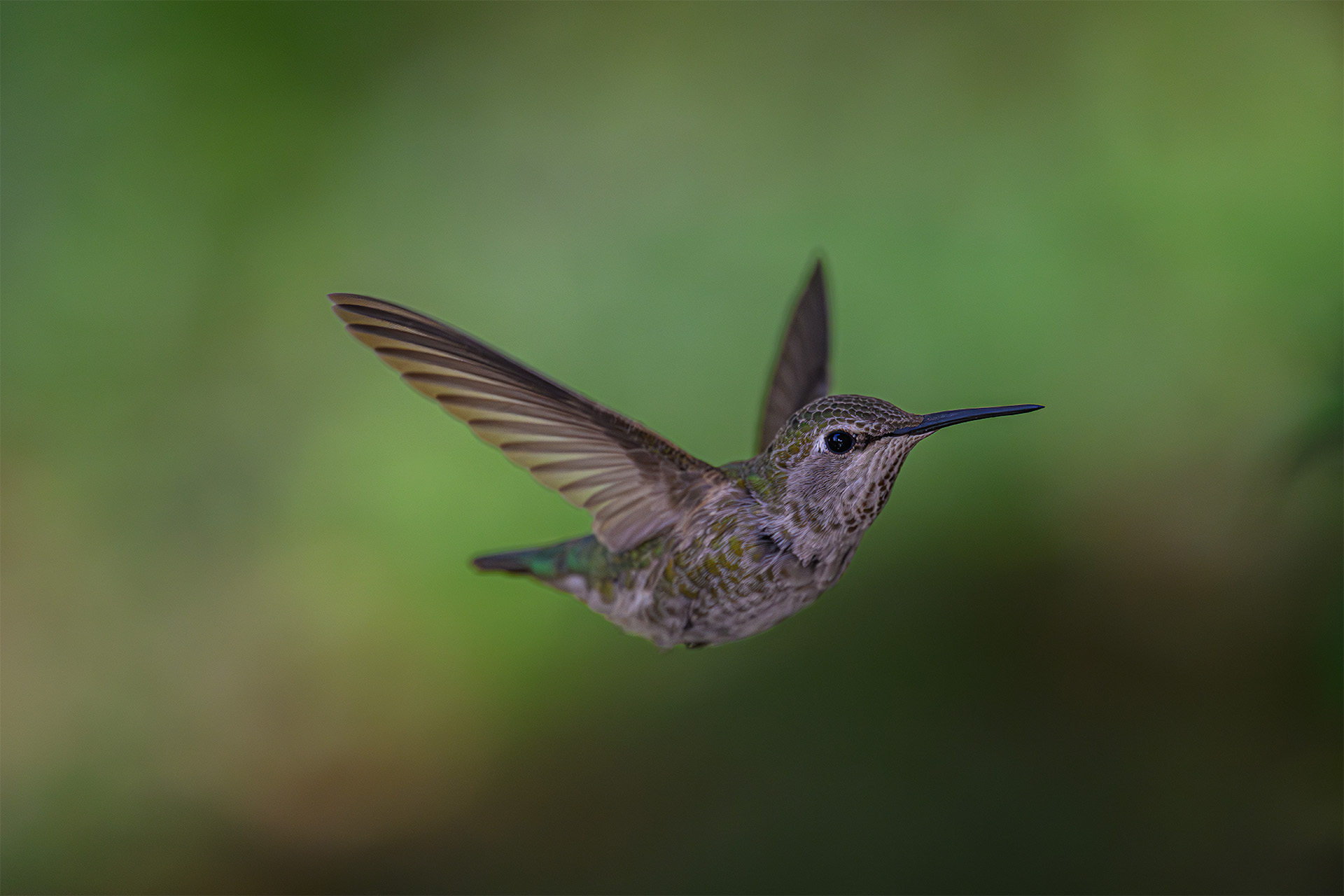
The little Male Anna’s Hummingbird finally cooperated with me while I was out shooting the other day. He’d apparently been preening because a tiny down feather was stuck to the end of his beak, glued there by the sticky nectar. It stayed stuck to his beak even after he pushed his beak in and out of the bee guard on the feeding tubes. I guess you could call him a Downy Hummingbird.

2025—The Scent of Spring

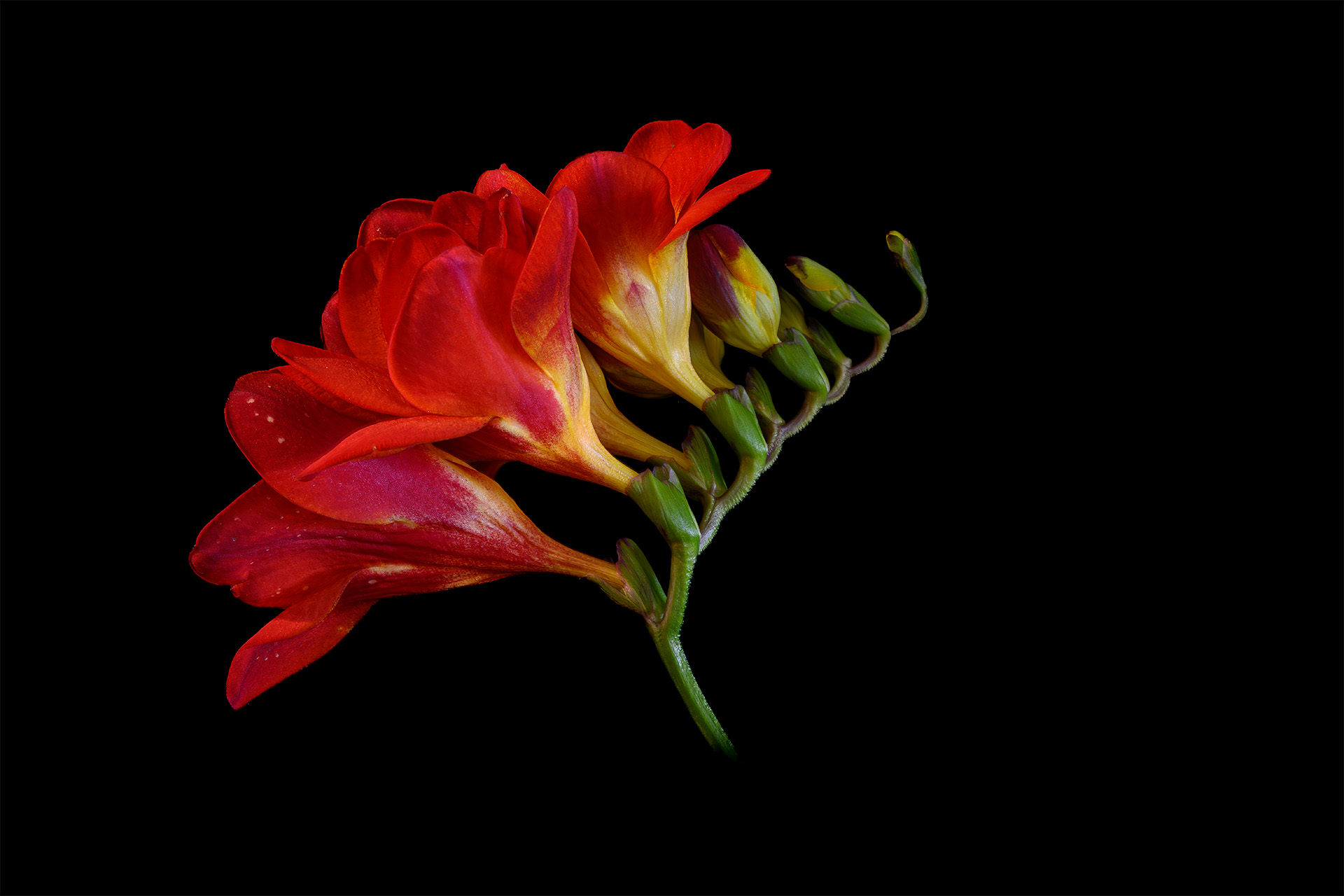
Yesterday I was in my backyard photographing Anna’s Hummingbirds and something caused me to turn around. When I did, a flash of bright red caught my eye. When I investigated, I was astounded to see a two foot patch of brilliant red Freesia in full bloom tucked behind a large shrub. I’ve been spending lots of time on my patio in the past couple of weeks and while I have concentrated on the area around the Hummingbird feeders, I have walked by that patch numerous times. I can’t imagine how I didn’t see, or smell, the Freesia. To me, the scent of Freesia is the scent of spring. Its sweet perfume fills the air and it is my favorite spring flower. Since I’ve moved here, I keep randomly discovering things that previous owners have planted in the garden. I have not yet taken the time to make the garden mine and the little gems that pop up with regularity make it wonderful enough that I haven’t felt the urgent need to change things. I clipped one stem of the red Freesia and now my house is filled with the scent.

2025—Successful Hunt

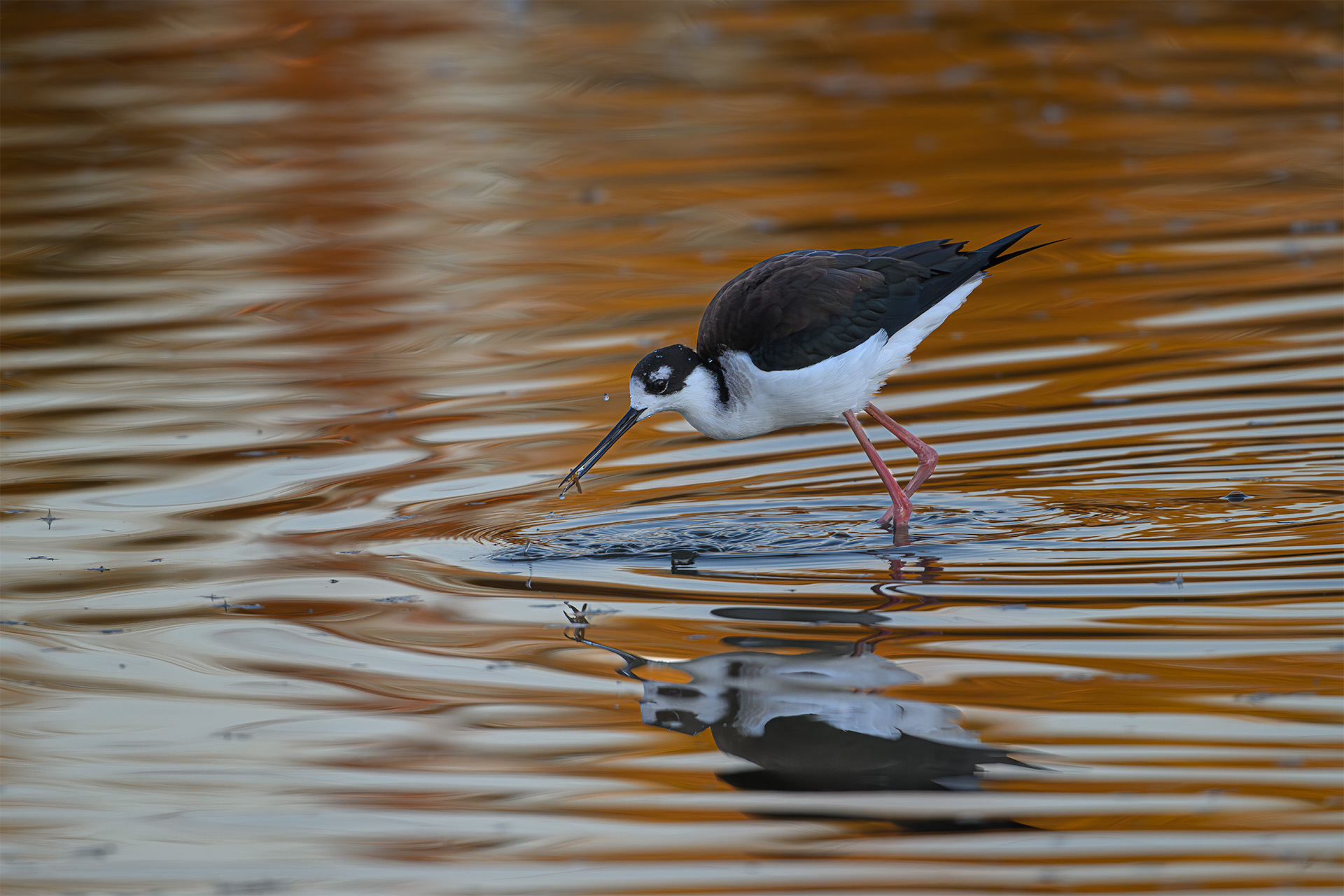
Last December when I visited the Riparian Preserve at Water Ranch in Gilbert, AZ, I posted a photograph of this Black-necked Stilt as it waded in the shallow waters in search of a small morsel to eat, surrounded by the colorful reflections from the fall leaves around the pond. When I recently reviewed some of my photographs from that day, I realized I had overlooked the moment of the bird’s successful hunt. The capillary waves from the Stilt’s jab into the water are still rippling as the prey is about to be consumed.

2025—The Downbeat

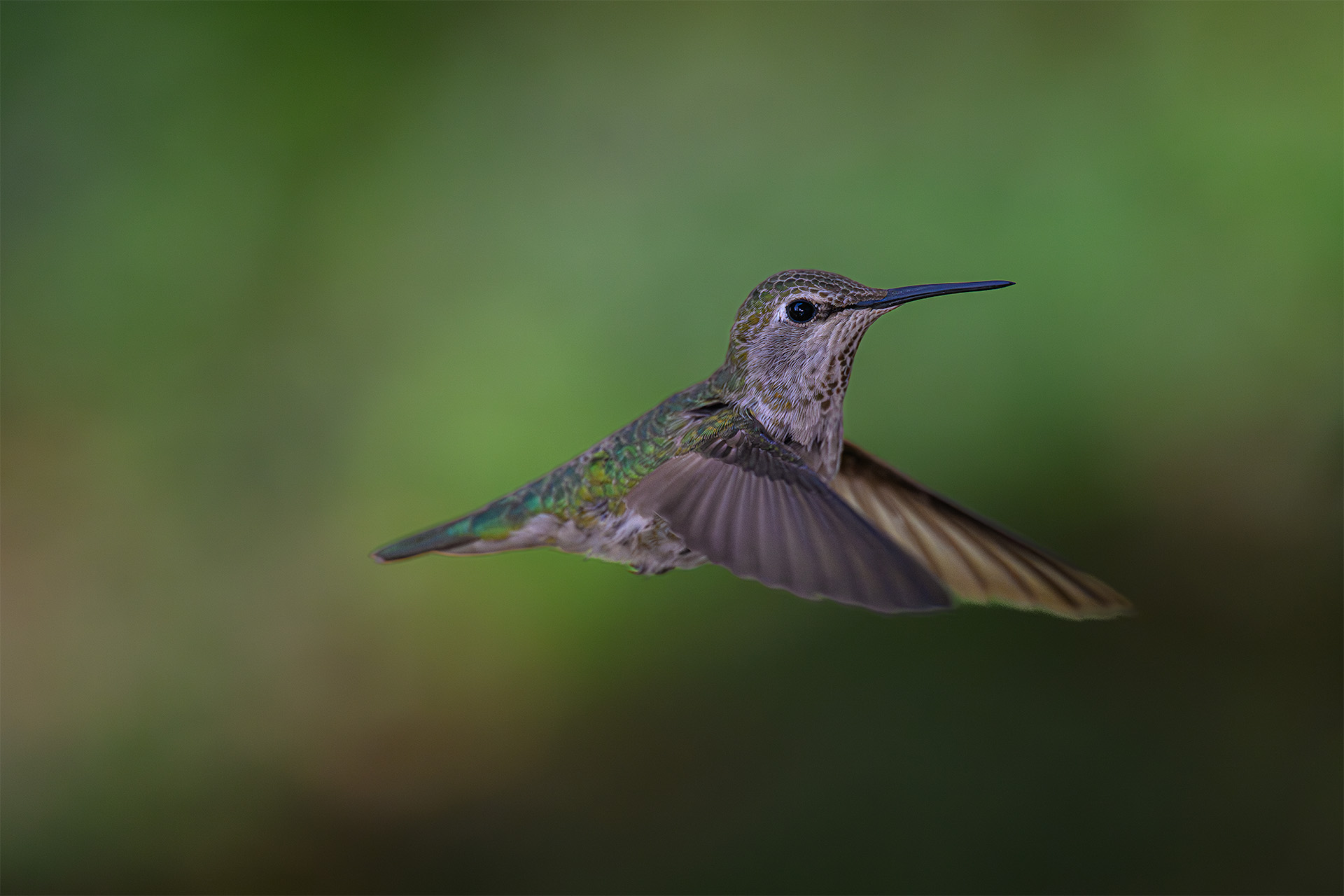
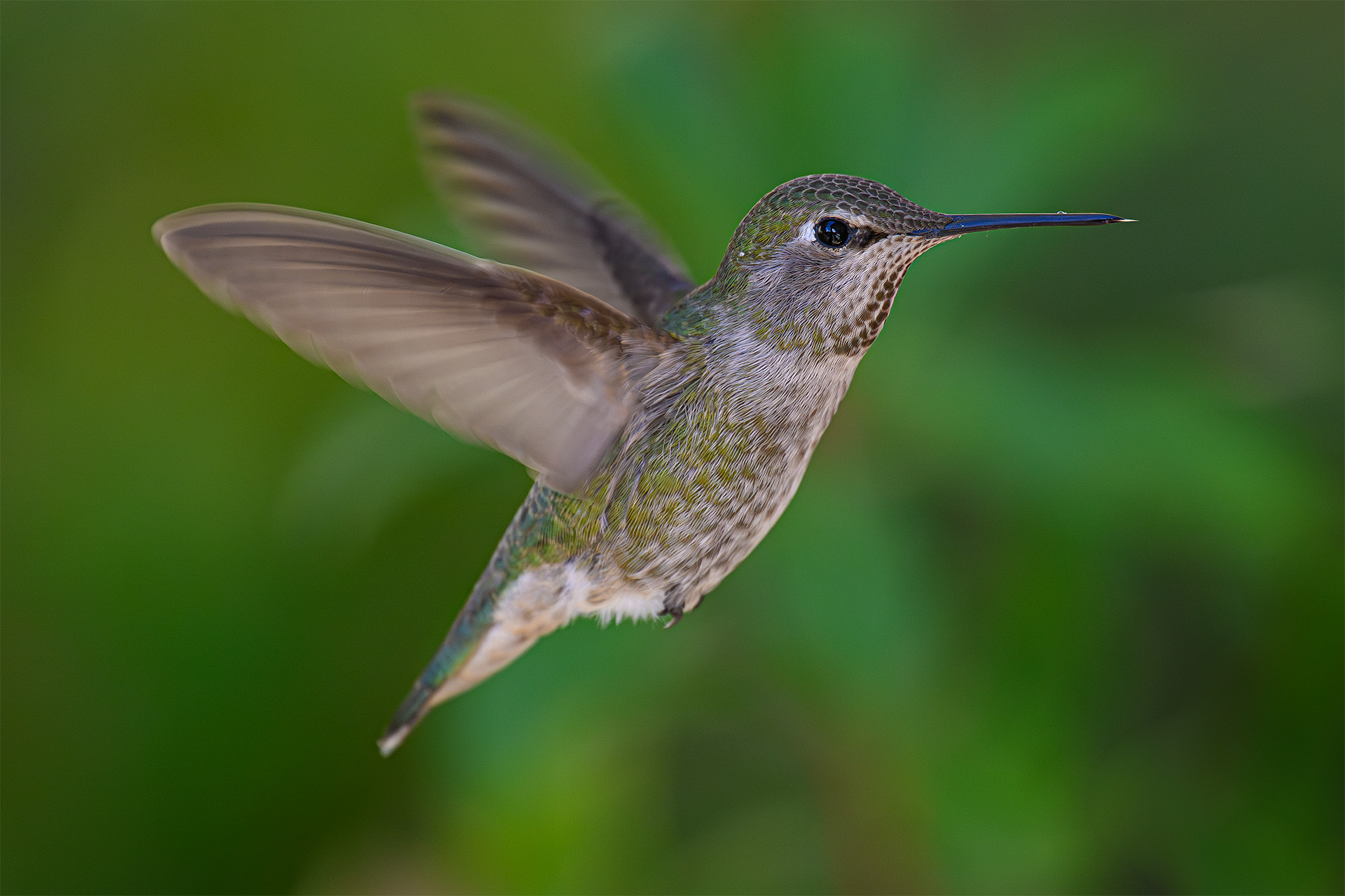
When I post images of hummingbirds, I generally like their wings open so the underside of the wing is exposed. To me, it indicates movement better than when the wings are down. But for some reason, I really liked the position of the wings in this shot of a female Anna’s Hummingbird even though they’re on the “downbeat” so to speak. I think it’s because they’re more in focus than I usually have on hummingbird wings and it implies more of a hover.

2025—Still Practicing

The female Anna’s Hummingbirds seem to be getting more comfortable with my presence, unlike the males that swoop in, threaten with their loud humming wingbeats and faint cheeps. and buzz off to parts unknown. Instead of hiding behind the feeder, sipping from the back feeding port, this female Anna’s Hummingbird fed at the left side port and after each sip of nectar, she backed away several inches so that the feeder was not in the image. That’s what I’m always hoping I’ll get. I’m also experimenting with faster shutter speeds than I’ve used in the past. I kind of like the definition in the wing instead of the complete blur. I’ll have to try this in Costa Rica next week to see which I prefer.

2025—Feng Shui

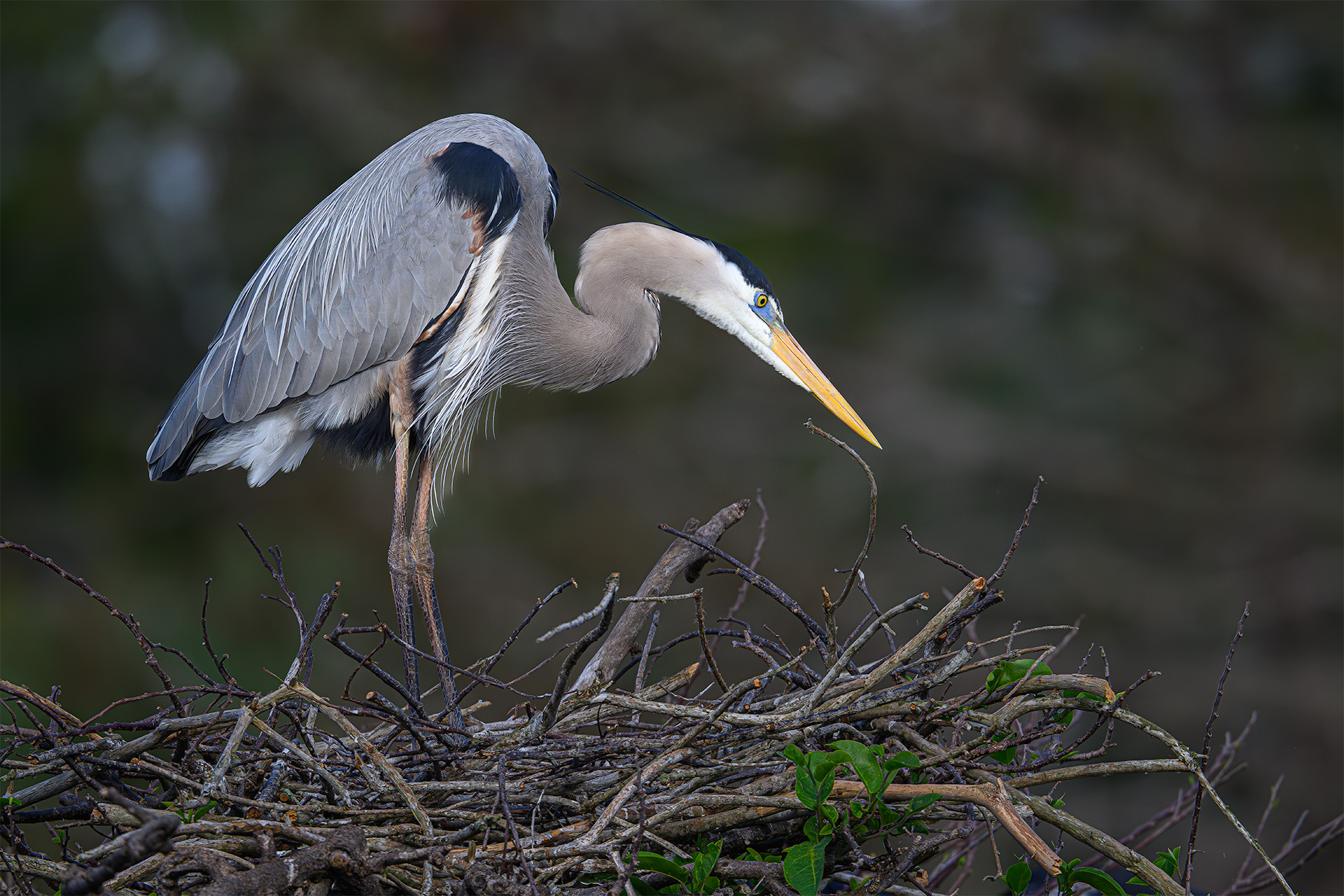
Building a nest can’t be easy. Even when they appear to be just a pile of sticks. I watched this Great Blue Heron at Wakodahatchee Wetlands in Florida while he worked on his nest. (N.B. I have no idea whether this is a male or female GBH). He stared at the edge of the nest for what seemed like an eternity and then he grasped one twig in his beak and tugged and pulled a little and then let it go. He then proceeded to preen his feathers, apparently satisfied with the placement of the twig, although from my point of view, there was no change in the position of the twig. It must have been a Feng shui thing.

02025—No Nail Polish Needed

Wood Storks are tall and stately looking, even if they have a face only a mother could love. I didn’t pay much attention to The Wood Storks’ feet when I was Wakodahatchee Wetlands in Florida last month and storks were everywhere. And their feet are unmistakably pink! And although I’ve said unkind things about the appearance of Wood Storks today and in the past, this Wood Stork has kind of a shy, sweet look. I think she’s proud of her pink toes! She doesn’t even need nail polish.

2025—Odd Man Out

A trio of Black-bellied Whistling Ducks poses in a pond at Wakodahatchee Wetlands in Florida. The odd man out didn’t strike the same pose as his friends and as I waited, he finally waded too far away to appear in the frame. So much for hoping wild animals will do what you want them to do.

2025—Practice, Practice, Practice

I’m calling it practice but to me, it’s the kind of practice that is pure joy. I love to photograph Hummingbirds. I’m preparing for a trip to Costa Rica in a couple of weeks and our target is Hummingbirds. Costa Rica has more than fifty species of Hummingbirds. Last year, at Rancho Naturalista in the mountains in the heart of Costa Rica, I photographed nine different species, all but one right from the deck at the lodge. We use dual flashes (Profoto A10’s) as a way to bring out the color in the hummingbirds, not for exposure. I’ve used a flash rig for the past several years at Madera Canyon in Arizona as well as last year in Costa Rica but using it requires practice if you don’t use it regularly so I’m taking a refresher. I photograph the Anna’s Hummingbirds in my garden all the time but I don’t use the flash rig all the time. Practicing with the flash, I’m really seeing how the flash brings out subtle nuances in the color of the bird’s feathers, even in the female Anna’s like this one. I also spent time making sure the background was good by moving the Hummingbird feeders around in the tree so that when the hummers were at the feeders, the area behind them was green and not the beige fence that is behind the tree. When I started practicing a few days ago, all of my backgrounds were fence-colored. It finally dawned on me that since the tree is currently devoid of leaves, the fence becomes the background instead of the green from the tree’s foliage. Once I moved the feeders closer to the foliage of other nearby plants, it made a huge difference in the background and I like the result.

2025—S-Curve

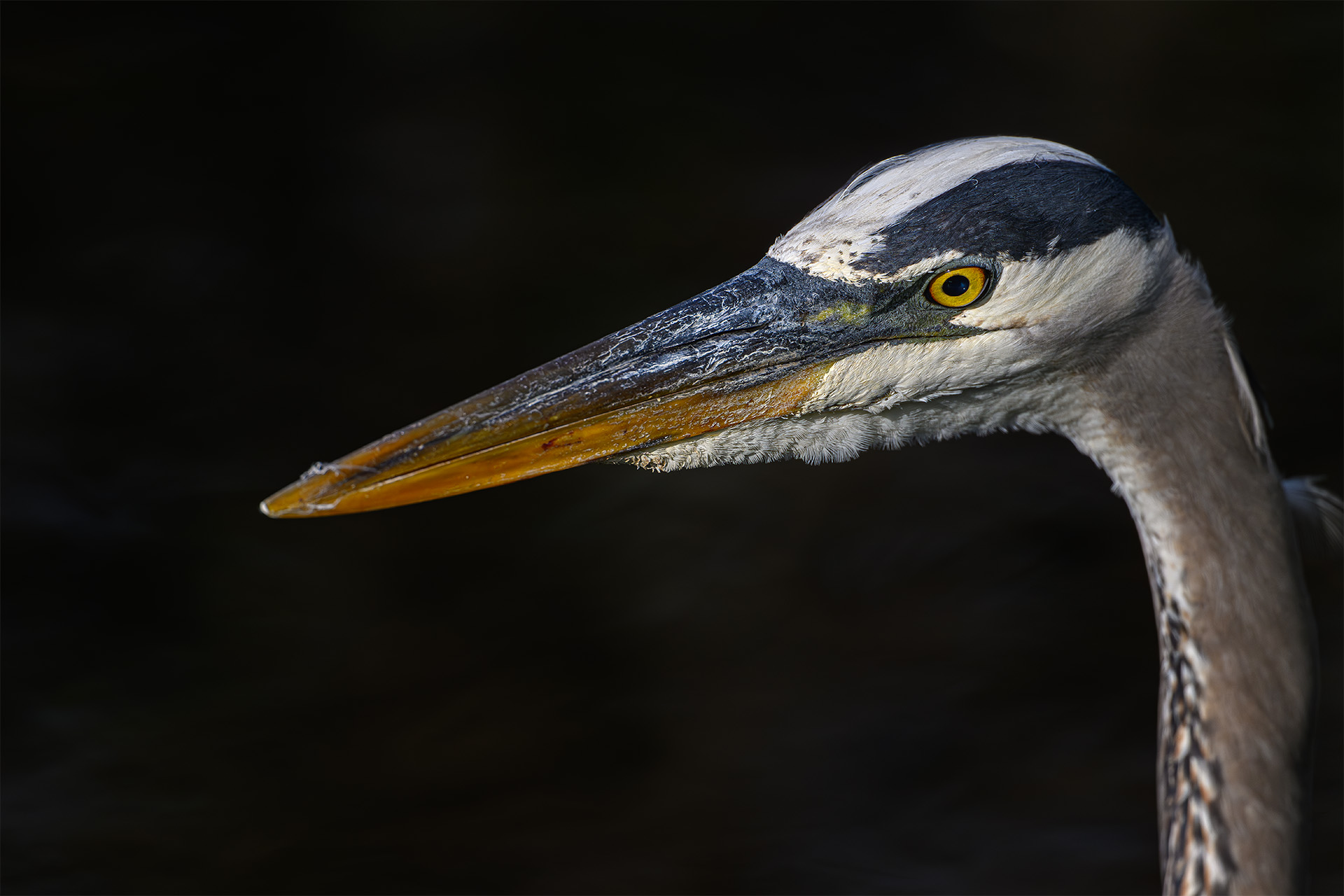
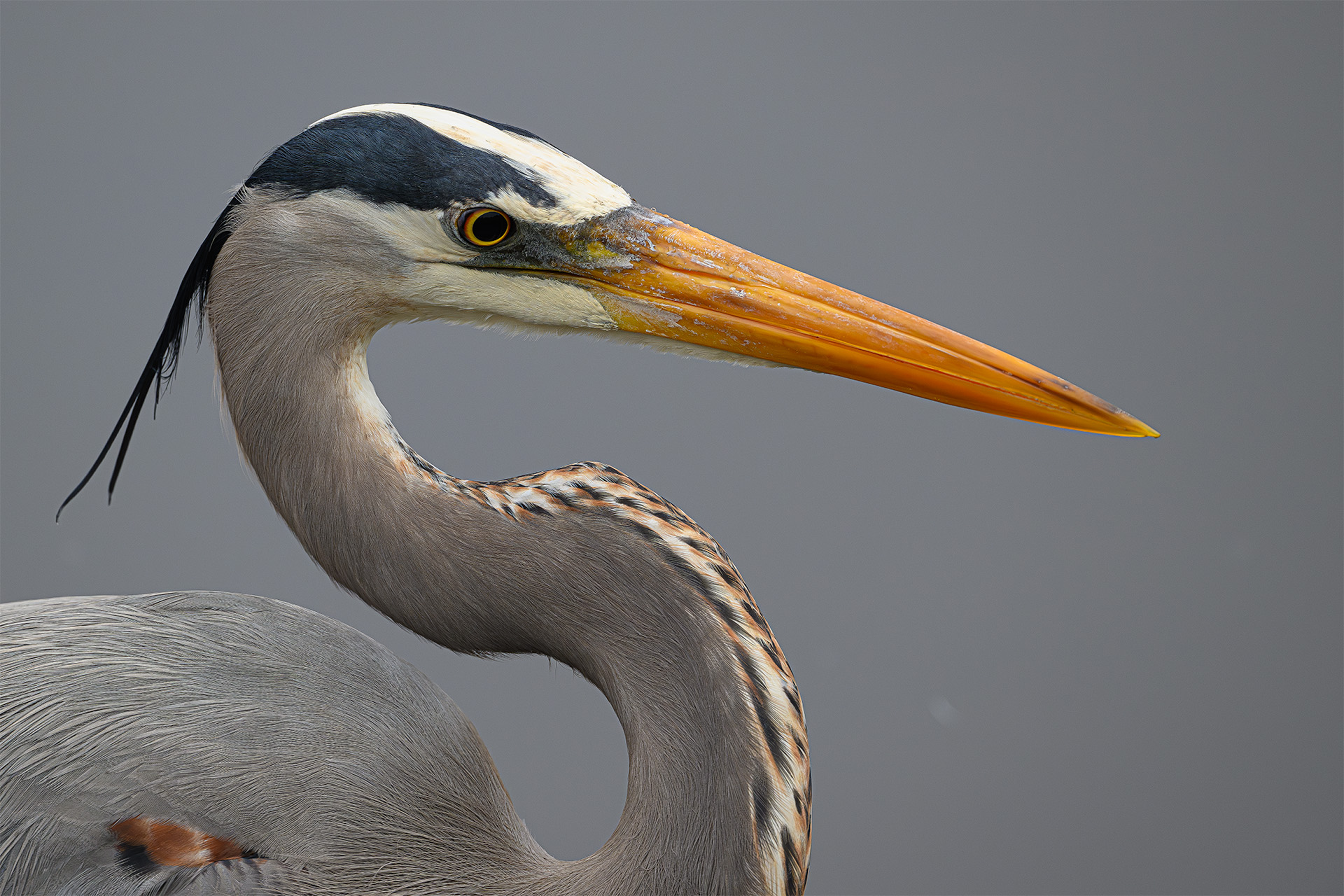
The S-curve on a Great Blue Heron charts this bird’s success as a hunter. That long neck creates an S-curve as the GBH waits and watches for prey, usually as it wades in shallow water. When it spots prey, that curve straightens in a nano-second as it reaches out to snatch its unsuspecting victim. After devouring its meal, the GBH once again settles back into the S-curve as it waits and watches for the next bite.

2025—Pupils

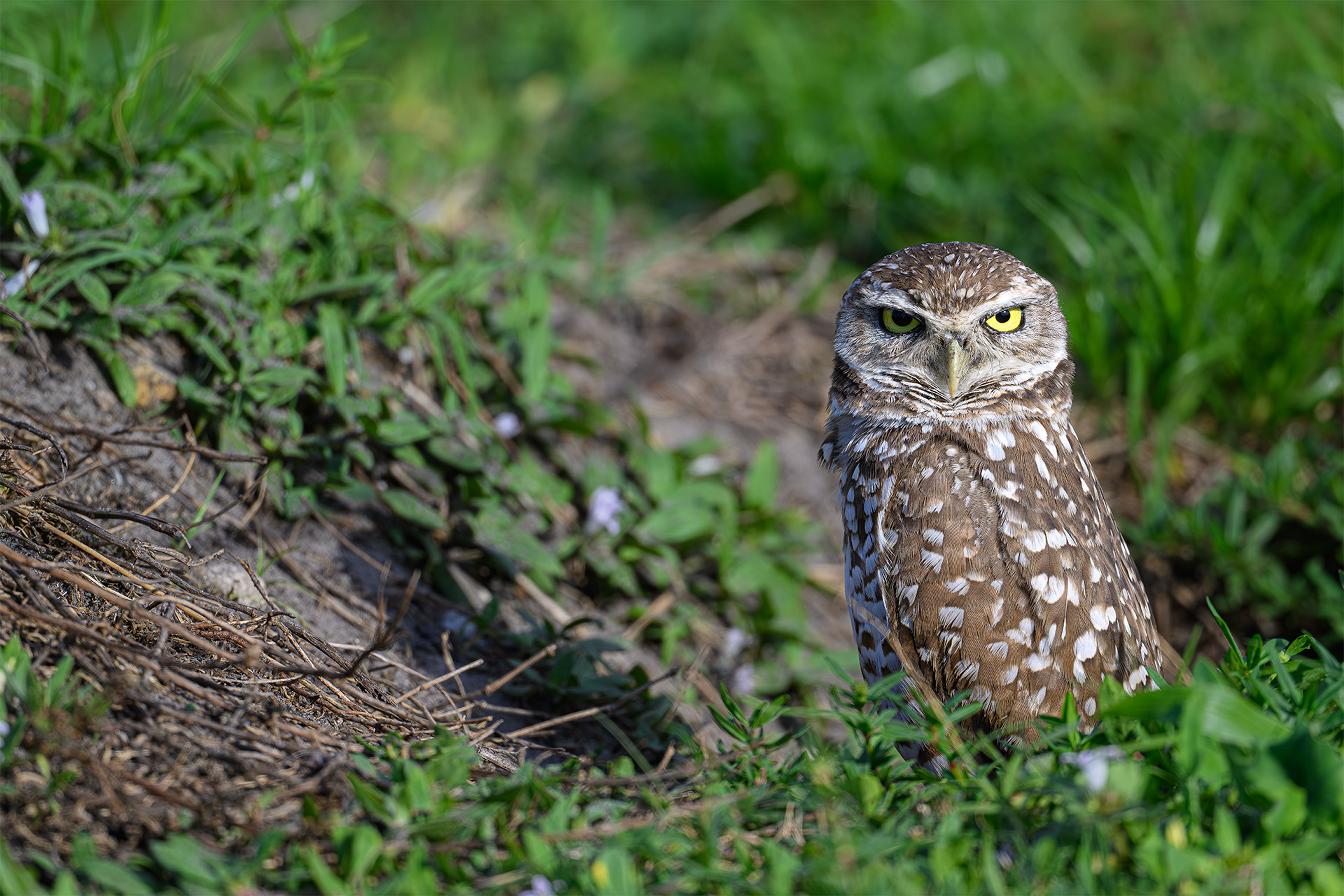
The late afternoon sun was starting to dip at Brian Piccolo Sport Park in Cooper City, Florida a few weeks ago while we photographed the Burrowing Owls that occasionally popped out of their burrows. This one, staring straight into my lens. had the sun on his left and his right eye was partially shaded by his brow. The pupil nearest the sun is small because of the bright sun and the other pupil, in the shade, is almost twice the size of the other. I thought it was kind of interesting.

2025—Plenty of Twigs

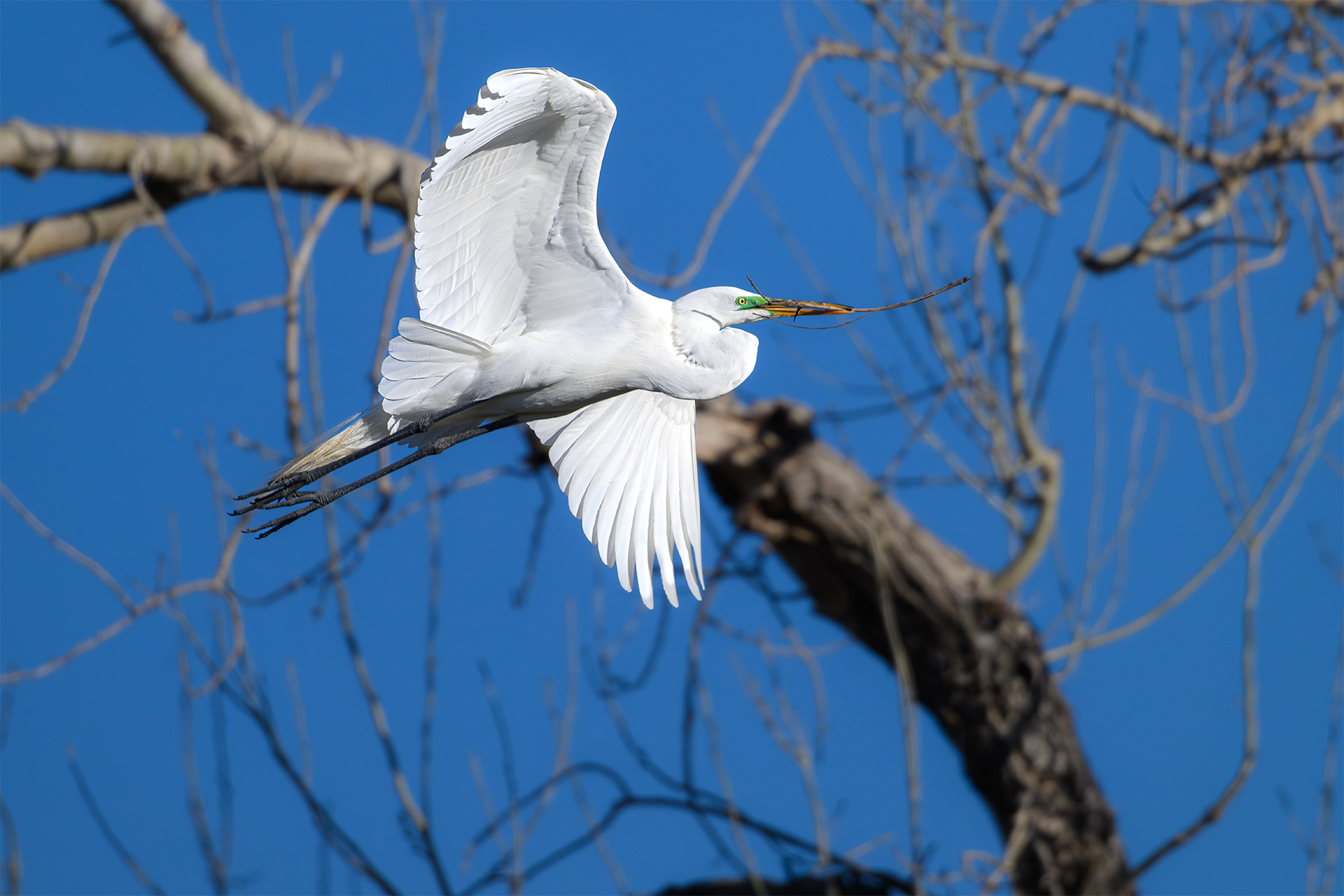
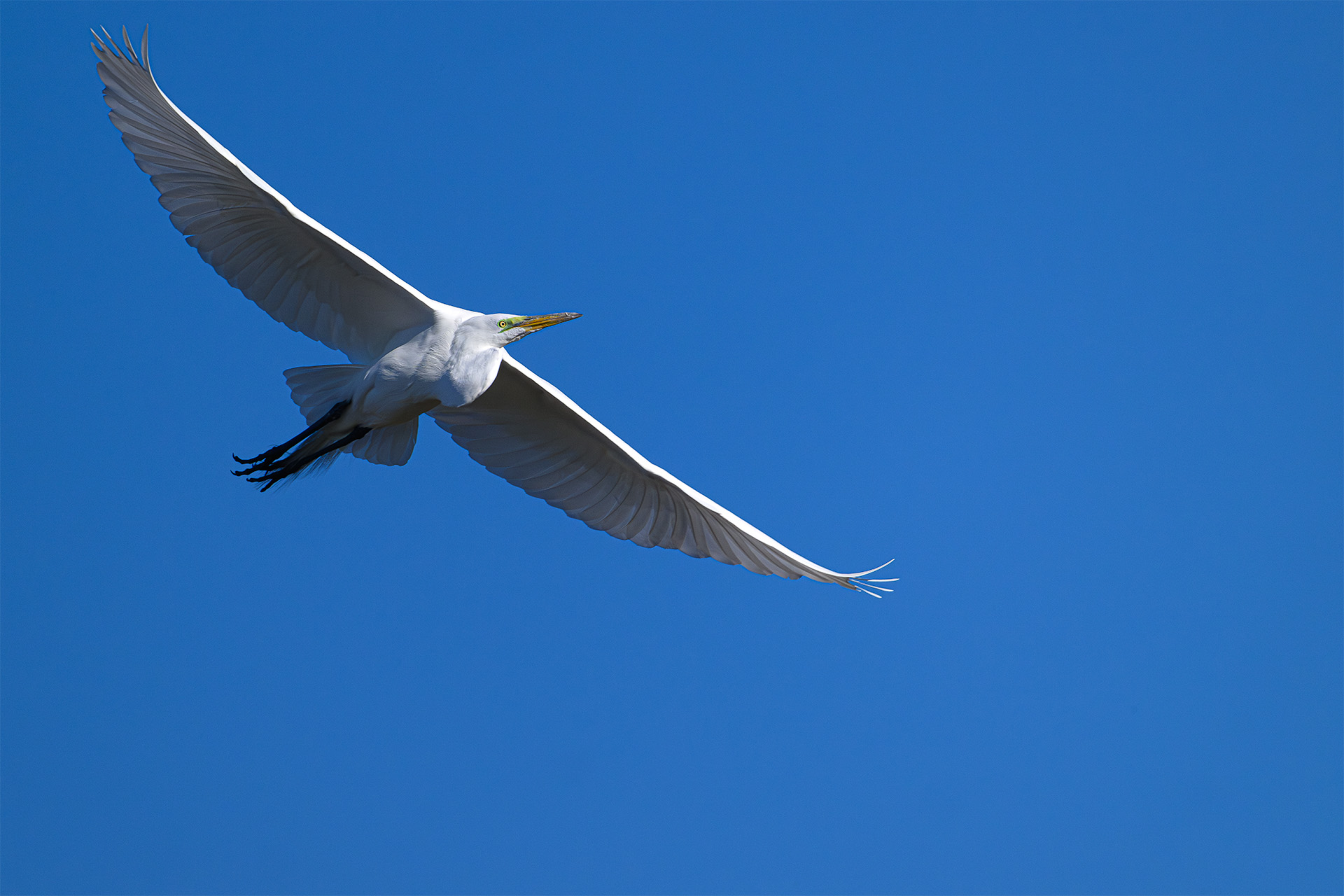
There are plenty of twigs at the Lincoln Rookery for the Great Egrets and Great Blue Herons to use as nest building material. The rookery is crowded with birds and the trees criss cross one another with branches and twigs. It wasn’t easy to capture a bird carrying a twig with an unobstructed background. This Great Egret suddenly appeared carrying a twig for its nest but until it flew directly in front of the twiggy tree, its wings shaded its body. As it flapped its wings, suddenly the morning sun caught the underside of the bird and the light helped the bird stand out from the background.

2025—Back to the Lincoln Rookery

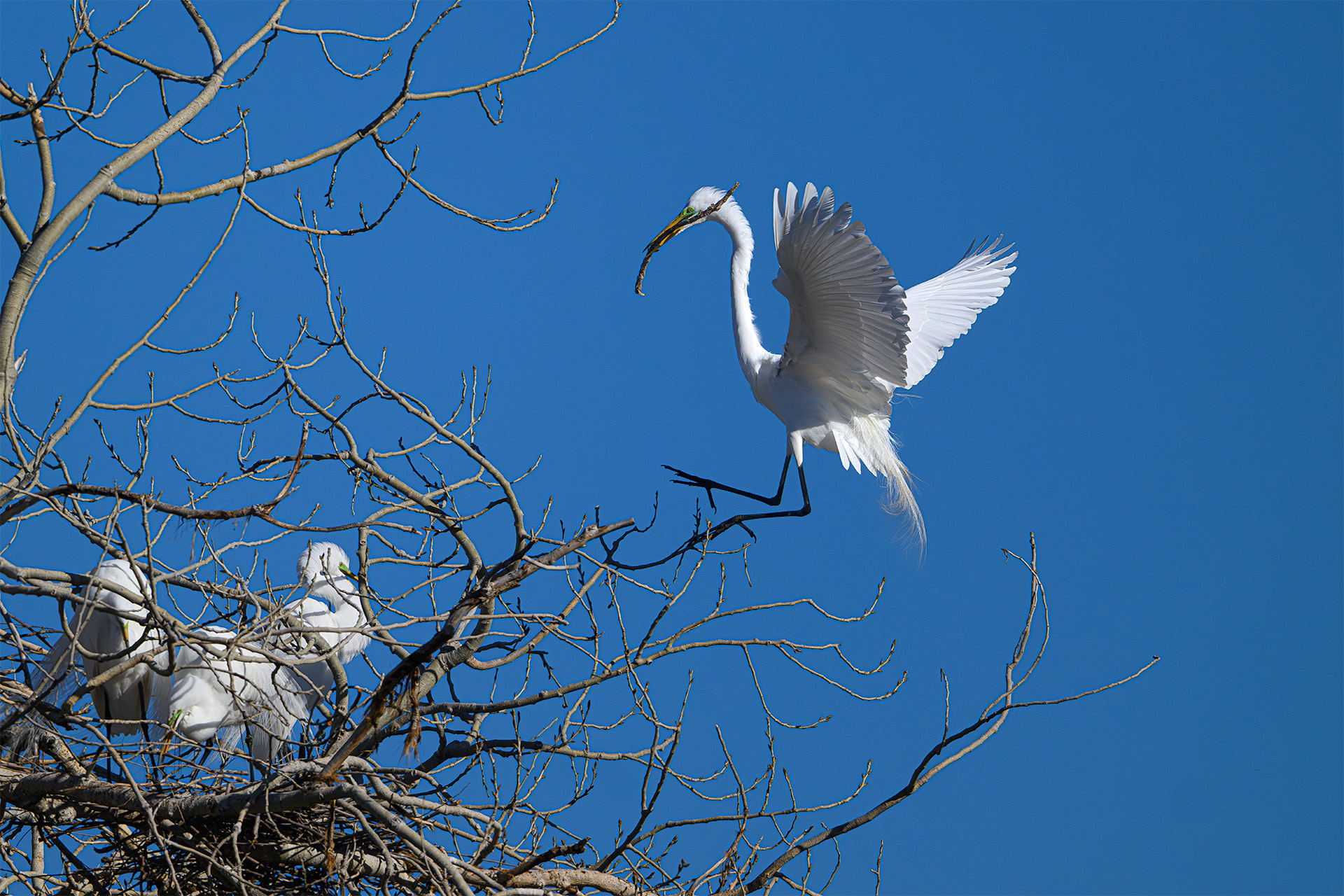
Yesterday morning I went back to the local rookery, just a couple of blocks from my home. The perfect viewing spot is directly behind the Dollar Tree Store. The Lincoln Hills Photography Club gathered there for a morning shoot. The Great Egrets are busy building their nests and a few Great Blue Herons are already sitting on nests there. This Great Egret, sporting green lores and long plumes that indicate breeding plumage, had just launched from the trees in search of more sticks for the nest.

2025—Tricolor Impressions

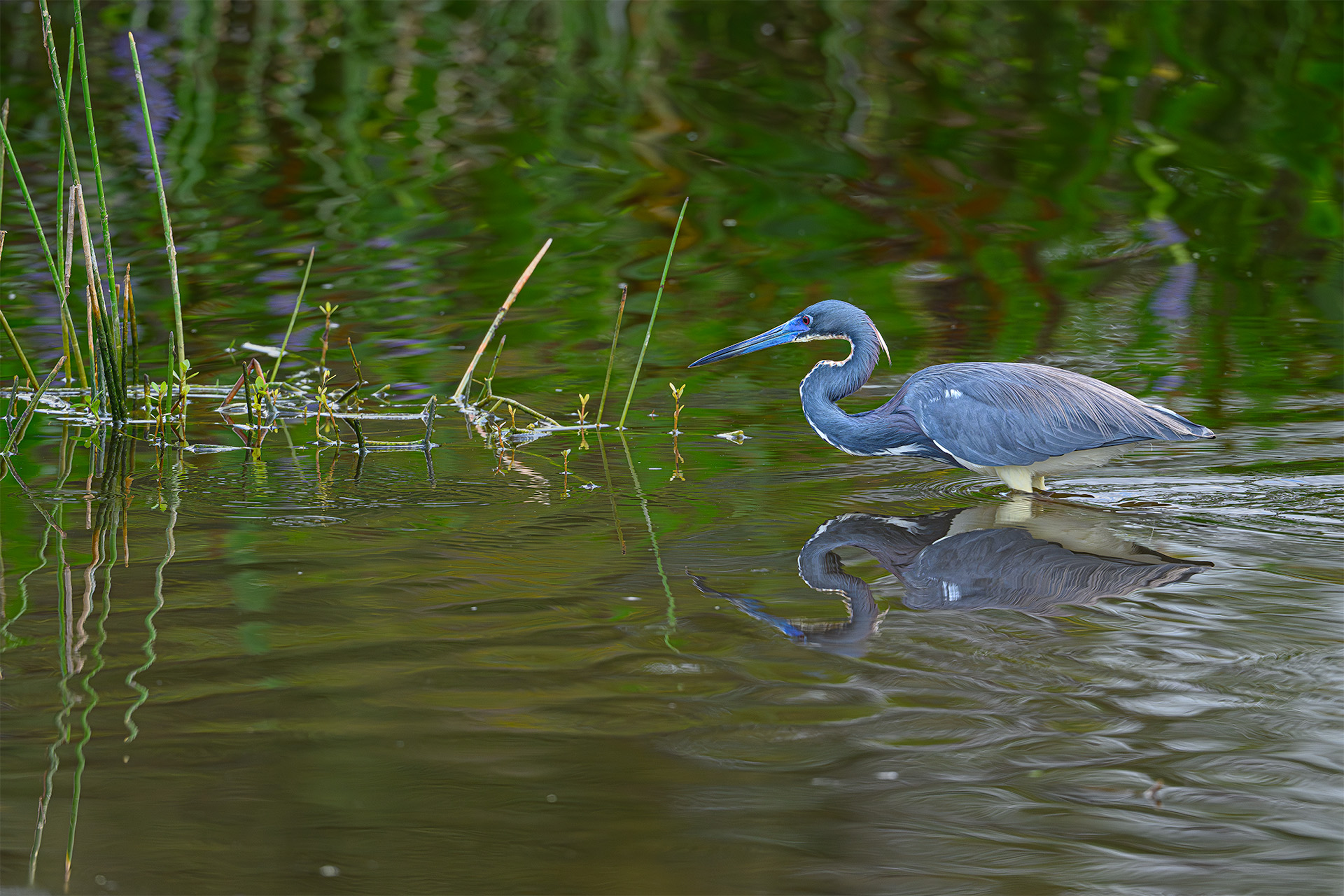
This image looks to me so much like an impressionist painting from Claude Monet that I actually looked to see if there were any water lilies in the background. The ripples in the water create a wavy reflection reminiscent of impressionist style brush strokes. The colors are similar to that in many of Monet’s water lily paintings. The bird is a Tricolor Heron, but the image itself is also comprised of three colors, the bluish purple, the green, and the light tans and whites. But this is clearly a photograph presented as I saw the scene in camera. Maybe Monet’s paintings were more realistic than we thought and his brush strokes weren’t just giving an impression of the scene, they were the scene.