2025—They’re Back!

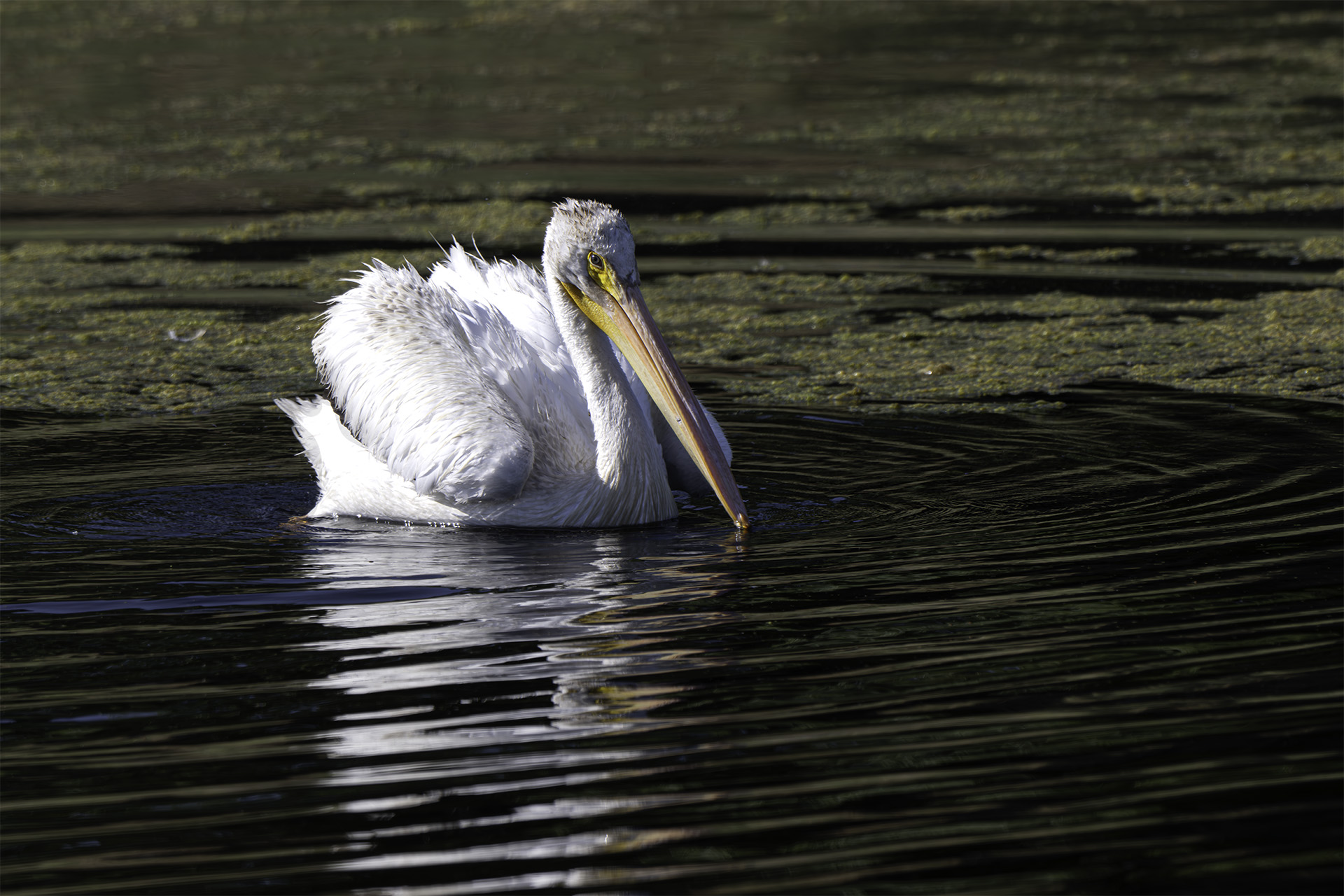
My regular morning walk takes me to Ferrari Pond, 1.5 miles from my house. I don’t bring a camera because my morning walk is about my morning walk, not photography. Yesterday morning, as I walked to the bridge over Ferrari Pond, my turn around point, someone I didn’t know told me excitedly that the pelicans (American White Pelicans) had returned. A squadron of ten or eleven was fishing for catfish. It’s fascinating to watch them gather in a semicircle and simultaneously dip their beaks into the water, often as not, emerging with a catfish in their pouch. I walked home but drove back, returning with my camera to capture a few images.
2025—Hovering

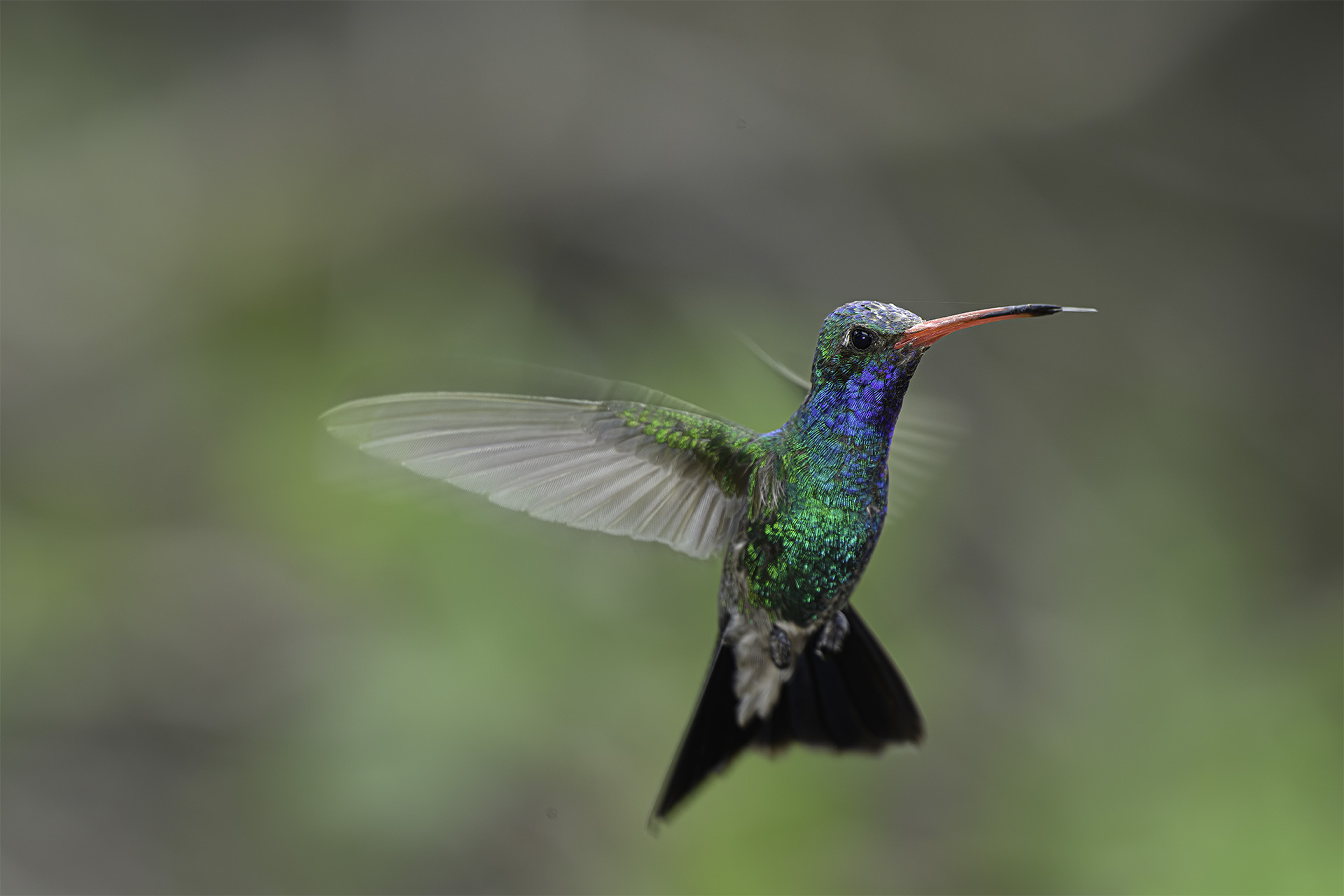
When a hummingbird hovers, it is possible to photograph that hovering bird in the air. Their wings flap but their heads seem to freeze in place, making it possible to get the eye tack sharp. When they feed, they will hover over a flower, dipping their beak into the blossom, then flying backwards a few inches, hovering, then returning to the blossom. If the feeders don’t have perches, the hummers treat them the same as they would a flower blossom. They hover, then move to feed, then move backward, making it possible to photograph them without the feeder in the photograph. When the perches have feeders, the hummers tend to land and stay until they are sated for that visit. That’s the challenge of photographing hummingbirds. Most likely, you don’t want to include the feeder in your image and this behavior makes it possible to eliminate it, at the point when the bird backs away from the feeder. They’re pretty predictable and they have a rhythm so you’re able to capture a few shots each time they back away. Once they are finished feeding, though, and they twist their bodies away from the feeder and fly off, it’s pretty hard to get a sharp image

2025—Mexican Jay

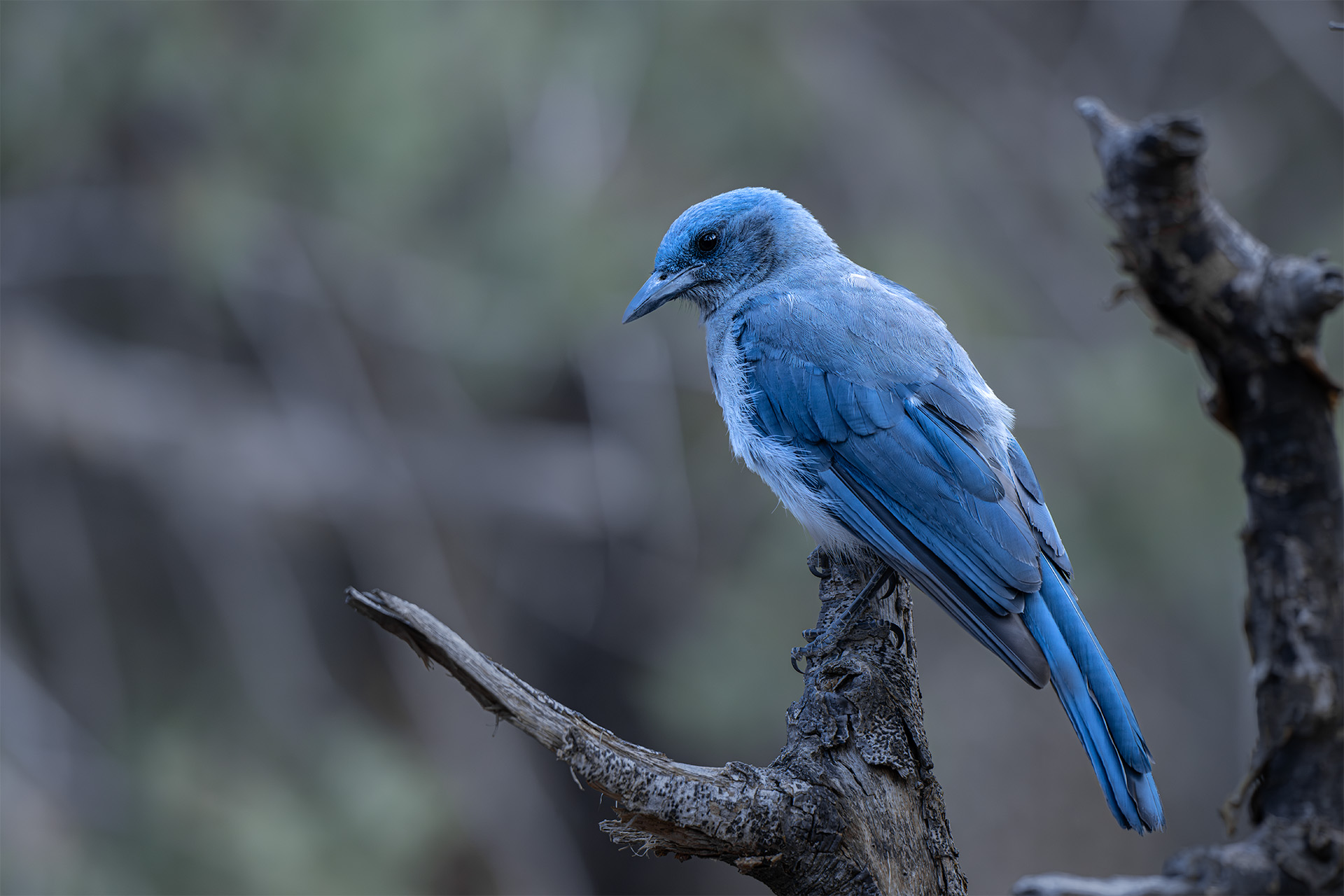
I love Jays. Jays are smart, like all members of the corvid family. I’m most familiar with the California Scrub Jay, that large, raucous blue bird that squawks loudly and harasses smaller birds at back yard feeders. In Madera Canyon, the local Jay was the Mexican Jay. The Mexican Jay was every bit as raucous as the California Scrub Jay. They came in large numbers and marauded through the trees at the Santa Rita Lodge where we stayed and where we photographed hummingbirds. A single jay visited the area near our hummingbird shooting gallery one morning but didn’t seem interested in harassing the hummers.

2025—Respite from the Frenzy

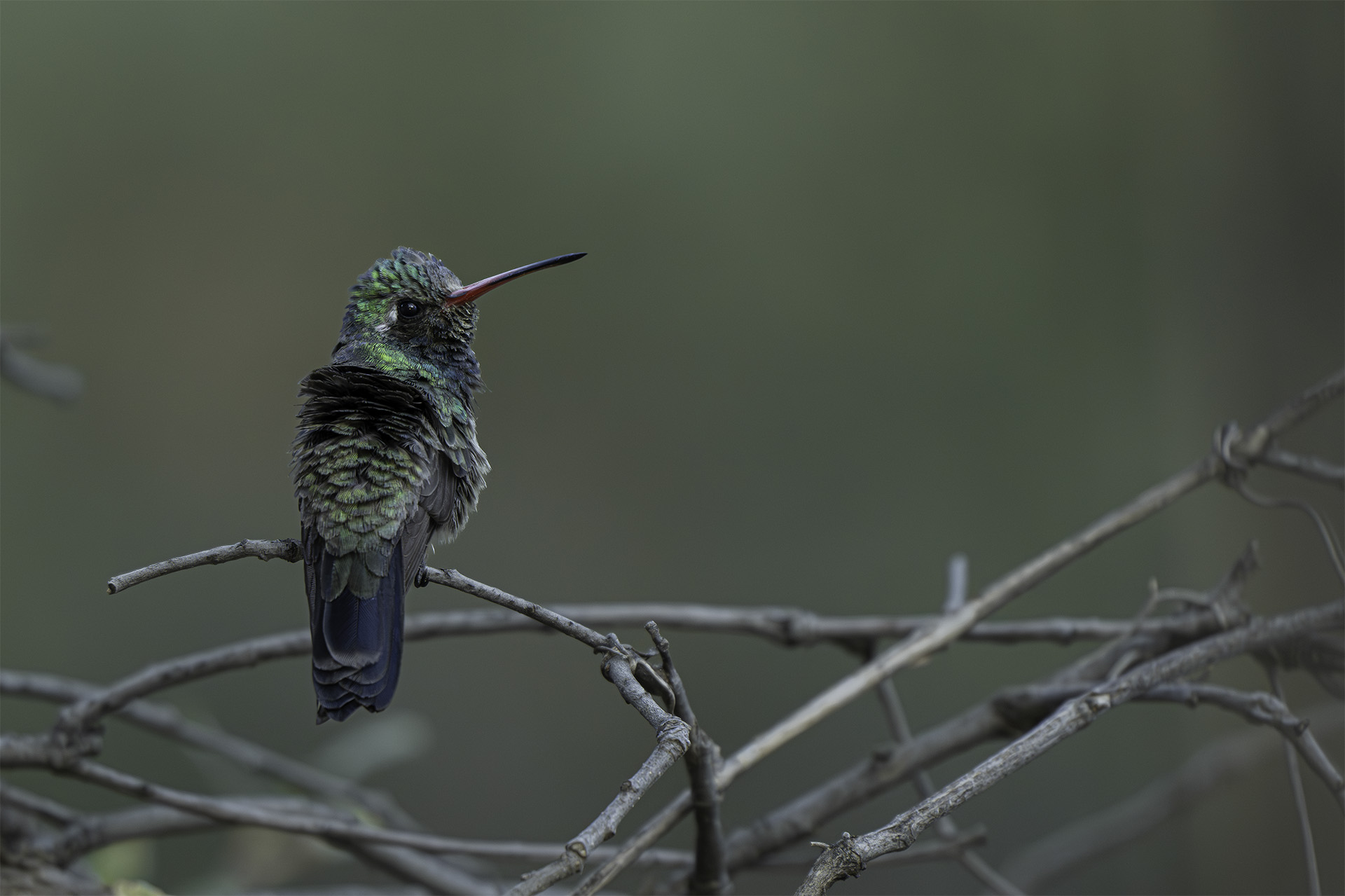
Early every morning in Madera Canyon there is a feeding frenzy. The hummingbirds are awakening from their nightly torpor and they are anxious to eat something. Moose always puts out the feeders at first light, long before we start shooting, so they don’t have to wait. Sometimes, though, they will perch and watch instead of feeding. This Broad-billed Hummingbird took a break just a few minutes after we started shooting. That morning was a little cooler than it had been and he’s a little puffed up. He probably got an early start on the nectar and was just waiting to approach them again.

2025—So Cute

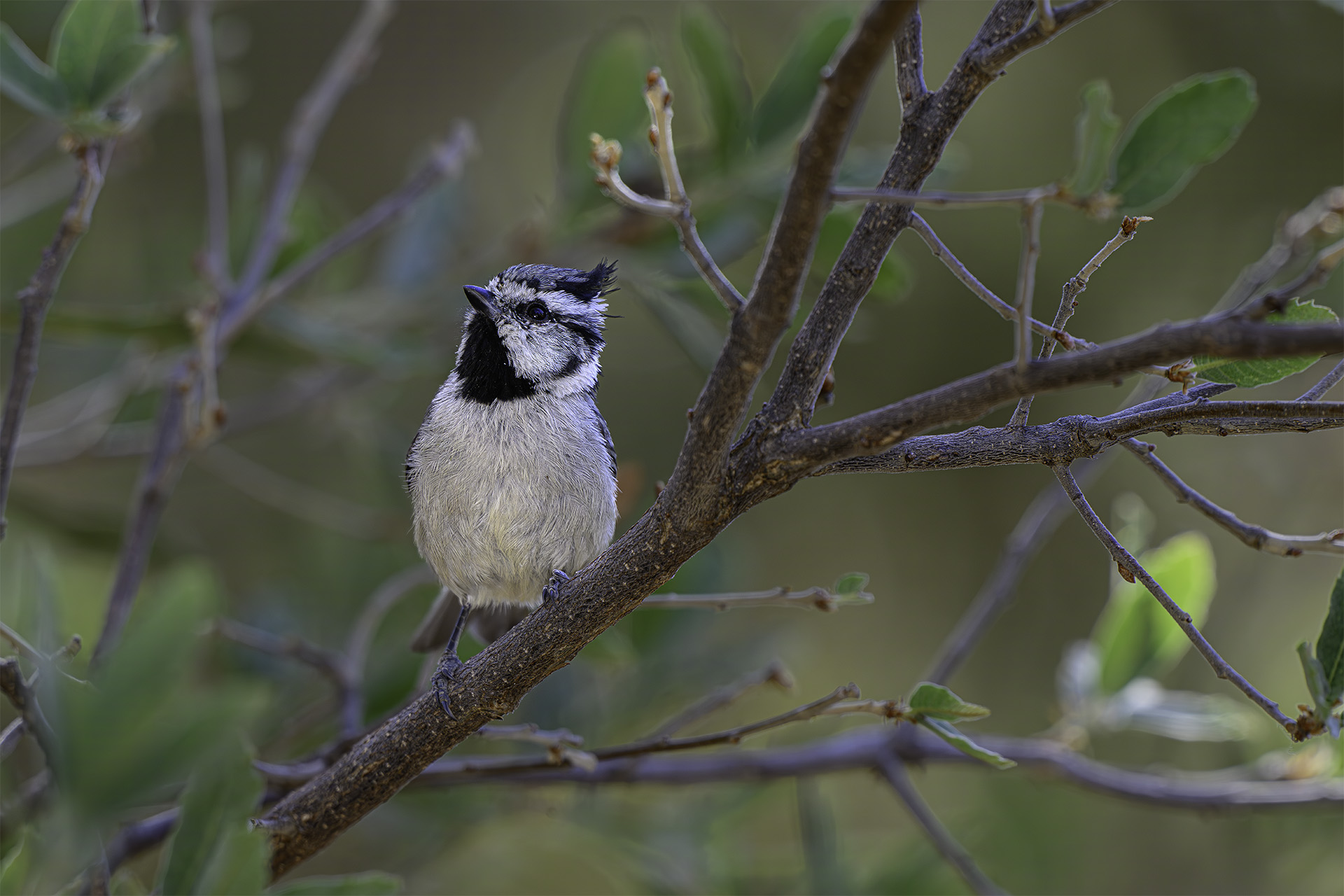
The Bridled Titmouse is the smallest titmouse and is even smaller than the Rivoli’s Hummingbird. When it showed up at our hummingbird shooting gallery in Madera Canyon last week, I couldn’t take my eyes off it. It only visited once and then only for a few minutes but I was captivated. It is irresistibly adorable with its little crest, tiny beak, and expressive eyes.