2025—Back to the Usual Suspects

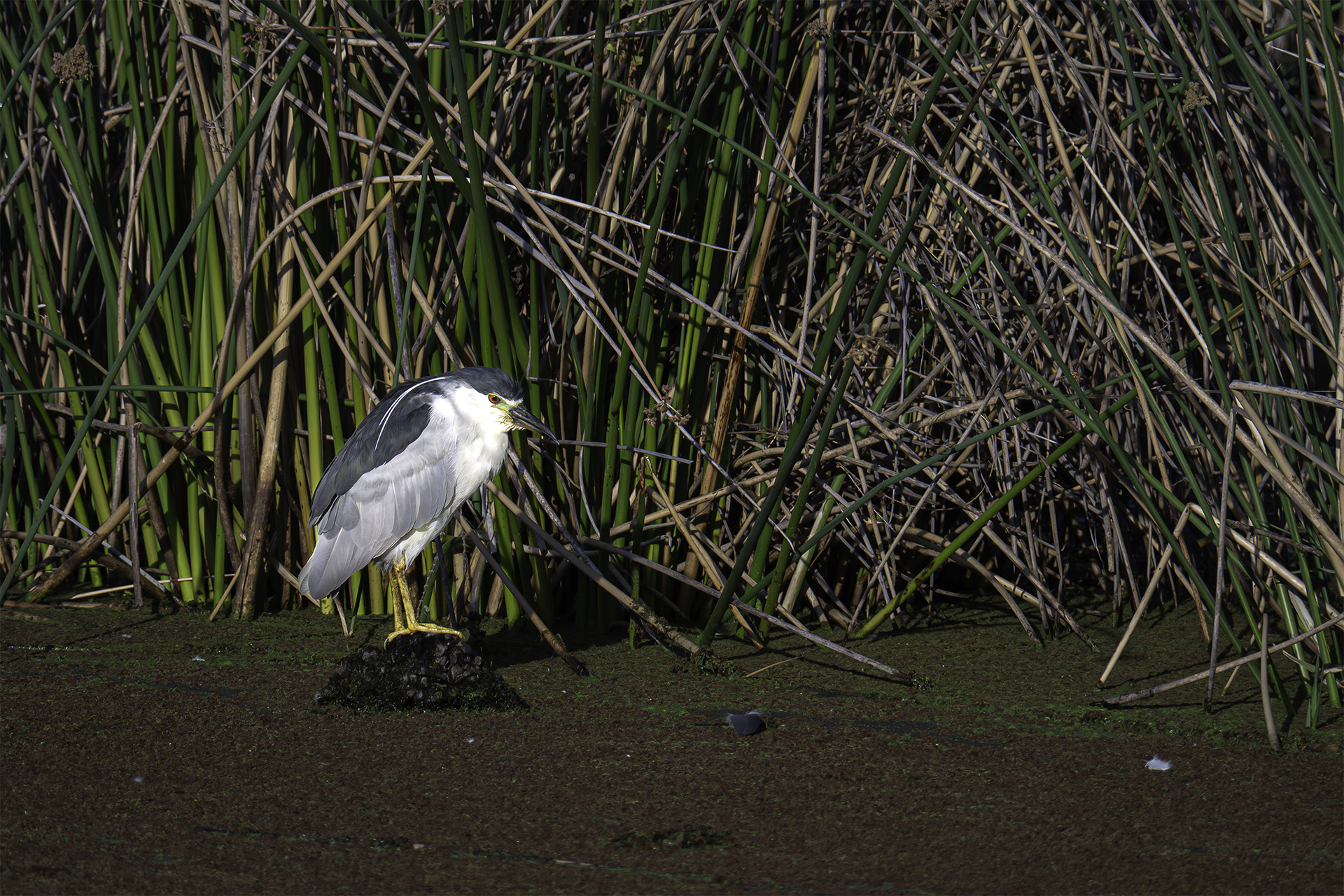
It was back to the usual suspects for photography yesterday at Ferrari Pond. This Black-crowned Night Heron still has the long white plumes on his head that appear during breeding season. I will also note that when the subject is this close to the background, the background can be extremely distracting so I wish the usual suspects would find a better place to perch when I want to photograph them. At least he perched atop a protruding rock so his feet are visible and he wasn’t knee deep in the invasive Azolla that is covering Ferrari Pond.
2025—One of the Usual Suspects

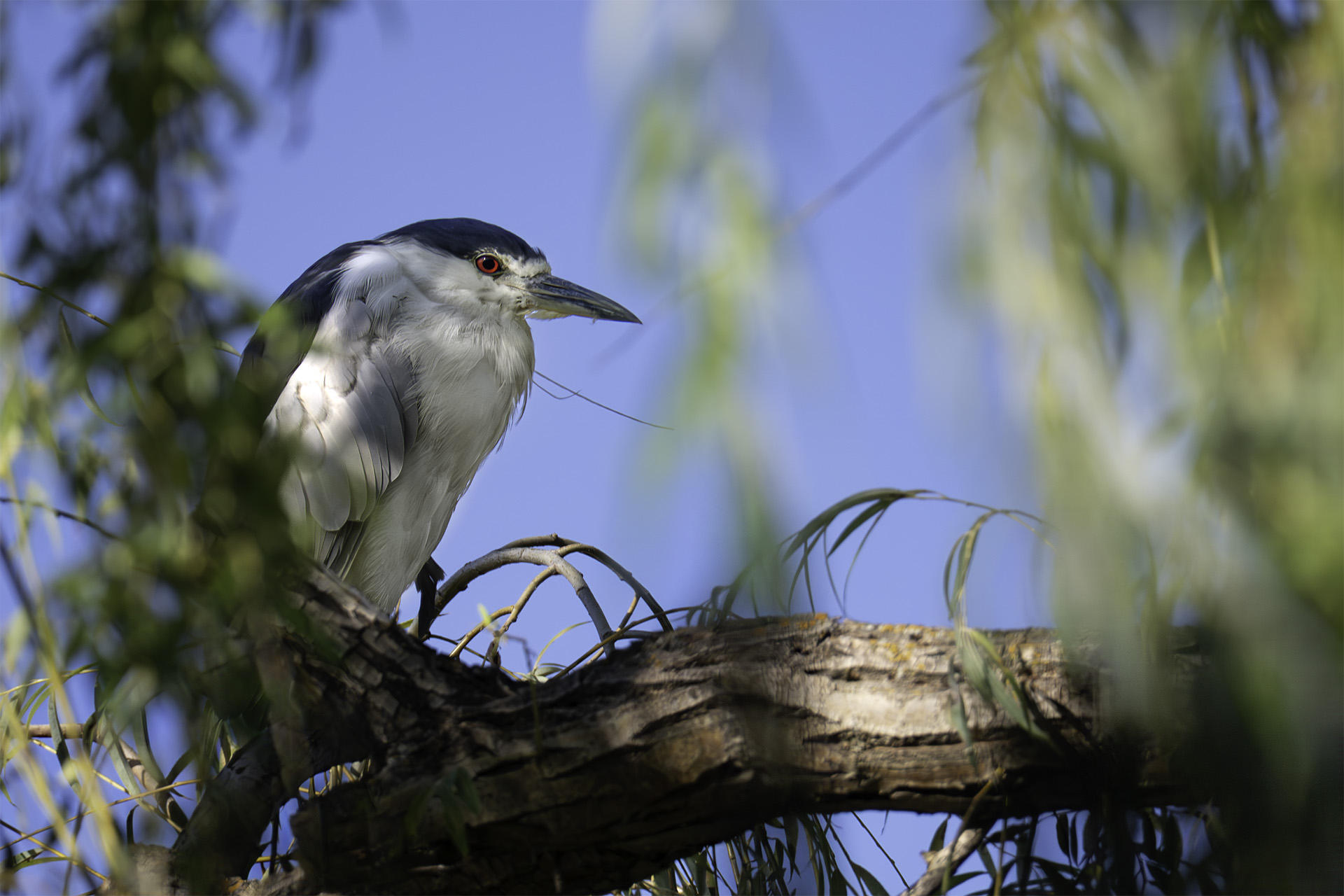
The activity at Ferrari Pond has slowed lately, despite our unseasonably cool-ish temperatures for the past week. The American White Pelicans seem to have moved on. I haven’t seen a Coyote in weeks. I’m guessing the activity will get even slower as the temperatures climb back up to expected norms in the high nineties to low hundreds this week. Of course there are the usual suspects there, including a Black-crowned Night Heron that seems to have claimed this area as his own. I seem him either in the pond near the bridge or on the spillway at Angler’s Cove. Yesterday, he wasn’t in any of his usual haunts. Instead, he was preening high up in the Weeping Willow on the edge of Angler’s Cove. I photographed him when I arrived and then thirty minutes later when I left. He hadn’t moved an inch. And, I have a better solution for my new light weight photo rig. I’m now using the Nikon Z6III instead of the Z8, saving more than half a pound. The Z6III and the Z28-400 combo makes the perfect walking around duo!

2025—A Photographer’s Friend, Part II

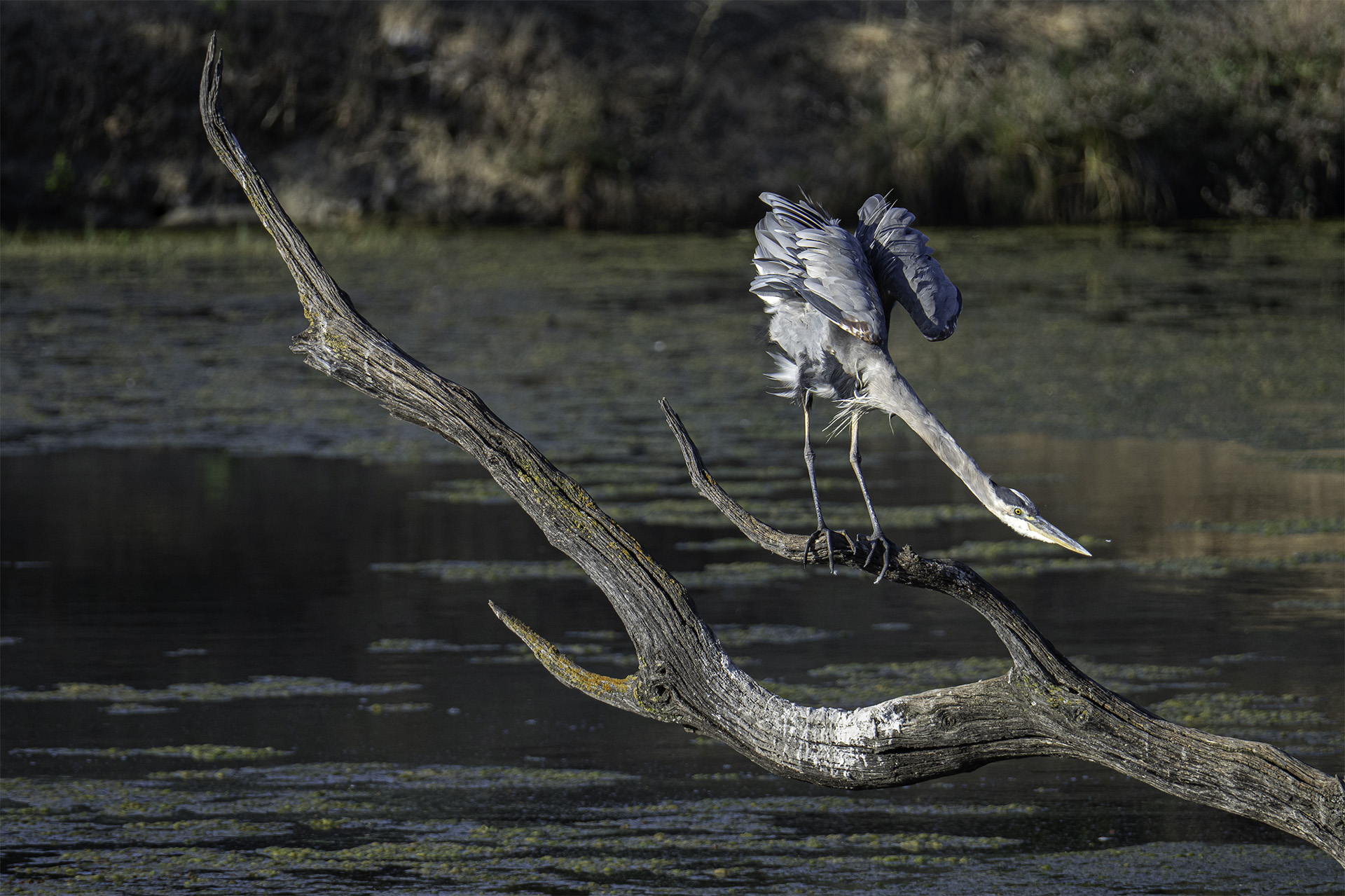
This is probably the same GBH that I featured yesterday but, once again, it proved to be a Photographer’s Friend to me on my morning walk yesterday. This is a favorite perching place in Ferrari Pond for Great Blue Herons, Great Egrets, and Double-crested Cormorants as the whitewash under this GBH attests. I was talking with a friend at the edge of the pond and not paying attention when the GBH did a slow wing stretch. I missed that stretch but captured his neck stretch that I think also served as a quick check to see if he was missing anything beneath him in the water while he was preening. He flew off shortly afterward. It was actually a pretty good morning at the pond. I photographed a Beaver swimming across, watched a Cooper’s Hawk fly over, and saw a Belted Kingfisher perch on the same dead limb where the GBH had perched.

2025—A Photographer’s Friend

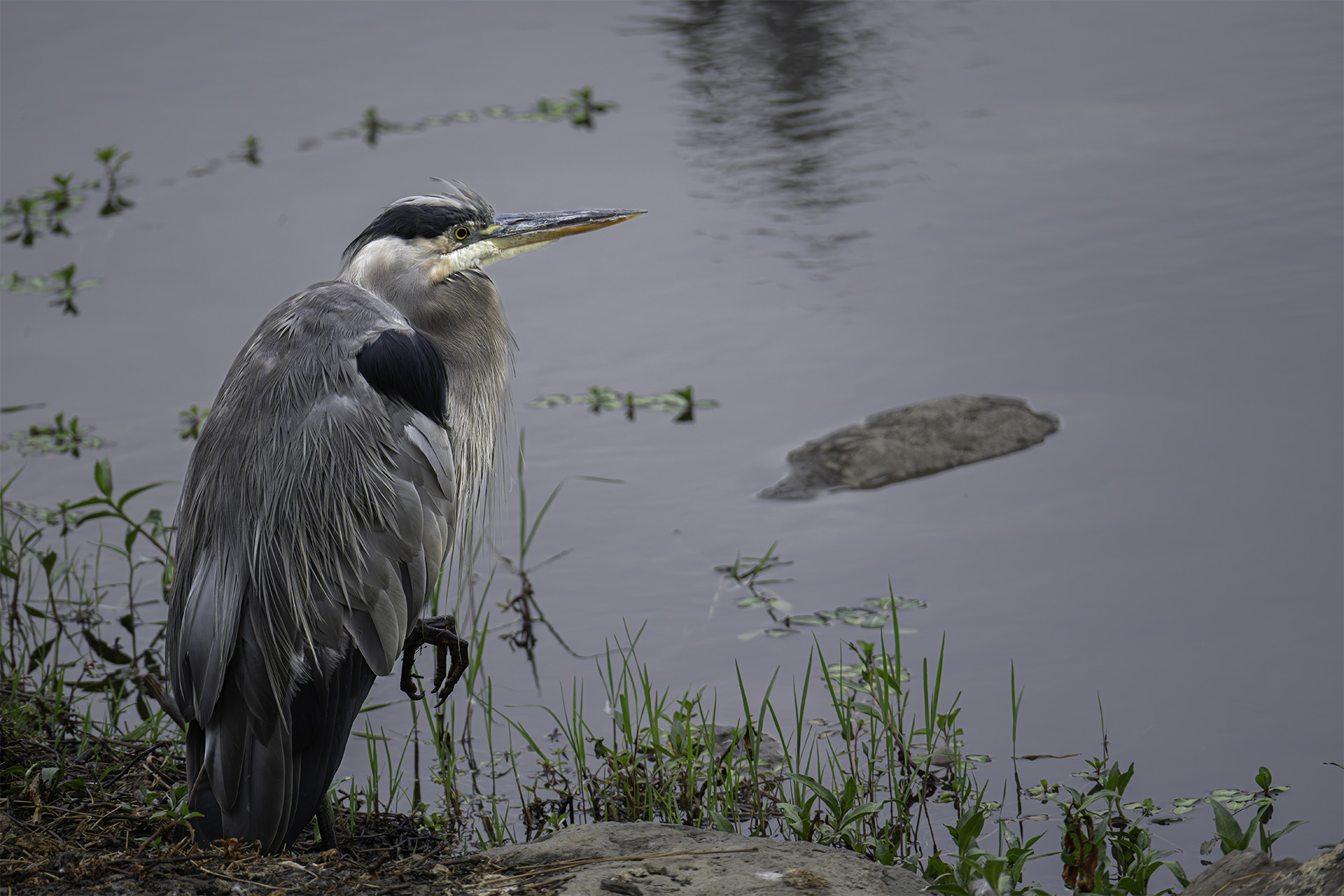
Yesterday I brought my new light weight walking photo rig, my Nikkor 28-400mm lens attached to the Nikon Z8, on my morning walk to Ferrari Pond but I arrived later than I planned so I missed sunrise there. Of course I’d hoped to see the River Otters again but, since I was ready for them, they stayed hidden. I did see a Beaver’s head in the distance swimming across one of the ponds and several Mallards swimming under the bridge. As I began my walk home past Angler’s Cove, a Great Blue Heron, often called the Photographer’s Friend because these birds are so easy to photograph, stood on the bank and preened, then lifted one foot to tuck it in to conserve warmth on this oddly chilly summer morning. Rather than return home with nothing on my first morning with the new rig, I stopped and made a few clicks…well, to be honest, I made several clicks.

2025—A Missed Opportunity

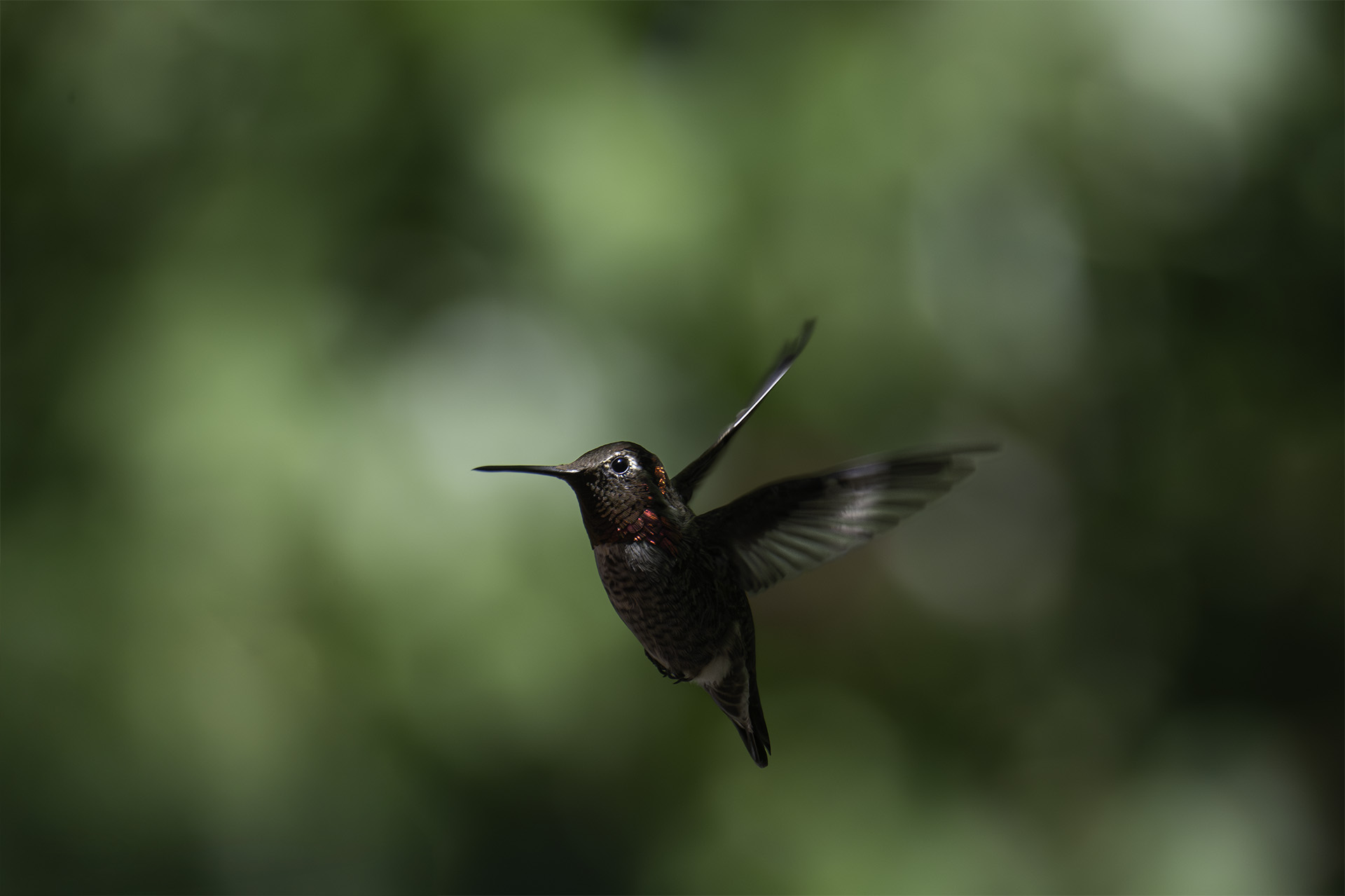
Yesterday morning, I missed a Romp. A Romp is the group name assigned to River Otters when they are on land. When they are in the water, they’re called a Raft. But I digress. Yesterday on my morning walk at Ferrari Pond, I saw a River Otter cross the trail in front of me, followed by two more, then a few seconds later, a fourth. It was my first time seeing River Otters here. As I fumbled to get my phone out of my fanny pack so I could take a record shot, all four stopped, looked at me with great curiosity then, when I finally extricated my phone, they disappeared into the tules. I’ve been going there for a few months, driving then walking the loop. I’ve gotten some memorable photographs but I stopped driving over with my heavy camera and lens because I wanted to focus on my walk so I walk there now without my camera, a 3 1/2 mile round trip. A recent visit to my doctor resulted in her admonition that I lose at least 35 pounds and that I continue walking (“How fast do you walk?” she asked me.) She didn’t seem too impressed that I completed the 3 1/2 mile round trip in about an hour and 10 minutes, or 20 minute miles. I didn’t think that was slow but I guess I will have to work on it. Now that driving over again is out of the question and that I need to keep up my walking regimen (I’ve walked over 10,000 steps each of the last seven days), I needed a lighter weight photography solution other than my cell phone which camera I abhor. I remembered my friend Emerson had a 28-400mm telephoto that weighs about a pound and a half. I contacted him to see if he would recommend the lens. He did so I hightailed it over to Action Camera, my local camera store, and bought it along with a sling bag to replace my fanny pack. I got home, went outside with it to check on the hummers and one of the male Anna’s Hummingbirds was cooperative enough and turned his head into the light for me. Hopefully, tomorrow’s post will be River Otters! So far, the new lens gets an A.

2025—Take-off

For the past few days, a couple of Black-crowned Night Herons have been hanging out in the tules near the bridge that crosses Ferrari Pond. In the early morning, I stop on the bridge and watch as they stand, almost motionless, waiting for their next meal to wander by. I do not bring my camera on my morning walks so I just appreciate seeing them. Since I’ve not photographed the local Black-crowned Night Herons recently, I’m featuring this Black-crowned Night Heron that took off from the bushes surrounding one of the ponds at the Riparian Preserve at Water Ranch in Gilbert, AZ last December.

2025—Sunrise

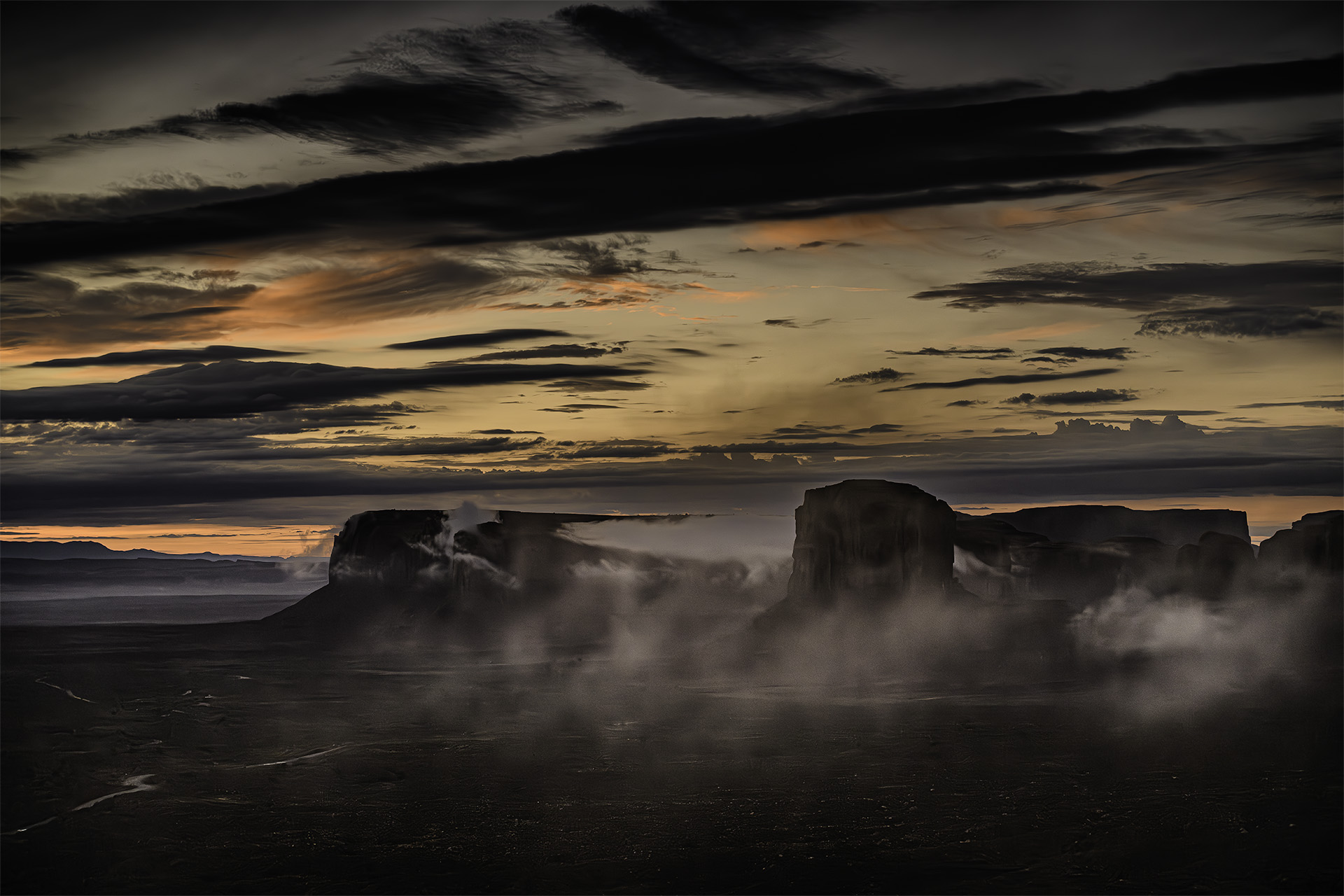
We’ve been having unseasonably cool and cloudy days. It’s rare to have clouds in the summer here. I’ve heard there have been some spectacular sunrises which I’ve missed because although I’m out for my walk by 6 AM or so, I don’t arrive at the sunrise location until about 6:30 and it’s over by then. Since I haven’t photographed one of the gorgeous local sunrises, I decided to post a similarly unusual but also gorgeous sunrise from last year at Monument Valley. Before departing on our last morning, we photographed sunrise and what a spectacular sunrise it was with very rare morning fog enveloping much of the valley and the mittens. Can’t wait to return there next year.

2025—Black Chin?

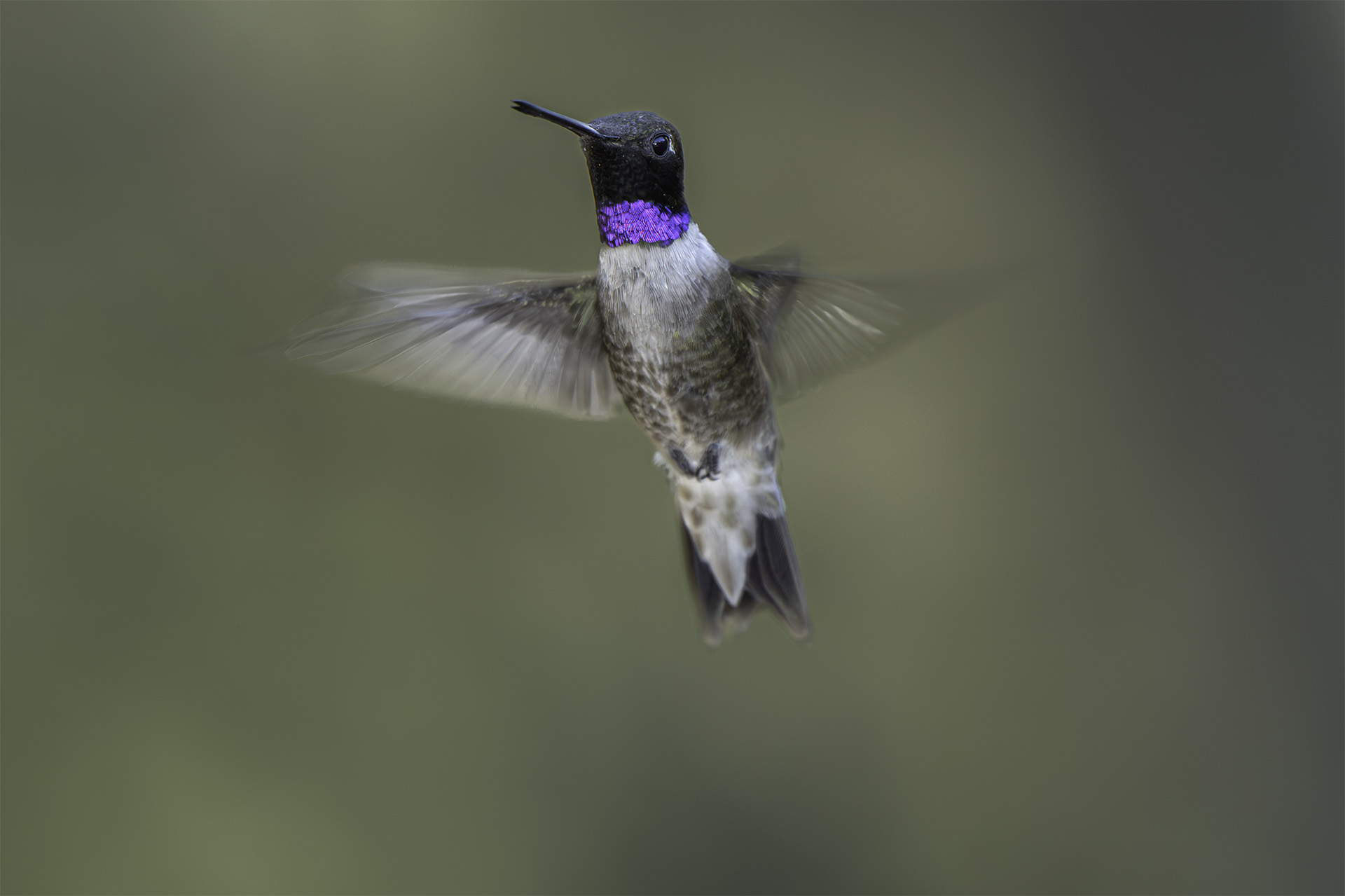
According to Sibley’s Guide to Birds, Black-chinned Hummingbirds are the West Coast equivalent of the Ruby-throated Hummingbird. I’ve always been a bit puzzled by the name as I see the position of the black gorget more as a throat than a chin. Despite that, the dazzling band of purple at the lower edge of the male Black-chinned Hummer’s gorget is stunning. This image is from Madera Canyon last month but we have them here in California as well. The males seem to hide themselves around here most of the time. While I do see female Black-chinned Hummingbirds fairly regularly, it’s been quite a while since I’ve seen a male here. I’m happy I get to see them in Madera Canyon.

2025—Temporary Reprieve?

I’ve seen and photographed Barred Owls only in Minnesota where I photographed this Barred Owl late one very chilly afternoon in January, at about -4°F up from negative 15 when we started our shooting that day. Barred Owls have been in the news in California lately, the subject of a U.S. Fish and Wildlife Service plan to kill about 450,000 of them in California, Oregon, and Washington over the next 30 years because they have been migrating steadily west for about a hundred and twenty five years and now compete with the endangered Spotted Owls. Spotted Owl populations have already been decimated by logging and human expansion into their territories for decades but somehow because another similar species is now competing with it, last year, the U.S. Fish and Wildlife Service decided to implement this plan. As the Los Angeles Times so succinctly stated yesterday, the purpose of this plan is “to protect one threatened owl by killing a more common one.” Fortunately, there is a move afoot to stop this and ironically, it is a bi-partisan effort probably for different reasons but if it gets the project stopped, that’s a good thing. Cost cutting measures will likely be the reason the effort is killed, not that the plan cruelly prioritizes one species over another. I’m keeping my fingers crossed that the Barred Owl gets a reprieve, and not a temporary one, from this threat.

2025—So Expressive

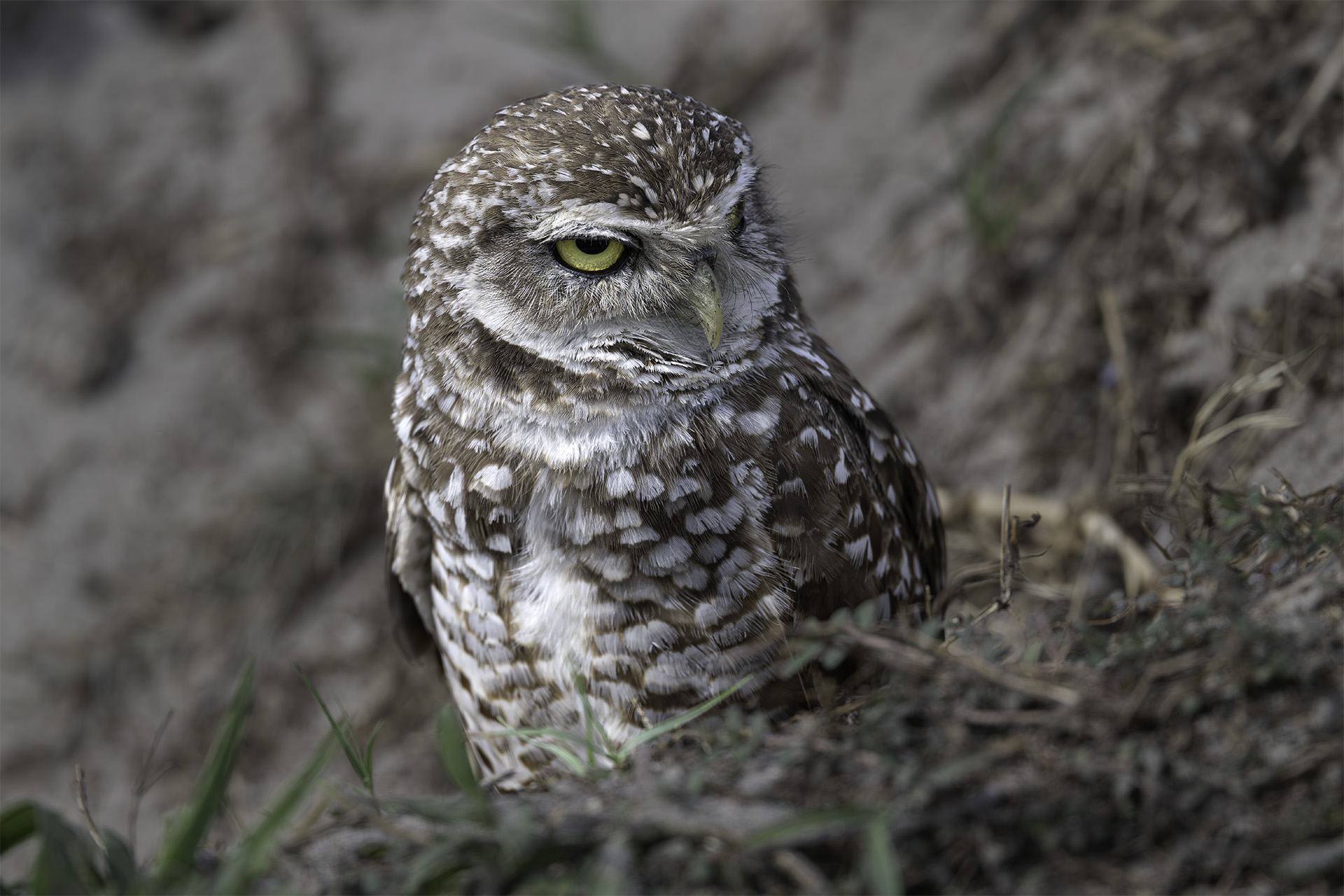
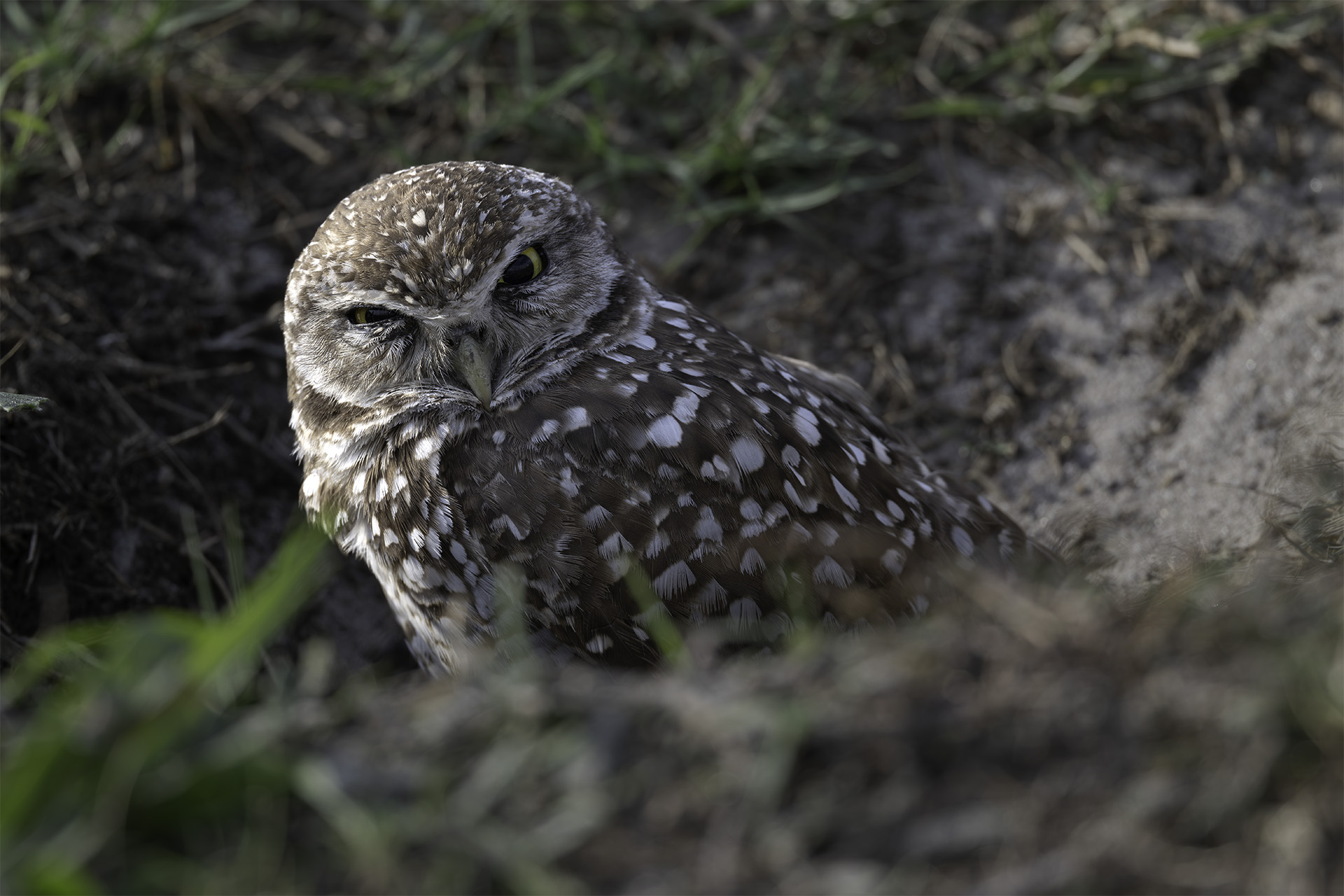
Burrowing Owls have such expressive eyes. When you watch a Burrowing Owl for a while, and while it watches you, you’ll see lots of different expressions. The look in the third image was not directed at me but I think it was more annoyance at his mate who, as this one tried to nap, the other one was doing some housekeeping in the sandy burrow that kept a steady stream of sand raining down. This is from this past February at Brian Piccolo Sports Park in Cooper City, Florida. Several of the soccer fields were closed while the Burrowing Owls were in residence.

2025—The Least of Which

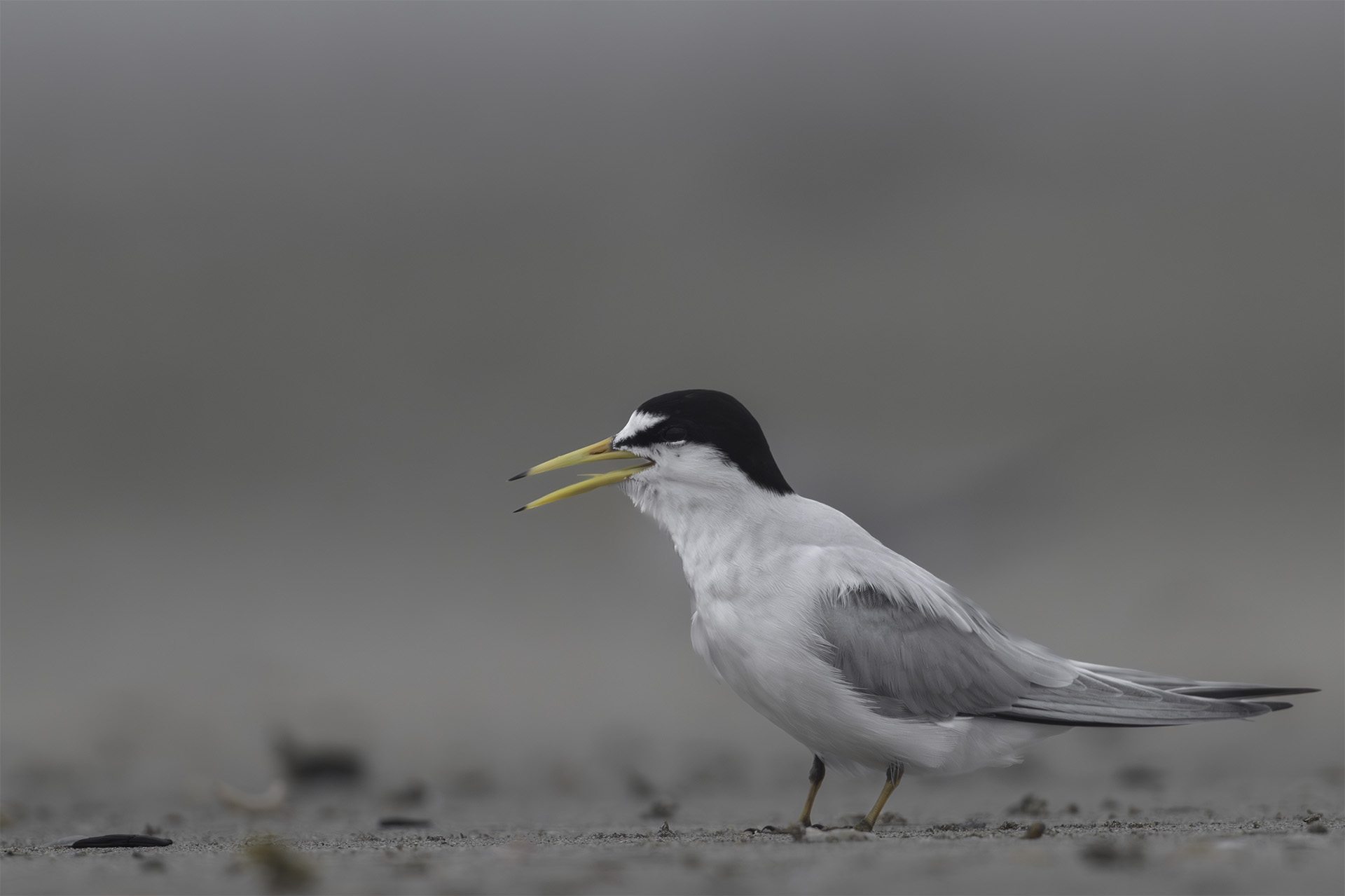
Back at Bolivar Flats in Texas last year, I photographed an adult Least Tern in full breeding plumage. It was alternately preening and scratching the top of its head, which I suppose could be part of its preening ritual. At the end, after several minutes, it squawked. As I recall, it either flew off or another bird caught my interest.

2025—Meow

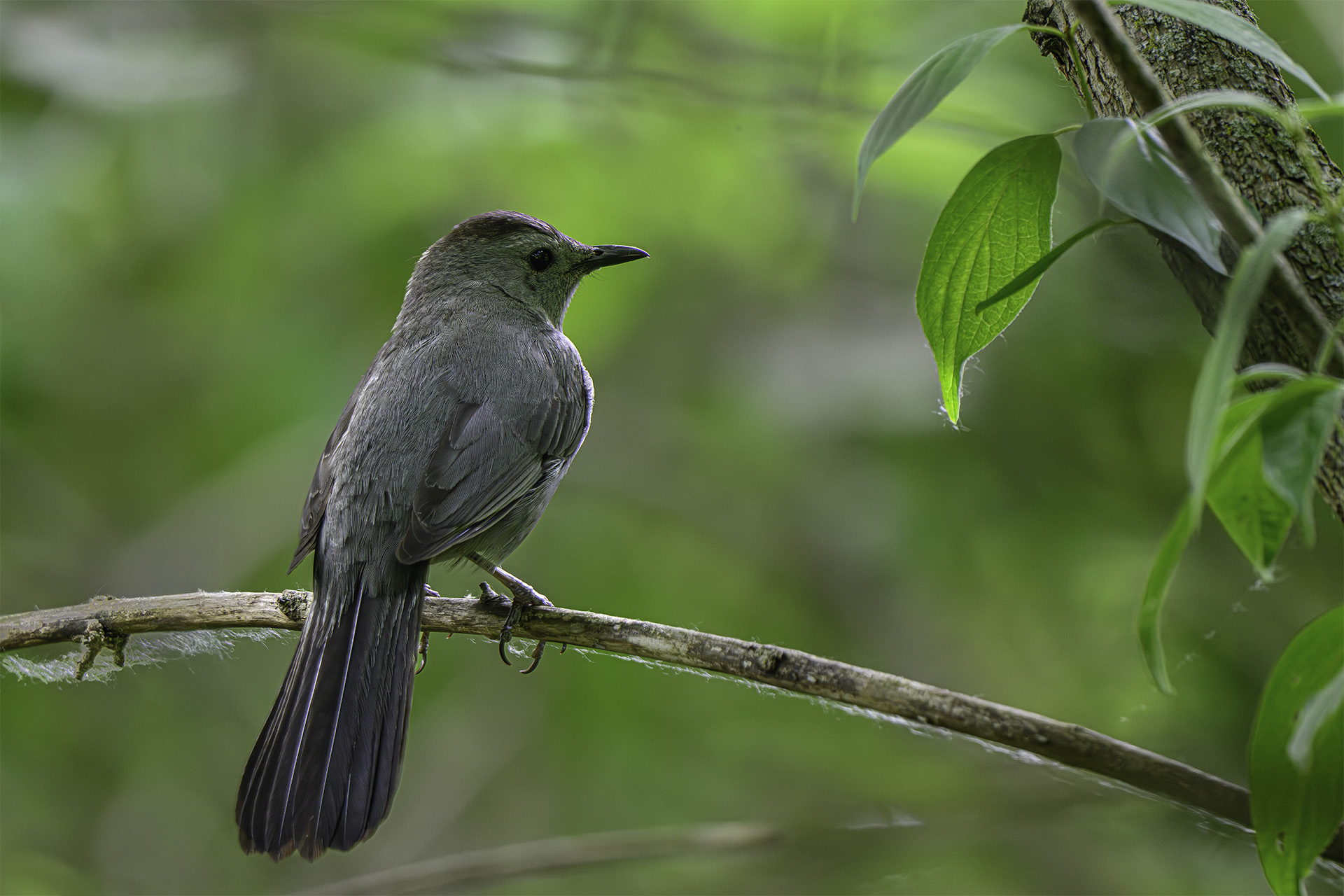
From all appearances, the Gray Catbird doesn’t look like a stand out at Magee Marsh like the Yellow Warbler and Prothonotary Warbler with their bright yellow feathers. But stand out it does. Not from its appearance but from its song…like a meowing cat, hence, I presume, its common name. It is a persistent sound, a mewing and actual meowing that at first is mere background noise until it is suddenly all you can hear. On several occasions at Magee Marsh in June, I would be focused on a bird when I would realize that all I could hear was the Catbird’s persistent meowing. Maybe it was trying to get me to pay attention to it. Well, it worked. It’s kind of a cute little bird and I swear, if I didn’t know it was a Gray Catbird I was hearing, I’d be convinced it was a four-legged cat calling out to be fed.

2025—On Display

Yesterday, I made my first gallery print sale! I was thrilled. An hour later, I got another call about the print. So within one hour, I had my first and second gallery print sales, both of the same image! This print has been on display at Orchard Creek Lodge in Sun City Lincoln Hills for the past couple of weeks along with photographs from other members of the photography club at Lincoln Hills. There’s a lot of talent there and I was honored to be recognized.

2025—Flying Kites

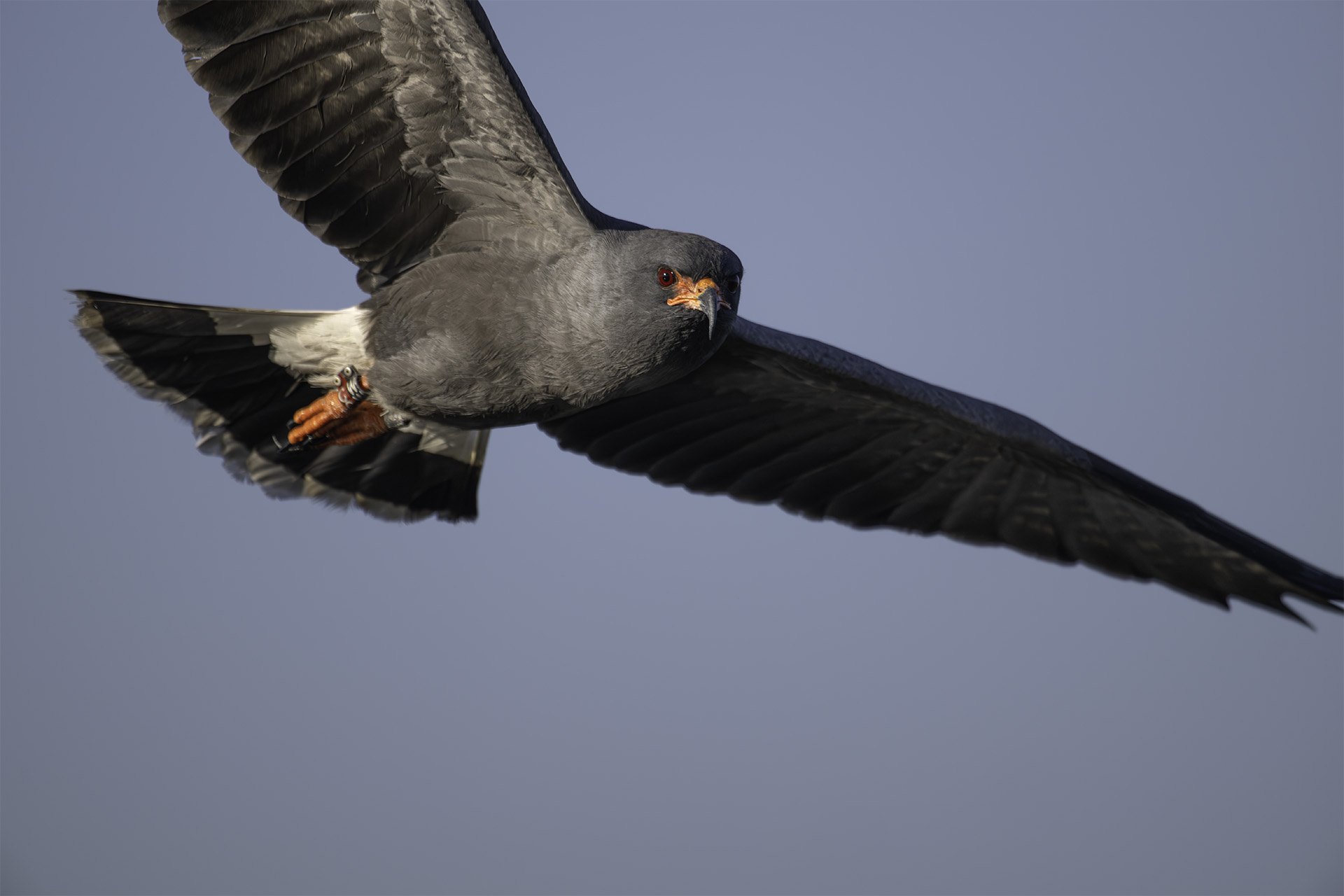
March is traditionally kite flying season so I guess it’s appropriate that I’m returning to Florida next March to photograph Snail Kites! I love Florida Snail Kites and photographing them from an airboat piloted by an extraordinary captain who knows the birds and knows how to keep perfect pace with them while we photograph them is an absolutely magical thing to do. This endangered Everglades bird has been brought back from the verge of extinction both through the efforts of conservationists and through its own amazing very recent evolution. When the Florida Snail Kite’s diet, the Apple Snail began to disappear and a larger, Brazilian Apple Snail invaded the waters where these Kites live, an extraordinary thing happened. The bills of these birds, whose diet is almost exclusively Apple Snails, began to change within a decade or so to adapt to the larger Apple Snail so they could easily extract the snail from its shell. These birds are a remarkable example of survival of the fittest.

2025—Back to the Broad-bills

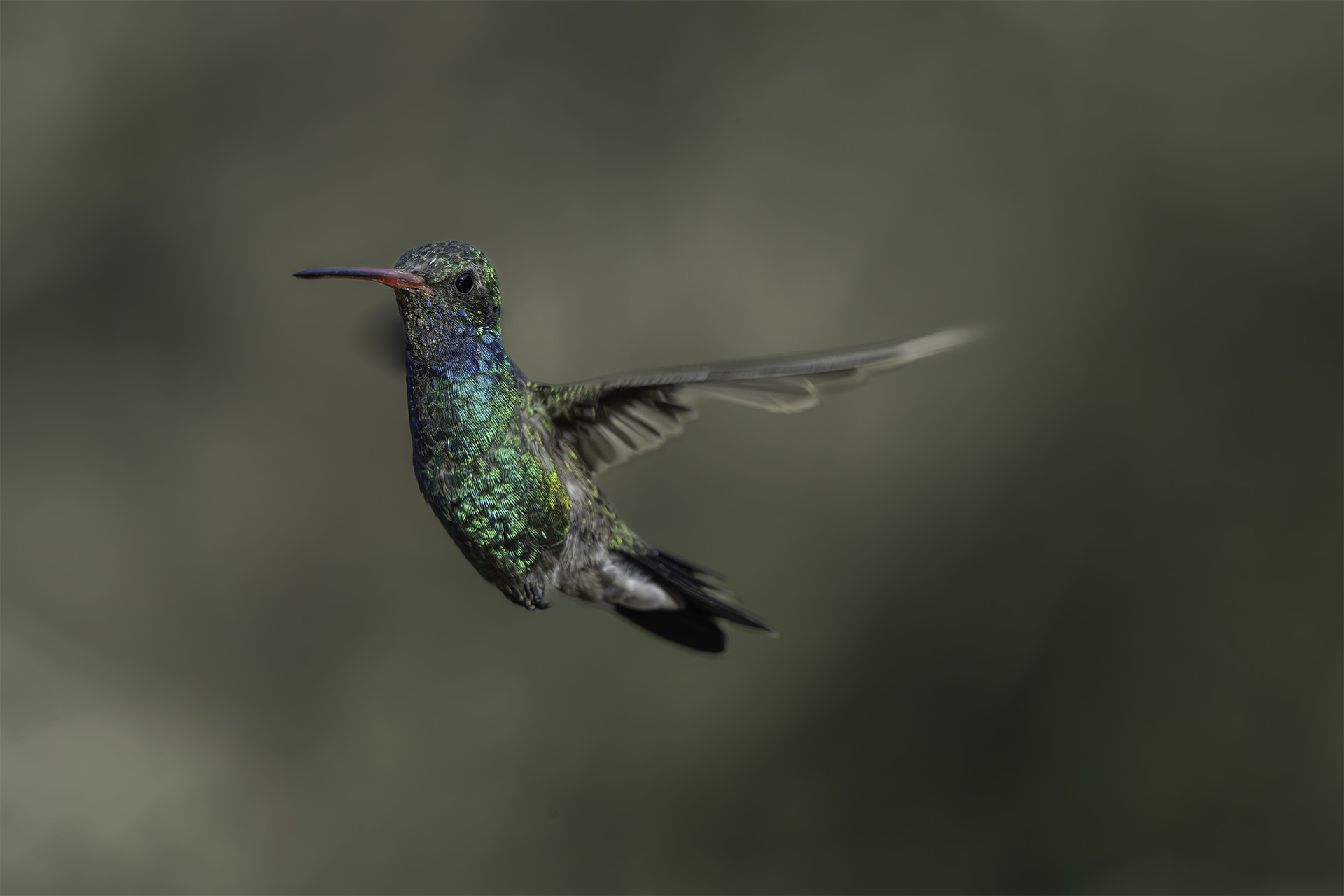
I’m still savoring my trip to Madera Canyon and the hummingbird extravaganza we experienced there in June. While the Broad-billed Hummingbirds outnumbered the other species of hummingbirds there, we had our fair share of Rivoli’s, Black-chinned, and even quite a few Beryllines. This is likely a juvenile Broad-billed male as he is not completely bejeweled with the dazzling colors of a mature male and his wing feathers have not filled out. But, regardless of what stage these hummers are in, they are still spectacular and I sometimes have to pinch myself that I am actually seeing them live.

2025—White-breasted Nuthatch

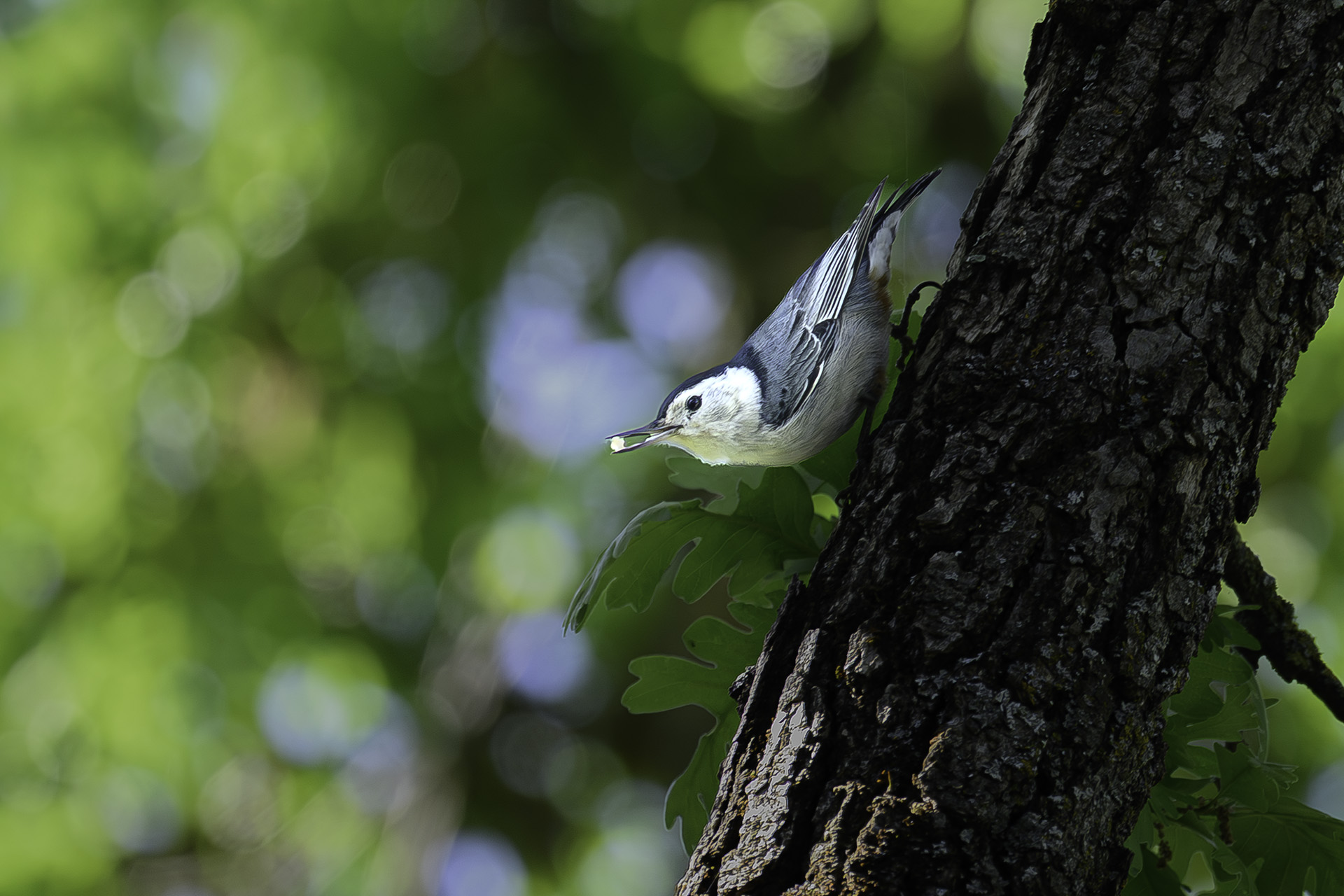
A couple of months ago, my photography club had a project that had its members documenting various activities of residents in Sun City Lincoln Hills. I was assigned to photograph an outing of the Birder Group to the Linda Creek Open Space Preserve a few miles away in Roseville. I used a wide angle lens to document the members as they walked the trails and pointed out birds. After a couple of hours, I decided I wanted to photograph birds and I had documented enough pointing fingers, so I switched to my 400mm lens with the 1.4TC attached. This is the only bird I photographed that day, a White-breasted Nuthatch.

2025—Star of the Week

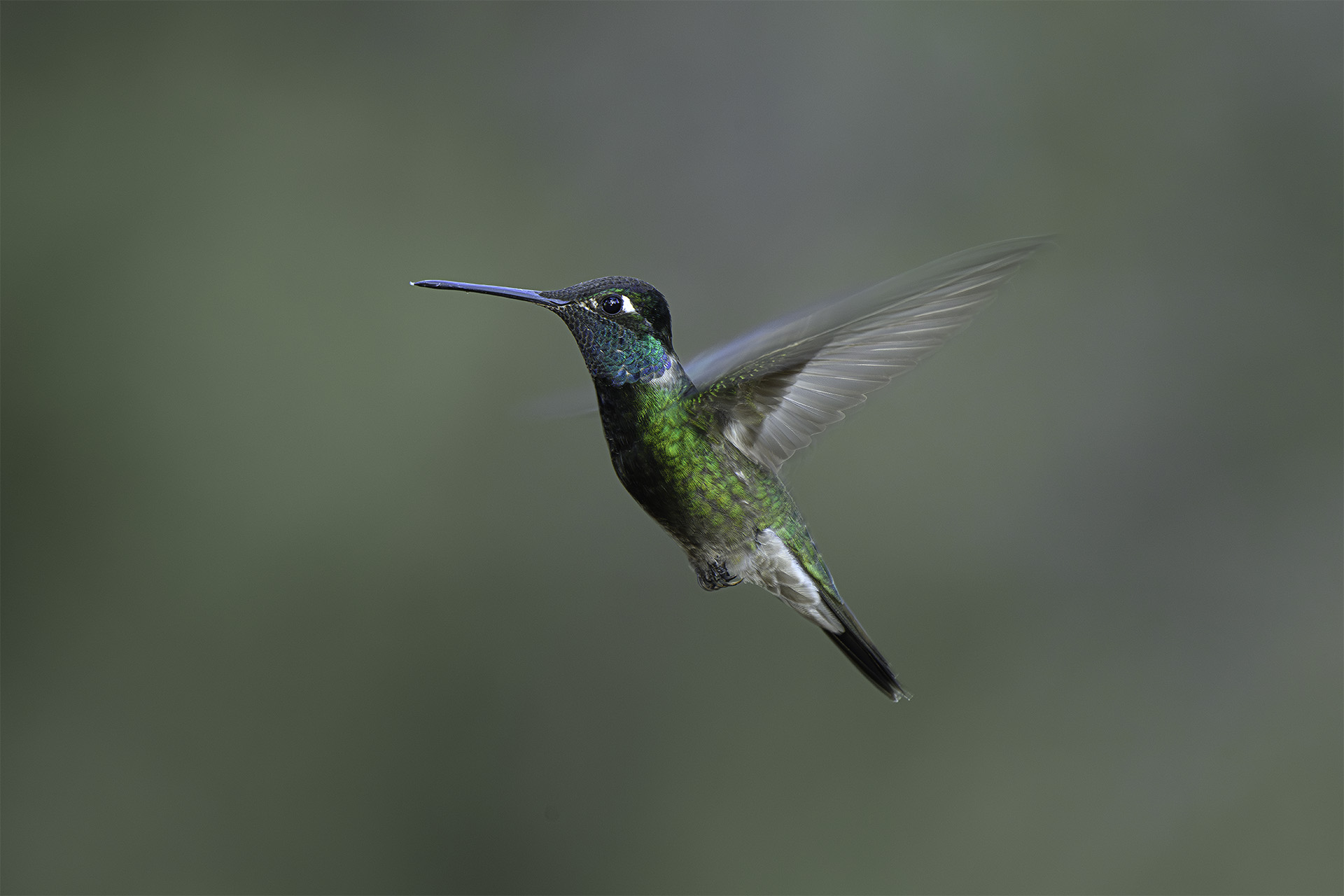
Every photography trip I go on, there seems to be one breakout star of the trip. At Madera Canyon last month, we actually had two stars, the Berylline Hummingbird and the Rivoli’s Hummingbird. The Berylline, who the past couple of years has been a tease, visited every day and seemed to favor the feeders at one end of our shooting gallery. But, to me, the true star was the Rivoli’s, the second largest hummingbird in North America. In past years, we had one or two throughout the week and their visits always provoked excitement. This year, we had several males and at least a female or two. We were told that at least a couple of the Rivoli’s had wintered over in Madera Canyon, becoming year-round residents. We always knew they were approaching as their loud hum was quite distinctive. Over the years, I have come to think of the Rivoli’s as kind of the epitome of the Madera Canyon hummingbirds. Seeing one makes my visit there complete.