2024—The Consummate Consumer

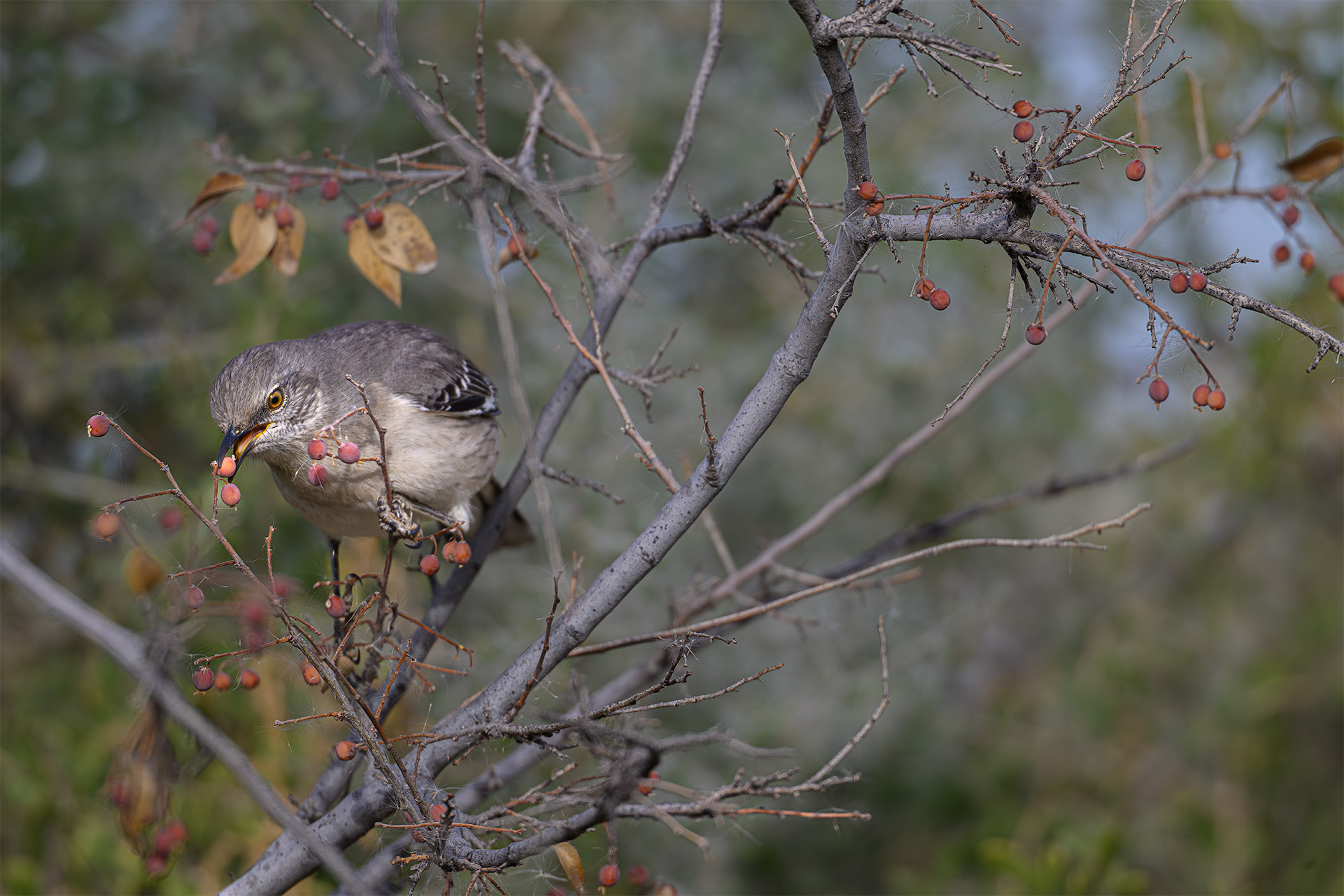
My Picture This App identified this tree as a Hackberry. I did not need my Merlin App to identify the bird, a Northern Mockingbird. The Mockingbird was enjoying a morning feast of hackberries which were abundant and very popular with the birds, especially the Mockingbirds, at the Riparian Preserve at Water Ranch in Gilbert, AZ. I guess you could say the Mockingbird was the consummate consumer, having found the perfect feast requiring no effort to eat it.
2024—Desert Broom Seed Dispersal

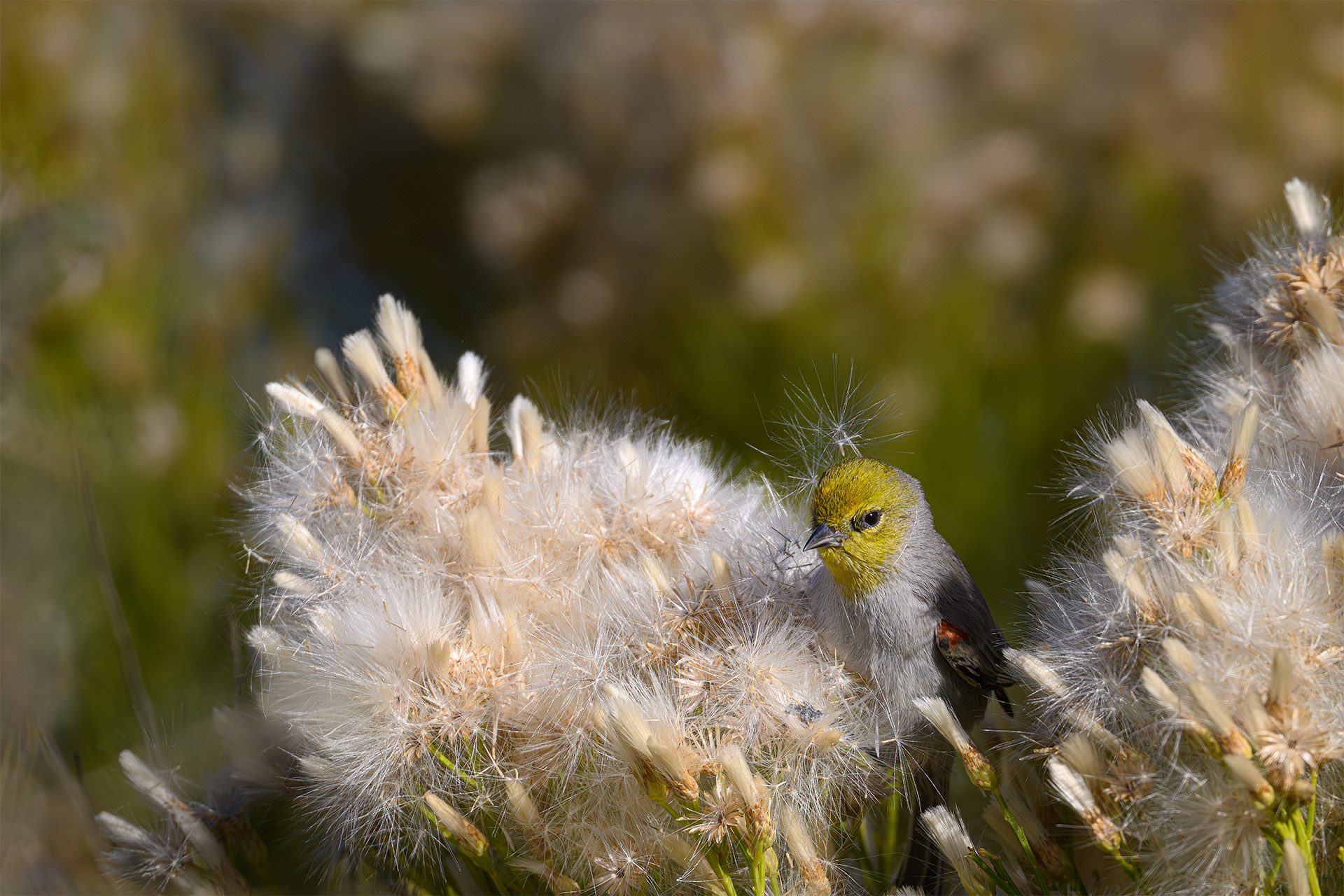
This tiny, acrobatic Verdin is one of those small birds that seems never to sit still. In the Riparian Preserve at Water Ranch in Gilbert, Arizona a couple of weeks ago, we watched this Verdin plow its way under, over, and through this Desert Broom, a native plant that provides cover for birds and other wildlife. In the fall, its plume-like buds open into white-tasseled seed pods that are dispersed by the wind, or, in this case, by the head of a Verdin.

2024—A Gorget Beard

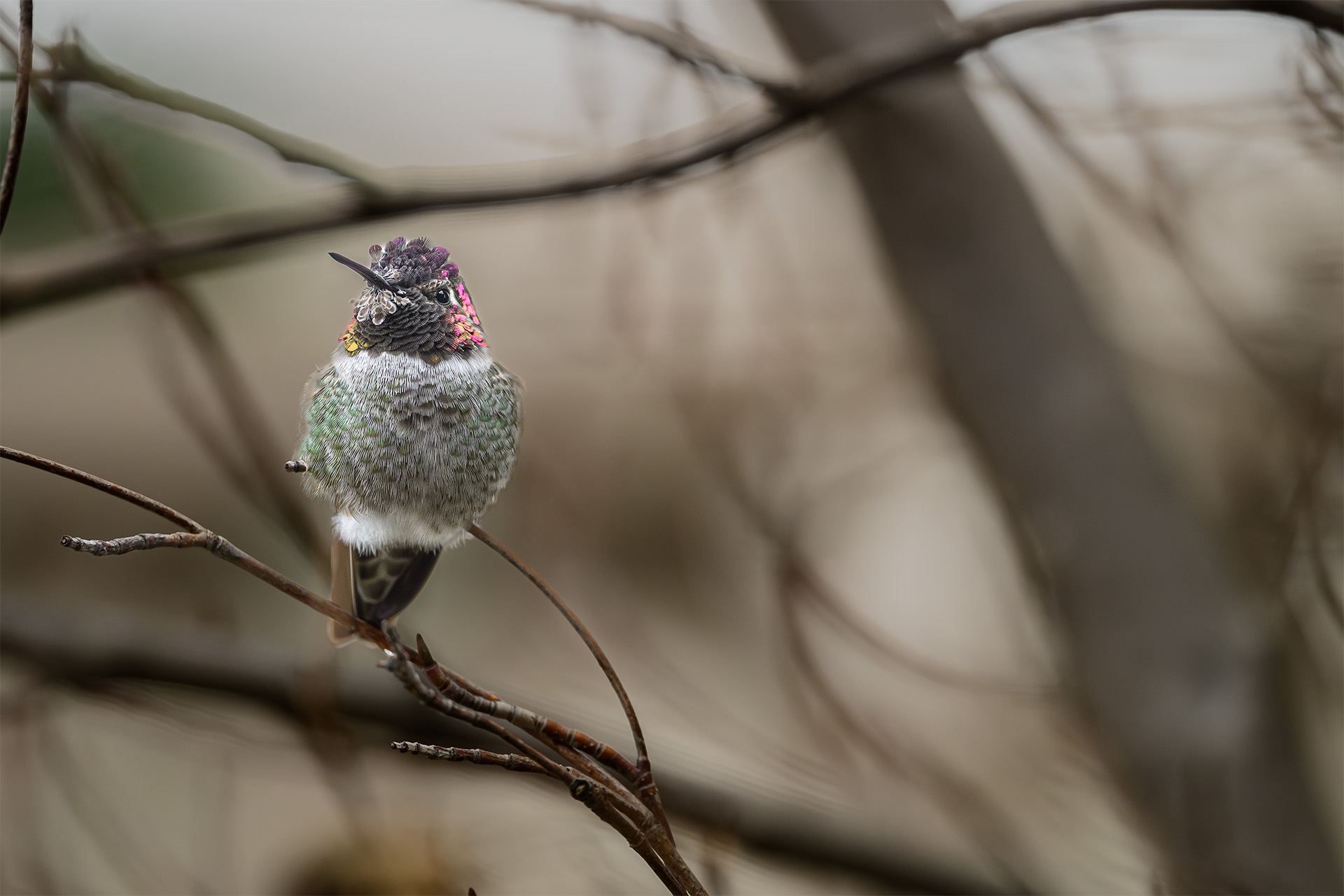
There are three male Anna’s Hummingbirds that compete for the feeders in my garden. Their behavior is interesting because sometimes they seem to get along and actually perch near one another. Other times, the dominant one is constantly on the lookout for the others and will chase them off when he sees them. I noticed that at least two of the Anna’s have new feathers under their beaks, something I’ve never noticed in an Anna’s before now. The feathers are still coming in with a few still pinfeathers but the color seems to be brownish tipped with white. When the rest of the gorget glows magenta, they remain brownish. The new feathers almost look like a beard. I’ll keep an eye on them to see when the color of the new feathers changes.

2024—A Classic Birb

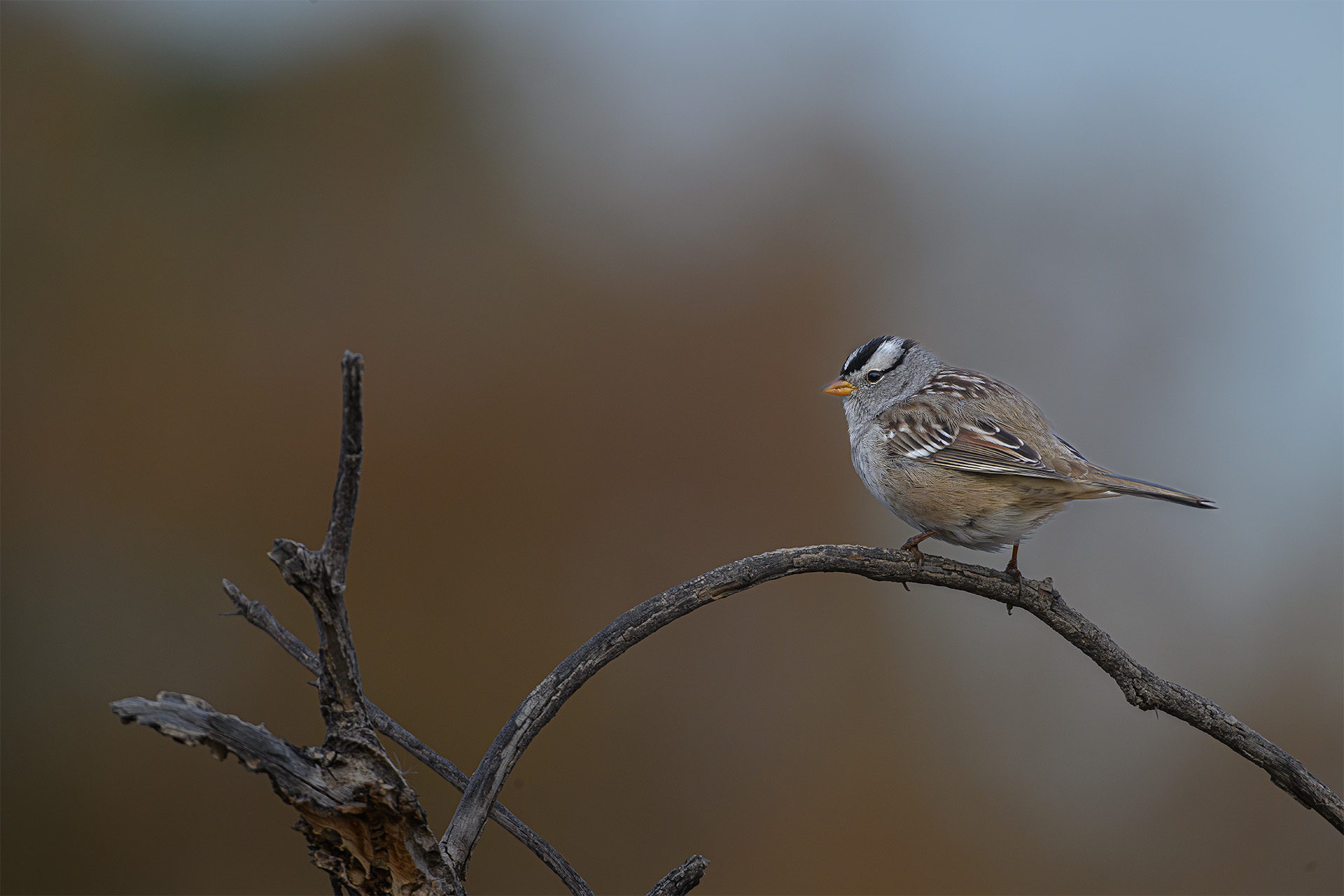
It’s been a while since I have thought about the Audubon Society’s taxonomy of birb. Audubon defines “Birbs” as small, round, and either cute or absurd; “borbs” are those birds that carry apparent roundness to an extreme; and most birds can “floof” when the mood suits them.  I would classify this male White-crowned Sparrow as a “birb” round but not round to the extreme. This little guy is puffed up to against the cool morning temperatures at the Riparian Preserve at Water Ranch in Gilbert, AZ a couple of weeks ago. You can expect to see a borb and/or a floof in this space in the near future.

2024—It Counts

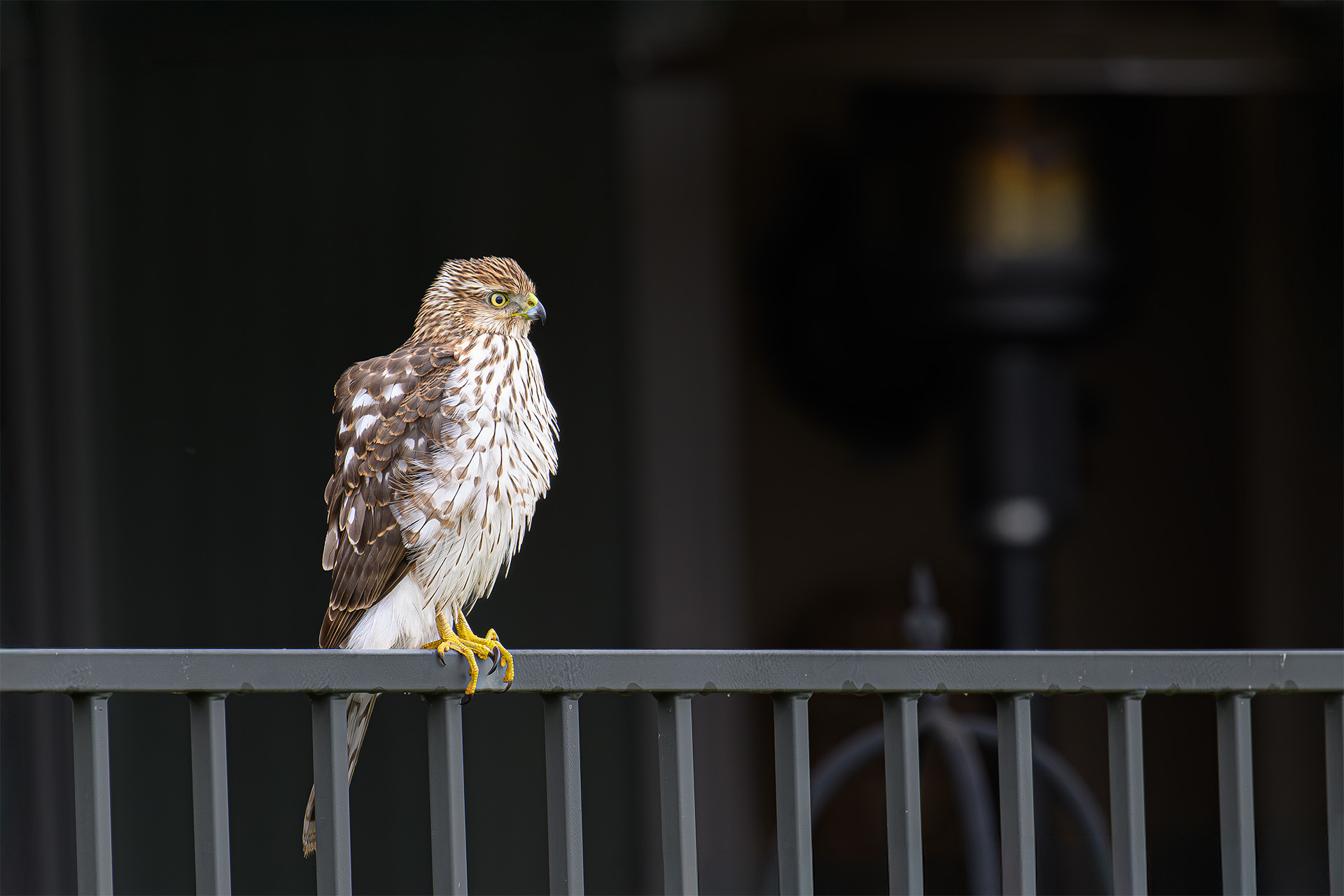
Yesterday, I participated in the Audubon Society’s 125th annual Christmas Bird Count. The morning started with drizzle, cool temperatures, and gusty winds. My team of 6 was charged with counting birds along the Ferrari Pond Trail in Lincoln Hills where I live. I’m told we had fewer birds than last year but we did see quite a few different species. Even the golf course Canada Geese got counted. I don’t have the final count from our efforts yesterday but along with finches and sparrows and water fowl, we saw several raptors including a Red Shouldered Hawk, an American Kestrel, a Turkey Vulture and this immature Cooper’s hawk perched on the railing of a residence that faces the marshy pond. Even though it was on a resident’s fence, it counts, too.

2024—Canines in the Snow

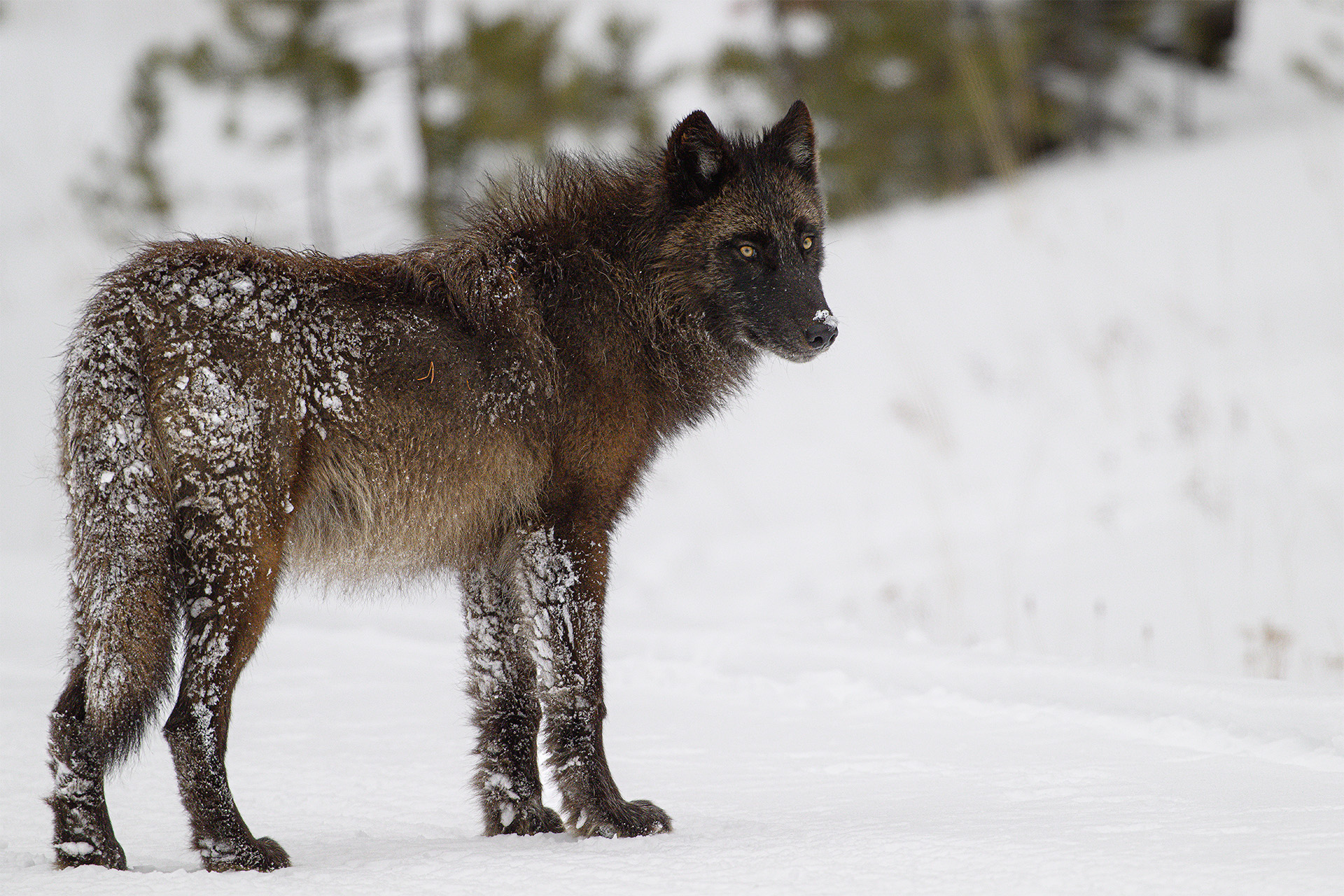
January 2024 offered me an incredible opportunity to photograph canines in the snow, in Yellowstone National Park and in Sax-Zim Bog in Minnesota. Coyotes, in their full, gorgeous winter coats, are so much fun to watch as they “mouse” in the snow and plunge head first after their small prey. This Coyote was on alert for its next meal. In Sax-Zim Bog, although we were there to photograph birds with the Great Gray Owl our primary target, serendipity offered me the opportunity to photograph a Red Fox, also resplendent in its full winter coat, from a vehicle serving as a blind. And, I must admit, as much as I love to photograph Coyotes and Red Fox, the crowning jewel of my January adventures was this Gray Wolf in Yellowstone, walking directly past me as I stood leaning against the Snowcoach. As awestruck as I was to be this close to a Gray Wolf in Yellowstone, I still managed to lift my camera to my eye and shoot until he disappeared into the woods.

2024—Drenched

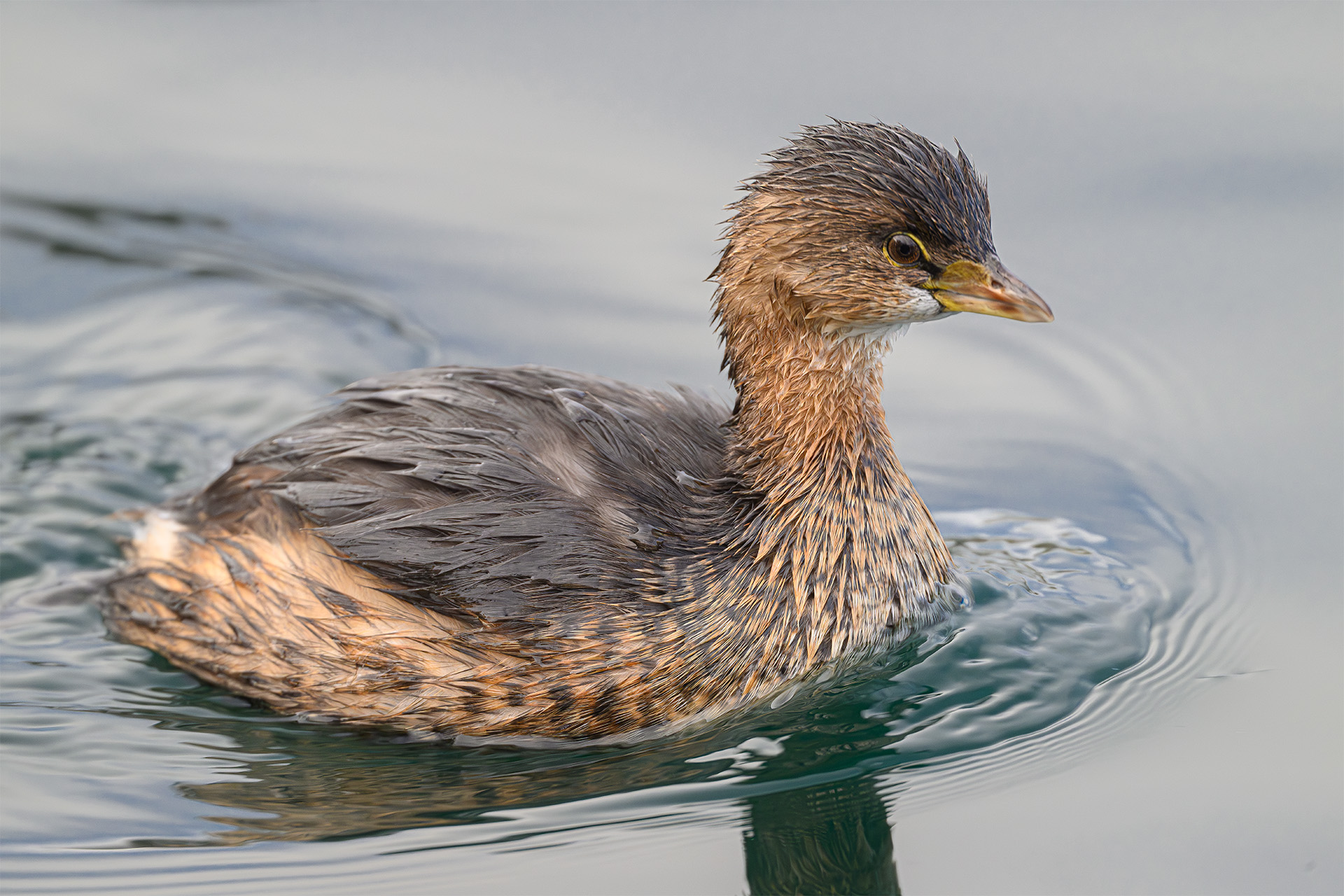
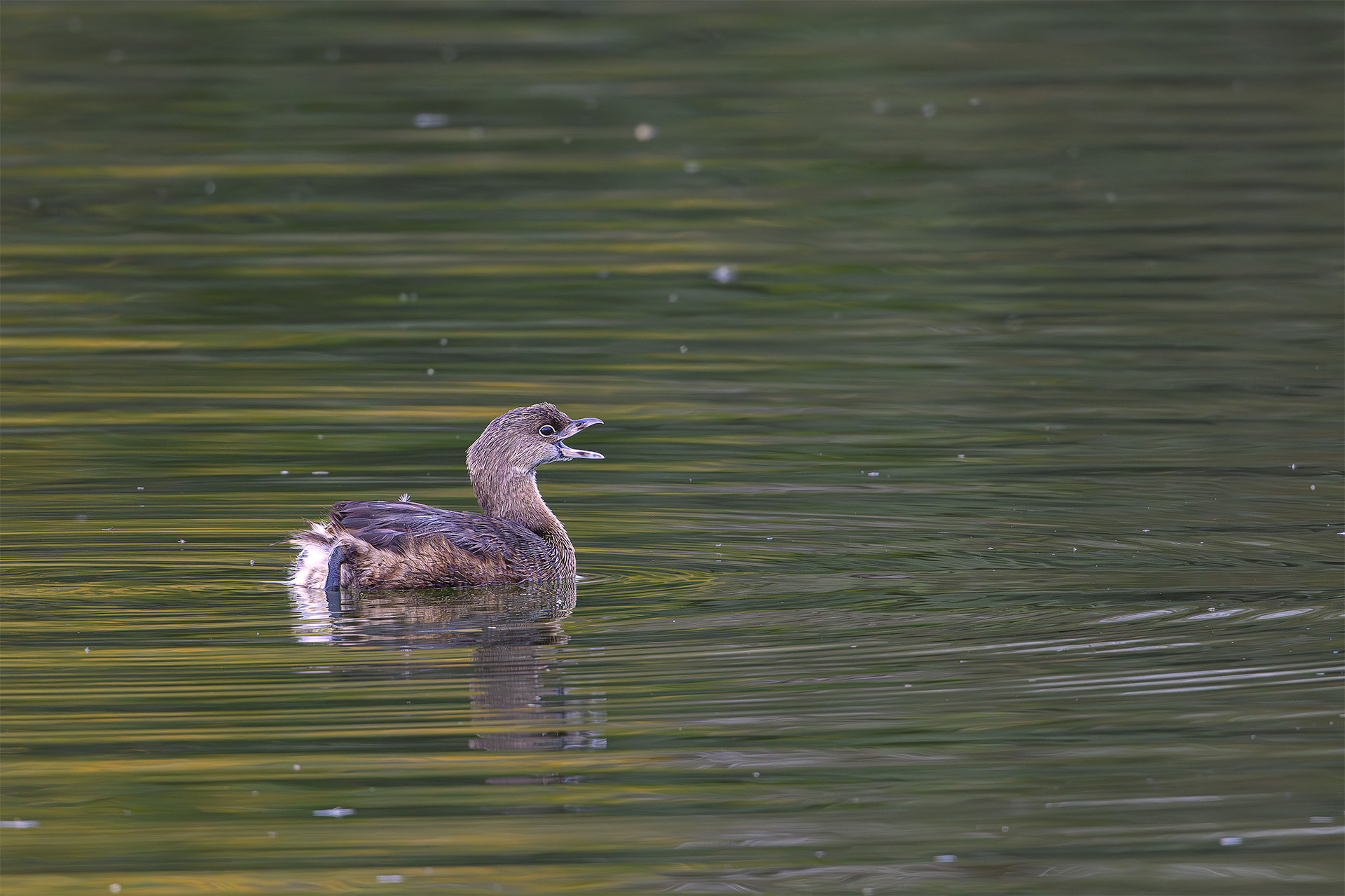
A drenched Pied-billed Grebe paddles across Water Ranch Lake. This little bird with the perpetual smile was diving down under water in search of breakfast. What struck me is that most birds, and especially water fowl, have feathers that repel water. Evidence that they have been diving under water is usually just standing drops of water on their feathers as the water rolls off, not soaking the feathers. Whenever I saw the Pied-billed Grebes, their feathers seemed to be drenched. I guess it works for them.

2024—Pelican

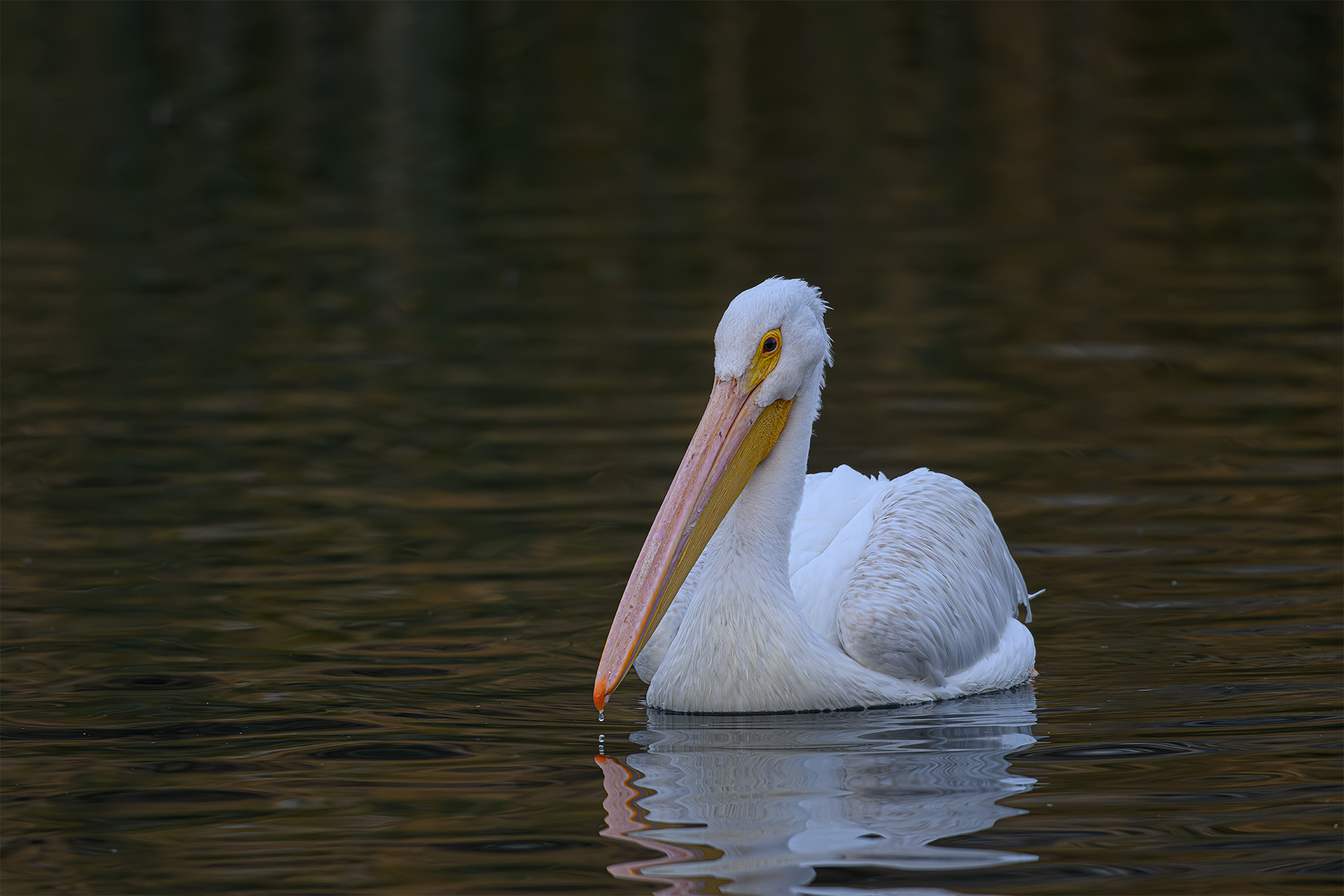
An American White Pelican floats on Water Ranch Lake in the early morning. It was the only American White Pelican we saw at the Riparian Preserve. Last year when we were there, quite a few pelicans were in evidence. I was hoping to get shots of this one gulping down a fish like I did last year but I never saw this one even dip its head under water despite the water drops on its beak.

2024—Again On Golden Pond

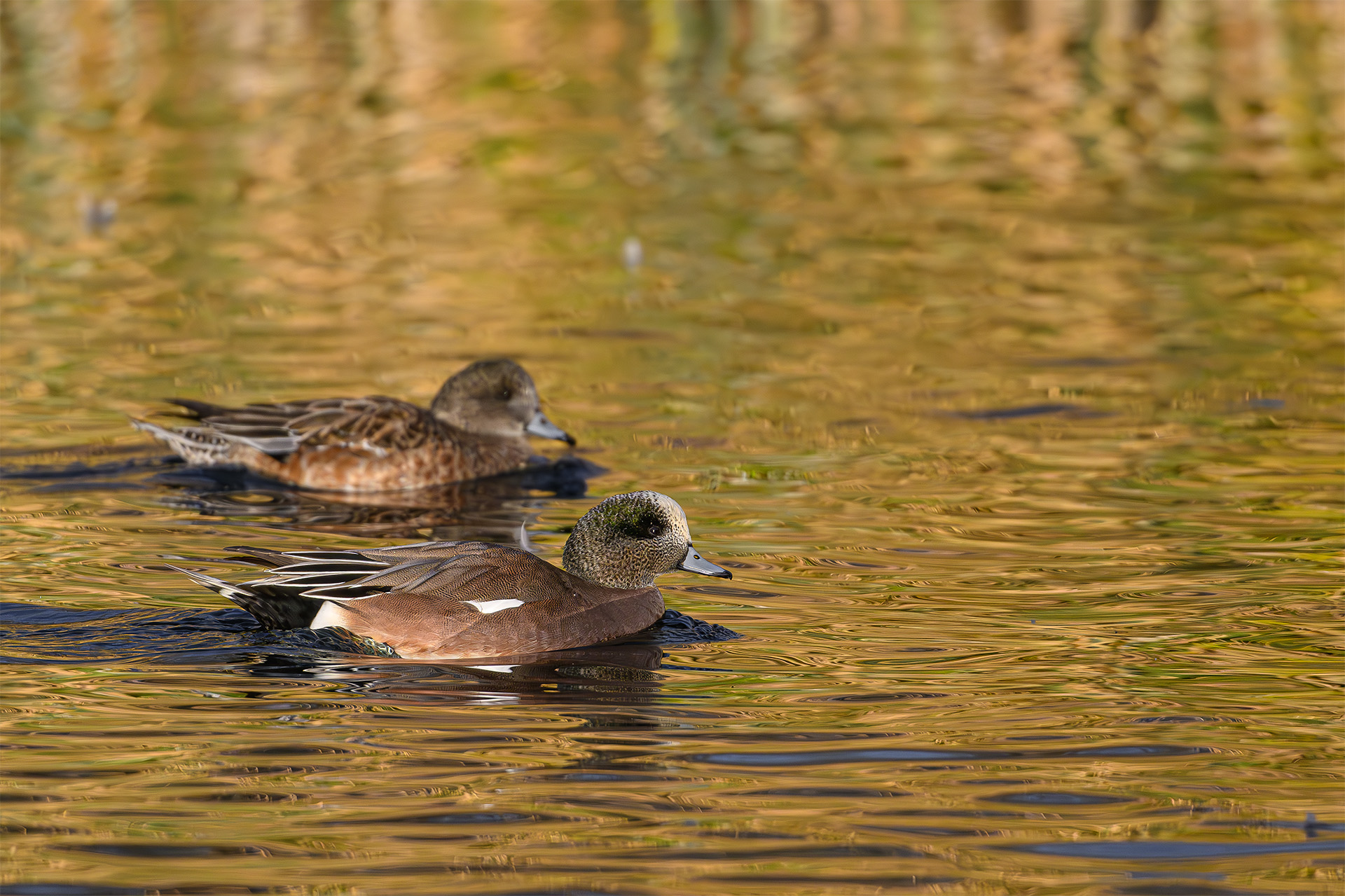
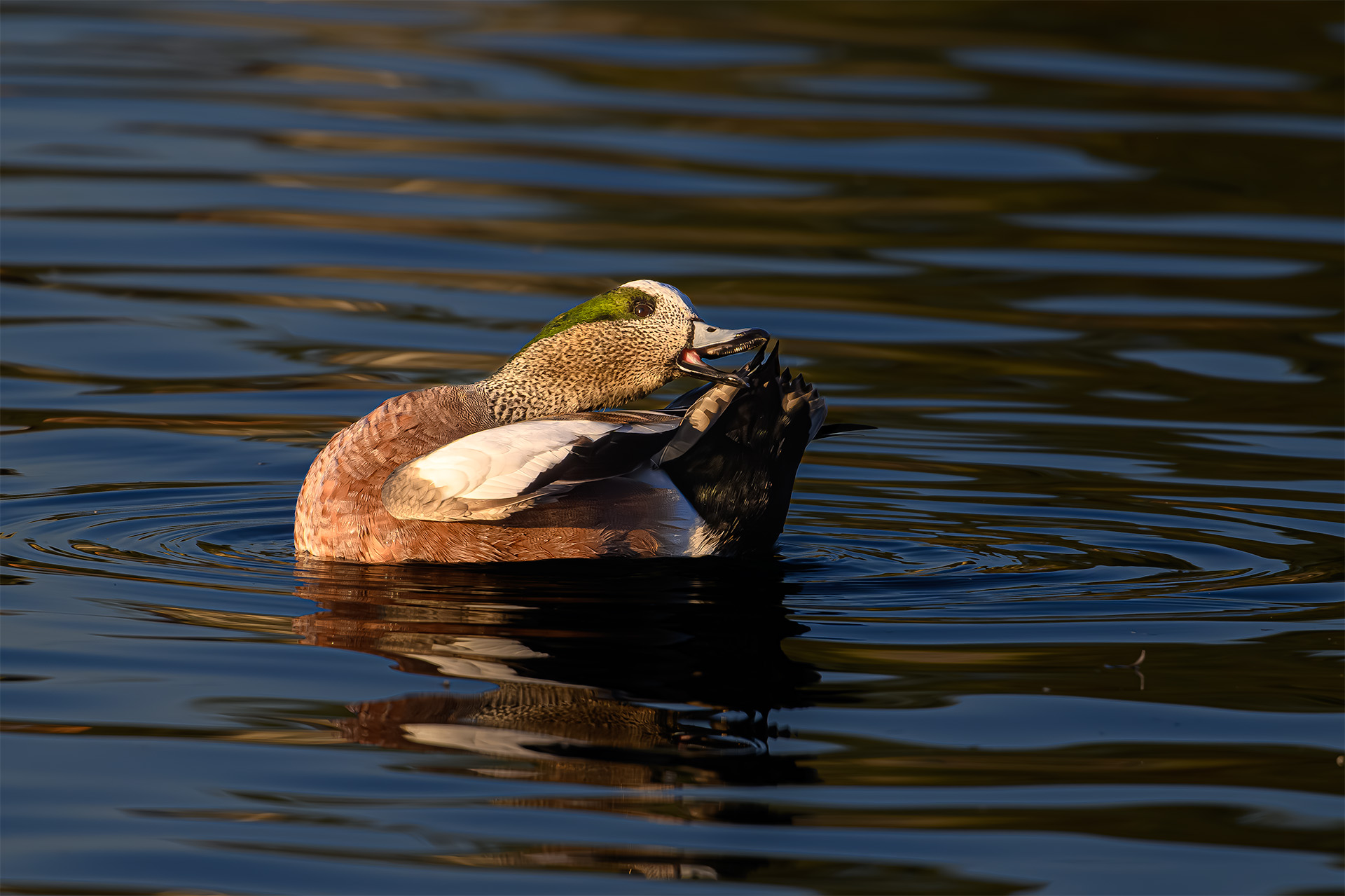
A pair of American Widgeons swims across Water Ranch Lake toward the place on the floating boardwalk where people come to feed the ducks on the lake. As soon as someone walks to that area of the boardwalk, every duck (there are dozens) immediately turns and swims in that direction to reap the rewards. As soon as the feeder stops, all of the ducks return to the area of the lake where we were photographing them. Not sure if they returned thinking they’d get fed there (they did not; it was wishful thinking on their part) or if they normally gather there where we found them floating and sleeping early every morning we were there.

2024—Whap Whap

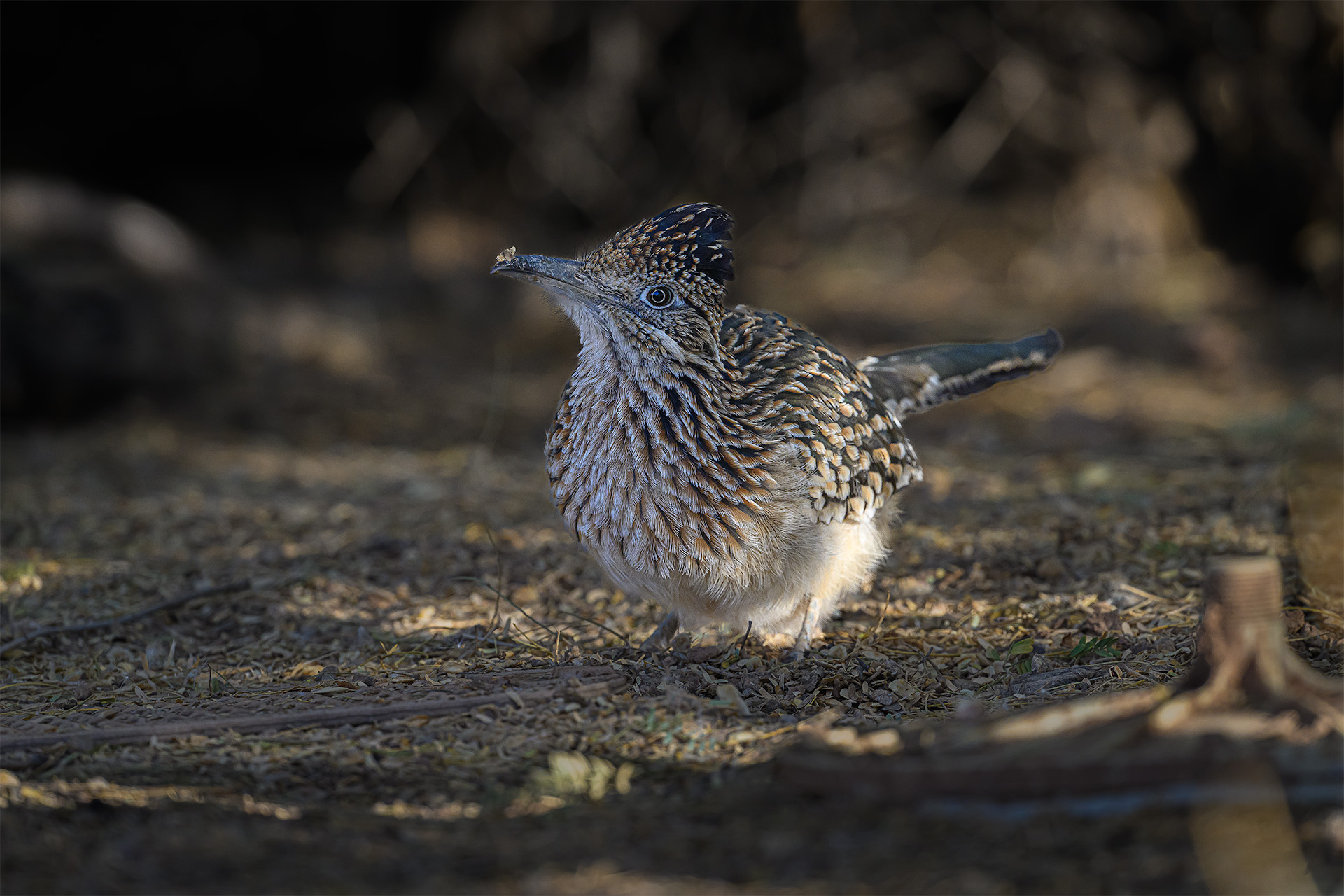
It was definitely “whap whap” that I heard, not “beep beep.” We were exploring the Botanical Garden area at the Riparian Preserve at Water Ranch. A Greater Roadrunner scurried by and disappeared into the sticks and shrubs. We were lined up along the trail when I heard the sound. As I crouched and peered through the dense thicket, I could see movement and each movement coincided with a “whap.” By the time I realized it was the Roadrunner beating an unfortunate frog into submission and was able to move to a place where I could see him, he had already swallowed the frog and was frozen in place in what was probably the avian version of a food coma.

2024—If You Love Birds

If you love birds, the Riparian Preserve at Water Ranch in Gilbert, Arizona is just the spot. It is a 110 acre wetland and wildlife sanctuary that was developed 25 years ago after the Town of Gilbert made a commitment to reuse 100% of its effluent water. The result is 7 ponds, numerous walking trails, a fishing lake, viewing blinds, an observatory, and dedicated play areas. The riparian area that has been created is a wonderful place to see and appreciate a wide variety of avian life from tiny warblers to shore birds and even seabirds like the American White Pelican. The floating boardwalk that crosses Water Ranch Lake offers opportunities to see and photograph water fowl. This is an American Widgeon, seen preening in early morning light from the floating boardwalk.

2024—Hearty Laughter

It’s the opposite of “Angry Bird.” The Pied-billed Grebe seems to have a perpetual smile on its face. When it opens its bill, it looks like it is laughing heartily. The adorable little bird swam back and forth on Pond #1 at the Riparian Preserve at Water Ranch in Gilbert, AZ last week always with its perpetual smile.

2024—It’s About Time

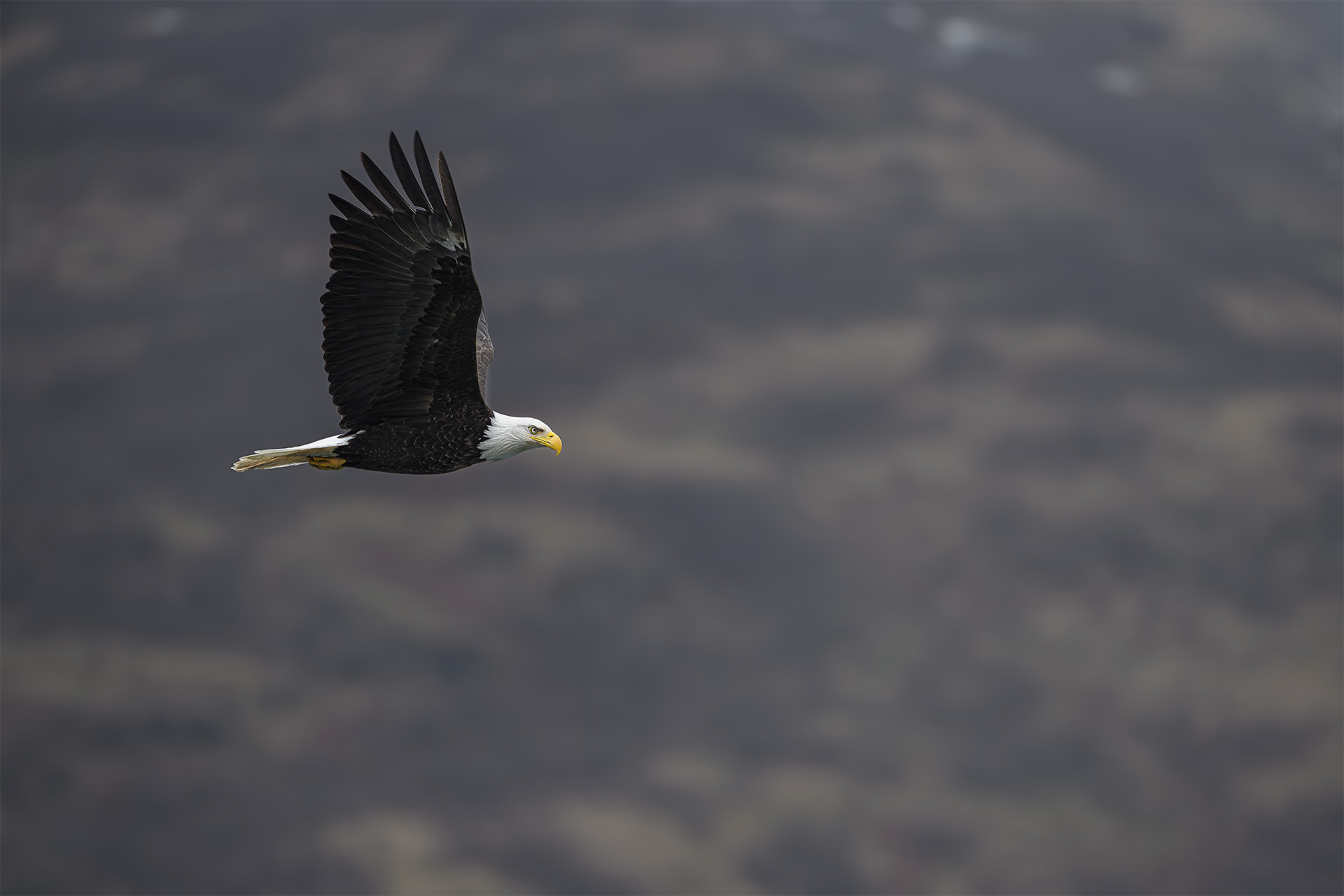
Yesterday, the House of Representatives passed legislation in a voice vote to designate the Bald Eagle as our national bird, following the US Senate’s unanimous vote in July. It is now headed to the President to enact into law. The Bald Eagle is protected by the Migratory Bird Treaty Act and the Bald and Golden Eagle Protection Act, both of which prohibit killing, selling or harming bald eagles, their nests or their eggs. Although the Bald Eagle has been considered a national symbol since the Second Continental Congress put the bird on the Great Seal of the United States in 1782, it has never officially been declared the national bird under U.S. Law. That is about to change and it’s about time

2024—Fly Catching

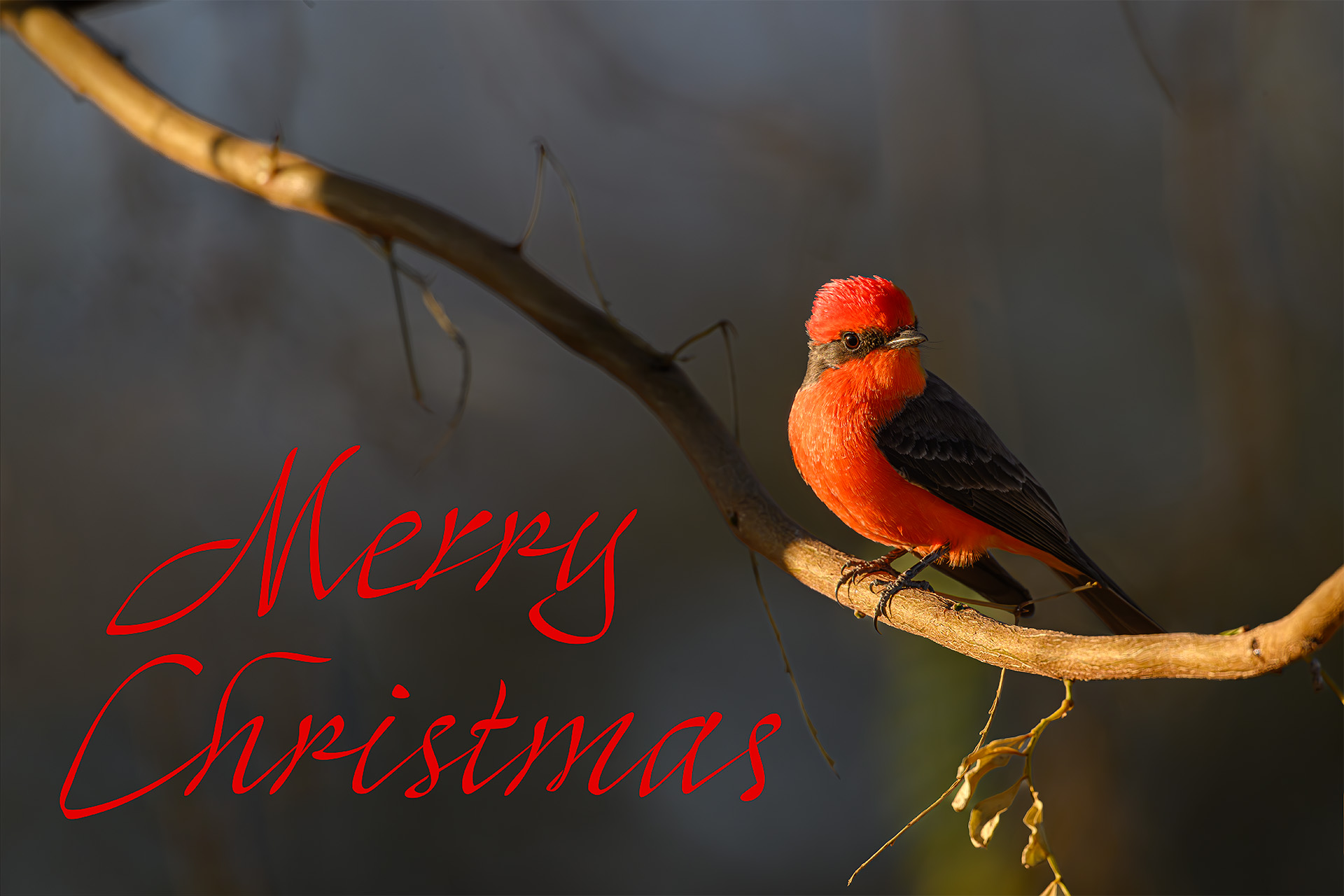
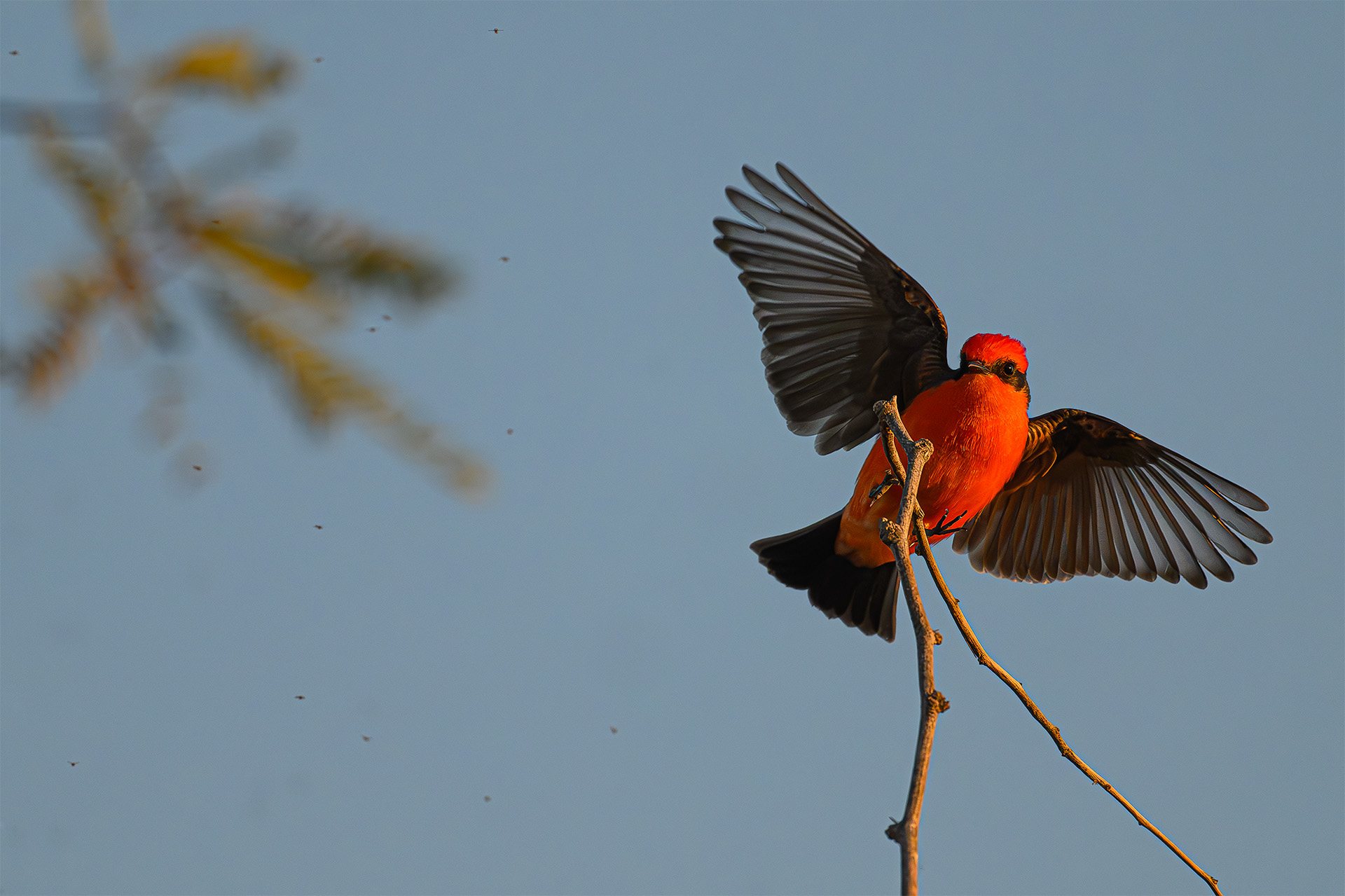
This eye-catching Flycatcher was catching flies at the Riparian Preserve at Water Ranch every afternoon during my recent visit there. This Vermilion Flycatcher’s actions were usually predictable. He preferred a certain area in the preserve where small flying insects swarmed and he would perch on certain branches in certain trees while he waited for his prey to come near. For the most part, his perches were out in the open and I have some really great shots of him perched in great light. But, one of my challenges was to capture him in flight, wings outstretched, while he did his thing. Usually, my reaction time was too slow to capture him when he took off. When Moose suggested that we try capturing him landing on his perch instead of taking off, I had more success because of a simple suggestion Moose made. The idea was to watch the bird take off and count off two seconds, keeping the camera focused on the spot where he took off, then start shooting. More times than not,he returned to the same perch within a couple of seconds. In this shot, the Vermilion Flycatcher is landing back on his perch, still watching the swarm of flies surrounding him.

2024—The Shoveler

Northern Shovelers are dabbling ducks with a spatula shaped bill. They forage in shallow wetlands so the Riparian Preserve at Water Ranch is the perfect setting for them. I watched this shoveler as it bathed enthusiastically and then rose up and flapped its wings to shake off the excess water.

2024—On Glassy Pond

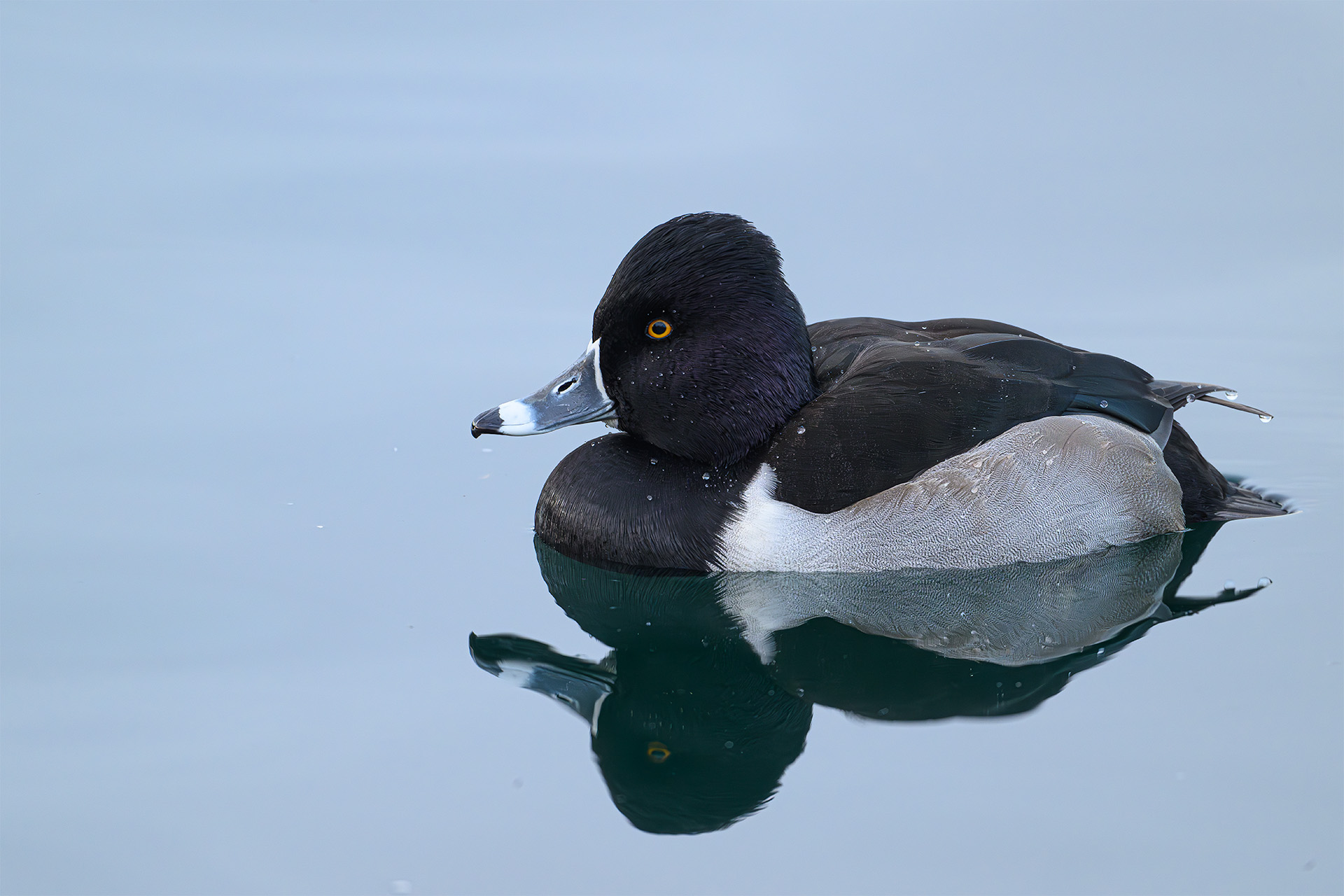
Yesterday morning, the surface of Water Ranch Lake was smooth as glass, nary a ripple to be seen. It was still early and many of the ducks were floating calmly on the surface, some still sleeping. The people who feed the ducks from the boardwalk had not yet arrived so the ducks there had nothing to make waves about. This Ring-necked Duck floated calmly beneath me. He’d already been diving for breakfast as he’s covered with water droplets but the water surrounding him when I took this image had already returned to glass.

2024—A Gambel’s Gambit

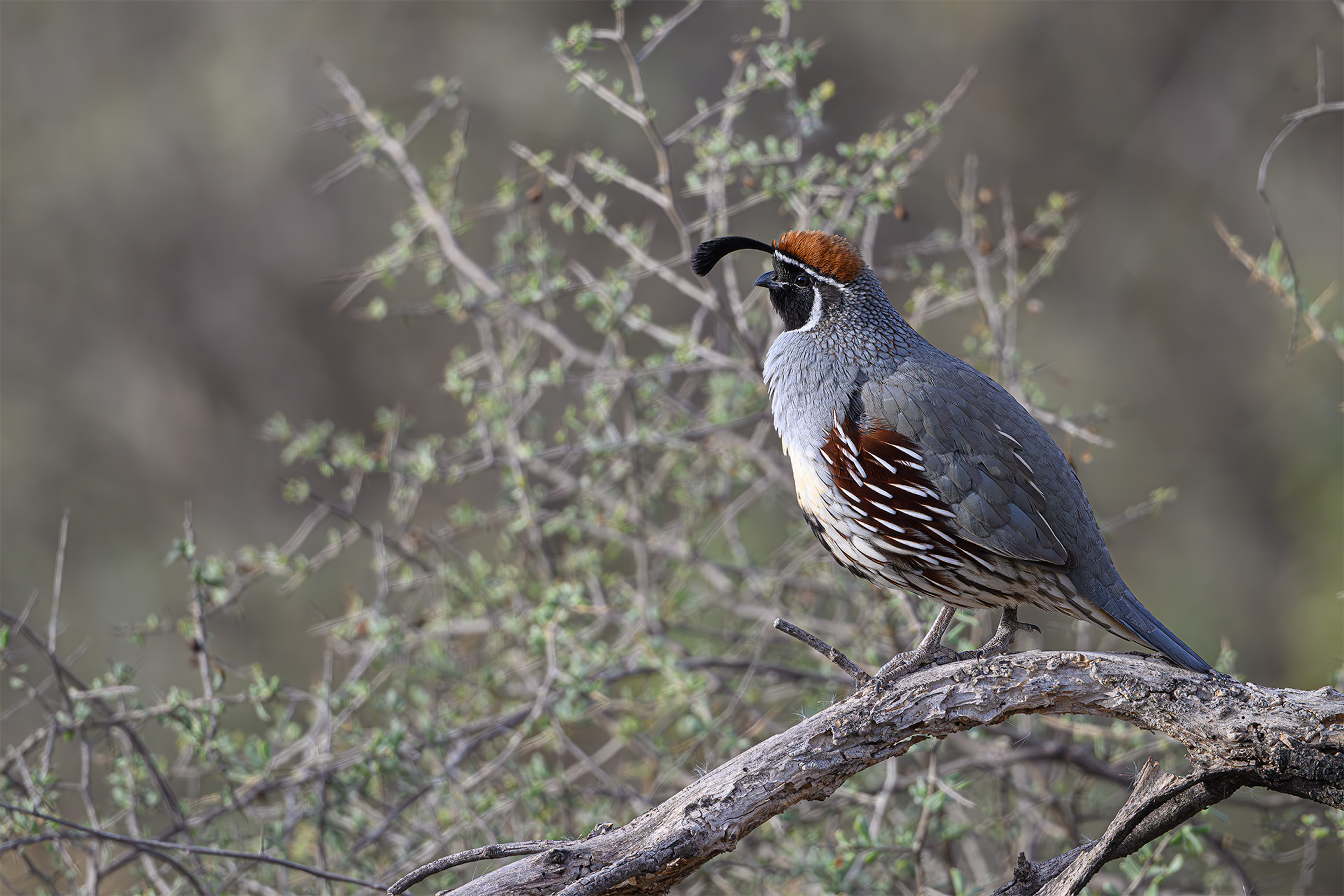
Yesterday, we spotted a covey of quail on our morning walk through the Riparian Preserve at Water Ranch in Gilbert, Arizona. The male Gambel’s Quail was alerted to something and he took the high ground to see what was going on. Most of the other quail took shelter under nearby shrubs as he watched intently for potential dangers to his covey. His gambit paid off as whatever danger he perceived soon dissipated and he walked off the branch and rejoined the covey. We were lucky that the slight overcast mitigated the harsh sunlight that seems to be the norm here, even relatively early in the morning.