2025—A Blue Bill?

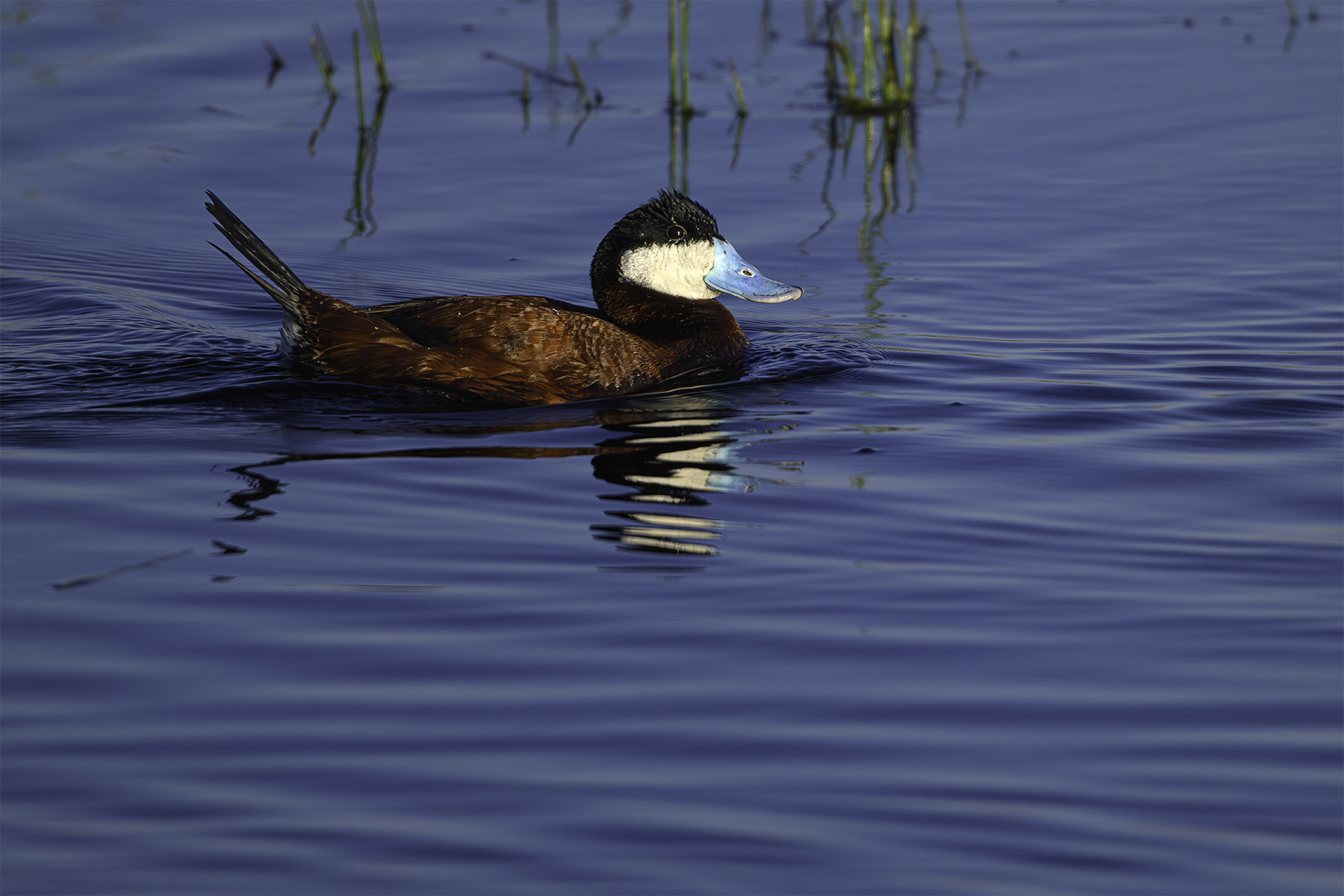
When I first saw this male Ruddy Duck, I did a double take. A vibrant blue bill? It doesn’t look real but it is! Male Ruddy Duck’s in breeding plumage turn that ruddy color and their bill becomes a bright sky blue. When we saw this bird in Sierra Valley a few weeks ago, he was agitated and charging at another male. Both had their tails up and they roiled the water causing bubbles to form under them. It was quite fascinating behavior to witness. Of course there was a female nearby. We didn’t stay to see who won her affections.
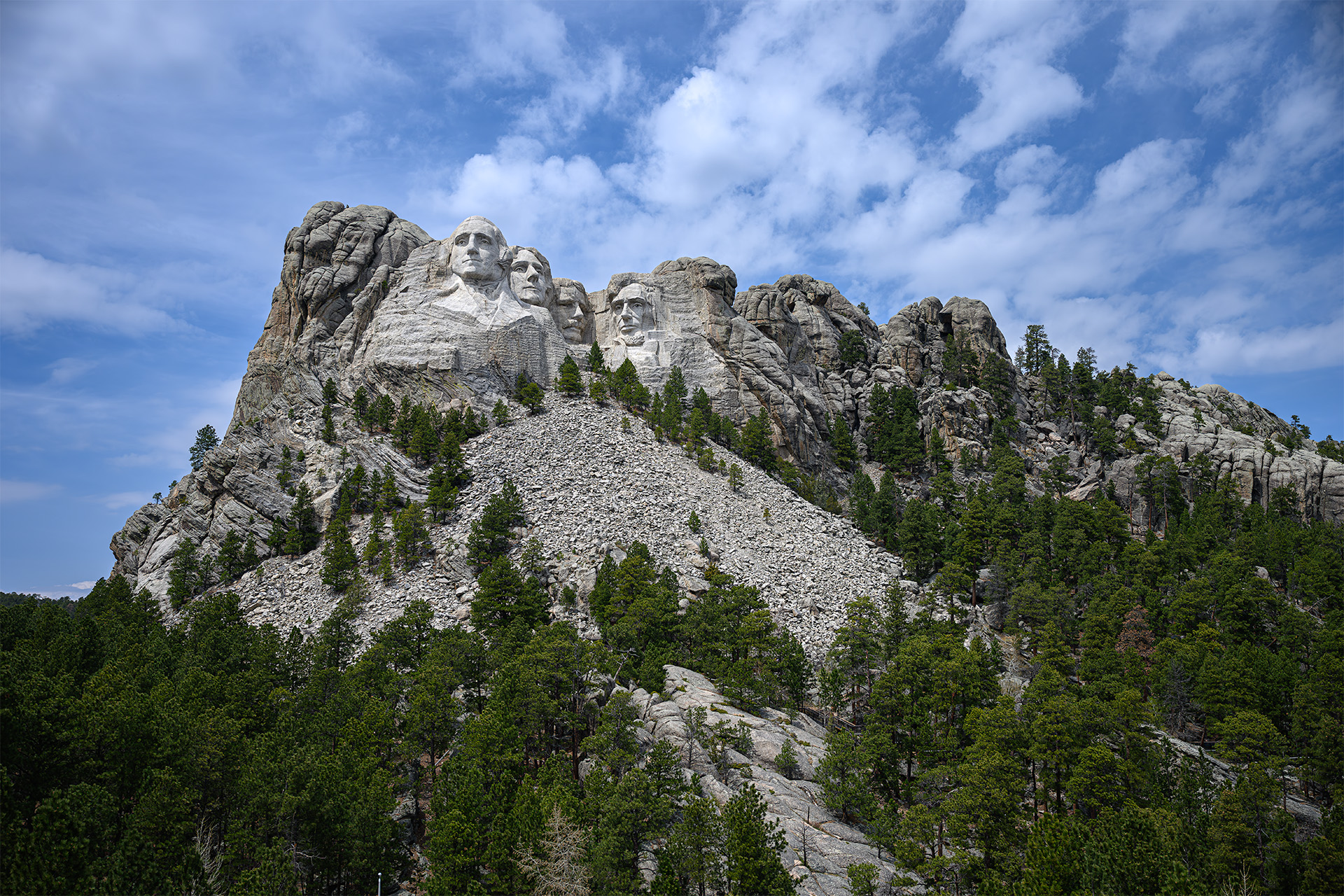
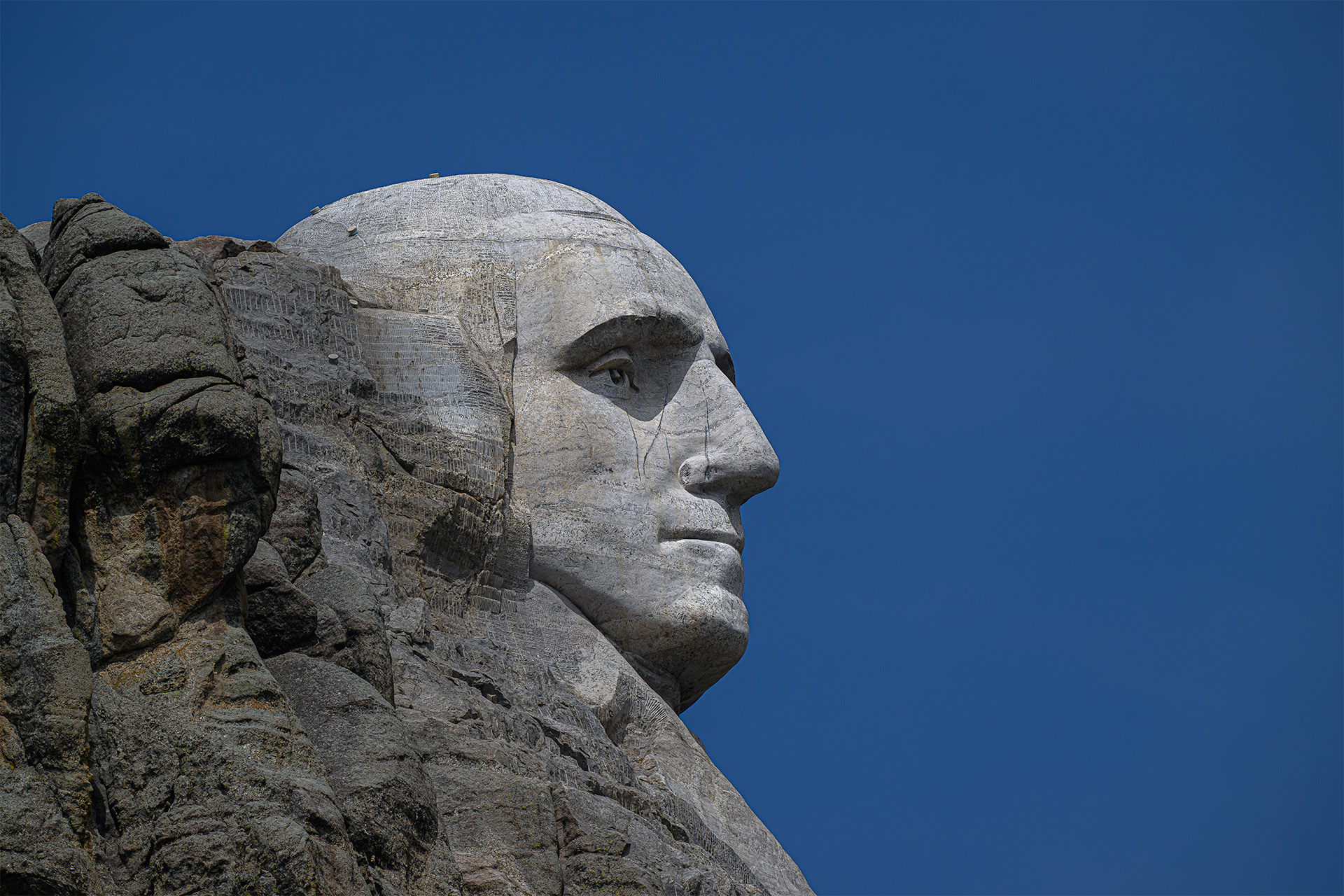
2025—George, Tom, Teddie, and Abe

Seeing the iconic faces of past presidents George, Tom, Teddie, and Abe in person, carved onto the face of Mt.Rushmore, is a very moving experience. And it is moving in many ways. Visible in the second image on George’s head are electronic instruments capable of measuring even the slightest movement in three dimensions on the massive heads. These monitors were placed along some of the major fractures in the sculptures which have been sealed with epoxy. To date, no movement of the granite sculpture has been detected. It seems that these sculptures will be here for a long time to come.

2025—Prairie Dog Hug?

The Prairie Dog pups weren’t in evidence in Custer State Park when we were there last week but there was still lots of activity in the towns. I don’t know what the relationship is between these two but the one is front is smaller than the other but was clearly the aggressor. While this shot makes it appear that they are starting to embrace, the closer one pushed the other one over backwards. After rolling around in a tussle, they got up and started foraging together.

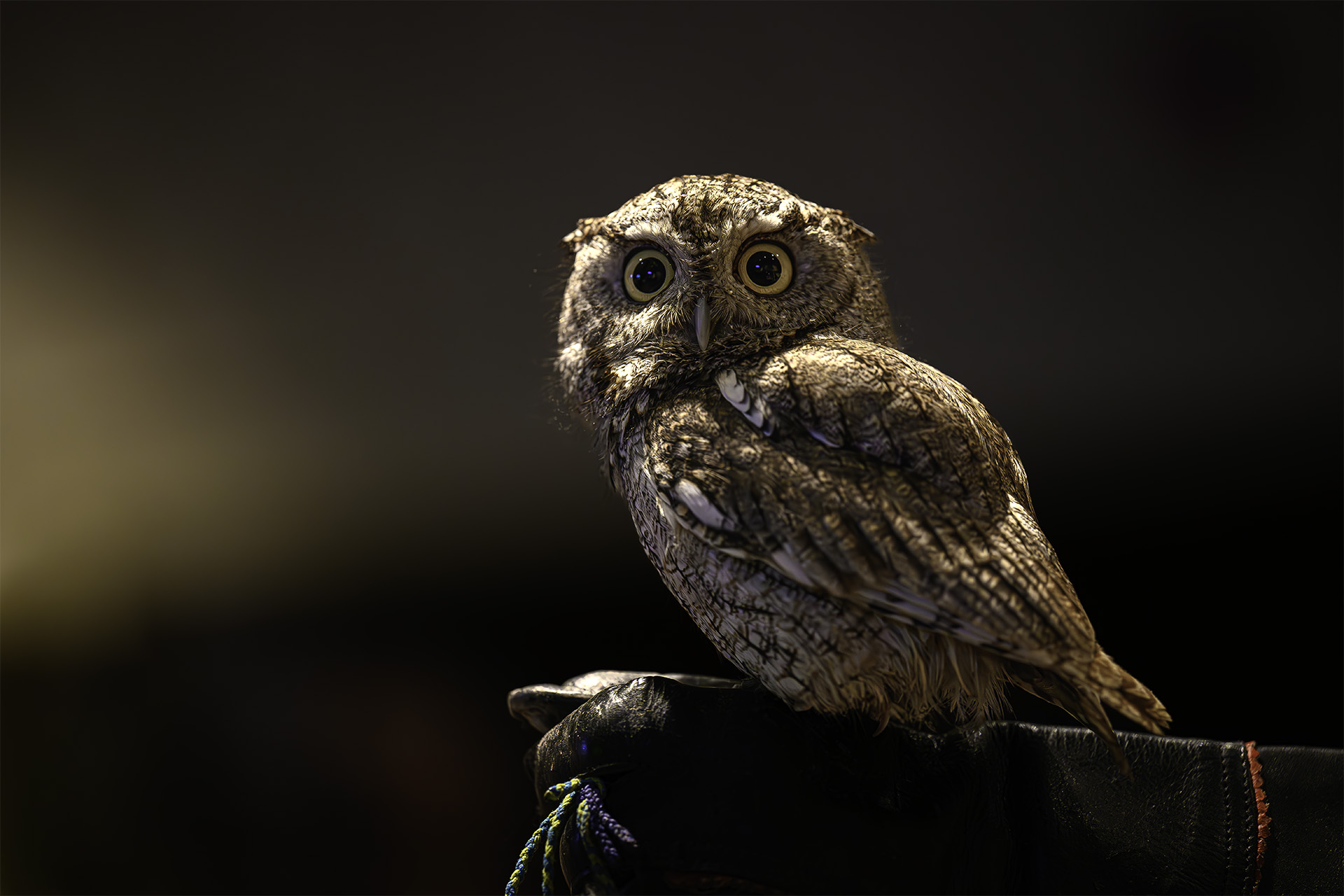
2025—Owl Eyes

Yesterday, the Bird Group at Lincoln Hills was treated to a birds of prey presentation by master falconer Kate Marden of West Coast Falconry. This Eastern Screech Owl, the third of three birds Kate shared with the group, is absolutely adorable. His eyes are so captivating and surreal that they seem almost to be AI generated. I can assure you they are real. This little guy completed several flights around the auditorium, always finding Kate’s glove and the inevitable treat it held. The other two birds, a dark morph Red-tailed Hawk and an Aplomado Falcon were every bit as entertaining.

2025—Such A Melodious Song

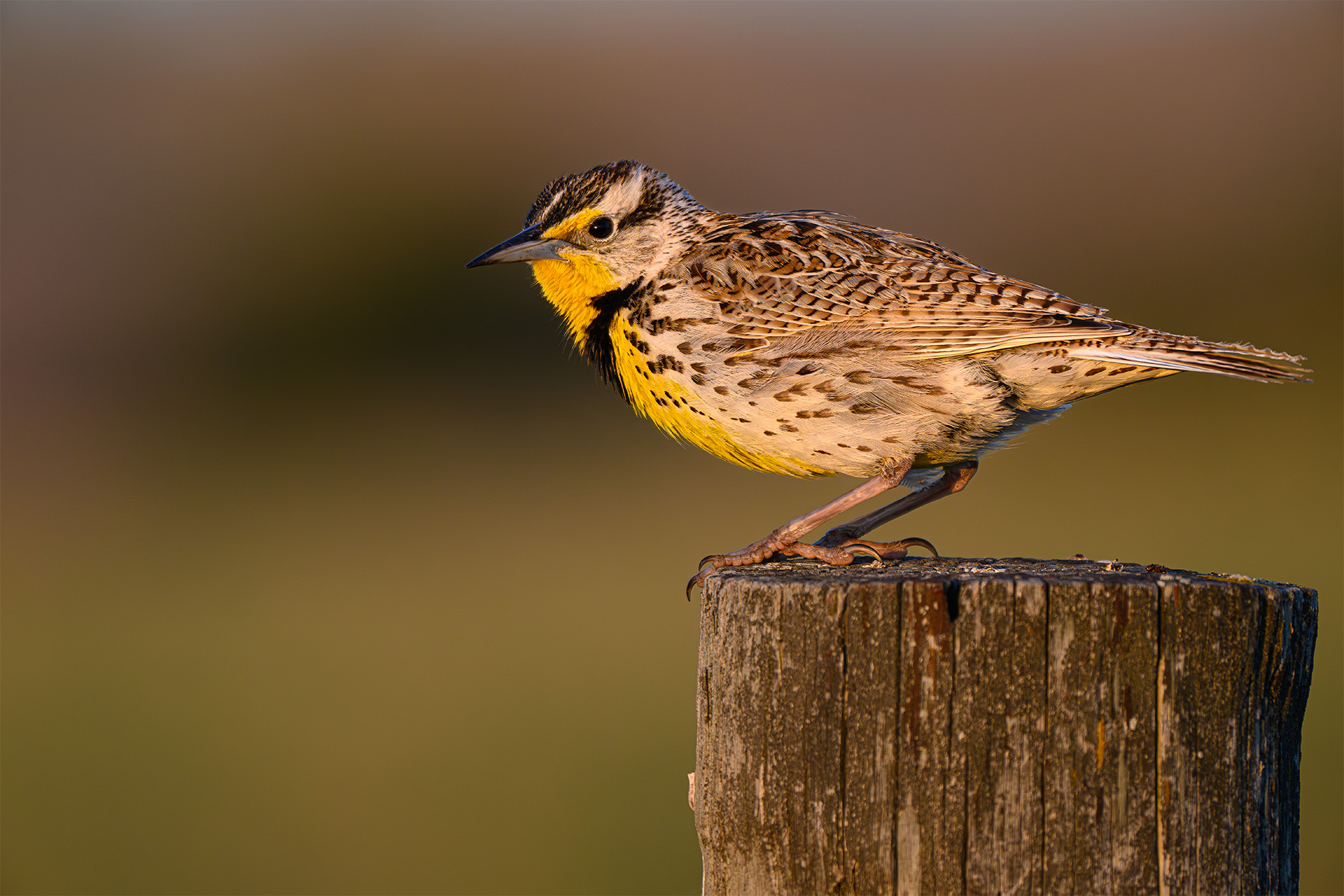
The Western Meadowlark is the state bird of seven states. South Dakota is not one of them. After spending several days in Custer State Park, seeing them everywhere, and listening to their unmistakeable melodious warble every morning as the sun rose, I think it should be, but instead, it is the non-native Ring-necked Pheasant. By the way, the seven states are Kansas, Montana, Nebraska, North Dakota, Oregon, and Wyoming.

2025—The Dance

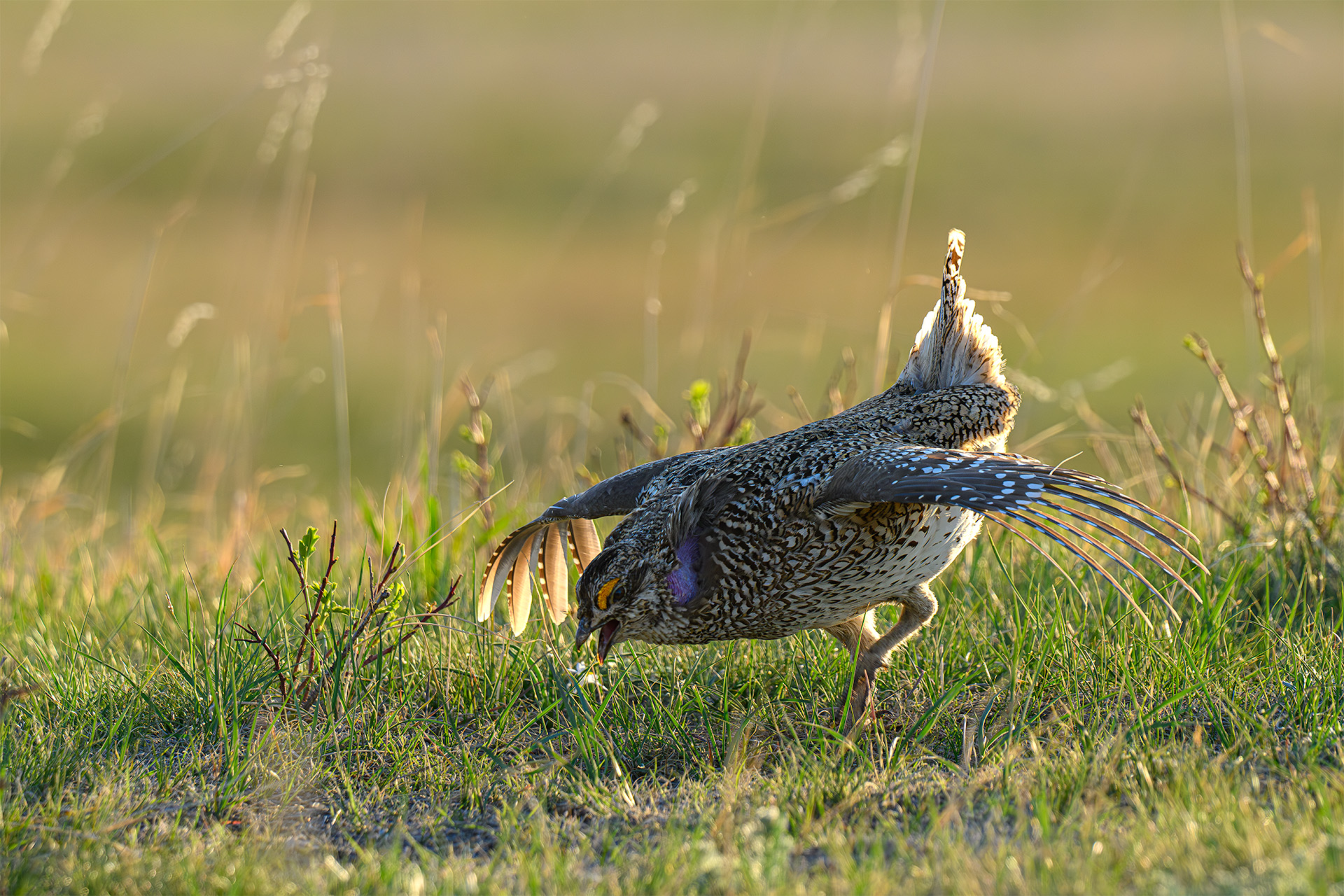
In the spring, on large grassy meadows called leks, male Sharp-tailed Grouse drum their feet, flare their wings, and spin in an incredible display as they vie for the attention of female Sharp-tailed Grouse. Some Native American tribes living on the Plains where this ritual occurs modeled some of their dances on this bird’s spring-time mating ritual. I had witnessed this remarkable sight in Nebraska from blinds we entered well before sunrise to await the early morning spectacle. In Custer State Park, we had been hearing their gobbling and clucking vocalizations as well as their foot drumming sounds each morning in the area where we shot sunrise. We could barely see the birds on the lek in the pre-dawn darkness. But, on our last morning in the park, I was stunned to watch a male Sharp-tailed Grouse as he performed his dance a few feet in front of me at eye level with the just-risen sun backlighting him. Shooting from the front passenger seat, I had the best seat in the house.

2025—Final Farewell

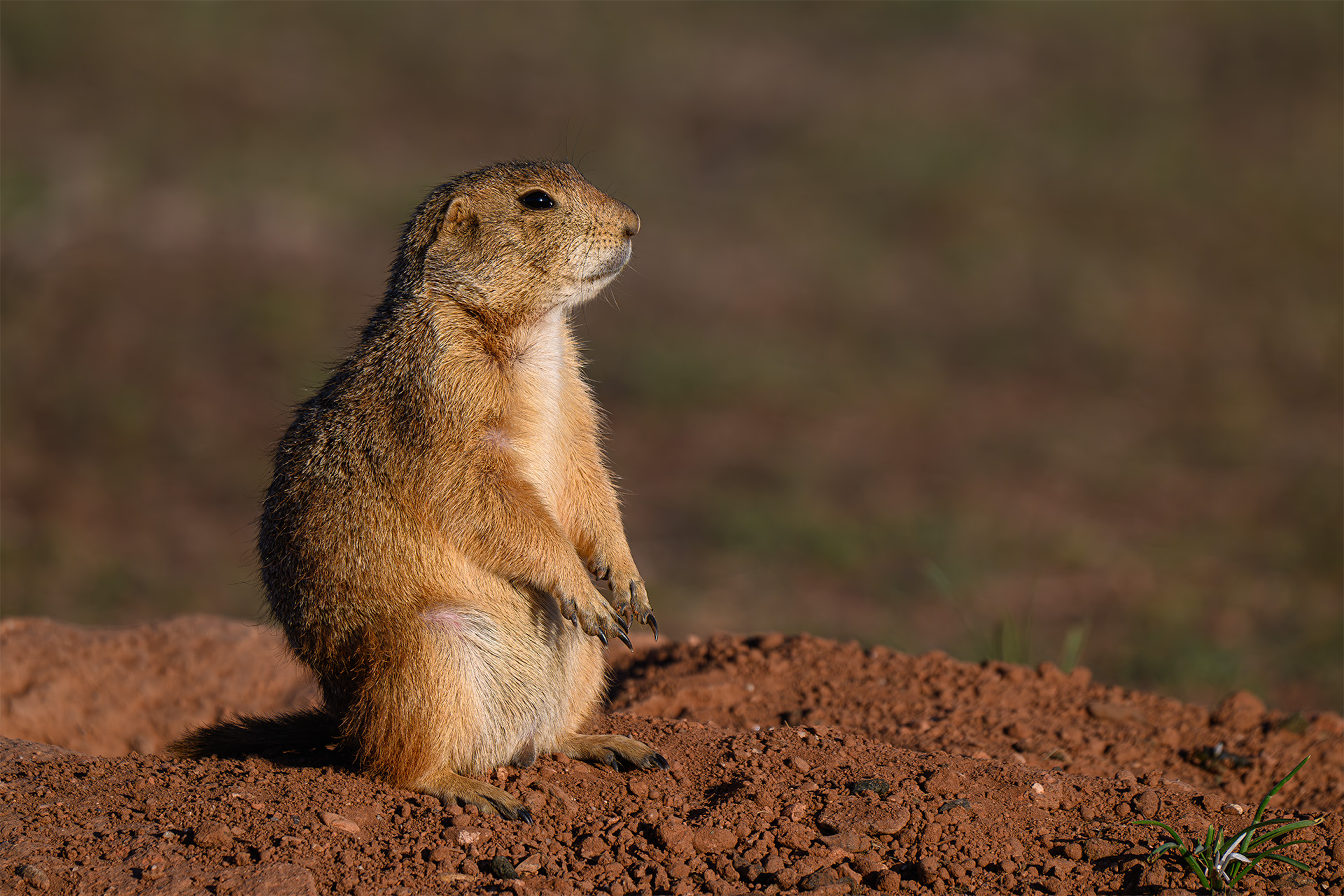
After dinner late yesterday afternoon, about 90 minutes before sunset, we made a drive around the Wildlife Loop in Custer State Park to say our final farewells. The light was perfect as we paused alongside one Prairie Dog Town. This “town crier” was on the alert, watching and calling out a constant alarm chirp. I had hoped to photograph a Prairie Dog wave, as this one was poised and ready to stretch up his arms and body in an infectious gesture that often reverberates throughout a town with several mimicking the first. That did not happen but his pose was another classic Prairie Dog pose—like a furry Buddha.

2025—Custer Sunrises

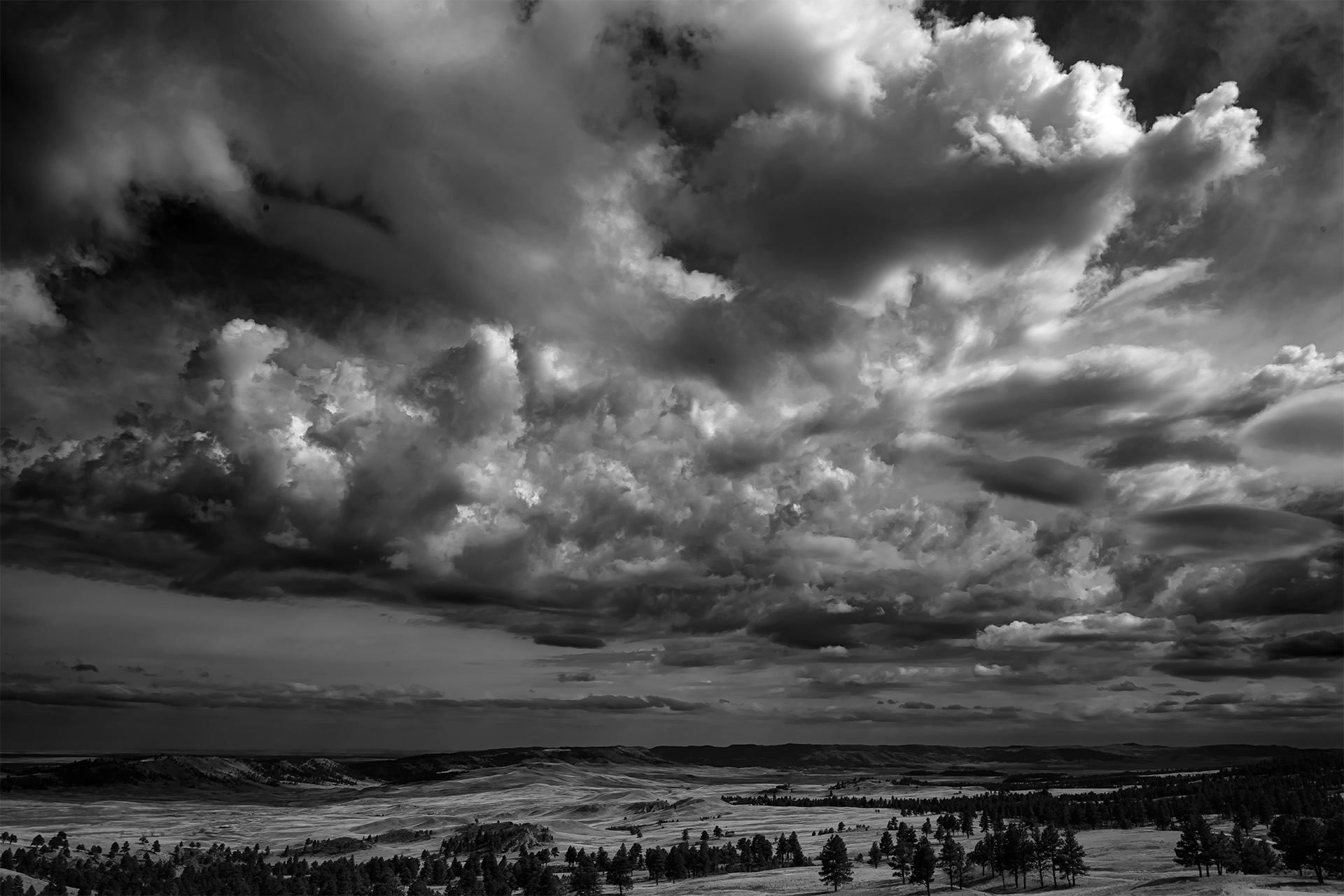
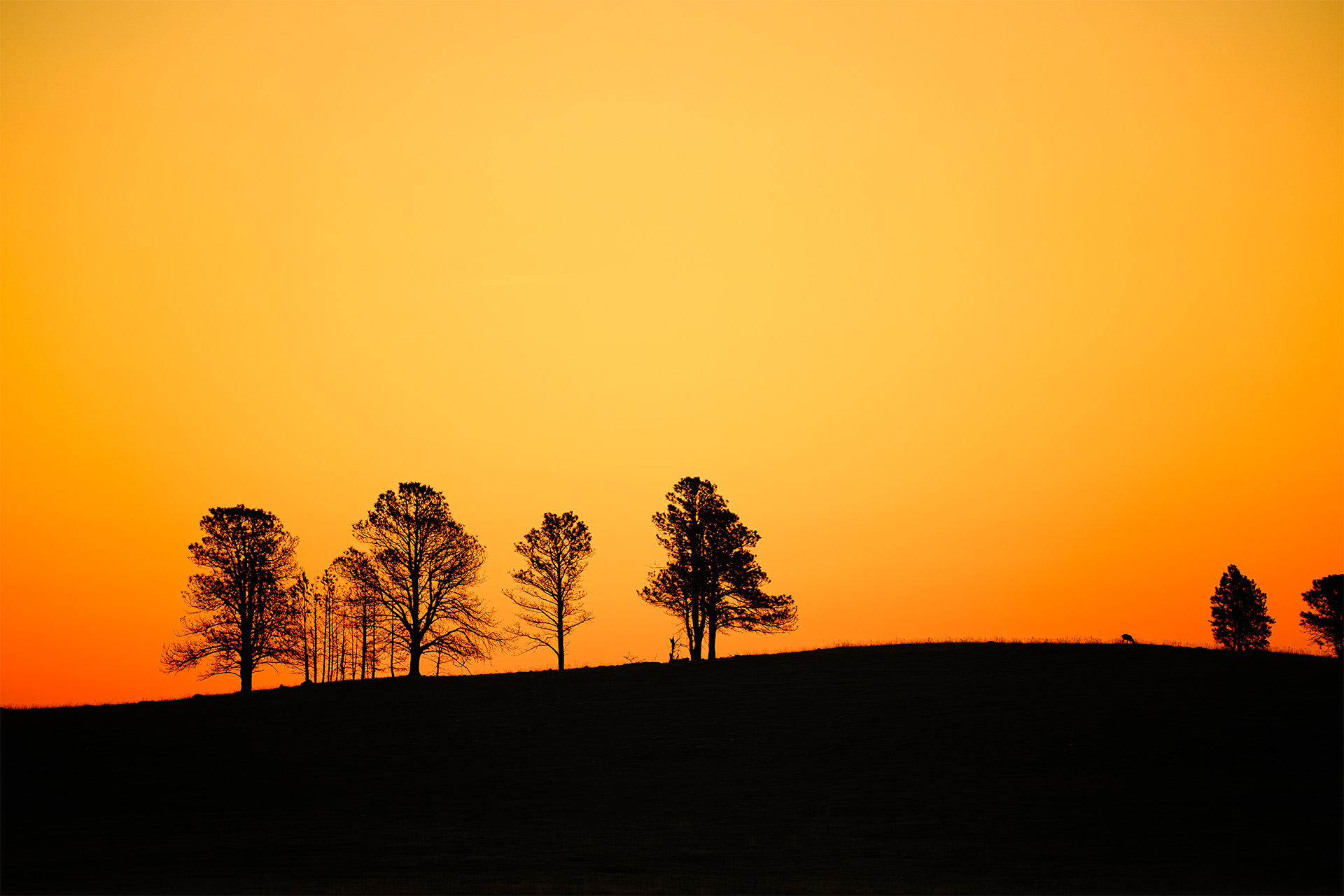
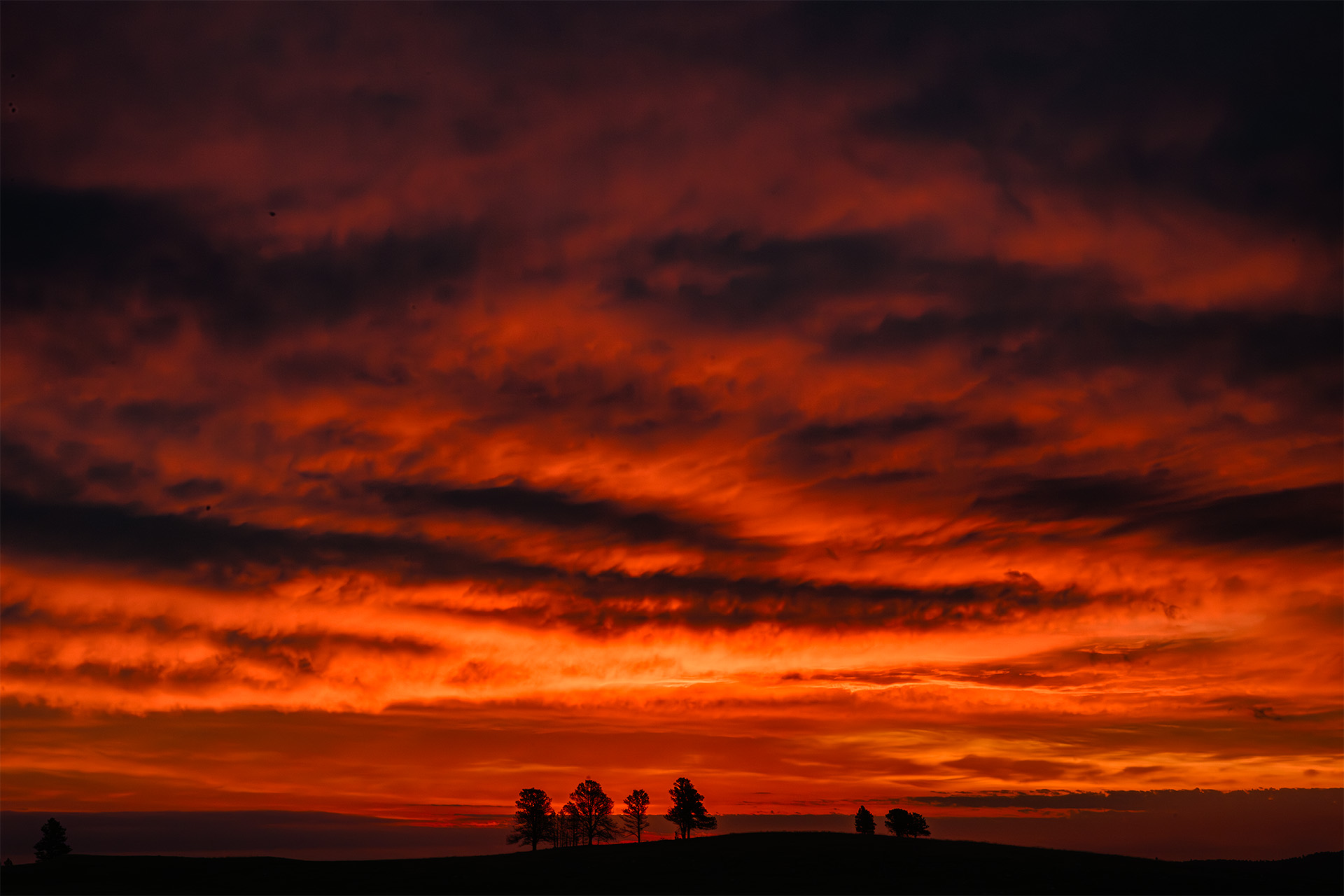
Custer State Park has amazing sunrises. The sun has greeted us each morning for the past three mornings with a glorious show, each one different; each one spectacular. The sunrise show starts well before the sun peeks above the horizon. At first, faint colors begin to appear low in the sky, early teasers of what’s to come. The colors change moment by moment, at first intensifying then seeming to fade and just when you think it’s over, the sky is suddenly awash with a show even more beautiful than you could have imagined. If you turn away too early, you’ll miss the best part of the show. These three images were all taken at the same location and at about the same time, approximately 5:30AM, on three different days and at three different focal lengths. I wonder what today’s sunrise has in store for me.

2025—Connection

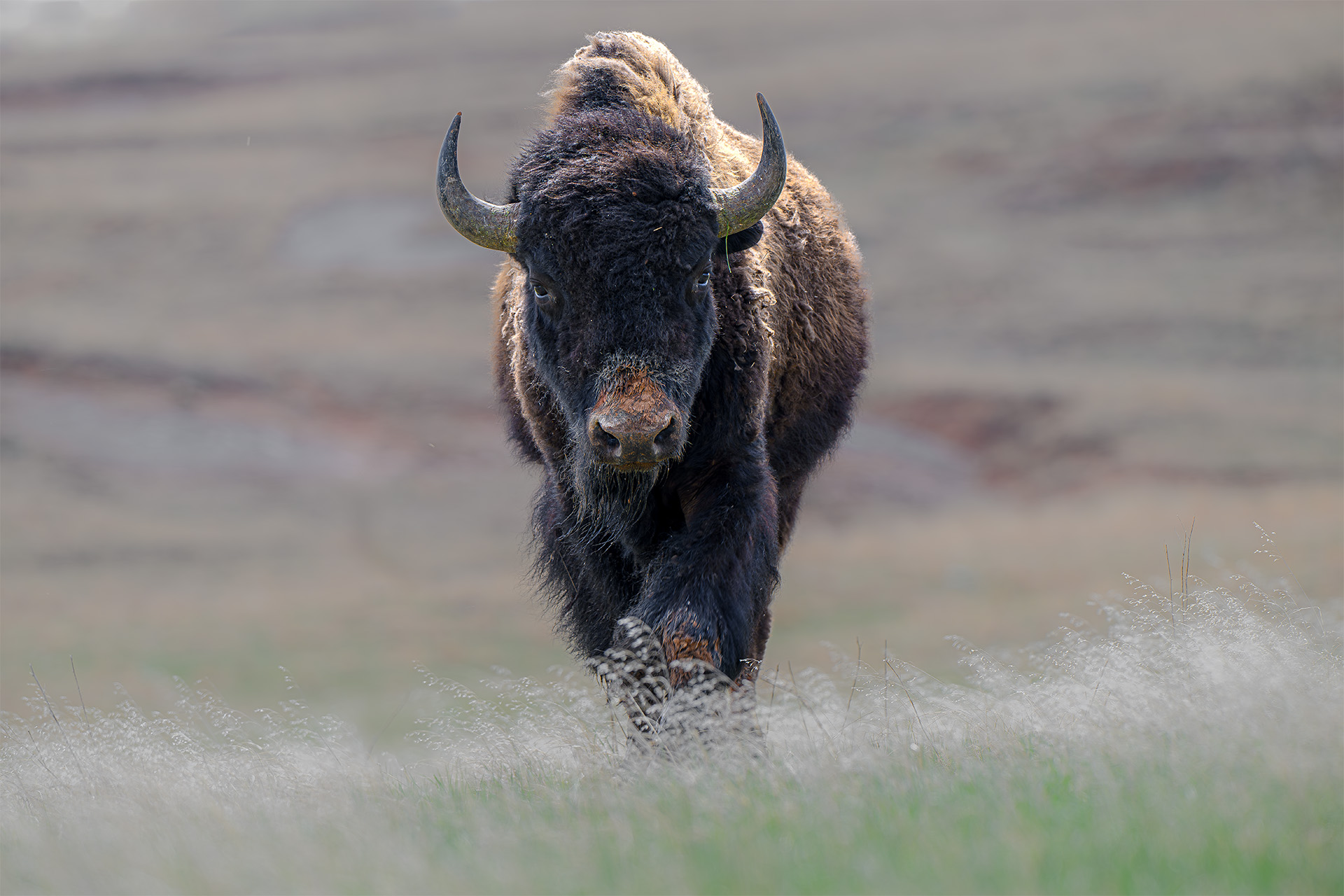
A muddy Bison Bull crosses a Prairie Dog town, hopefully avoiding stepping into burrows and seemingly on a mission. He lumbered steadily and undeterred in my direction yesterday afternoon in Custer State Park staring at me the entire time. I loved the eye contact and the illusion that he is emerging from something and about to step into my space. I felt a definite connection with him…but then he lumbered by me and crossed the road.

2025—When There’s No Barn

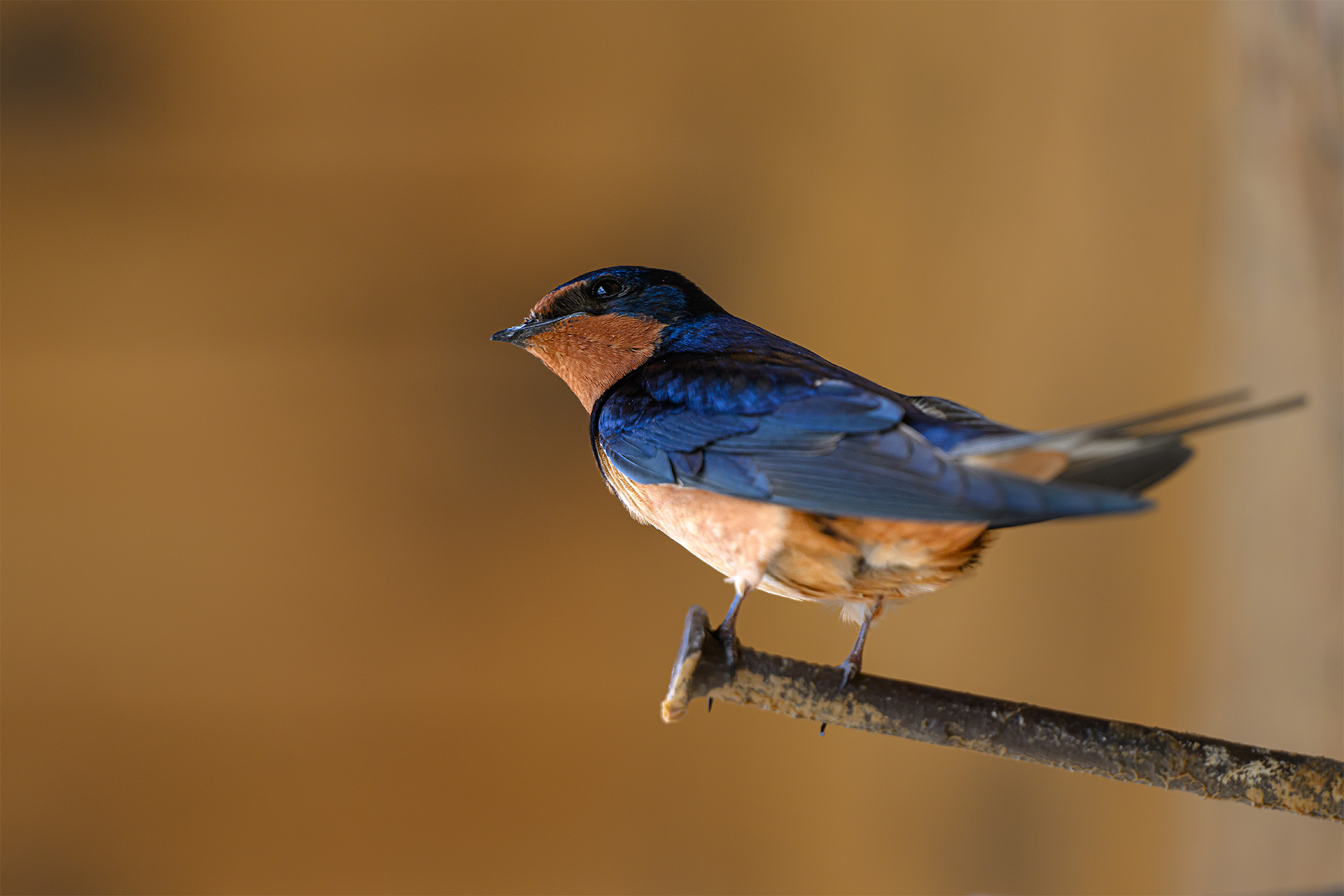
A pair of Barn Swallows was building a mud and straw nest high up on a rafter in the eave of a log outbuilding at the Wildlife Station Visitor Center in Custer State Park. When there’s no barn, they’ve got to nest somewhere. I suppose one rafter is as good as another, especially in the mind of a Barn Swallow. The colorful male perched, on a huge nail protruding from a log near the nest, waits for his mate.

2025—That’s a Big Egg!

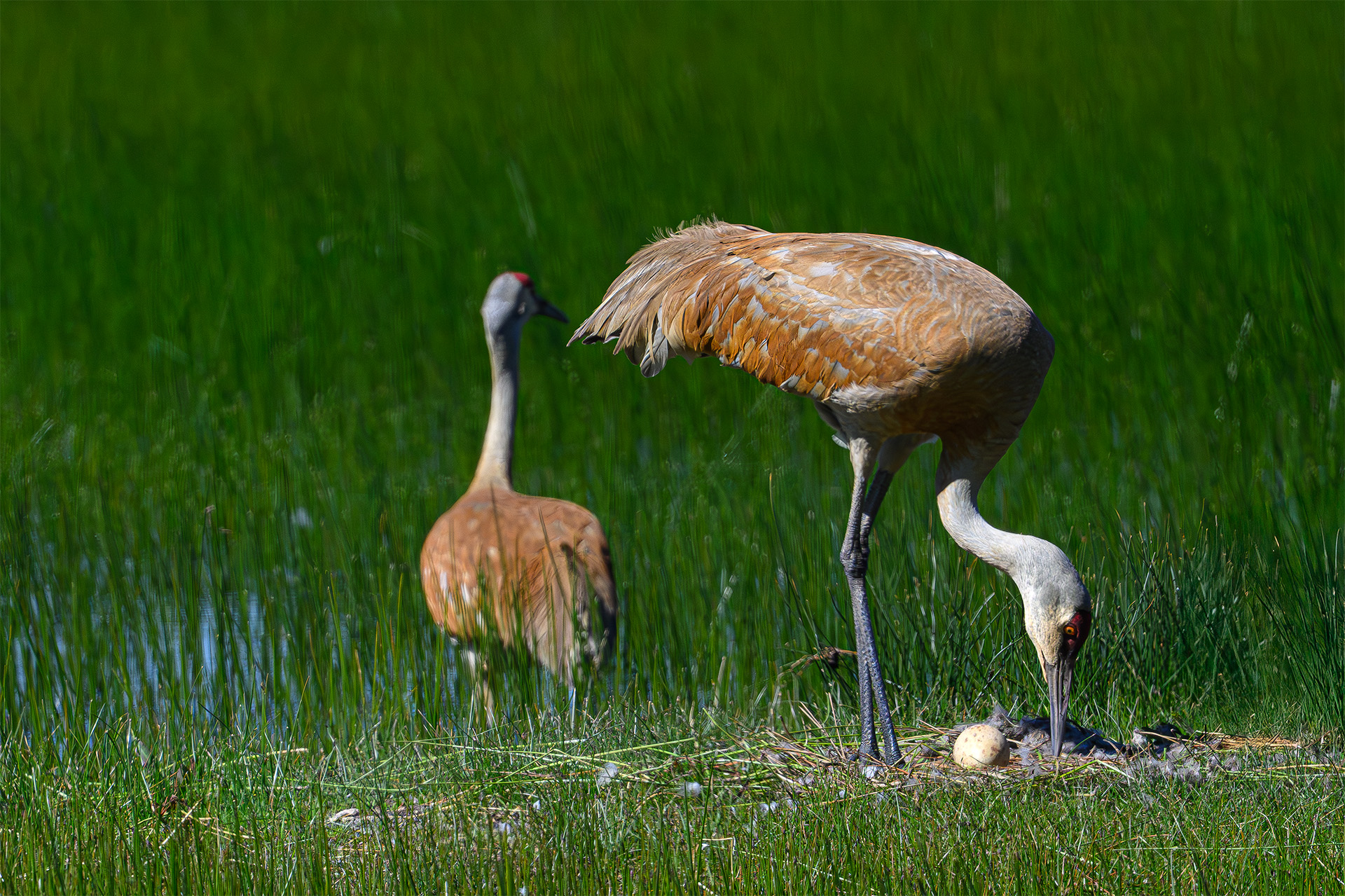
In Sierra Valley last week, we saw about a dozen Sandhill Cranes and two active nests. This nest was on a bright green tussock in the middle of a marshy pond. While we watched, she stood up and tended to her egg, rolling in around in the nest before settling back down again. What a delightful thing to witness. Sandhill Cranes have naturally grayish feathers with a red patch on their heads so I was surprised to see this pair with deep rusty coloration in their feathers. At first I thought it was natural breeding plumage but after a bit of research, I discovered that Sandhill Cranes create this color by painting themselves. They preen mud, often containing reddish iron-oxide, into their feathers before breeding season to stain them. It is thought that this behavior camouflages them while they nest in the midst of the brownish vegetation in the marshes. This pair chose a brilliant green part of the marsh in which to build their nest so their camouflage doesn’t really help them but they were sure gorgeous to see.

2025—Success!

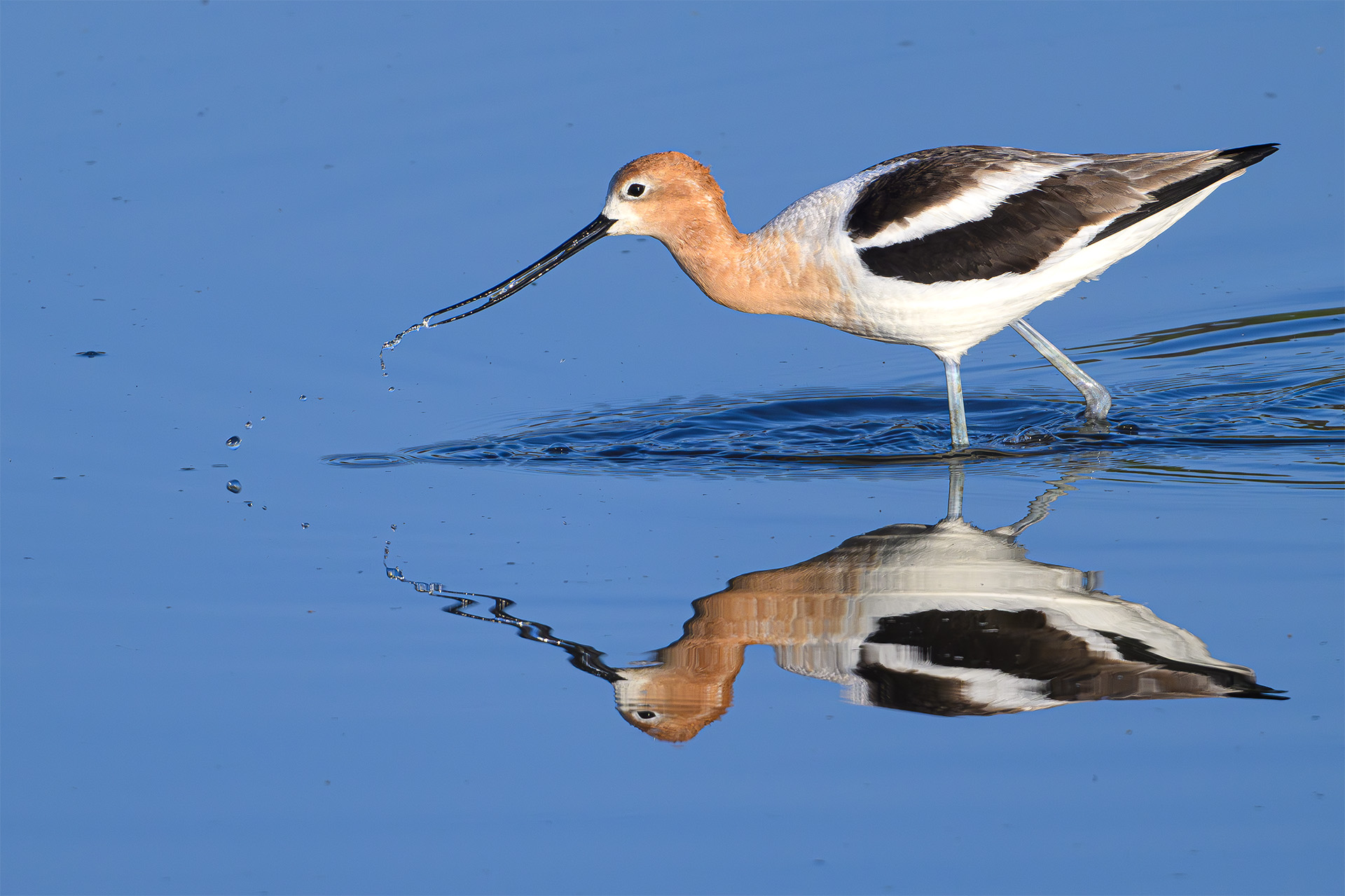
An American Avocet plunges head first into the shallow waters of the Salt Pond and emerges successful, a tasty morsel in its beak. I believe this to be the male (the female’s beak is more upturned). The female Avocet is nesting in plain sight on the gravel sandbar on the far side of the pond.

2025—The Return

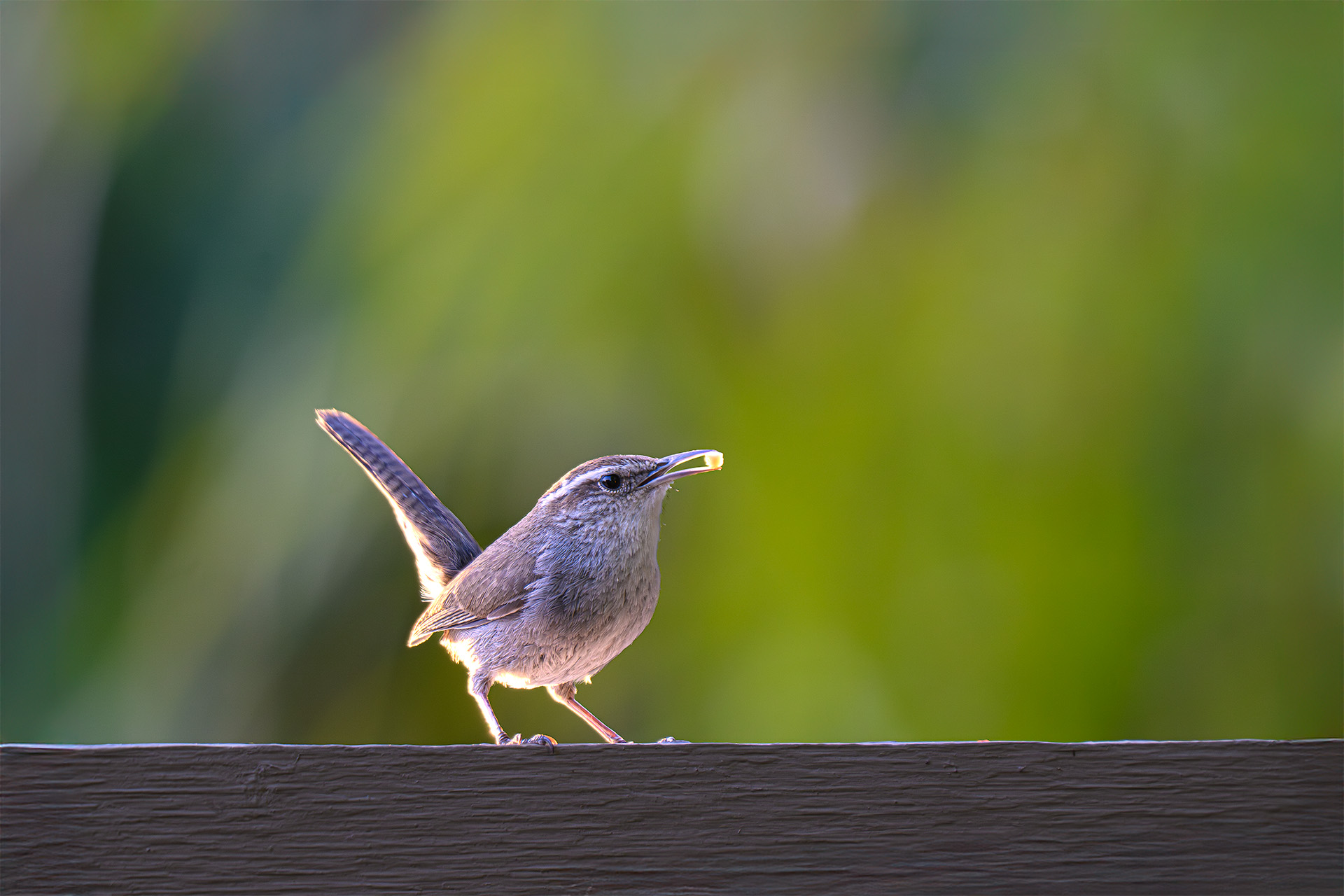
The adorable little Bewick’s Wren has returned to my yard. Maybe he never left. He is the little guy who twice entered my home when I opened the front door where he’d decided to spend the night in an abandoned House Finch nest built on the artificial eucalyptus wreath hanging on my front door. A few days ago there was a pair exploring cavities and other possible nesting sites in my yard. My friends Moose and Sharon, who were visiting at the time, noted this activity and had a wren nest box delivered the next day. Thank you, Moose, Sharon, and Amazon. I have put out dryer lint to serve as nesting material and am anxiously waiting to see if they will nest there. I captured this image two days ago. The wren is just a few feet from the nest box, and he posed there with a morsel of something in his mouth for several minutes. He finally flew off but not to the nest box. I’ll keep watching.

2025—Good Catch

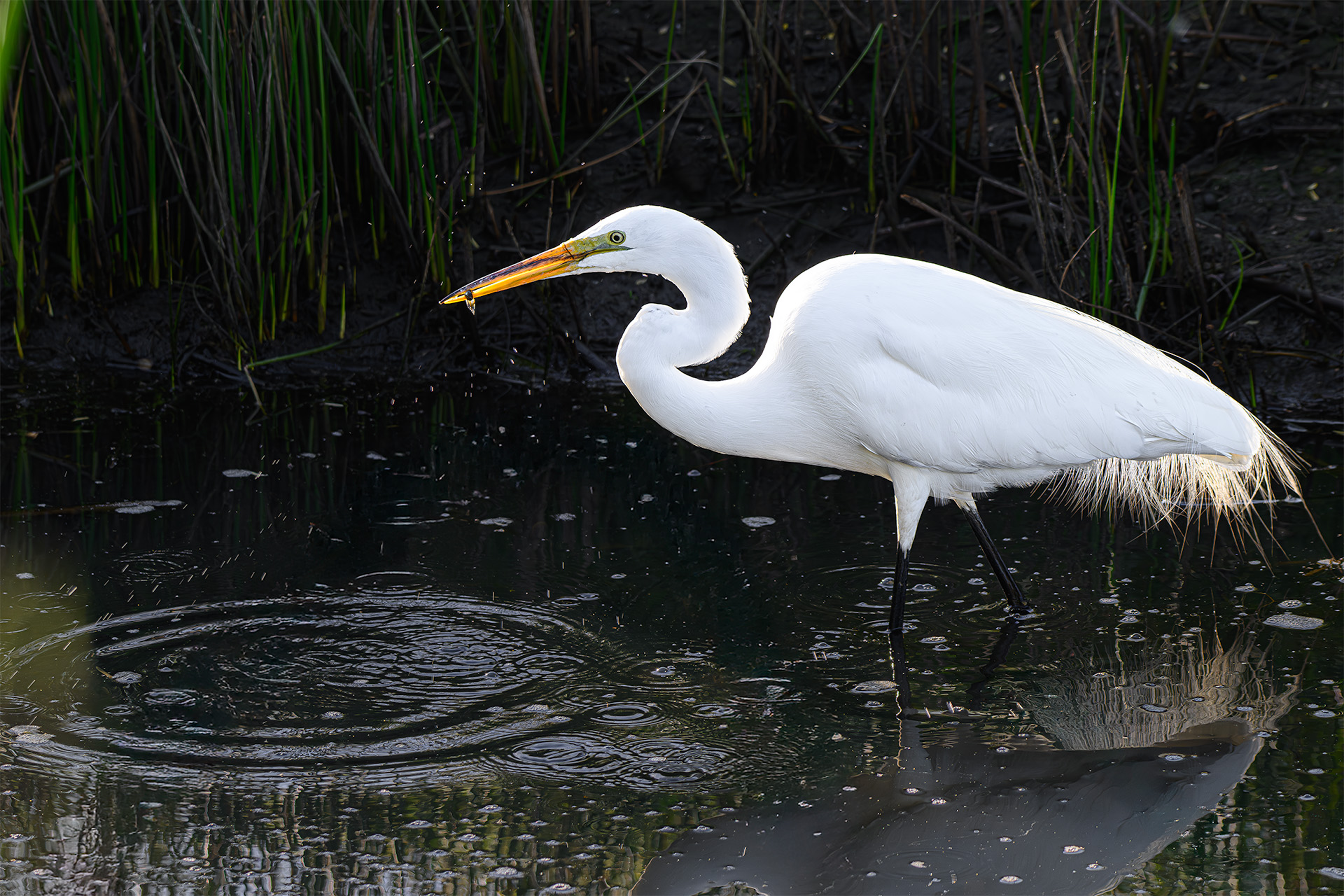
A Great Egret crunches down on a tiny minnow along Ferrari Pond Trail yesterday morning. I got a chance to use my new Nikkor Z180-600mm lens which worked perfectly in this situation. Until a couple of days ago, I’ve been using my Z600PF with the 2X teleconverter when I walk Ferrari Pond Trail because most of the birds and other wildlife are pretty far off. So, I attached it to the Z180-600 and when I saw the Great Egret just a few feet away, I was able to zoom out and capture the Egret as it stalked the minnows in the small marsh pond.

2025—So You Think This Is Easy?

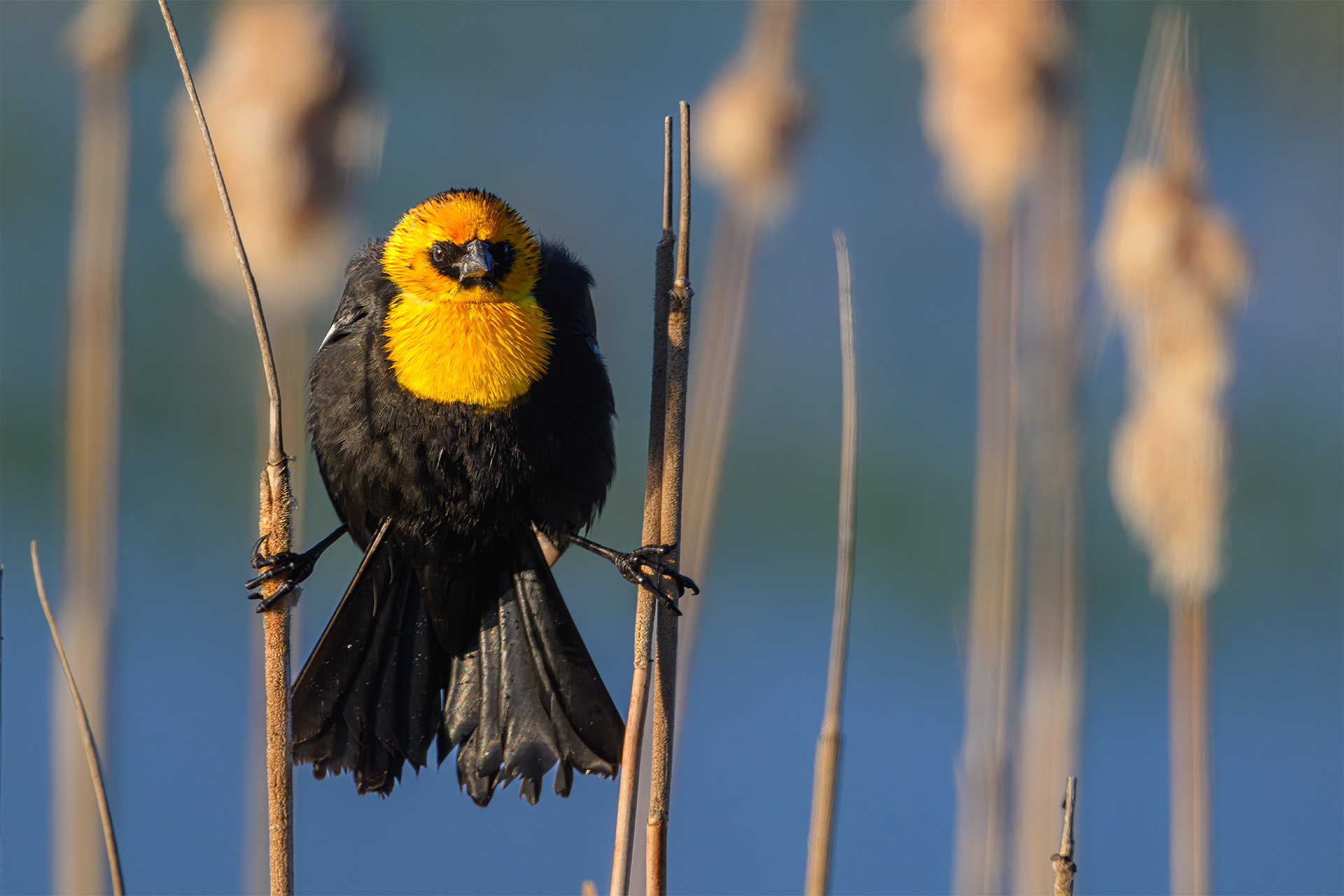
To me, one of the most iconic sights of both the Yellow-headed and Red-winged Blackbirds is one where they straddle two cattails, reminiscent of an acrobatic performance like those in Cirque du Soleil. The marshes in the Sierra Valley are filled with both Yellow-headed and Red-winged Blackbirds but most of the time, they seem to be perched on a metal fence pole supporting barbed wire or on the barbed wire itself. We were lucky to find a few that perched on marsh plants like cattails and even luckier to find even fewer straddling two cattails. This male Yellow-headed Blackbird looks straight at my lens, seemingly thinking something like, “so you think this is easy?”

2025—Sunset at Lake Davis

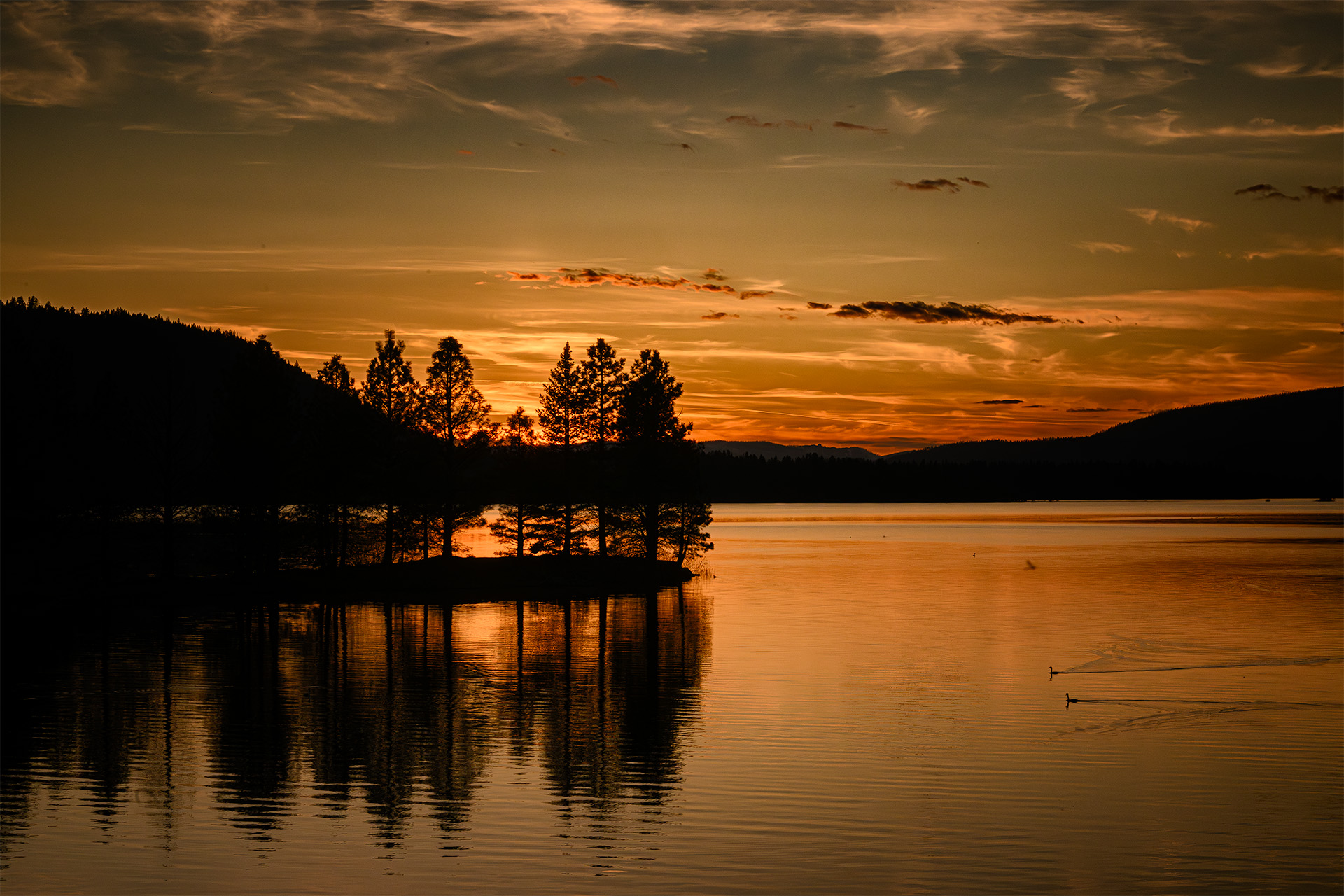
Sunset at Lake Davis Monday evening was quite spectacular. Situated in Plumas National Forest, the lake was built in 1967 to enhance the area’s fishery and to develop recreation. Its water flows into Grizzly Creek and to the Middle Fork of the Feather River. There were several fishermen at the lake when we photographed the sunset there Monday. They admitted to having varying degrees of success catching the lake’s Rainbow Trout.