2025—Summer Sunrise at Ferrari Pond

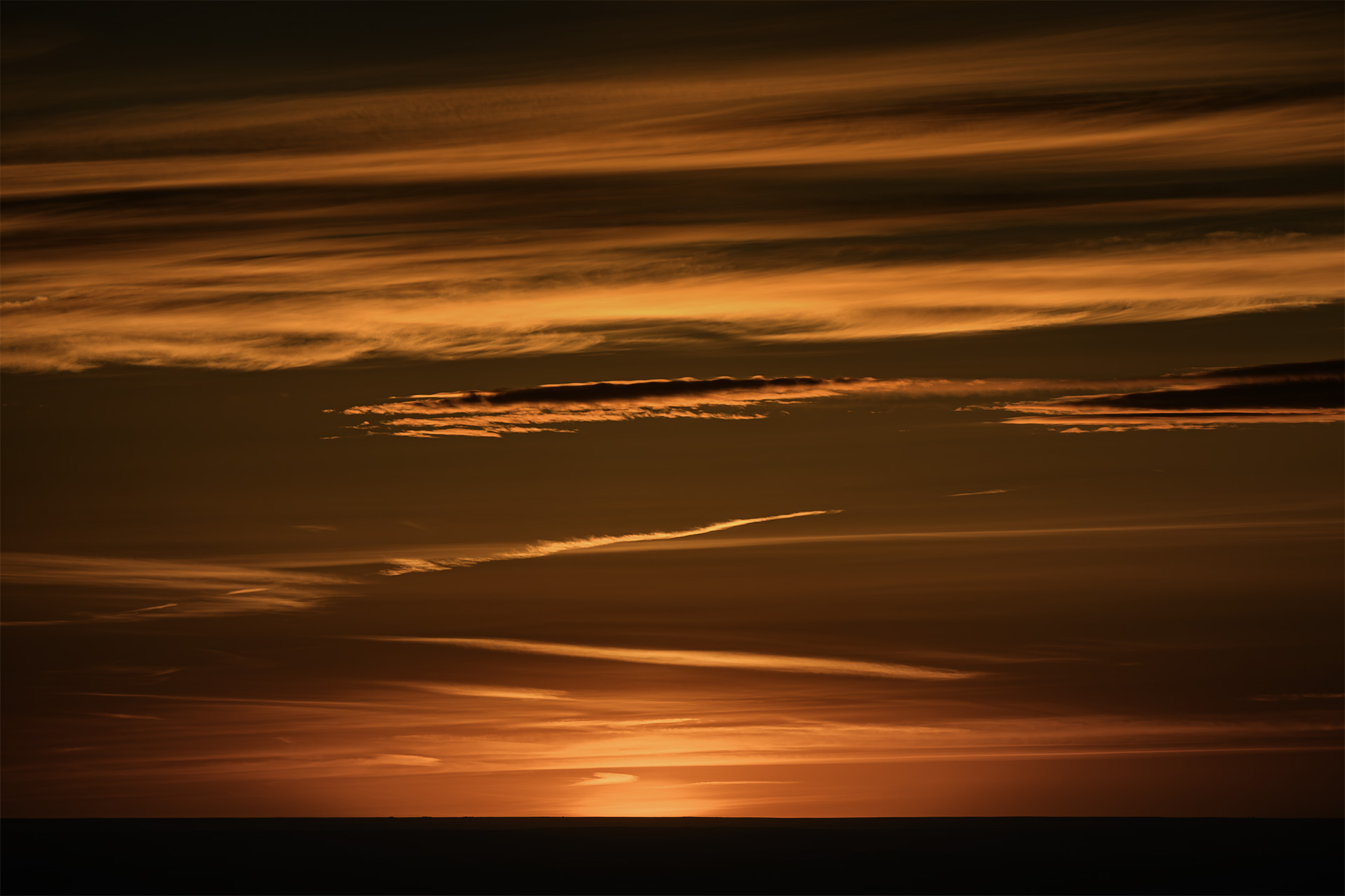
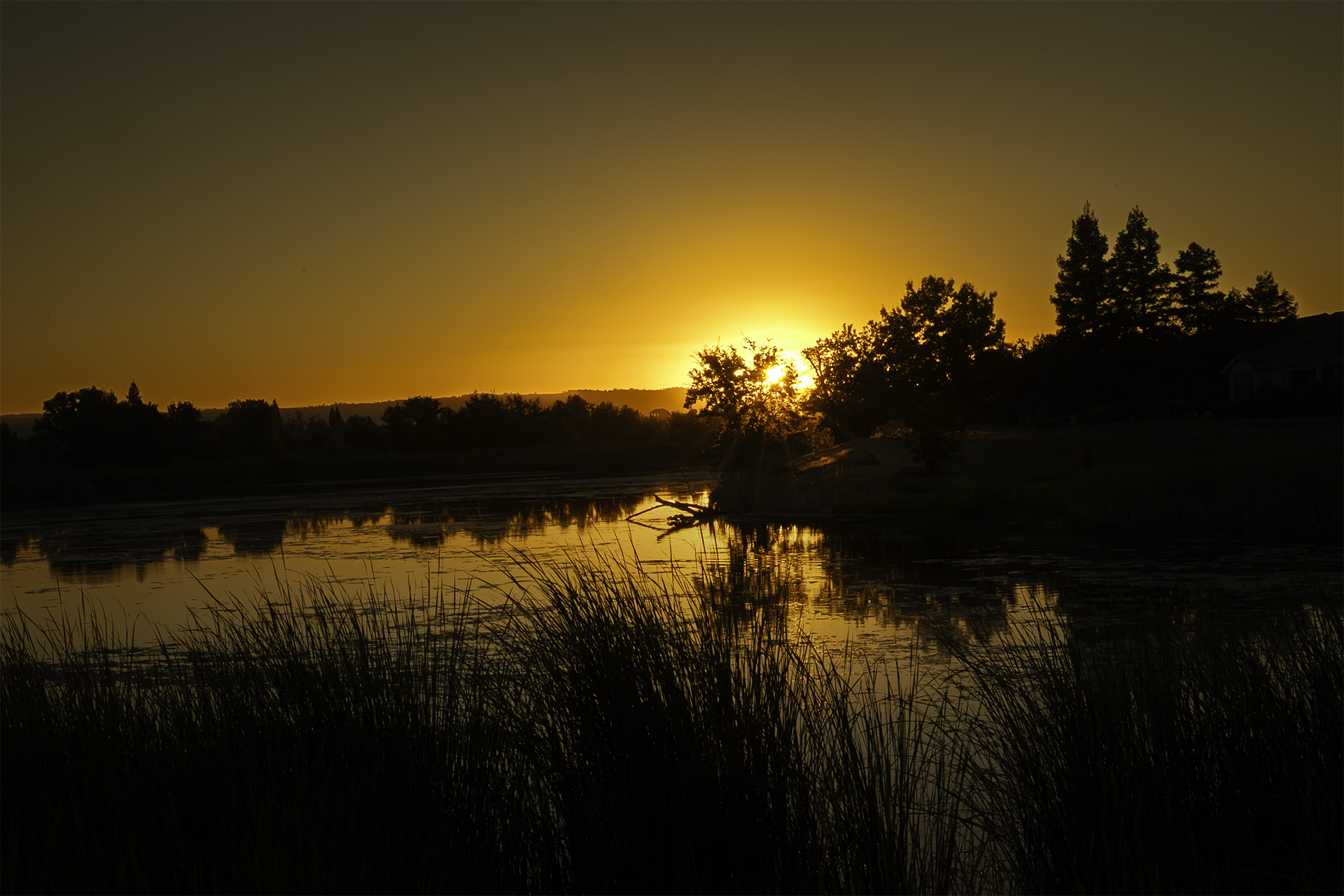
Yesterday morning, I finally managed to get out for my walk before sunrise. I didn’t make it to Ferrari Pond until a few minutes after the sun rose above the distant hills but this view greeted me when I did arrive. The good news for me is that I managed to walk the mile and a half from my house to the pond in 26 minutes so my walking speed (a mile in just over 17 minutes) has improved significantly.

2025—That Magnificent Rivoli’s

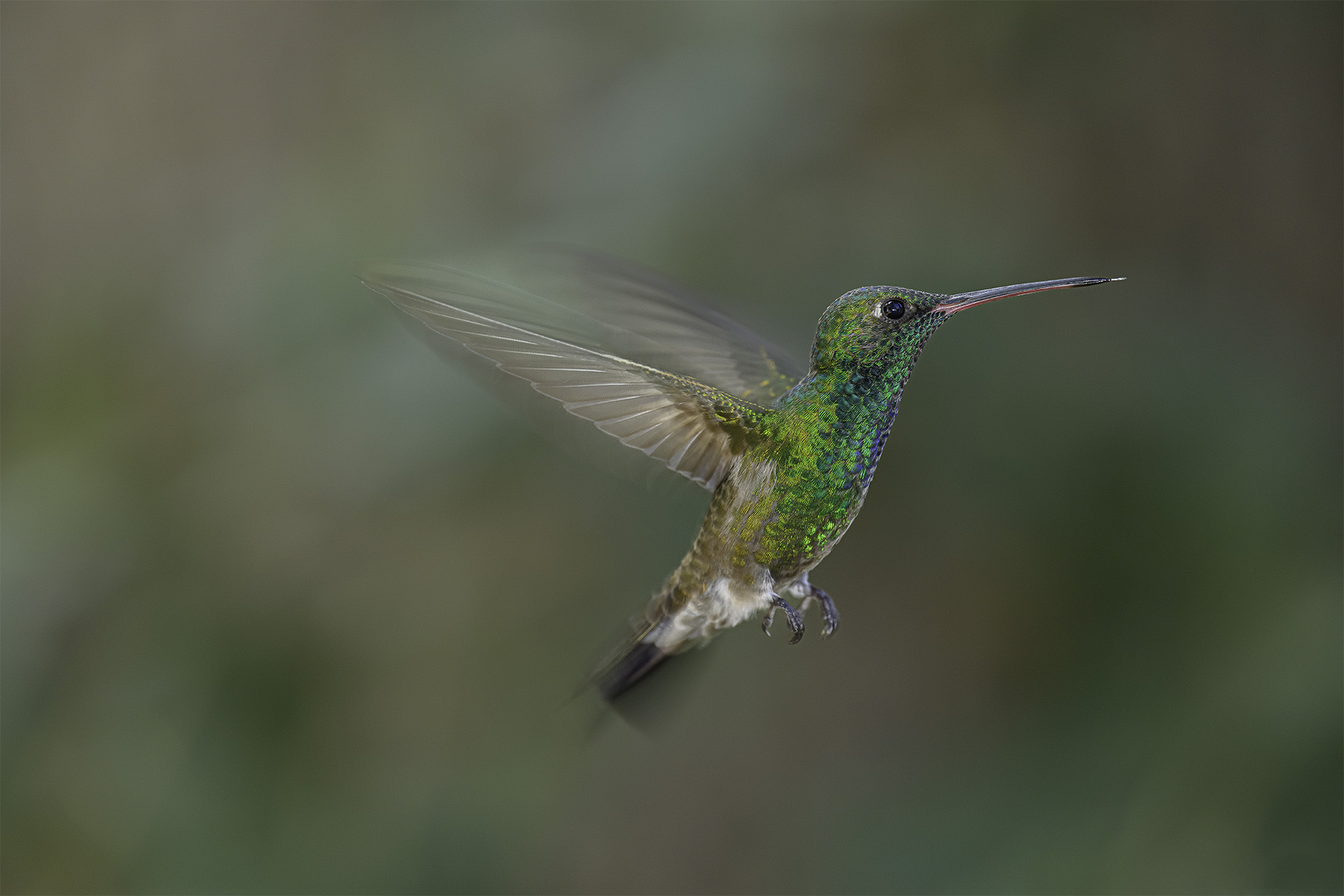
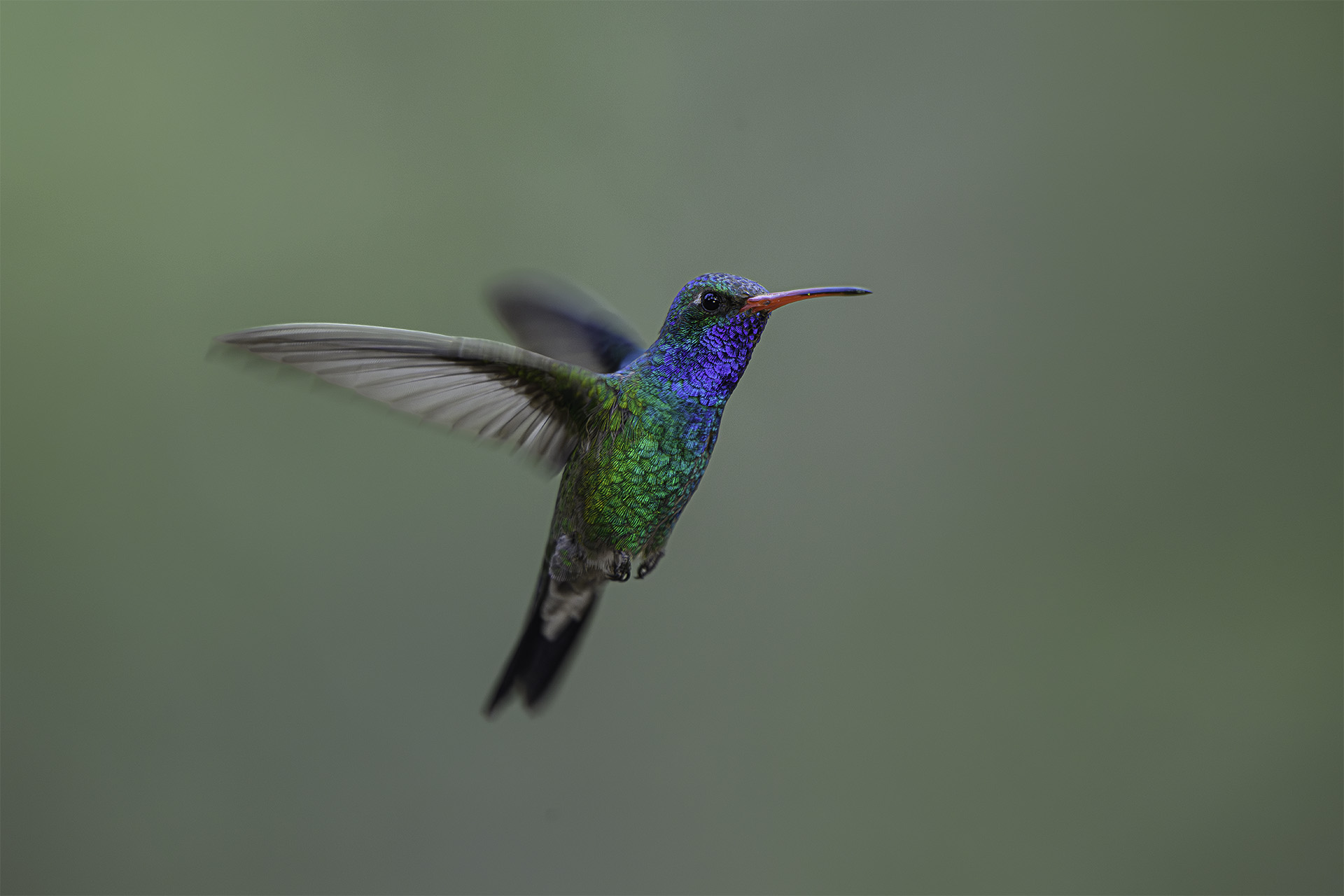
The Rivoli’s Hummingbird is indeed magnificent. In 1983, ornithologists changed the name of the Rivoli’s Hummingbird to Magnificent Hummingbird and for 34 years, it remained Magnificent. In 2017 though, ornithologists split the Magnificent into two species, and for those birds that live between Nicaragua and the U.S., the original name was restored. I still think of this bird as magnificent, and even more so when one looks straight at me, like this bird this past June in Madera Canyon, AZ.

2025—Another Sparkling Jewel

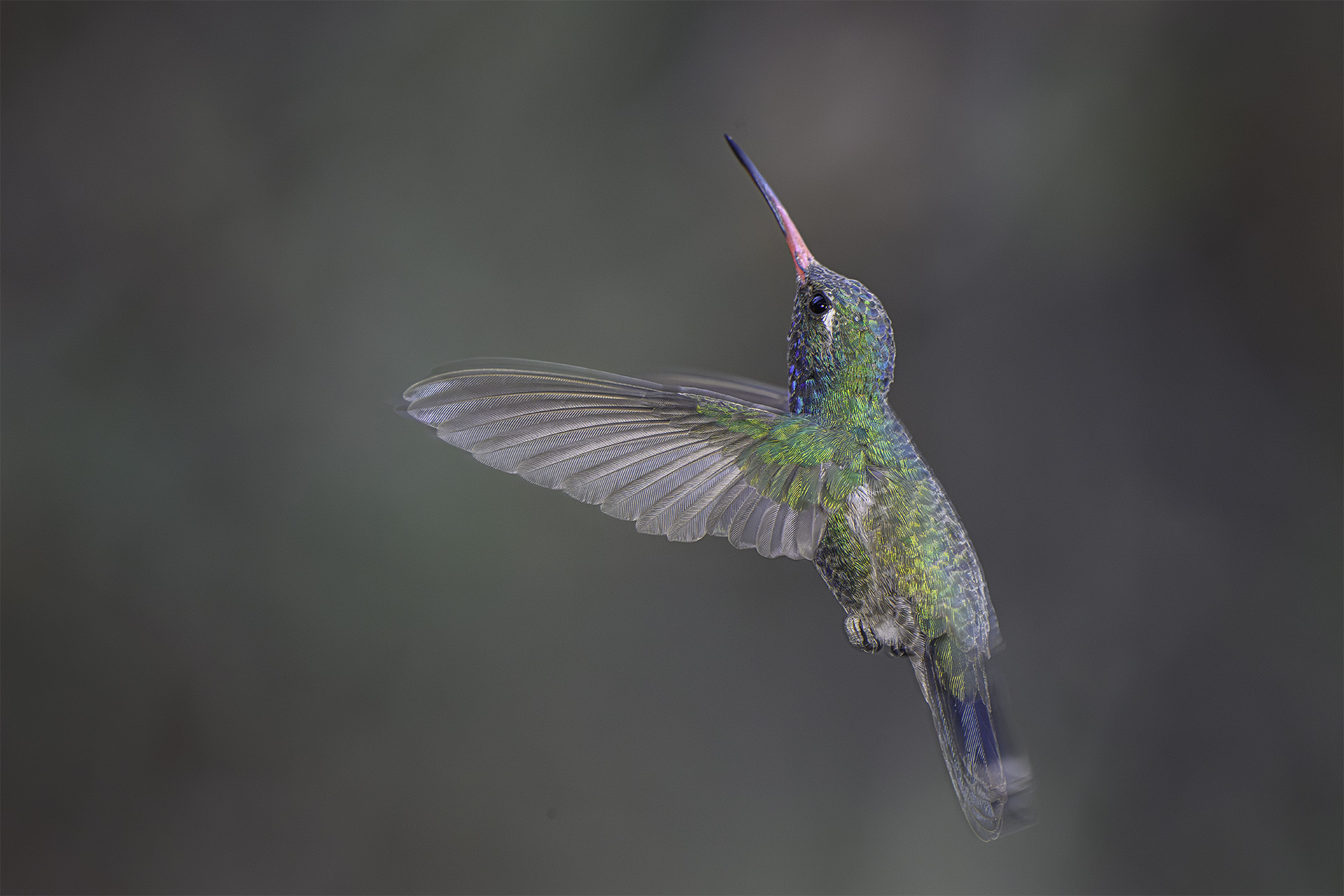
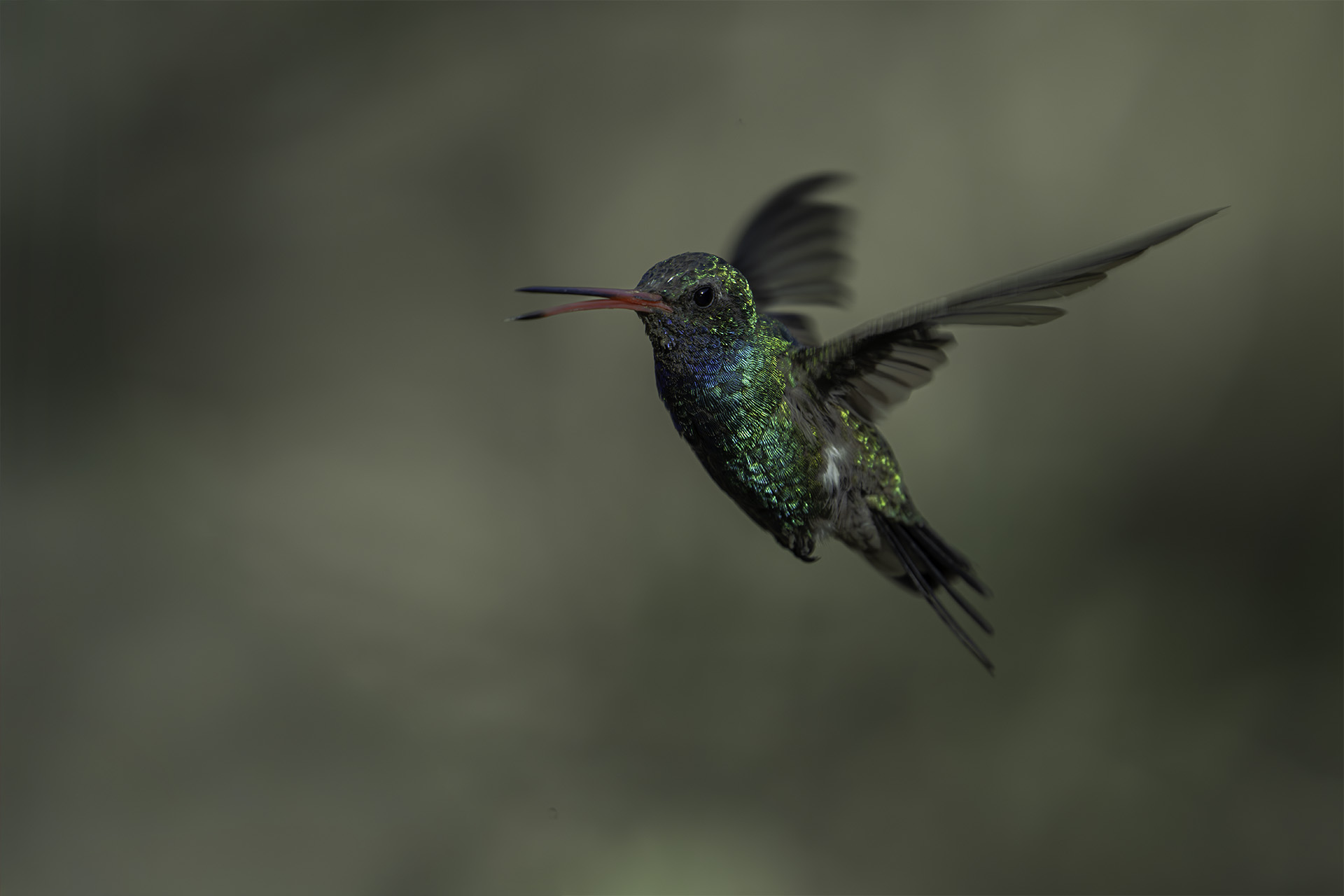
The sapphire and emerald colored feathers of the Broad-billed Hummingbird are spectacular. While the Broad-bills always dominate the feeders, things were a little different at Madera Canyon this past June. There seemed to be fewer mature males but there were quite a few juveniles with emerging feathers in various stages of growth. This is one of the few fully feathered males showing off his sparkling jewel-like feathers.

2025—Ready to Dip

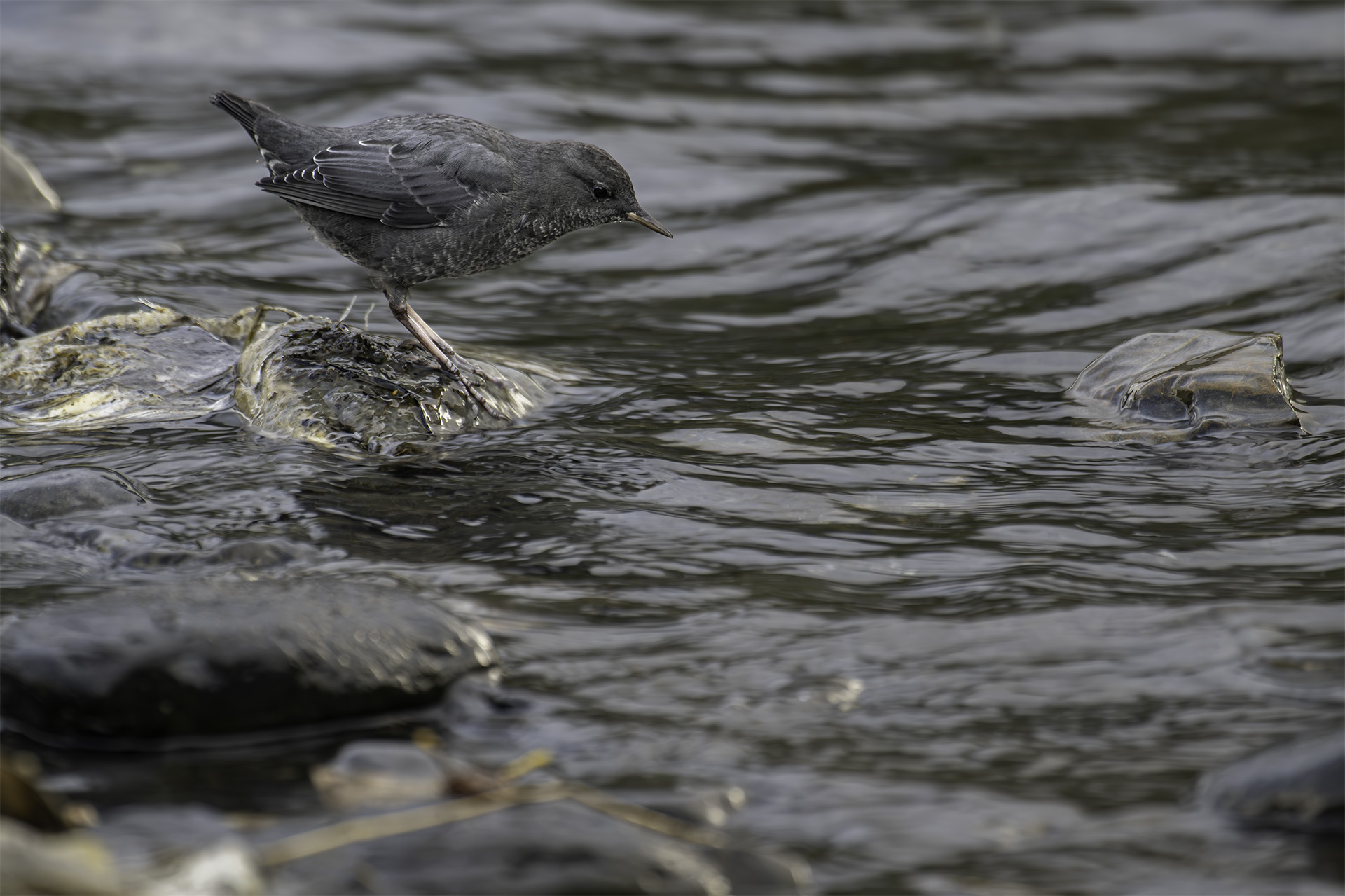
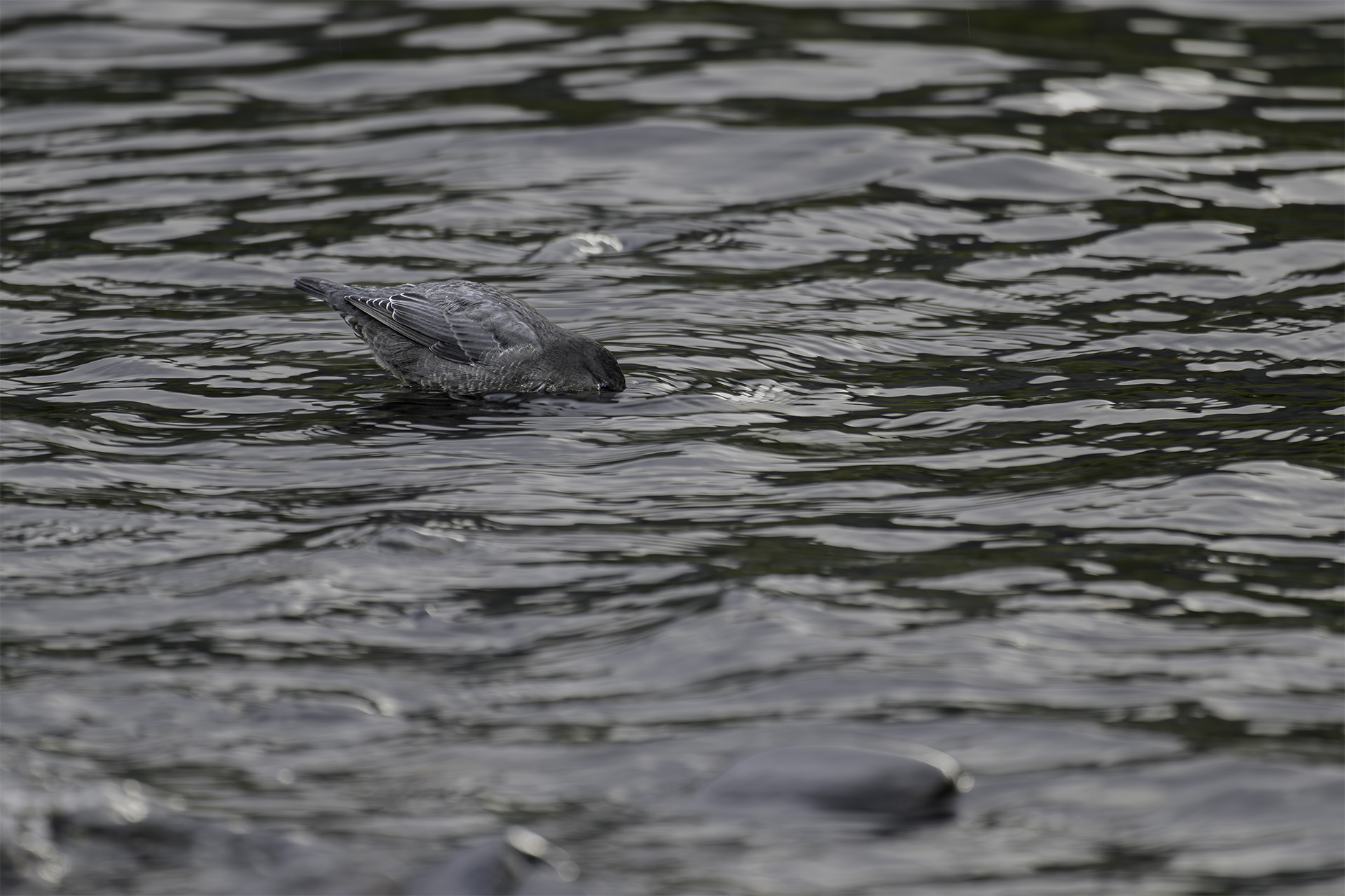
An American Dippers gets ready to dip and then dips eyes wide open! Until I got to Kodiak, Alaska in the fall, I’d never photographed an American Dipper. I’d seen plenty, especially on the banks of various rivers in Yellowstone National Park but those were only brief glimpses as we drove by. Late one afternoon a couple of years ago, as I sat on the bow of a flat bottomed boat and watched Moose, Eric, and our guides Chris and Hiram, fishing for our salmon dinner, I noticed movement in the shallow edges of the river. It was an American Dipper, unfazed by my sitting just a few feet away, my hip-booted feet dangling in the water. These small birds eat lots of aquatic bugs and their larvae, dipping down into the water to snatch their feast, not unlike the Kodiak Brown Bears we were watching doing the same thing, only their prey was a tad bigger than the bugs and eggs that the Dippers were after.

2025—Eye on the Prize

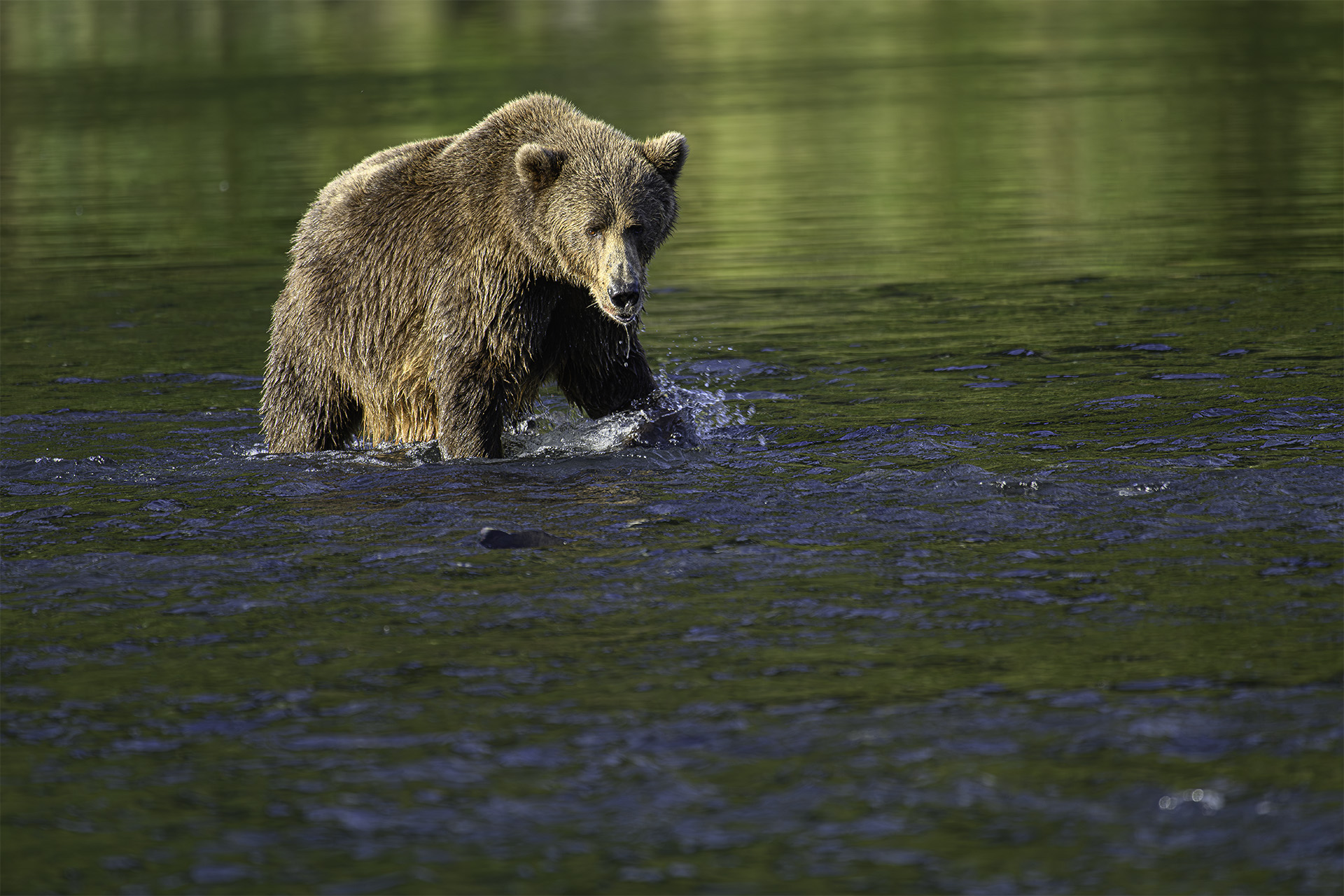
When Mama Bear waded into the Unganik River that runs through Kodiak Island, she was surrounded by salmon heading upriver to spawn. She spied the prize, the dark spot in front of her right leg, and kept her eye on it, drooling a bit, perhaps in anticipation of her next meal. When she turned to pounce, the salmon escaped her grasp. No prize this time but the blood on her snout indicates she had recently been more successful.

2025—An Uncommon View

White-breasted Nuthatches are commonly seen climbing down trees headfirst and this behavior is so characteristic that it can serve as a way to identify the species. I’ve photographed quite a few White-breasted Nuthatches with that distinctive pose, but always as a sideview. When I ran across this image from Madera Canyon in June, it kind of surprised me. It was that distinctive pose sure enough, but it was taken from a different angle that gave an entirely different look to that little bird. I kind of like it.

2025—Unexpected Discovery

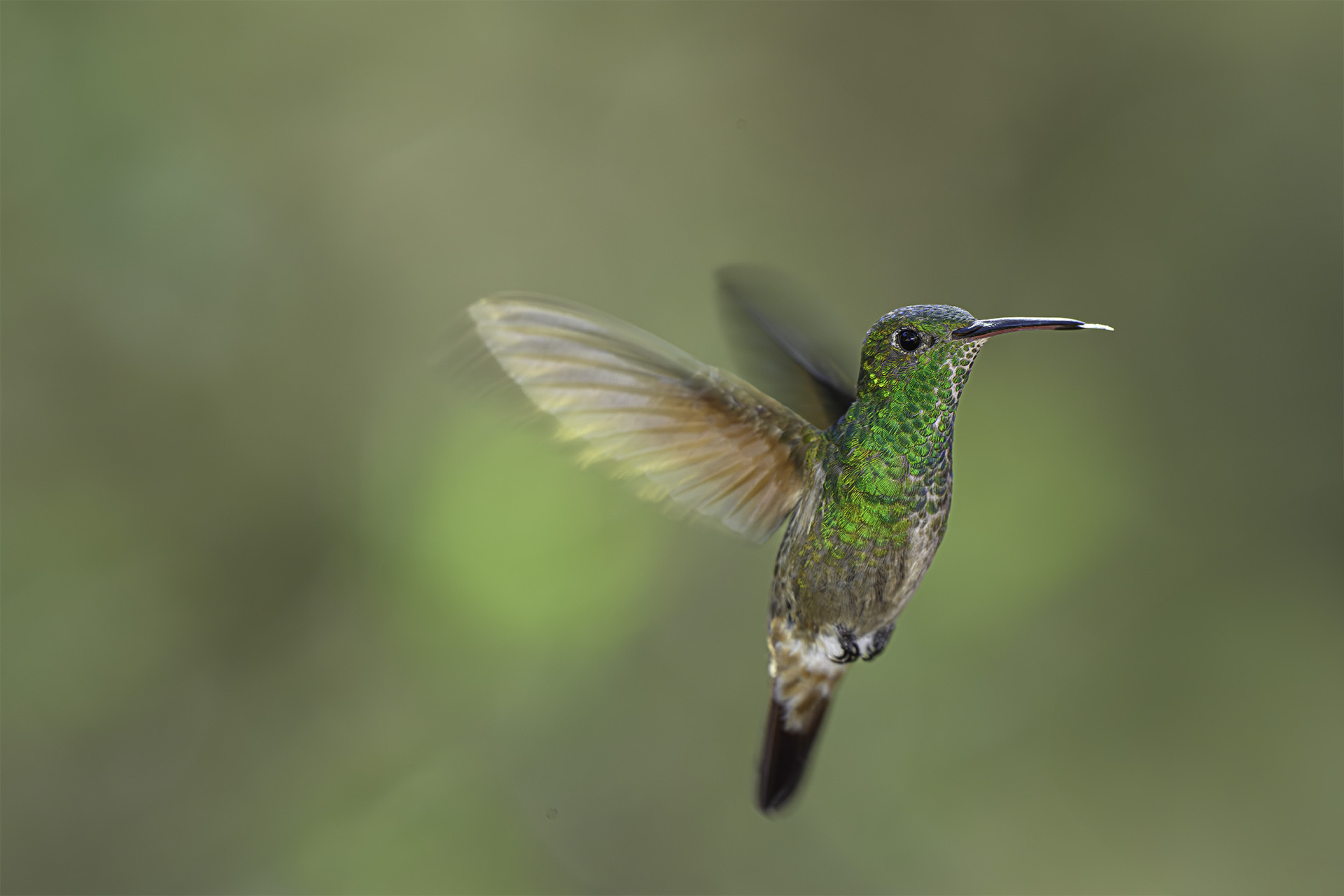
A couple of years ago at Madera Canyon, we were told that the Berylline Hummingbird had made a rare appearance there. I didn’t expect to see one but at the end of the first day, when I reviewed my images, I found a bird I thought might be the Berylline. Some of those images were out of focus and with lots of other images to review, I didn’t look at them further. I set them aside in a folder labeled “Berylline??” and forgot about them. I didn’t see the Berylline again that year and didn’t photograph it in 2024, either. But in 2025, an adult Berylline Hummingbird, a juvenile, and even a hybrid Berylline/Broad-billed made frequent appearances and I took a number of photographs of the Berylline. Yesterday while looking for something else, I came across those images from 2023 in the folder I’d labeled “Berylline??”. As I scrolled through the images of the bird that I took that day, 6 were background only (i.e., no bird in the image–a common occurrence when you’re shooting hummingbirds), 13 were either out of focus or had only half a bird, but five of the images were good images that I had completely overlooked. Now that I am familiar with the appearance of the Berylline, I can confirm that the bird I photographed two years ago was in fact a Berylline and here it is.

2025—Relaxed

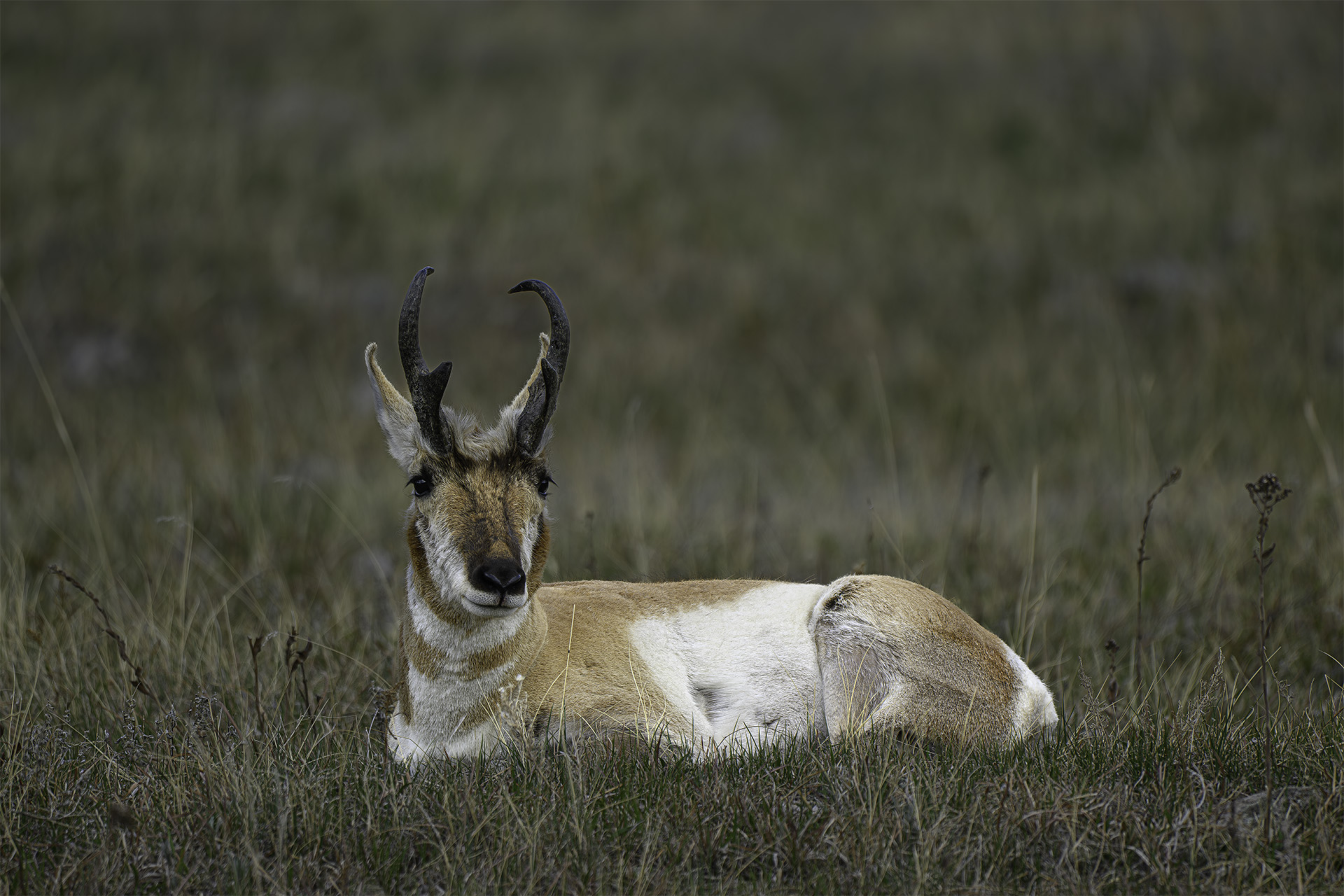
A Pronghorn in Custer State Park in the Black Hills of South Dakota relaxes in a meadow this past May. These are the fastest land animals in North America, sustaining speeds up to 60 miles per hour. In the world, they are second only to Cheetahs on land. A few years ago, I witnessed a herd of Pronghorn fleeing predators, a pair of Coyotes that had singled out an injured or ailing Pronghorn from the rest of the herd. The experience was like watching a nature program about the Serengeti on PBS but it was here in the US.

2025—A Real Big Gem

Z9#2

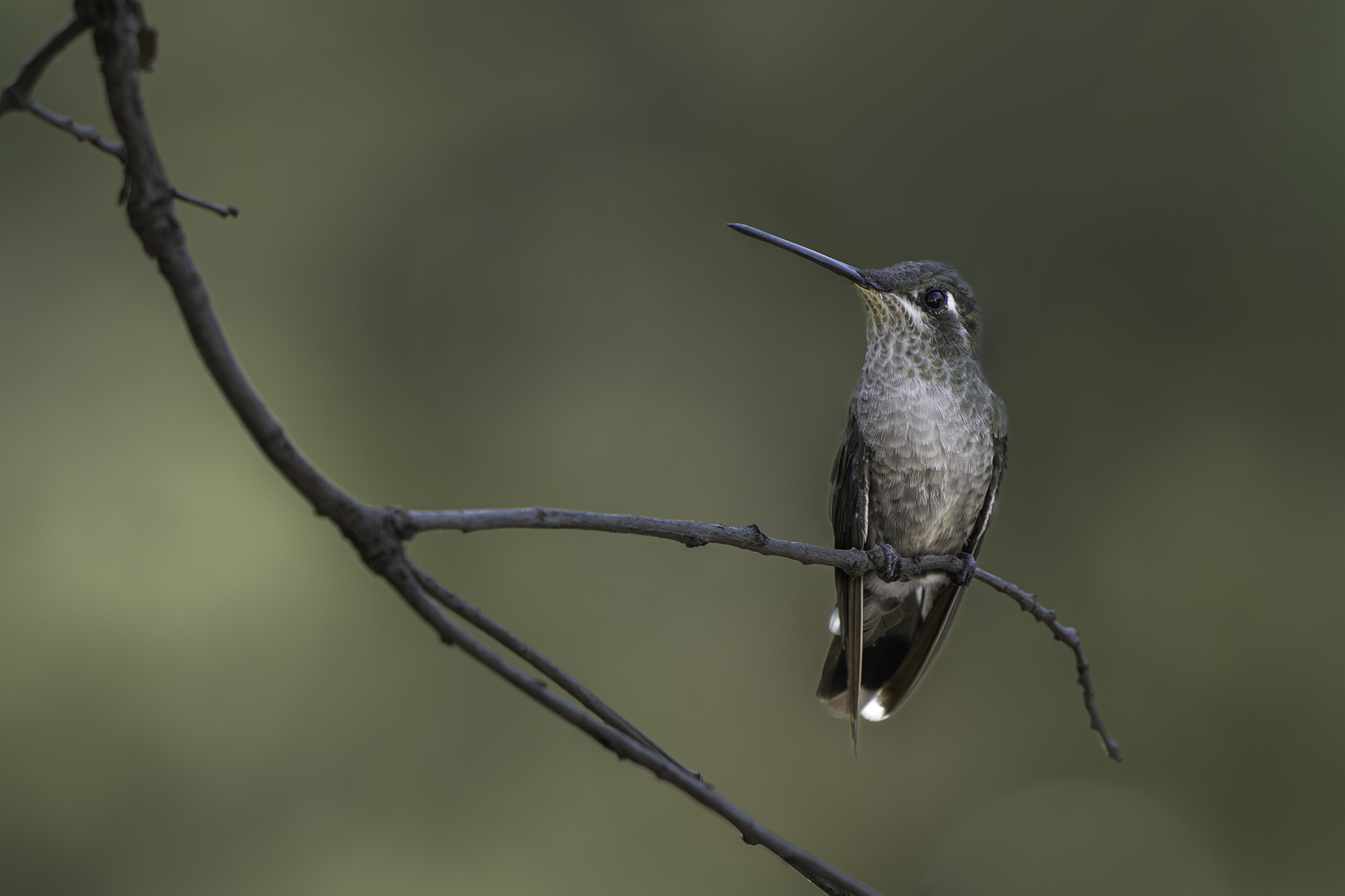
A couple of mornings at Madera Canyon, the Blue-throated Mountain Gem made an appearance. It was a female, so no blue throat, but she’s still a real big gem in her own right. The Blue-throated Mountain Gem is the largest hummingbird in the US, larger than the Rivoli’s. In past years I’ve photographed the gorgeous, blue-throated male but this year, it was just a female, perched on a twig while she waited her turn at the feeders.

2025—Splash!

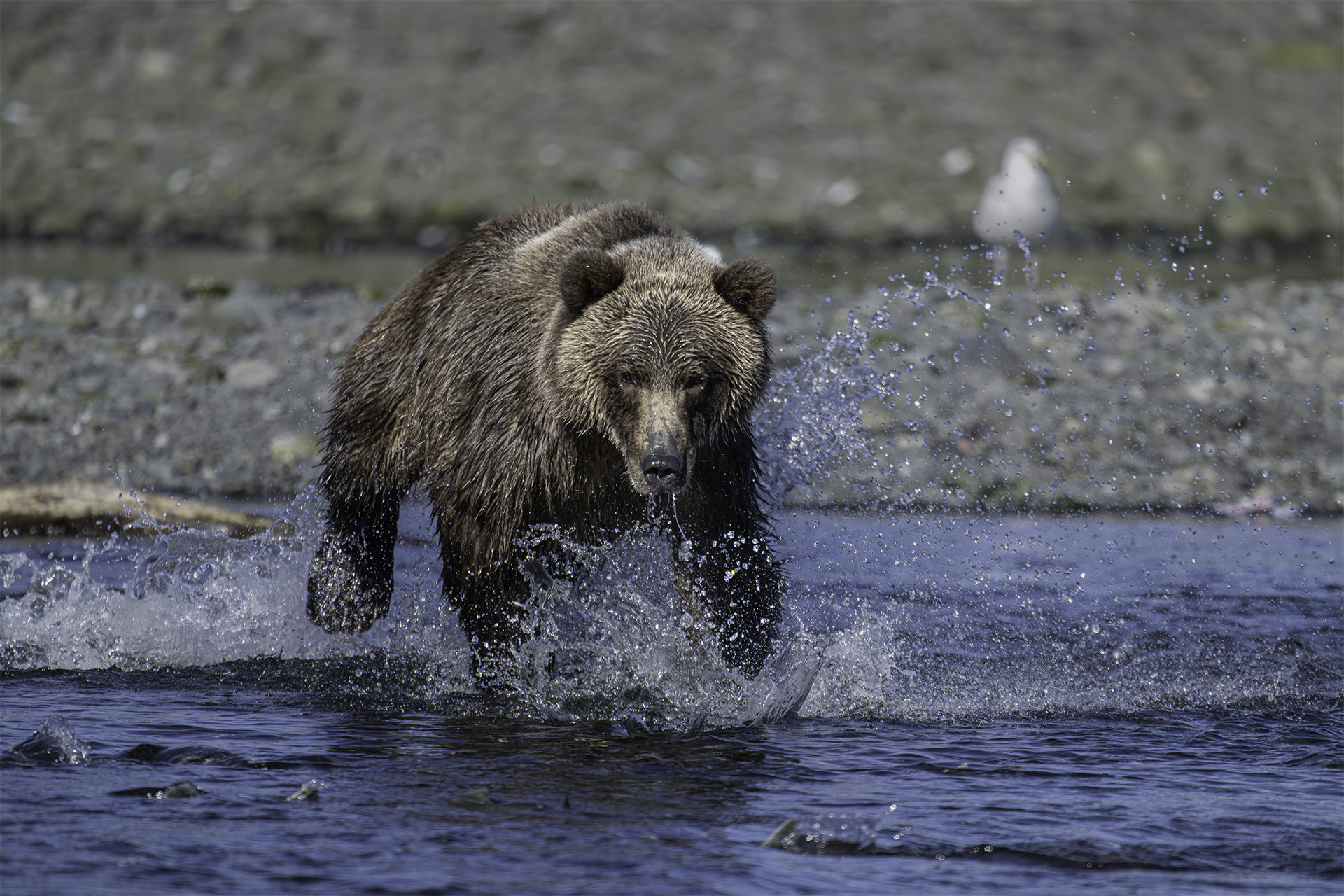
Surrounded by salmon heading upstream to spawn, a three-year old Kodiak Bear Cub splashes through the shallow waters of the Uganik River in Kodiak, Alaska, hoping to snag one of the fish. I’ve been looking at my images from my fall trip to Kodiak in 2023 and I’m excited to be heading back there in just a month. There’s something about the experience in Kodiak that is so incredibly special and the fall trip, with the bears focused on the salmon run, is doubly so.

2025—Serenity

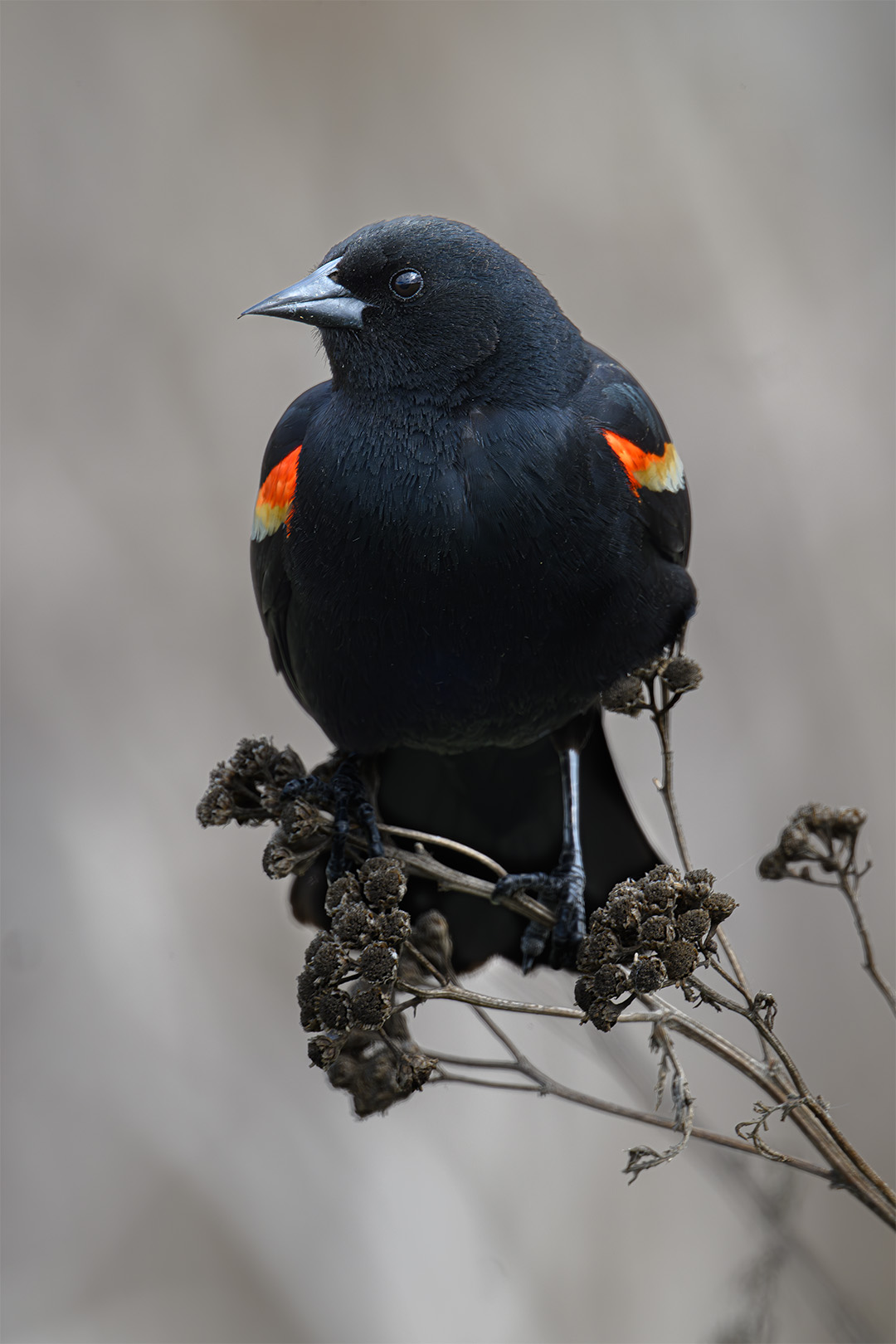
In the past couple of years, I have developed a deep appreciation for Red-winged Blackbirds. They are the most common blackbird in the US (according to Sibley), and any marshy area has dozens of them. And, until last year, I had not paid any attention to them. I had never photographed one, dismissing them as just uninteresting and too common. Then in May of 2024, I visited Lee Metcalf National Wildlife Refuge in the Bitterroot Valley of Montana with Moose. We spent several days driving the loop watching the Red-winged Blackbirds as they vied for position among the cattails and the common tansy in a frenzied search for a mate. They put on quite a display when they are trying to attract females and their melodic warble is music to the ears. But this image, the bird perched and calmly surveying the area, not in the midst of a displaying frenzy, is one of my favorites.

2025—More of the Ladies

As I mentioned yesterday, there seemed to be fewer females this year than last year in Madera Canyon. Of course, once I said that, in reviewing my images I’m finding more females. This is a female Broad-billed Hummingbird, taking a break from the feeder frenzy. She’s likely a young bird with lots of new feathers coming in on her throat.

2025—Lady Bird

There seemed to me to be fewer female hummers in Madera Canyon, AZ than in past years. I do know that this is a female and I think it is a female Black-chinned Hummingbird but I am not entirely certain. Merlin’s gave me four choices and this seemed the most reasonable. Although the females don’t sport the colorful gorgets that the males do, to me they are every bit as lovely.

2025—Back to the Usual Suspects

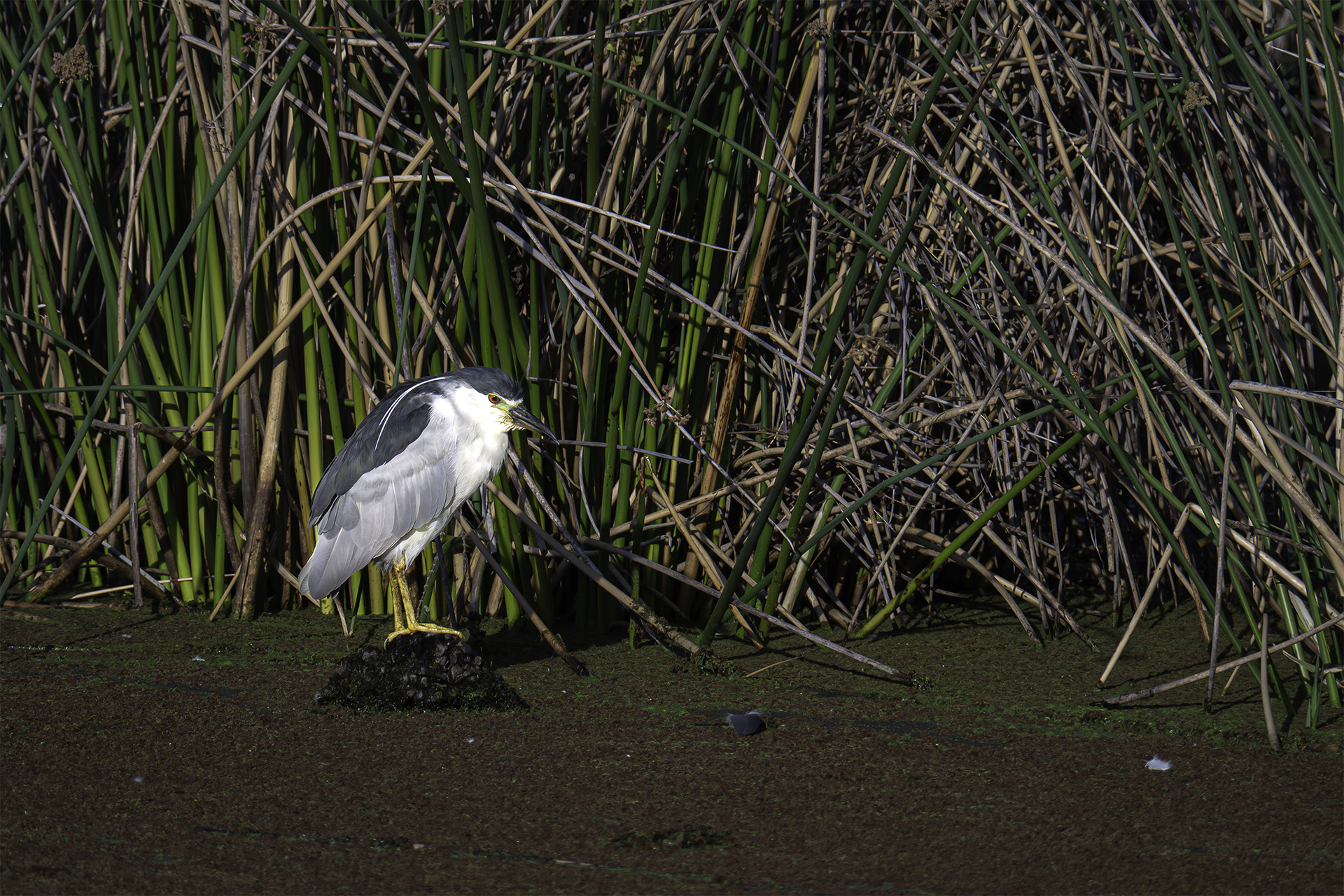
It was back to the usual suspects for photography yesterday at Ferrari Pond. This Black-crowned Night Heron still has the long white plumes on his head that appear during breeding season. I will also note that when the subject is this close to the background, the background can be extremely distracting so I wish the usual suspects would find a better place to perch when I want to photograph them. At least he perched atop a protruding rock so his feet are visible and he wasn’t knee deep in the invasive Azolla that is covering Ferrari Pond.