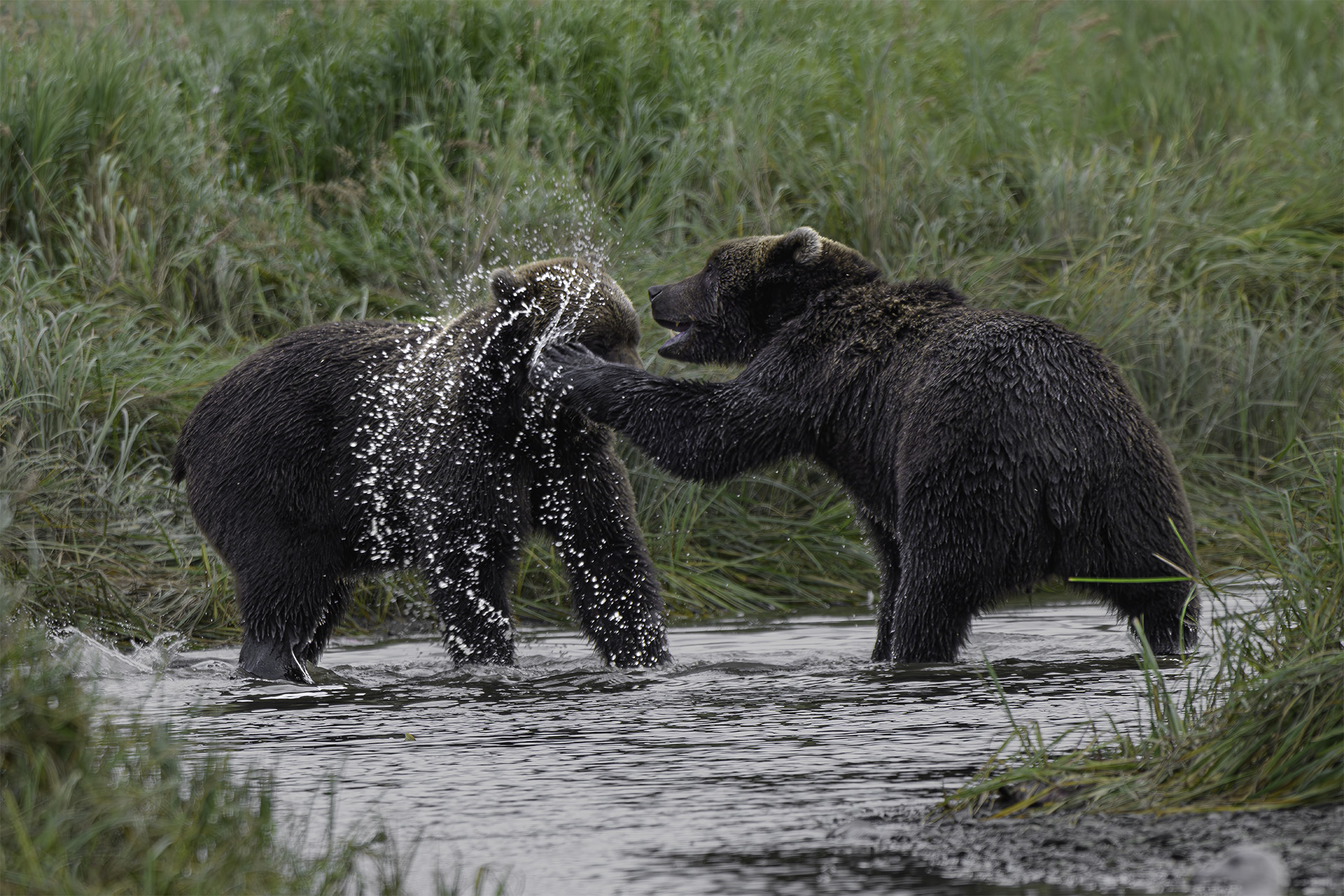
2025—Mom Likes You Best!

A pair of Kodiak Brown Bear siblings played along the Uganik River yesterday afternoon in an absolutely delightful display to watch. They would tussle and pretend to bite and pretend to slap each other, rolling over and disappearing in the tall grasses only to reappear a few yards down, heads popping up briefly above the grass. To put it in human sibling rivalry terms, one was saying to the other, “Mom likes you best.”
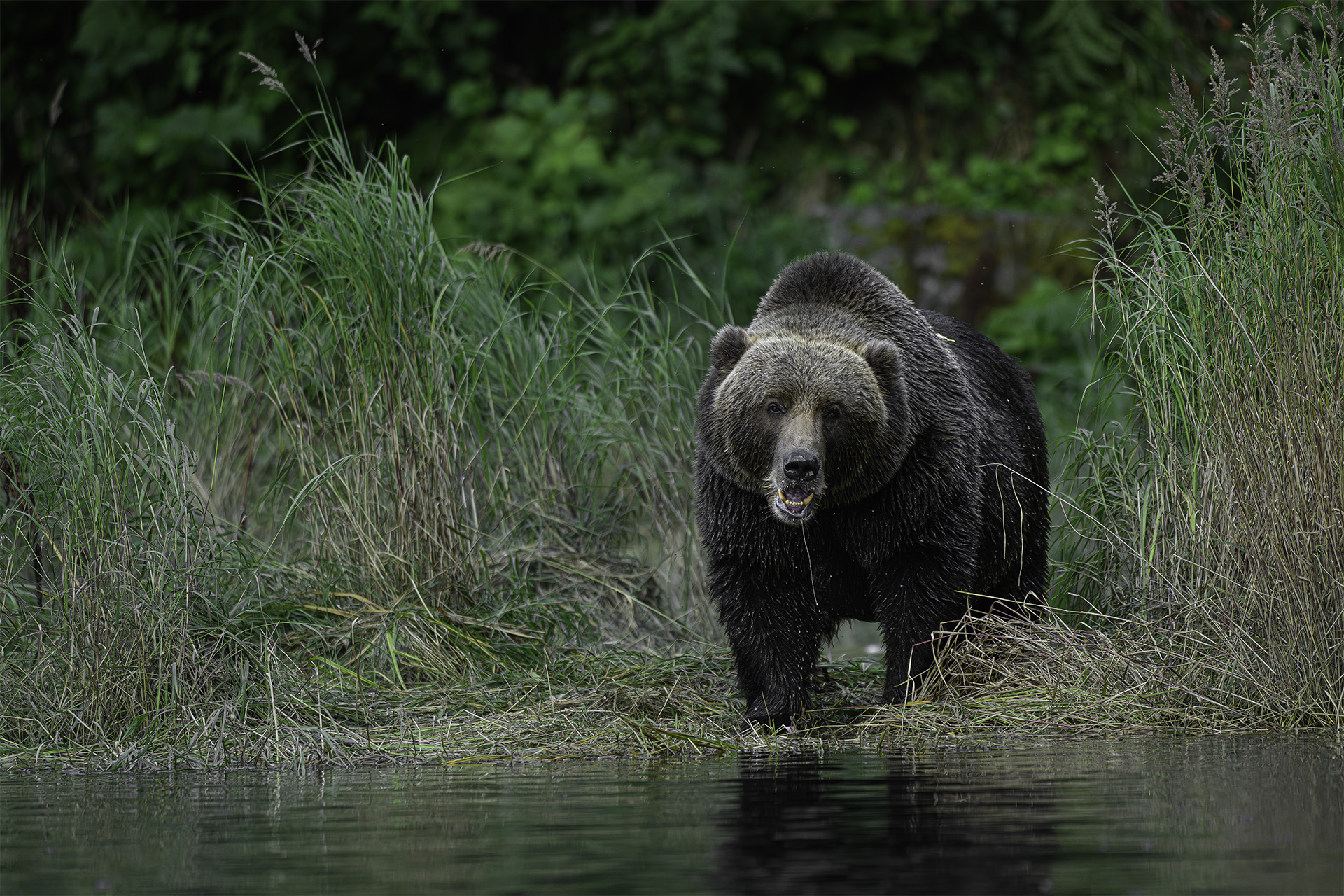
2025—Welcome Back!

Welcome back! That’s what I’d like to think this Kodiak Brown Bear was saying to us as we drifted by while she munched on Pink Salmon that were dying after spawning in the Uganik River. We took boat ride up the Uganik River after dinner last night and she was the first bear we encountered, up close and personal. I’m thrilled to be back!

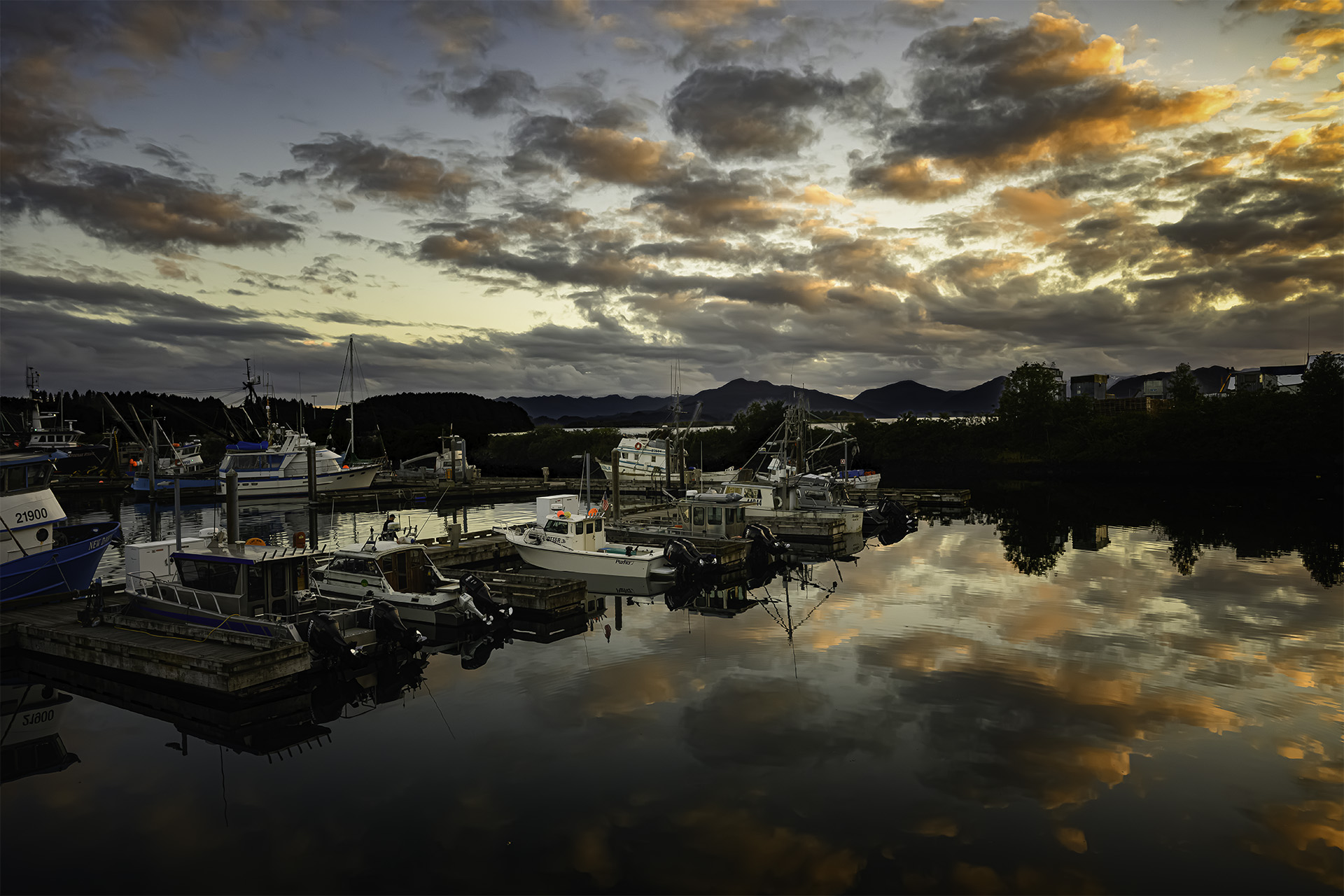
2025—Hello from Kodiak

Walking home from dinner in Kodiak last evening, the dock at St. Paul Harbor caught our attention. I didn’t have a camera with me so I went back to my room and got my Z8 and Z24-120 and walked back down to the harbor. By this time, there was a bit more color in the sky with gorgeous reflections of the clouds in the still water. Today, we’re flying to Rohrer Bear Camp in the Kodiak National Wildlife Refuge. Soon I will be featuring more than landscape here. Stay tuned.

2025—AR 4079

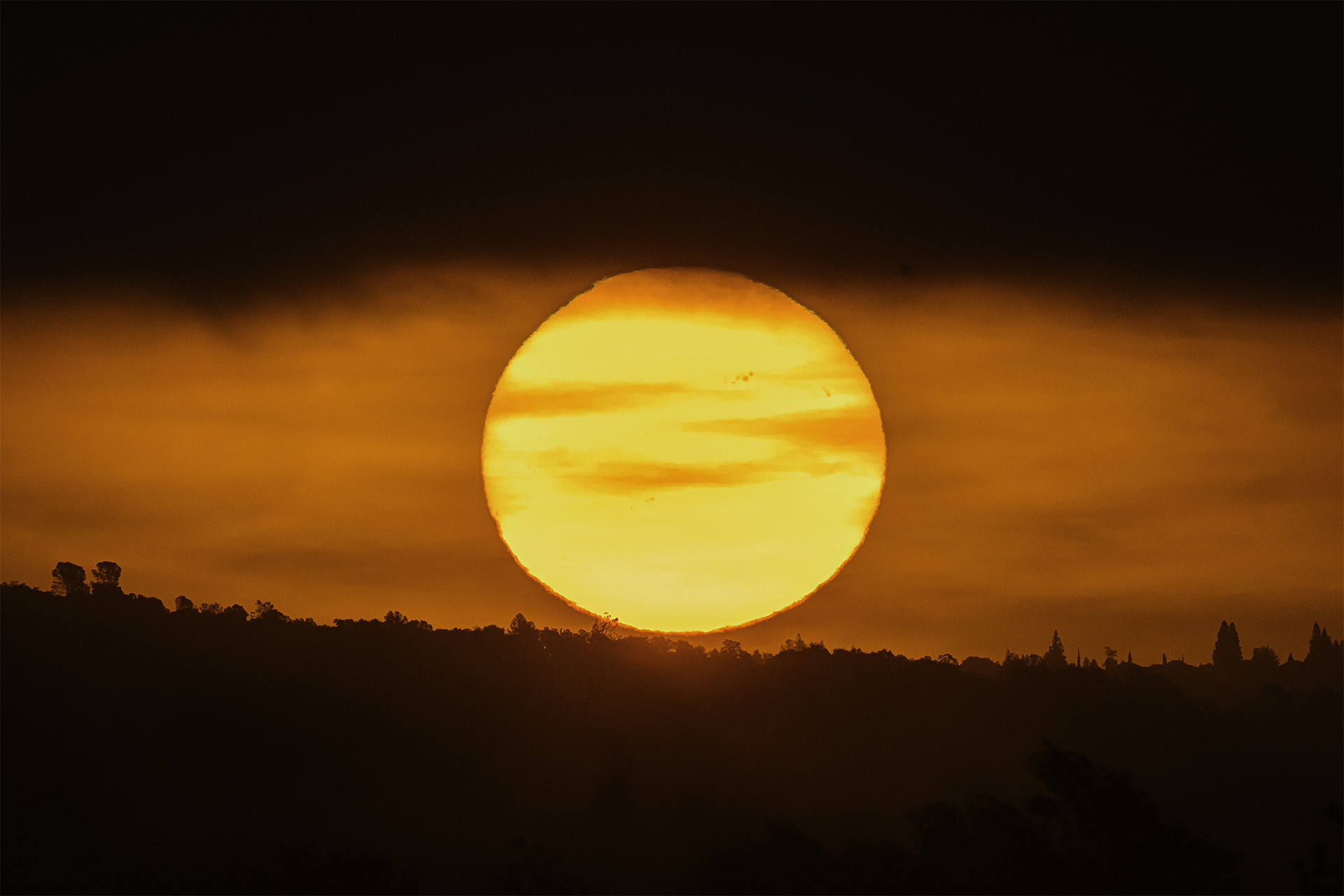
On April 24, 2025, at 6:26 AM, I was walking at Ferrari Pond near where I live with my Nikon Z9 and Z600f/6.3 lens with the 2X teleconverter attached. The pond is surrounded by grasses and I liked how the grasses looked as the sun rose behind them visible through a sliver of clear sky under dense clouds so I took some shots. With a mirrorless camera, you’re not looking directly at the sun through the viewfinder so you’re not damaging your retina as you shoot. After taking a few shots, I focused on the sun instead of the grasses but I thought the sun looked blown out so I went back to shooting the grasses. I didn’t like any of the shots I got so none ever saw the light of day but yesterday, I ran across the RAW files I’d taken and discovered that the sun was not blown out when I focused on it. There were some wispy clouds visible across the front and spots on the sun. Spots? Sun spots? Really? Sun spots are visible through a regular camera? The spots appear in the upper right quadrant of the sun. A quick Google search revealed that in late April, sun spot number AR 4079 became visible on the sun’s surface and I inadvertently captured it. The spots are huge. Planet Earth would fit into one of the spots. This is not a spectacular shot by any means but I was so astounded that I actually photographed sun spots that I had to share. According to an article I saw about it, the spots were visible using the special solar eclipse glasses that we all had during the last solar eclipse. Who knew sun spots could be photographed?

2025—God Beams over the 10th Hole

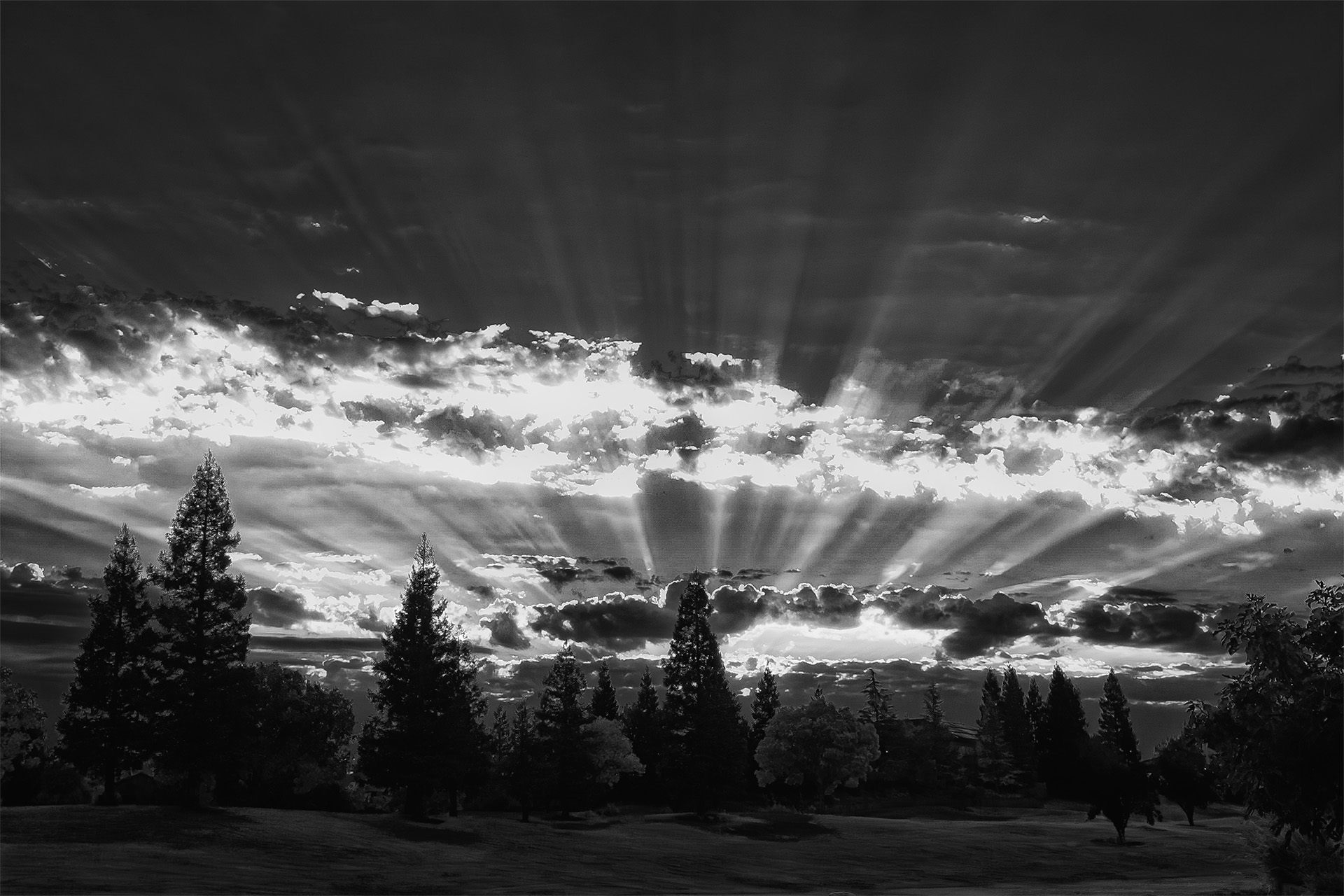
Every morning I walk past the Tenth Hole of the Lincoln Hills Golf Course on my way to the Ferrari Pond Trail at Ingram Slough. It is rare to have clouds this time of year but recent days have brought clouds, some rain and lightning strikes which have sparked quite a few wild fires in the surrounding area. Yesterday morning, I started too late to see the color in the sunrise but the clouds and the God beams were enough for me to stop on the sidewalk to appreciate the view. I decided a black and white rendering enhanced the clouds and the God beams.

2025—No Stones to Turn

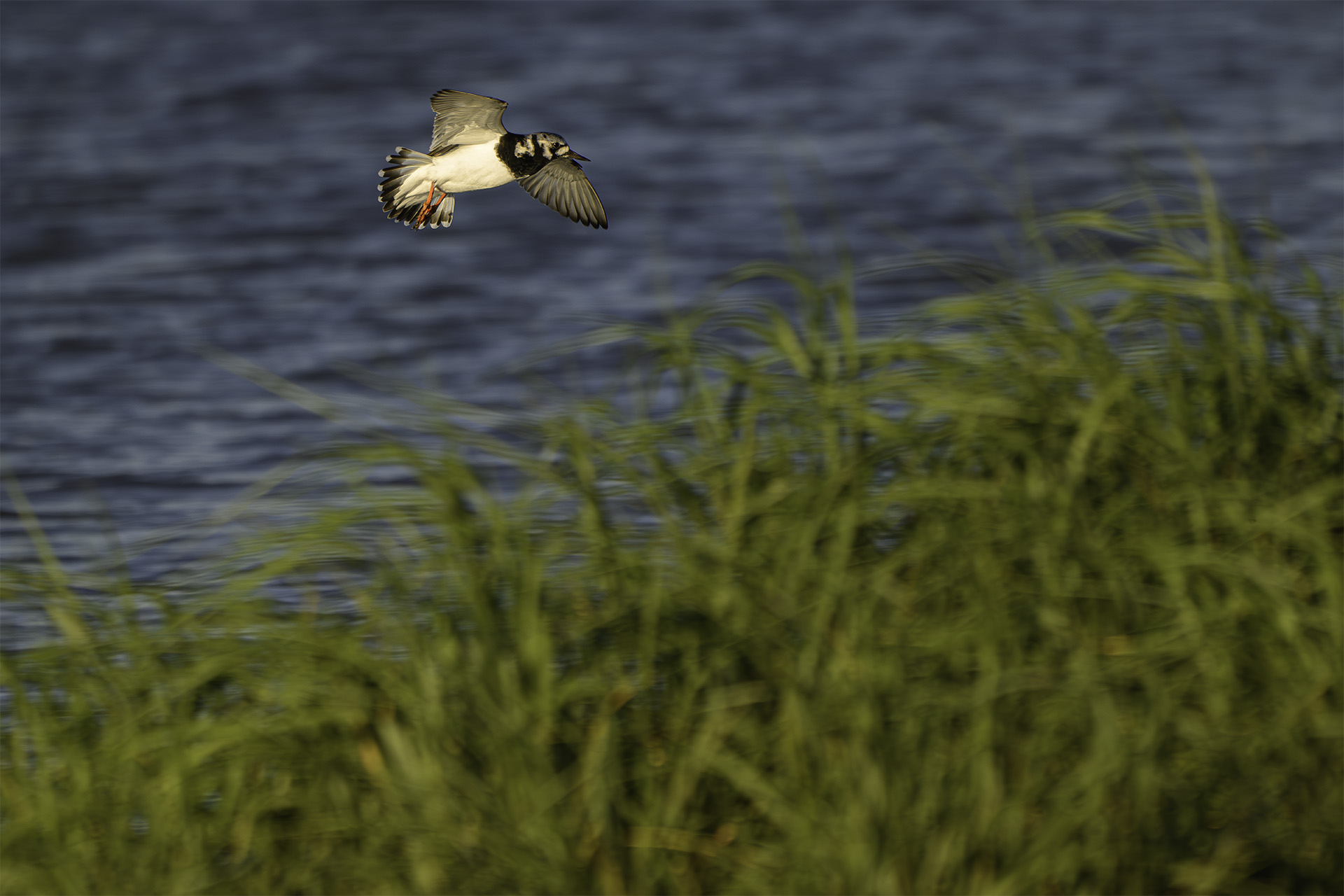
This past May, I spent several days at the Milford Neck Nature Preserve in Delaware, where the Mispillion River and Cedar Creek flow into Delaware Bay. This was spawning season for Horseshoe Crabs and the spawning crabs attract shorebirds, including Ruddy Turnstones like this one flying into the salt marsh grasses near where the crabs were spawning. The thousands of eggs each crab deposited were a great feast for all of the shorebirds and the Ruddy Turnstones didn’t have to turn any stones for this feast.

2025—Boo’s Nose

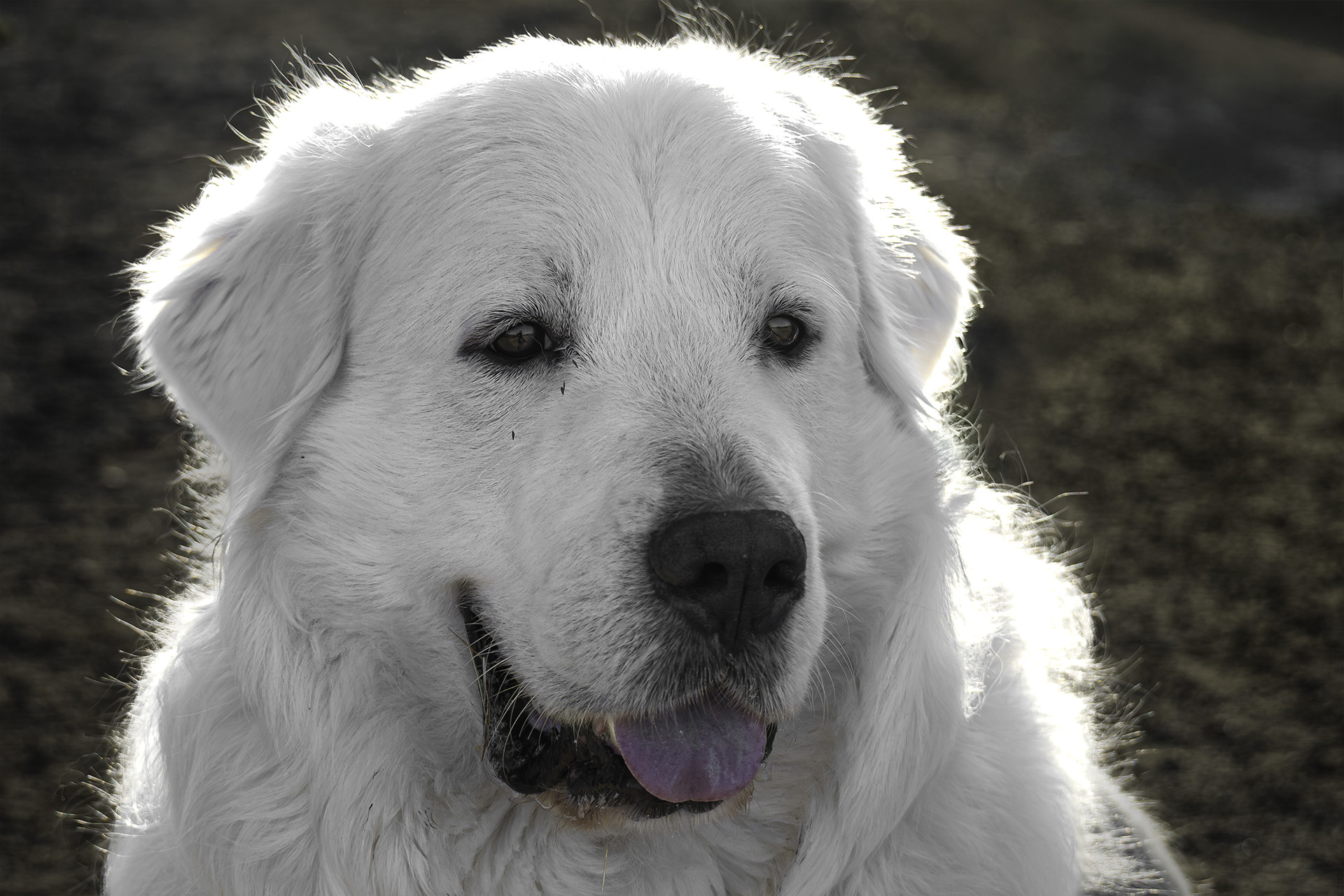
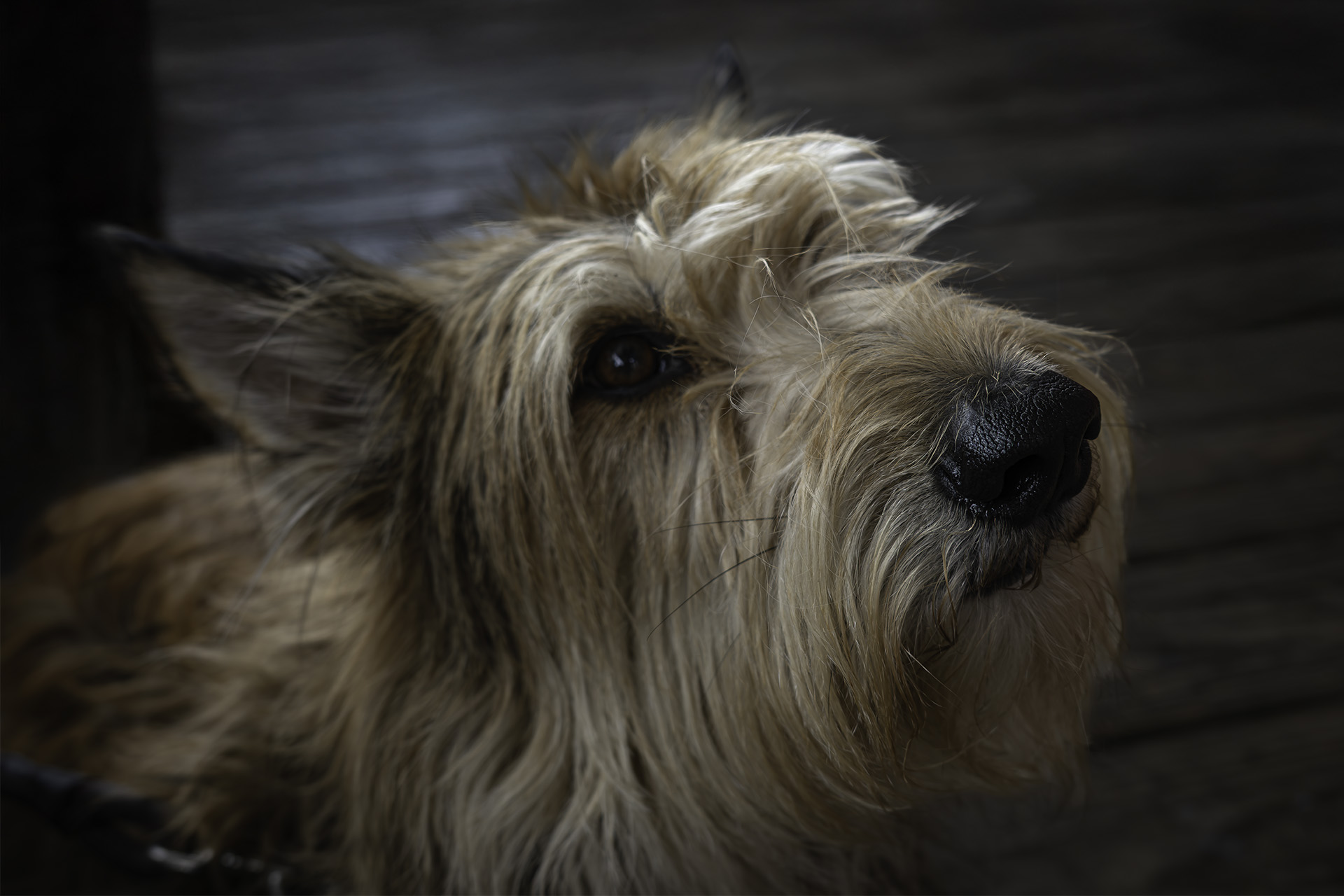
The other day, I met a Berger Picard (AKA Picardy Shepherd) for the first time. I’d never seen one of these rare French herding dogs until Boo (short for Taboo) visited the same small cafe in Foresthill where we were having lunch. When I decided to take her photograph, she was no longer still and her owner was enticing her to calm down by getting her fixated on a treat he was holding. He never really got her still and I never managed to get her eye in focus, even after I knelt down on one painful knee to try at eye level. But her nose, on the other hand, is tack sharp and so I decided Boo’s nose is the subject of this photograph. After all, as a herding dog, her nose is not just for sniffing. The breed standard is a large black nose and they are known to use their large noses to nudge and push livestock and to greet people. And greet us she did, using that large, black nose.

2025—Summer Storm

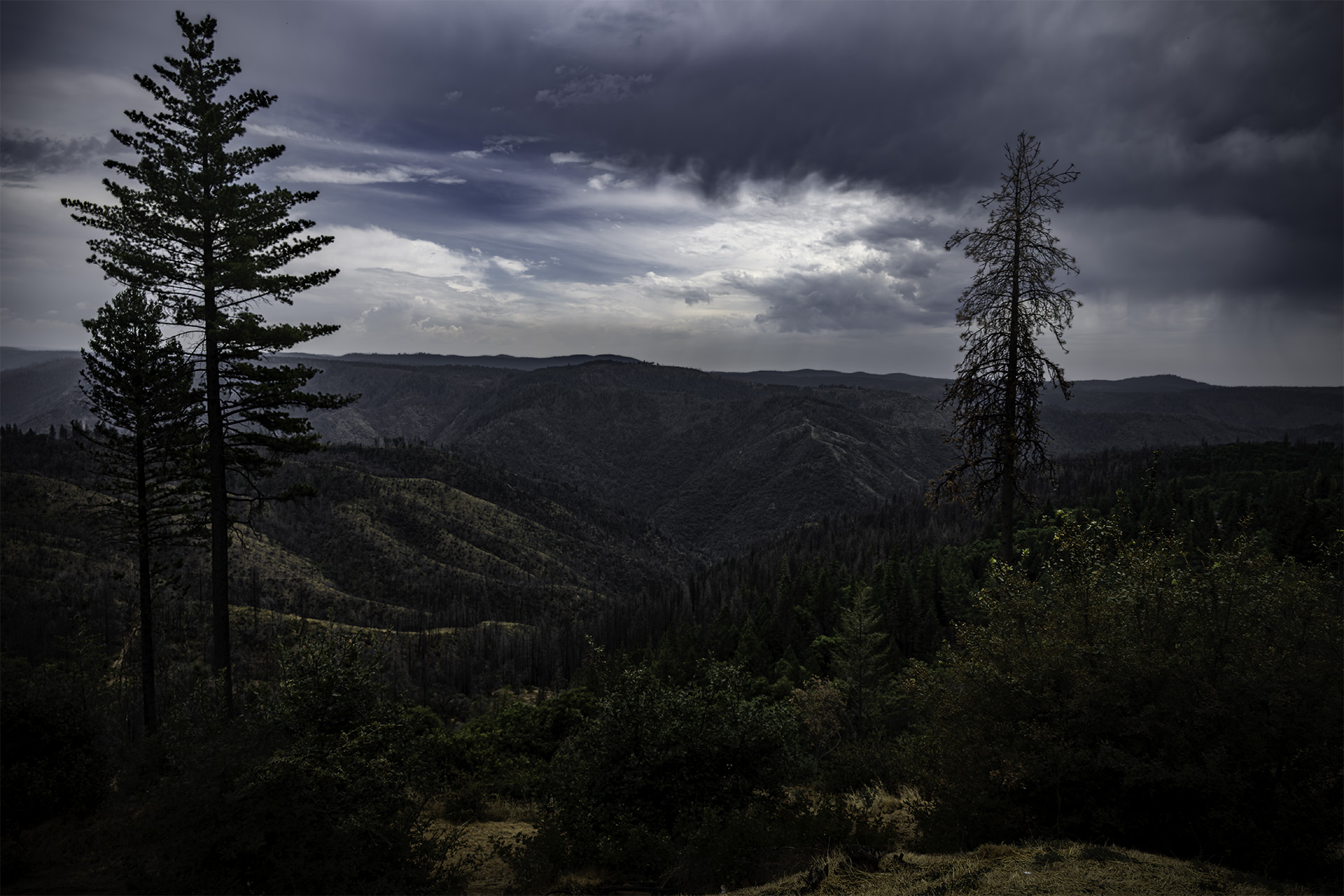
It’s rare to have summer storms here. Hot dry days and clear skies are the norm. I started to hear the thunder about 9:30 yesterday morning. By the time I headed into the Foothills with a friend, the rain was spitting a bit. We ended up in Foresthill, had a bite of lunch, then headed back but first we stopped at a lookout point facing the Middle Fork of the American River. The scars and burned vegetation that remain of the 2022 Mosquito Fire are still visible and the burned tree on the right was as close as the fire got before firefighters stopped it. As I write, just a few hours later, it’s starting to heat up again, all the clouds are gone, and the lightening strikes have moved on.

2025—Duck in Duckweed

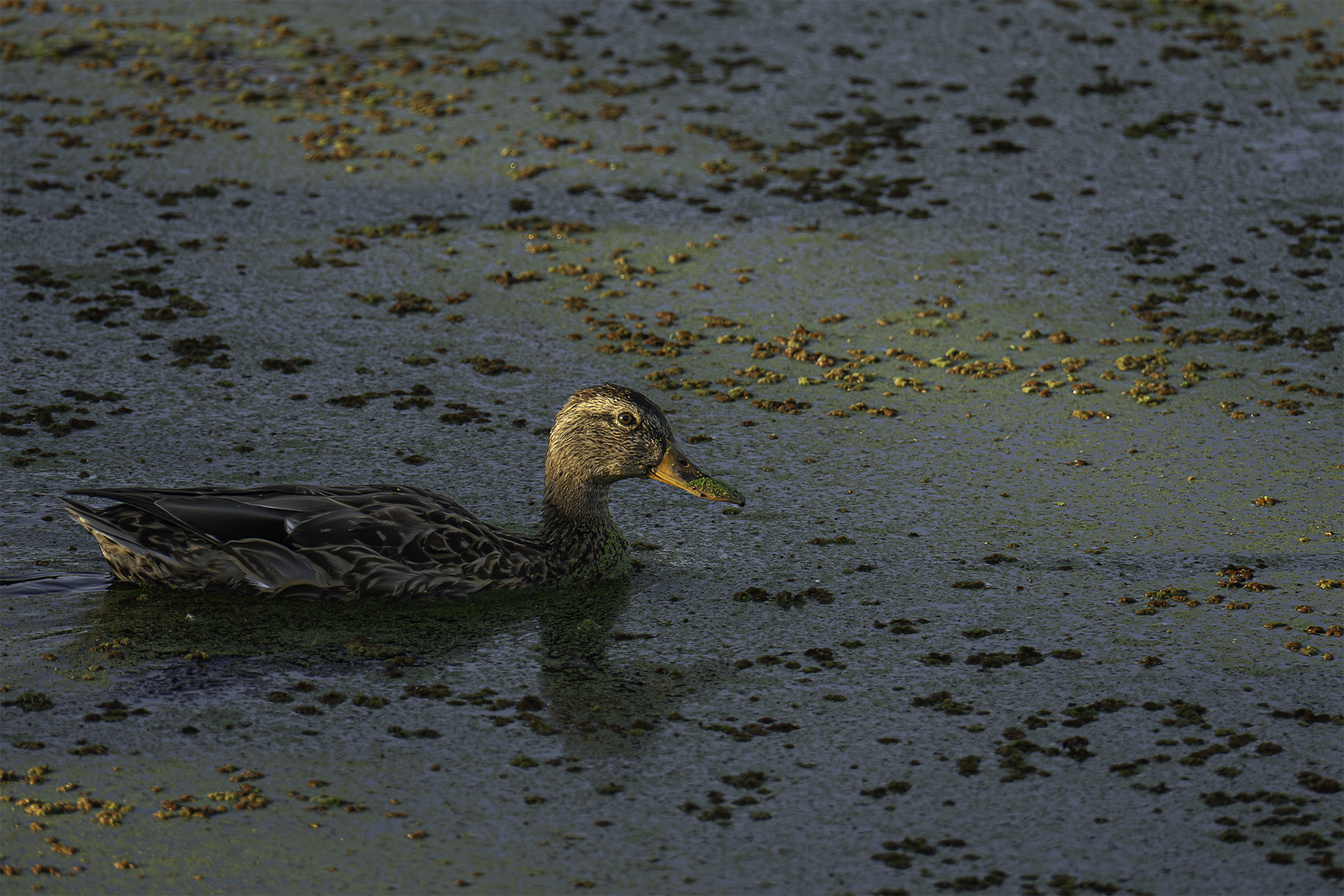
The Mallards stay year-round at Ferrari Pond, surrounded by the ever-expanding duckweed; ducks in duckweed, if you will. The water is barely visible as the duckweed blankets the top of the water and the ducks’ feathers and bills. It was just after sunrise when I arrived at Ferrari Pond yesterday morning. After the intense heat of the day before (104° at 5 PM) there wasn’t much activity at the pond. The ubiquitous Great Egrets, Great Blue Herons, and Green Herons had made themselves scarce. The mallards were the only photo ops for me yesterday.

2025—On Time for Sunrise

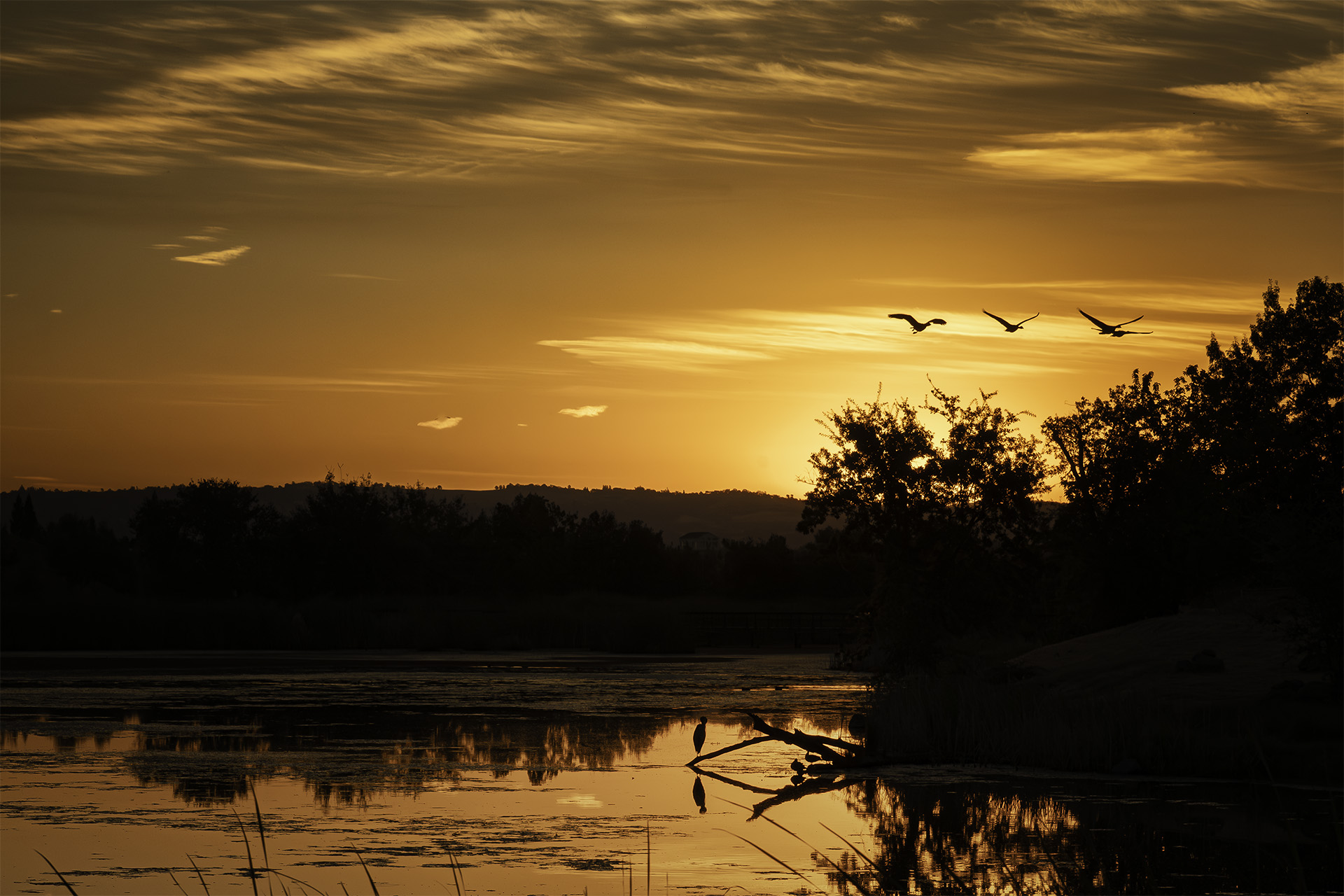
Yesterday morning’s sunrise at Ferrari Pond was just a bit different from what I saw the day before. I arrived just as the sun poked up instead of ten minutes later. Not only were there a few wispy clouds to punctuate the sky, a Great Egret preened on a log over the water next to a couple of mallards and four Canada Geese squawked over head to announce the beginning of the day.

2025—Summer Sunrise at Ferrari Pond

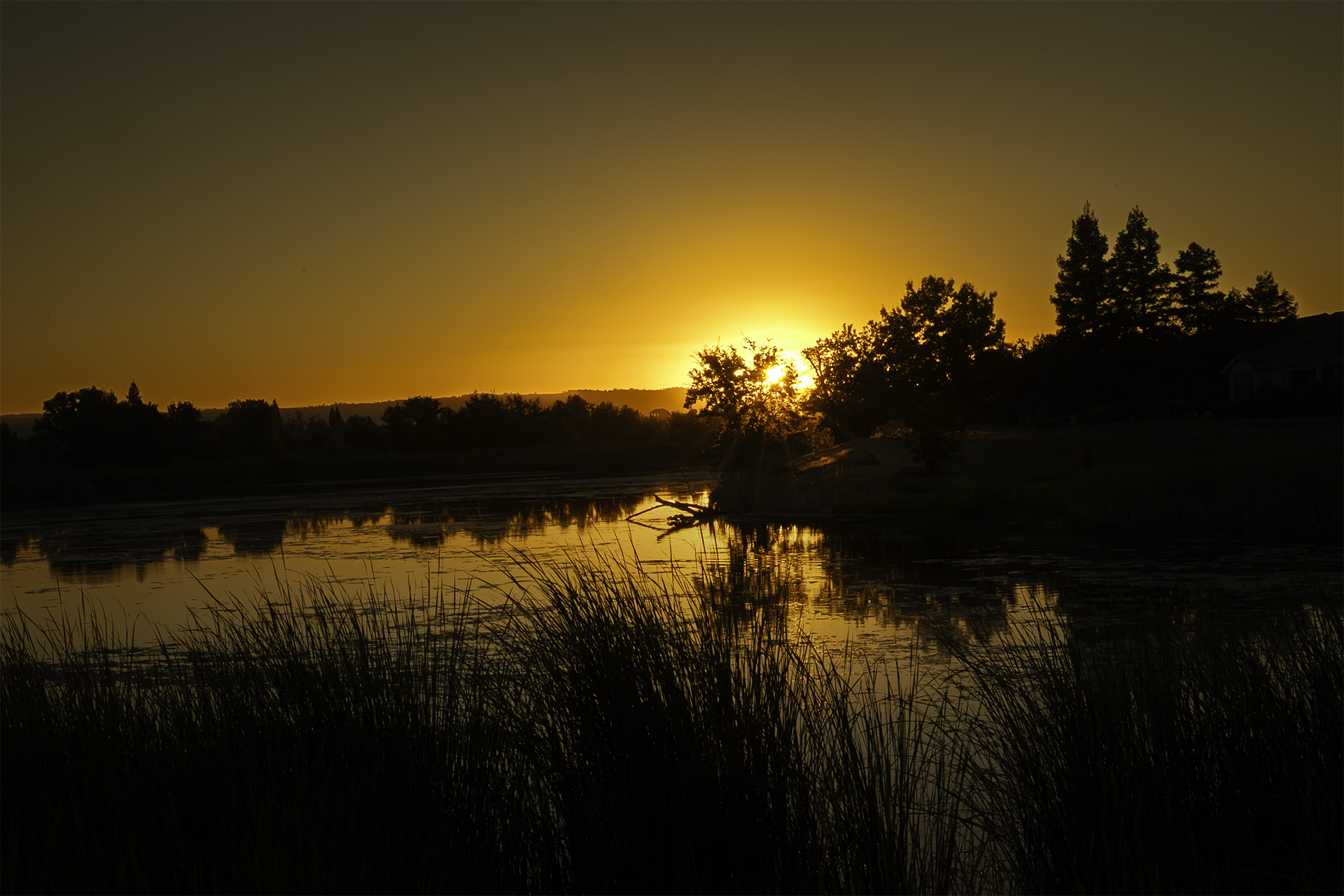
Yesterday morning, I finally managed to get out for my walk before sunrise. I didn’t make it to Ferrari Pond until a few minutes after the sun rose above the distant hills but this view greeted me when I did arrive. The good news for me is that I managed to walk the mile and a half from my house to the pond in 26 minutes so my walking speed (a mile in just over 17 minutes) has improved significantly.

2025—That Magnificent Rivoli’s

The Rivoli’s Hummingbird is indeed magnificent. In 1983, ornithologists changed the name of the Rivoli’s Hummingbird to Magnificent Hummingbird and for 34 years, it remained Magnificent. In 2017 though, ornithologists split the Magnificent into two species, and for those birds that live between Nicaragua and the U.S., the original name was restored. I still think of this bird as magnificent, and even more so when one looks straight at me, like this bird this past June in Madera Canyon, AZ.

2025—Another Sparkling Jewel

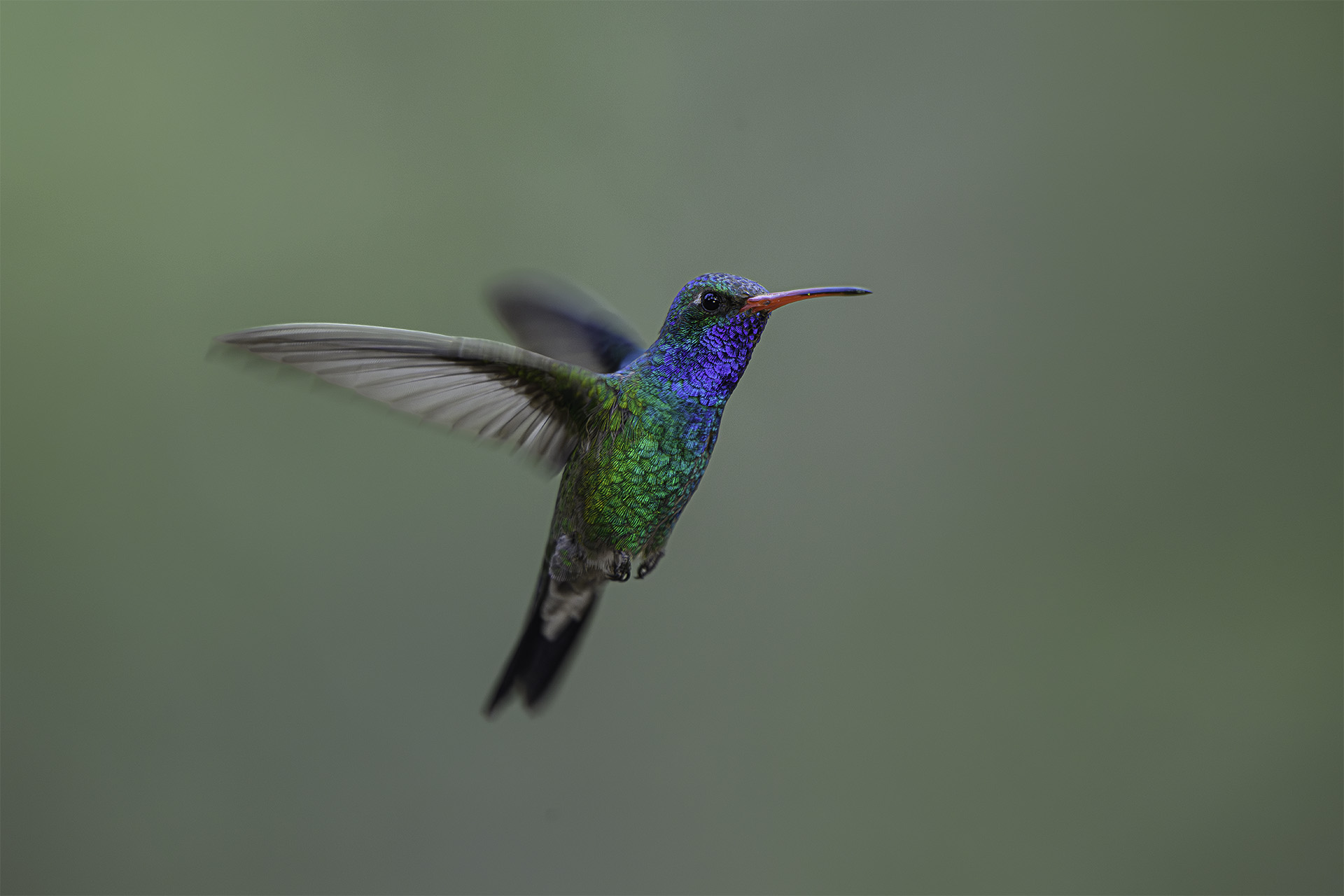
The sapphire and emerald colored feathers of the Broad-billed Hummingbird are spectacular. While the Broad-bills always dominate the feeders, things were a little different at Madera Canyon this past June. There seemed to be fewer mature males but there were quite a few juveniles with emerging feathers in various stages of growth. This is one of the few fully feathered males showing off his sparkling jewel-like feathers.

2025—Ready to Dip

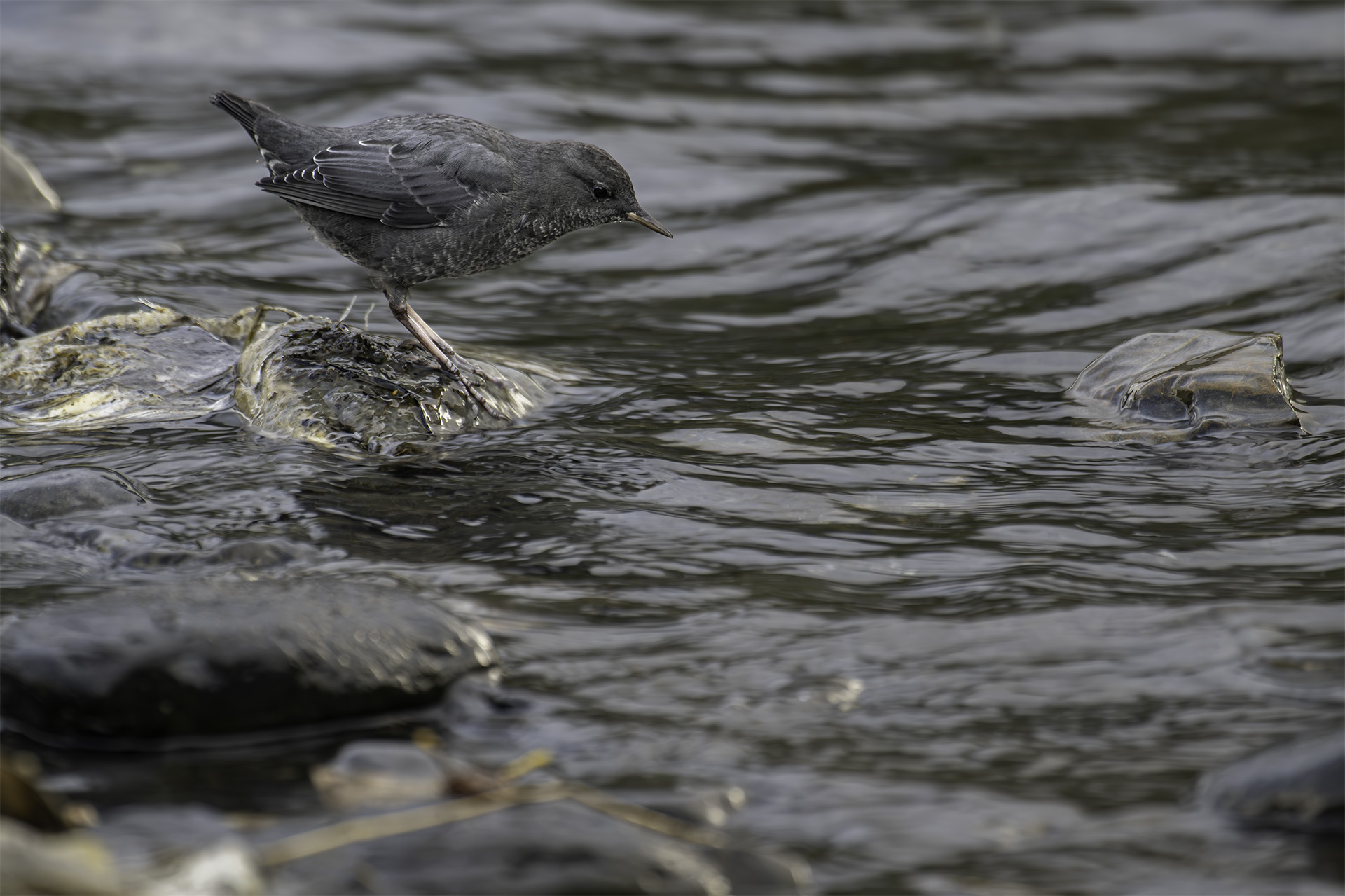
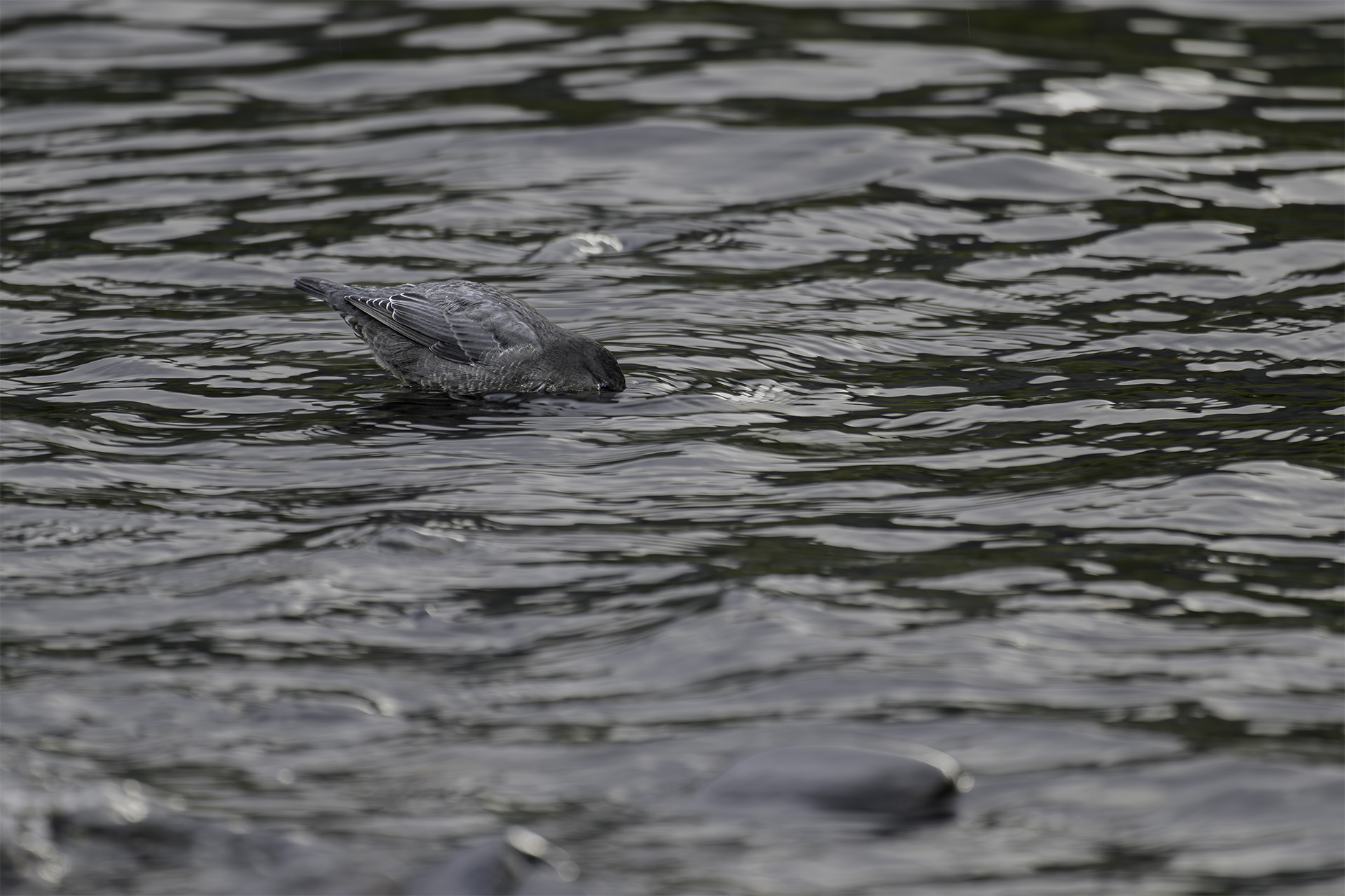
An American Dippers gets ready to dip and then dips eyes wide open! Until I got to Kodiak, Alaska in the fall, I’d never photographed an American Dipper. I’d seen plenty, especially on the banks of various rivers in Yellowstone National Park but those were only brief glimpses as we drove by. Late one afternoon a couple of years ago, as I sat on the bow of a flat bottomed boat and watched Moose, Eric, and our guides Chris and Hiram, fishing for our salmon dinner, I noticed movement in the shallow edges of the river. It was an American Dipper, unfazed by my sitting just a few feet away, my hip-booted feet dangling in the water. These small birds eat lots of aquatic bugs and their larvae, dipping down into the water to snatch their feast, not unlike the Kodiak Brown Bears we were watching doing the same thing, only their prey was a tad bigger than the bugs and eggs that the Dippers were after.

2025—Eye on the Prize

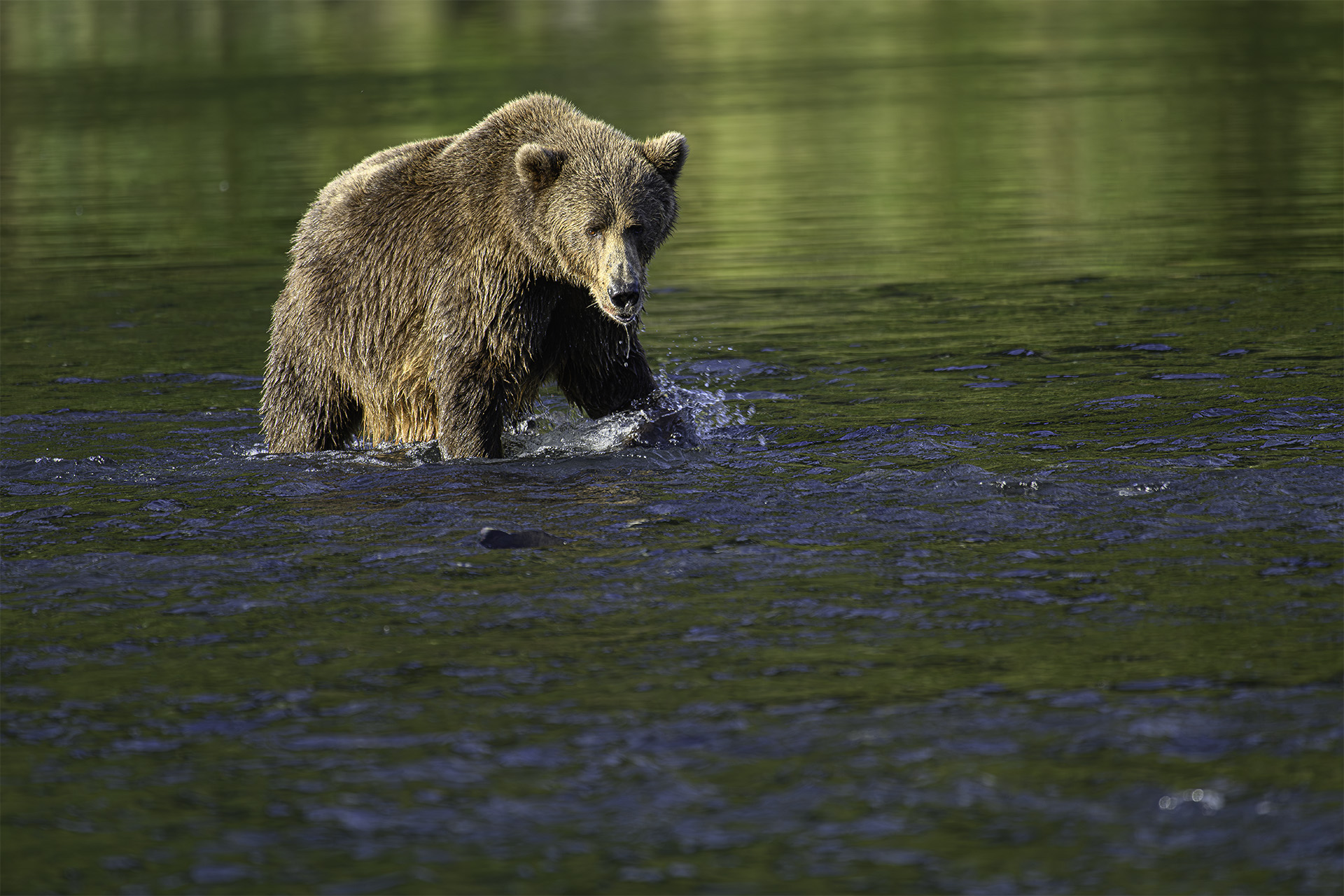
When Mama Bear waded into the Unganik River that runs through Kodiak Island, she was surrounded by salmon heading upriver to spawn. She spied the prize, the dark spot in front of her right leg, and kept her eye on it, drooling a bit, perhaps in anticipation of her next meal. When she turned to pounce, the salmon escaped her grasp. No prize this time but the blood on her snout indicates she had recently been more successful.