2023—One Up, One Down

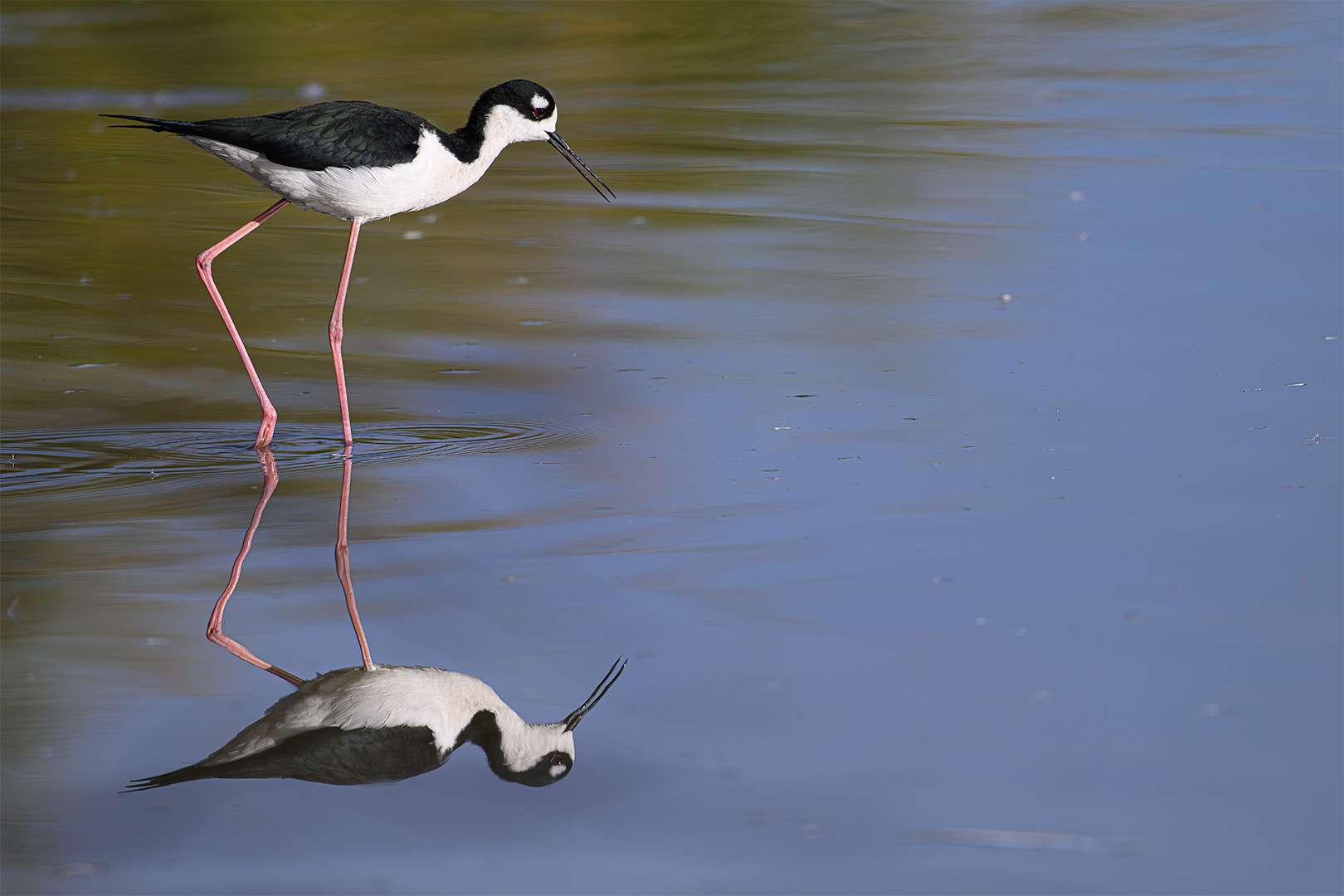
Sometimes the water is so smooth that there is little distortion to the reflection of a wading bird. In this case, the reflection mirrors the bird almost perfectly. With so many birds coming and going on the ponds and with the occasional stiff breeze, most of the reflections I captured created zigzag images or unrecognizable blobs. When I saw this stilt slowly stalking something under the surface with a good reflection, it caught my attention so I pressed the shutter release before it got too close to other birds that would disrupt the clear reflection.
2023—After Preening

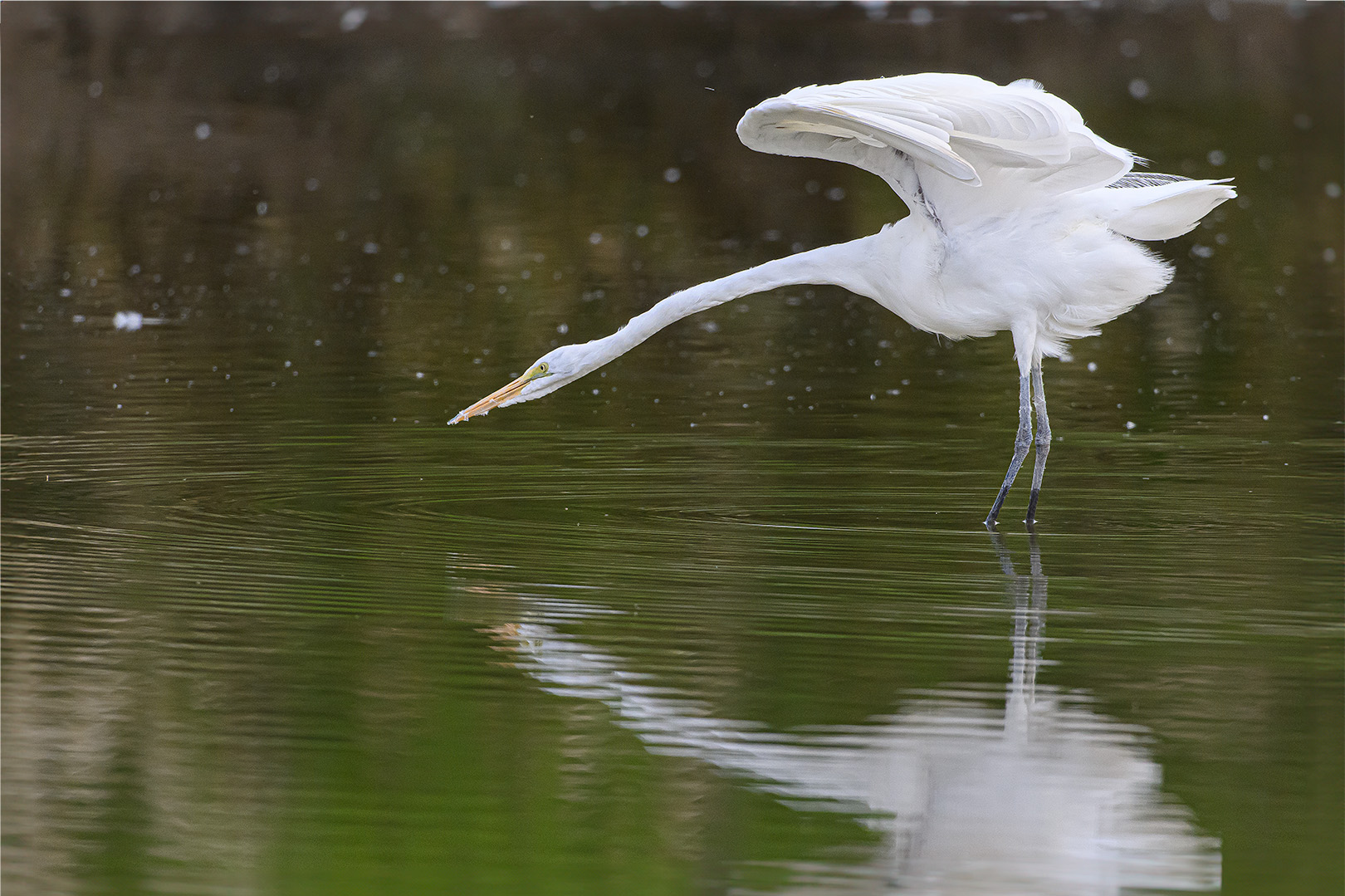
Preening is the ritual that all birds engage in to make sure their feathers are at their best. Great Egrets are no exception. They smooth their feathers with their beaks to help the barbs on the feathers interlock. An oil gland helps them maintain and waterproof their feathers. I watched a small group of Great Egrets as they preened in unison standing in a shallow pond. This Great Egret moved away from the group as it finished its preening with a stretch. Its beak is covered with downy feathers and the water behind it is covered with more downy feathers, all shed during preening. The neck stretch and wing stretch combine for an elegant look on this Great Egret.

2023—Up Close and Personal!

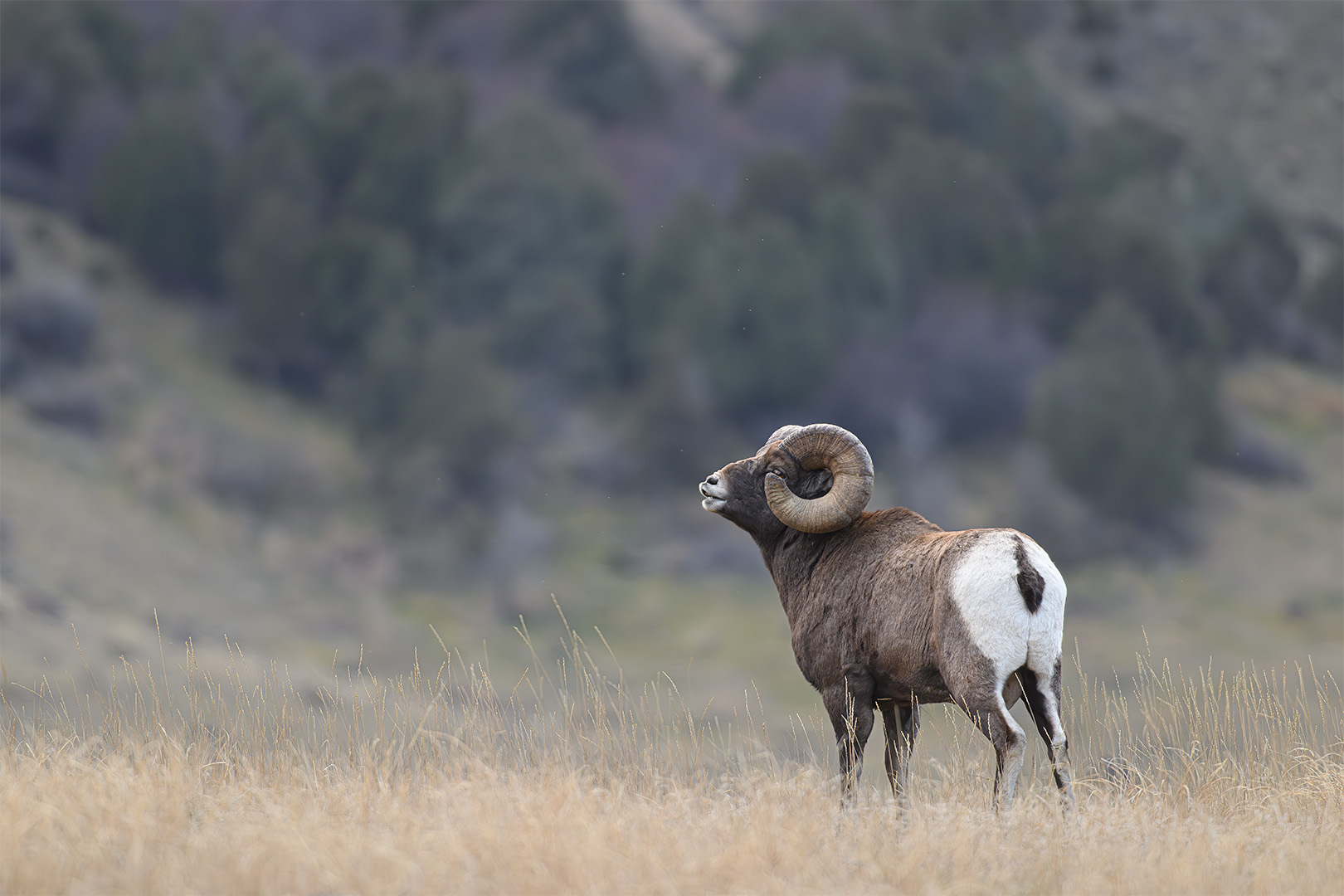
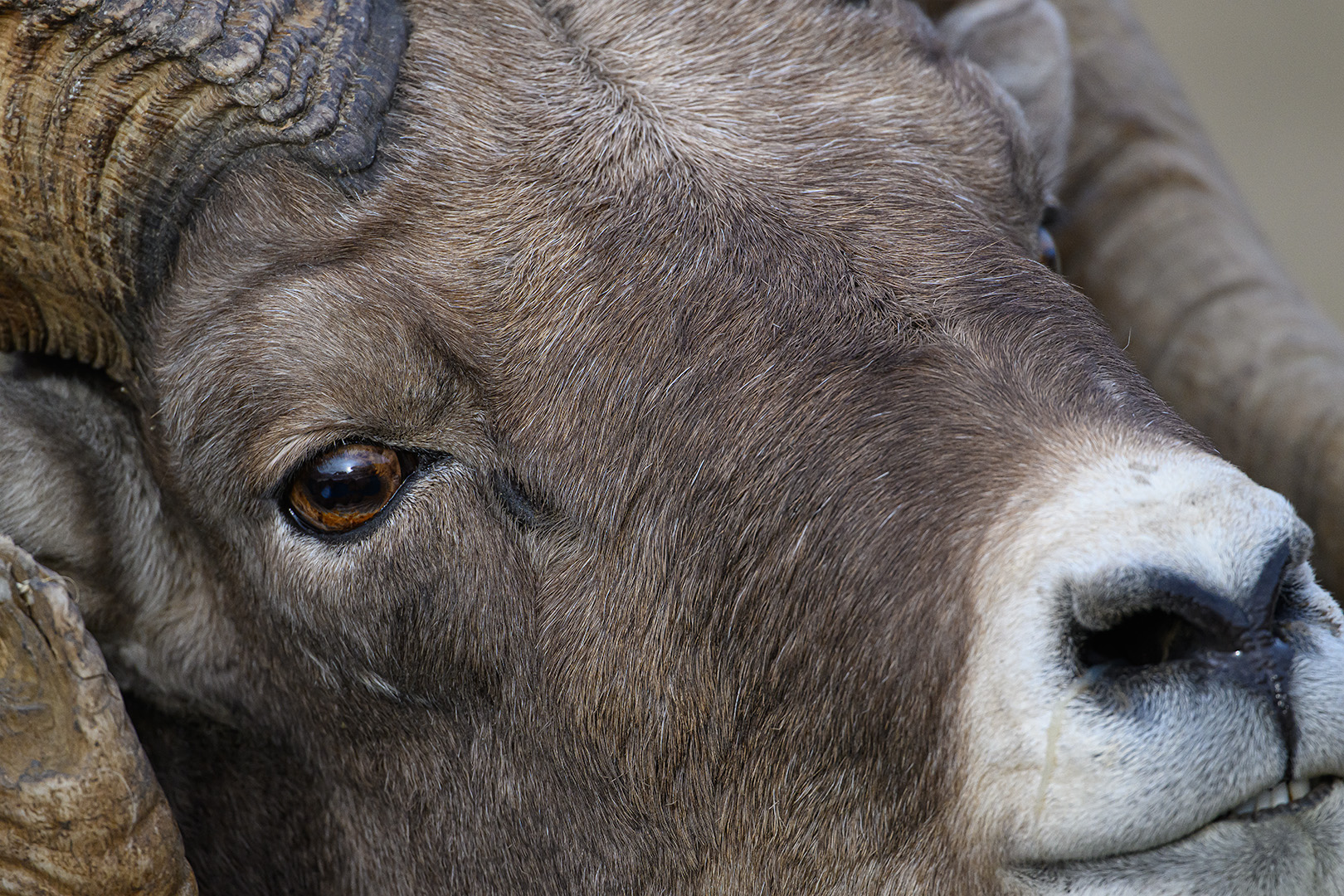
As I have said many times, Bighorn Sheep are among my favorite mammals to photograph. The Rocky Mountain Bighorns that we encountered in Yellowstone a few weeks ago were delightful to watch, especially the rams as they tried to interest the ewes and, when rebuffed, they went back to grazing as if that’s all they intended in the first place. They ventured fairly close to us as they munched on the grasses and when I attached the 1.4X teleconverter to my new Z600mmPF lens, I got really up close and personal photographs. I especially love that he’s looking right into my lens.

2023—Gila Woodpecker

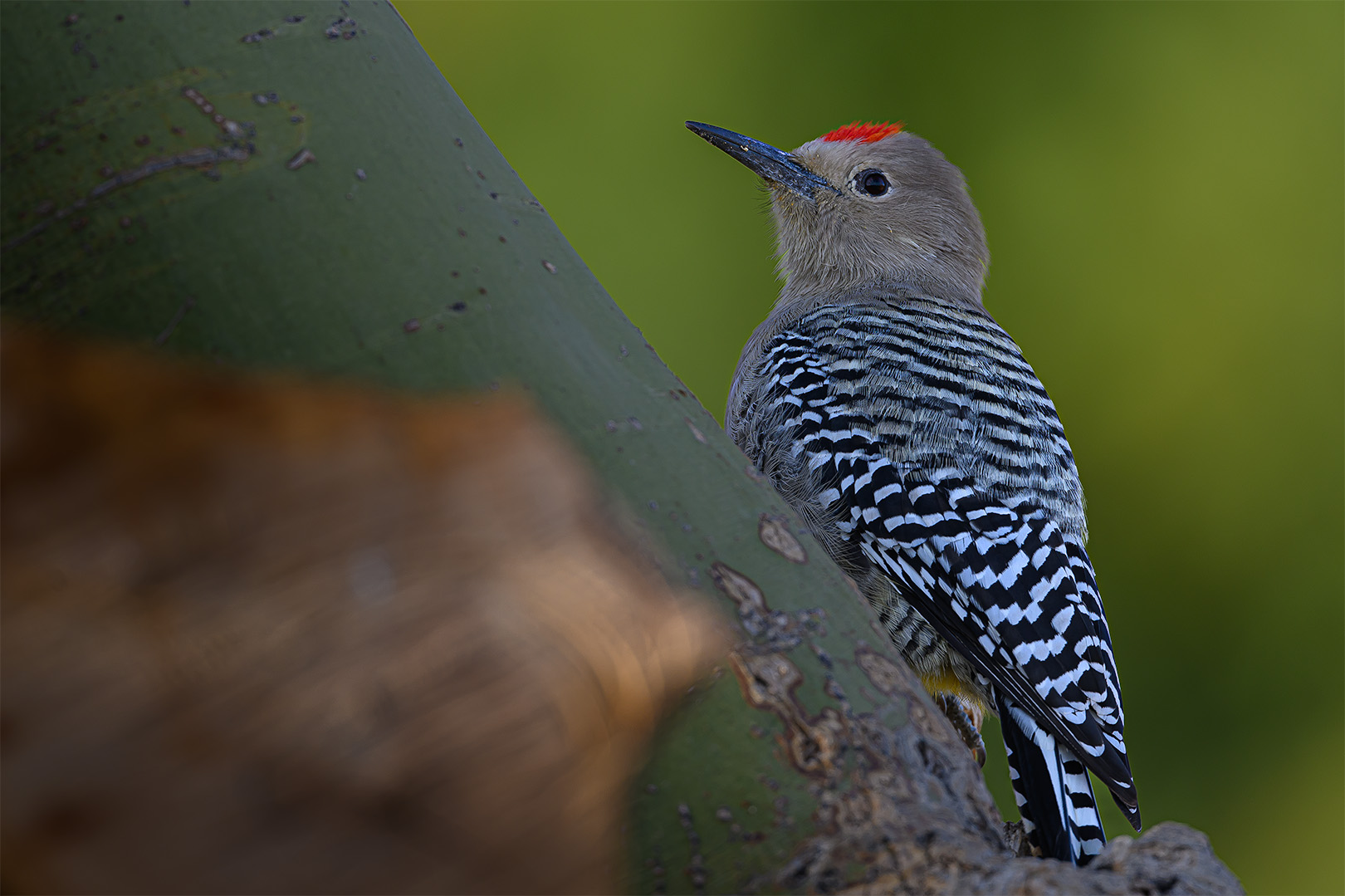
The Sonoran Desert is home to birds that thrive in the dry, mostly treeless, conditions there. The Gila Woodpecker is one of those birds. While they are often seen nesting in Arizona’s iconic Saguaro Cactus, they also spend time in the Palo Verde trees also native to the Sonoran Desert. The Palo Verde (Spanish for green stick) are aptly named as the trees are deciduous and trunks are green so much of the year, they do look like green sticks. We spotted this Gila Woodpecker in a leafless Palo Verde as it moved around the trunk searching for bugs.

2023—On Golden Pond, Again

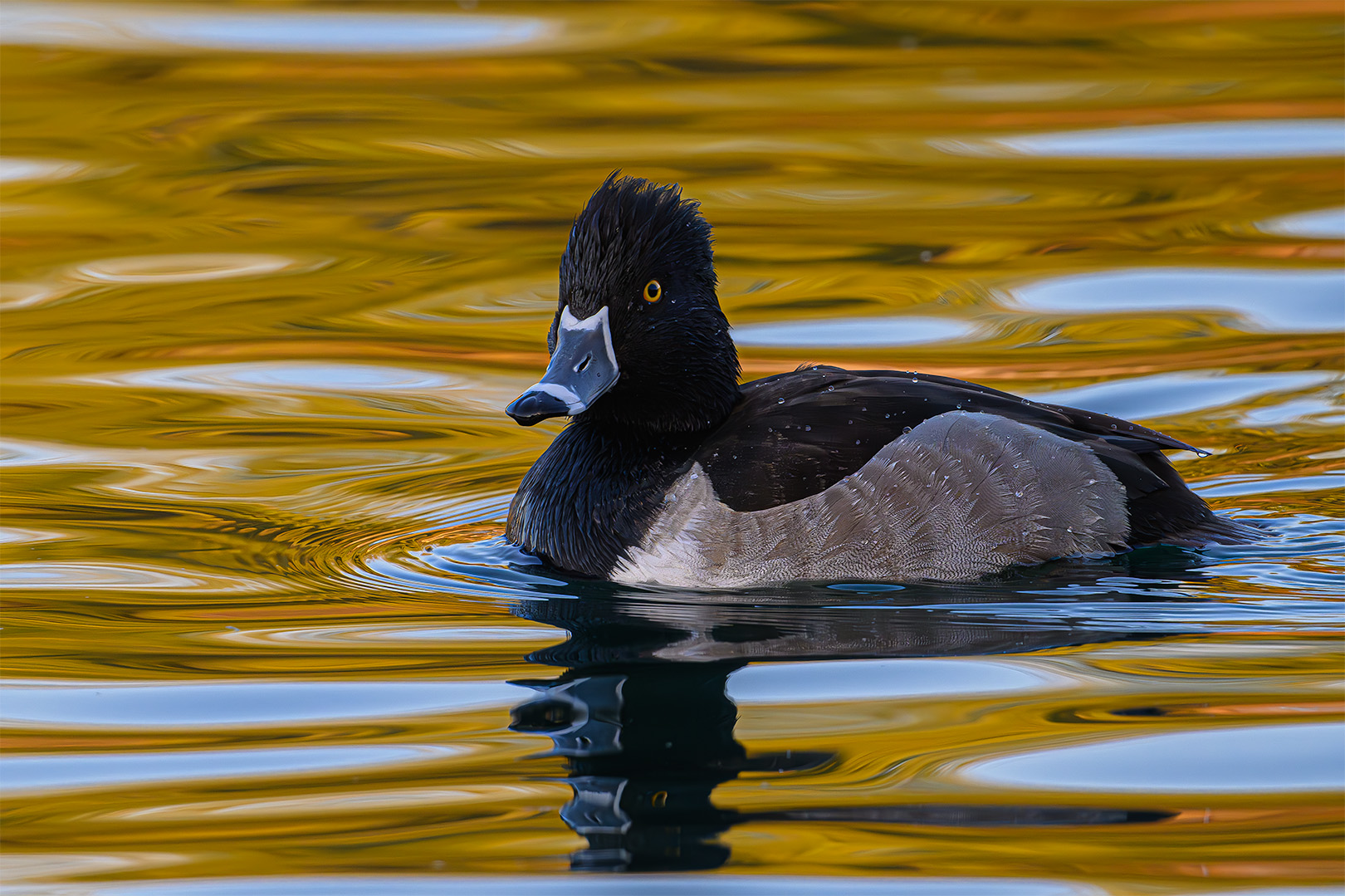
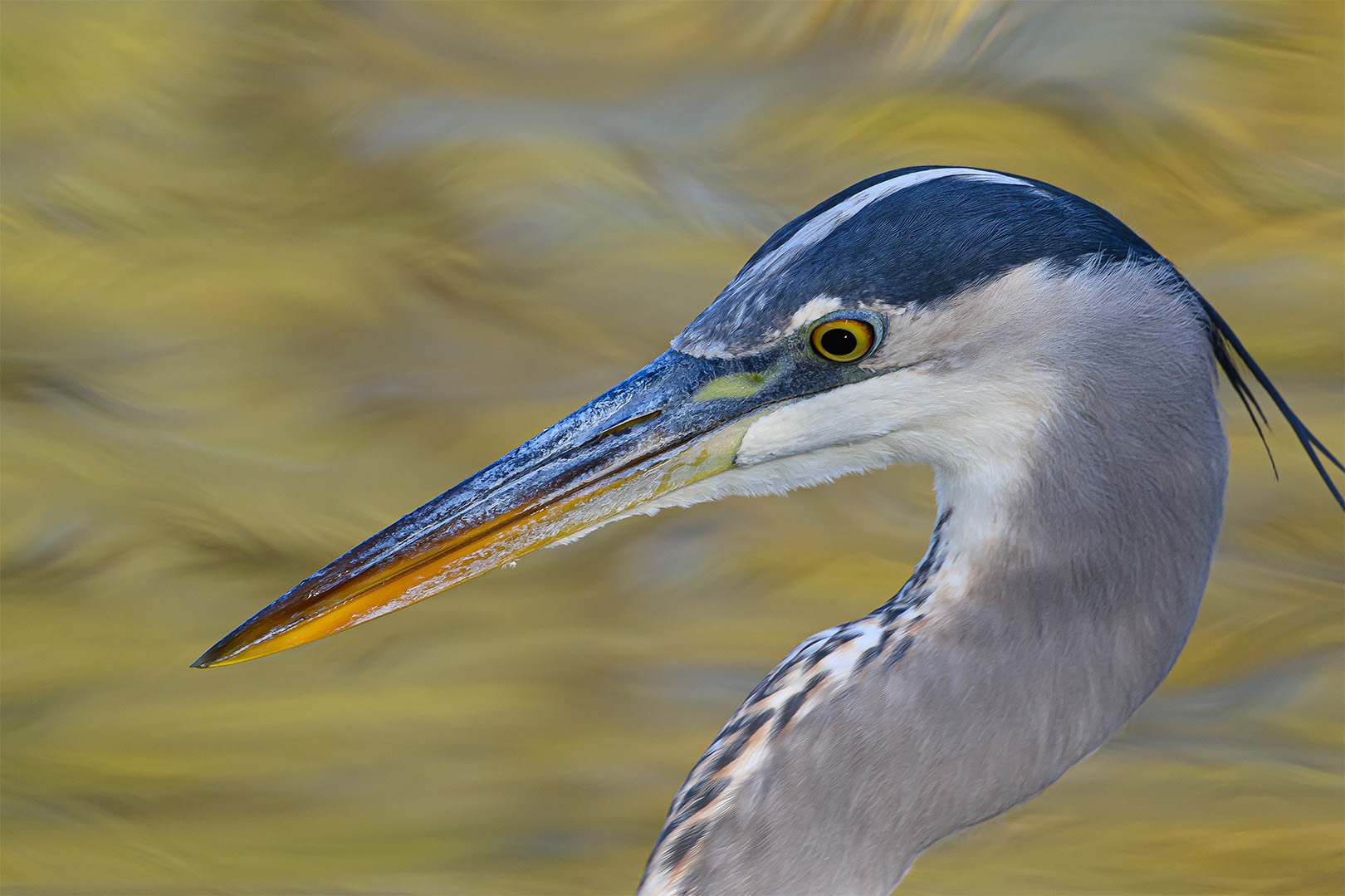
The Ring-necked Ducks in the ponds near Phoenix were so much fun to watch. When they saw people on the floating boardwalk, they immediately swam close. We did not feed but others do and the park allows feeding in some areas so whenever we went to that area, they swam close. It was still early morning and the sun reflected off the trees turning the water gold and the blue of the sky reflected making spots of blue in the water, complementing the golden hues.

2023—Soon to Be Marinara

Since I moved into my new home in October, almost two months ago, I have spent almost no time here because I have been traveling. Cooking here has been mostly microwaved meals so now that I am home until the first week in January, I am looking forward to cooking in my lovely new kitchen. Yesterday I decided to make marinara, a delicious recipe from Lidia Bastianich. This recipe is so simple and has just a few ingredients: canned San Marzano tomatoes, garlic, olive oil, crushed red chili pepper and basil. I’ve been making this recipe for years and started adding mushrooms and a rind from Parmigiano-Reggiano but it takes just 15 to 20 minutes to produce a delicious marinara that is better than anything found in a jar. I serve it over spaghetti squash that I’ve baked and shredded. It took me longer to set up the shot (food styling is not easy) than it will to cook the sauce. The tomatoes (crushed by hand) are the red color in the background, with basil, mushrooms, and a clove of garlic (it calls for 7 cloves) in the foreground.

2023—One of the Tiniest Birds

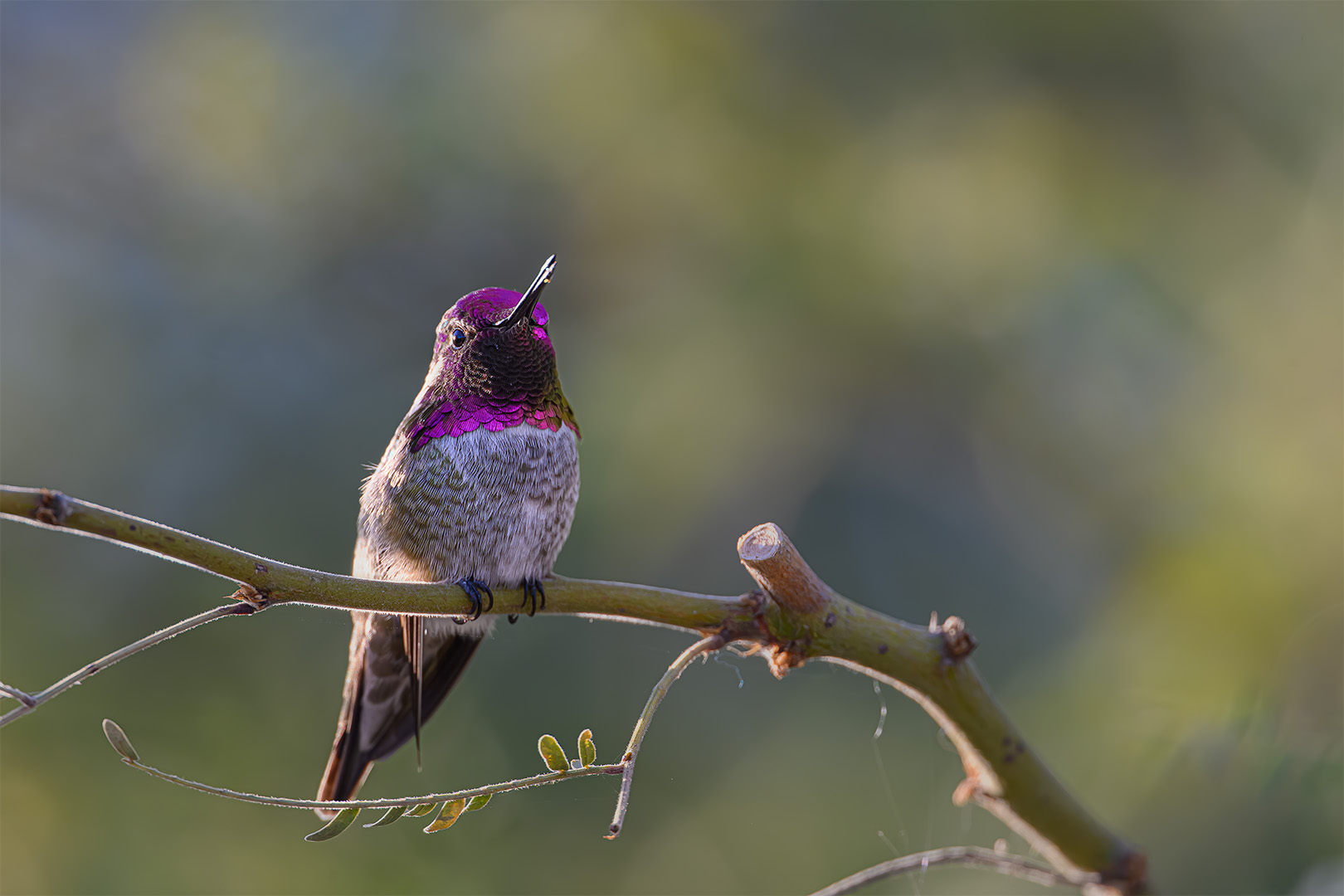
The tiny Costa’s Hummingbird is one of the smallest birds in North America. It measures just a hair over 3 inches and weighs a mere 3 grams. Last week near Phoenix, this little guy posed in the mid morning winter sunlight in a shrub called Velvet Mesquite. It seemed to be feeding on the tiny bugs on the leaves and caught in webs. According to the Cornell Lab of Ornithology, the Costa’s is a year-round resident of the area and its favorite flowers include the California Fuchsia and the Chuparosa, both native plants with tubular flowers that hummers prefer.

2023—Hey, I’m Eatin’ Here

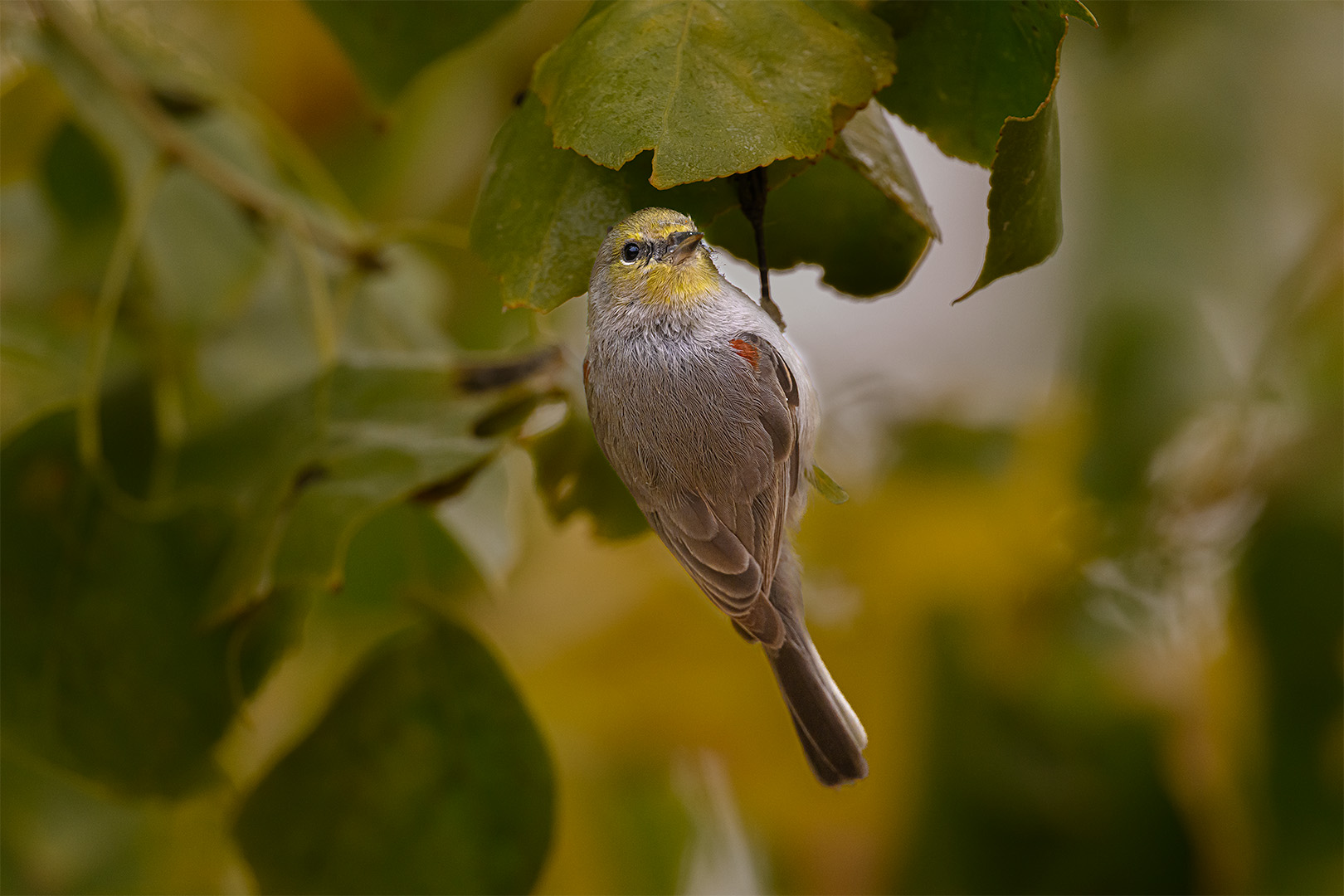
The tiny Verdin, a Bushtit-sized bird, differs from the tiny Bushtits in that it is a mostly solitary unlike the Bushtits that move in a brigade. The Verdin moves acrobatically through the trees and leaves of the Cottonwood and desert brush searching for tiny insects, a few of which are visible on its beak. Seconds before I took this shot, this Verdin was inside the curled leaf nibbling on the tiny bugs when it suddenly dropped out of the secluded protection of the leaf into the open and looked back as if to scold me for watching. It brought to mind Midnight Cowboy‘s Ratso Rizzo (played by Dustin Hoffman) who challenged anyone who got in his way as he crossed the streets of Manhattan saying, “Hey, I’m walkin’ here” along with a few curse words. The Verdin, with a challenging look of its own, could be saying, “hey, I’m eatin’ here!” No curse words included.

2023—Night Flight

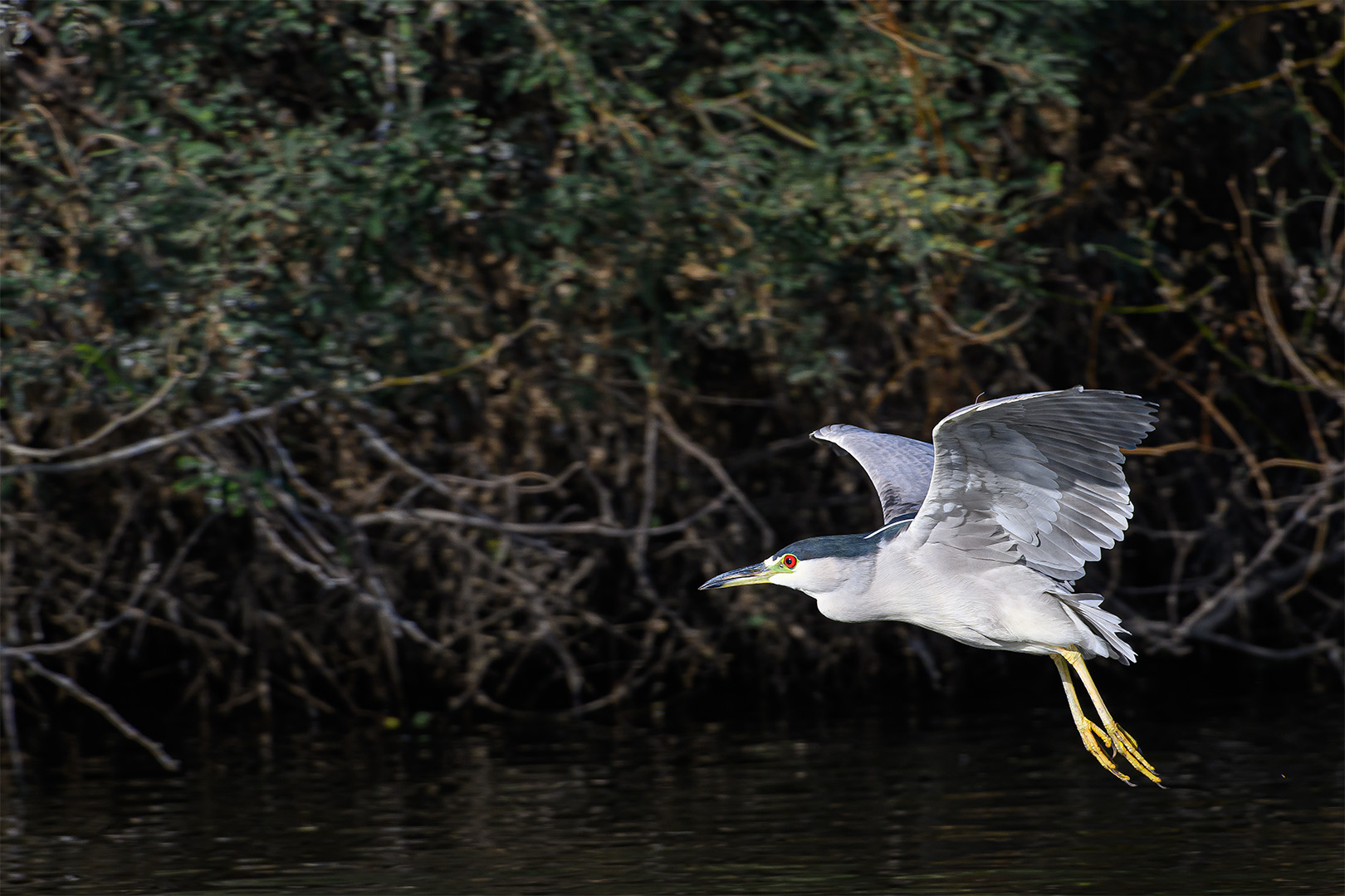
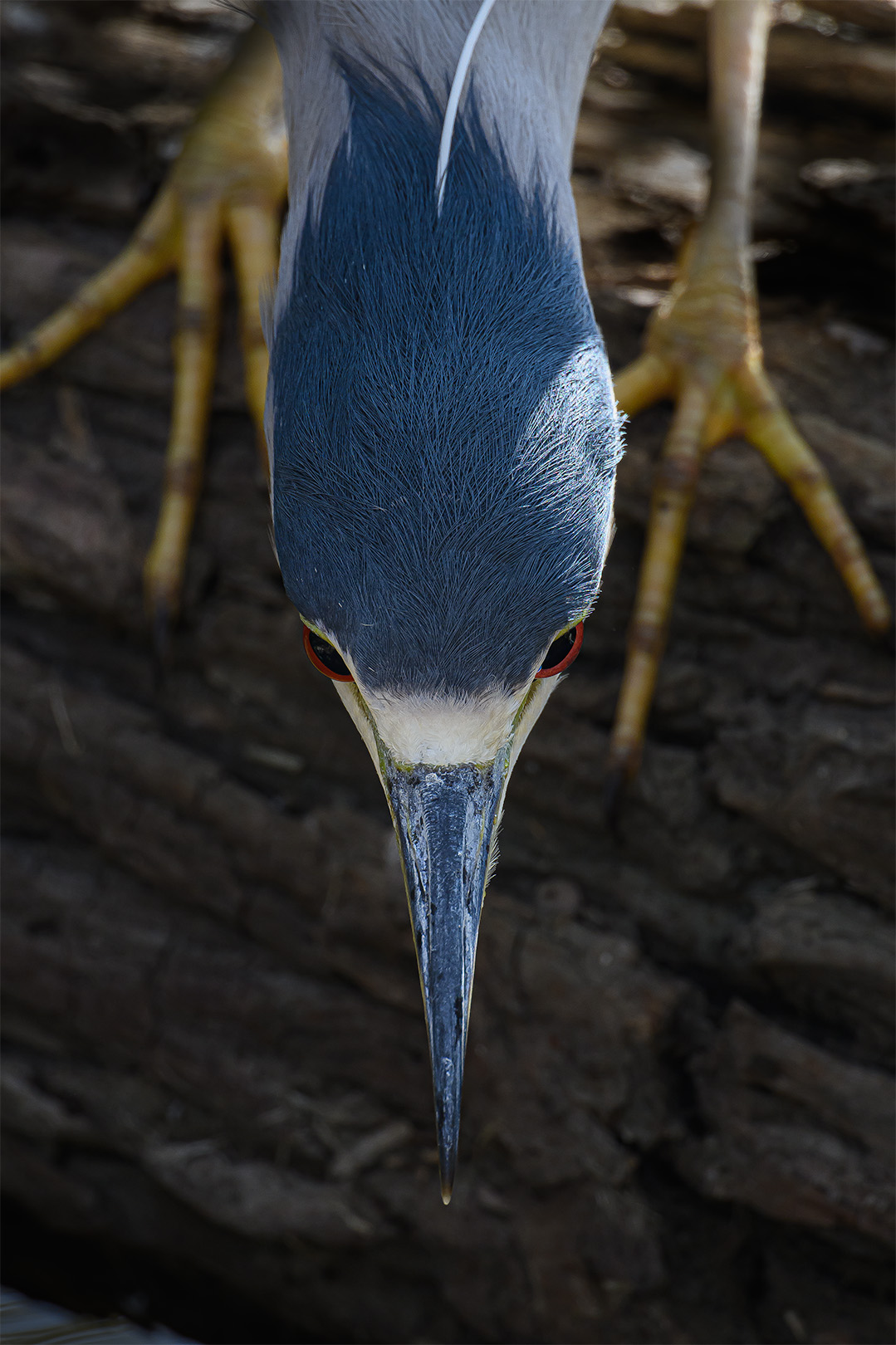
The Black-crowned Night Herons spent much of their time tucked into the shrubs surrounding the ponds, still as still can be as they kept watch for something to eat in the water below them, or napped in a secluded, safe place. Only a couple of times did I see them actually flying far enough that I had the time to train my lens on their flight. The shrubs made a very busy background but at this point in its flight, the dark water and the dark recesses of the shrubs made the mostly white bird stand out from the busy-ness. The sun in its low winter trajectory lit up the bird’s face and made its bright red eye pop.

2023—The Warbler Tree

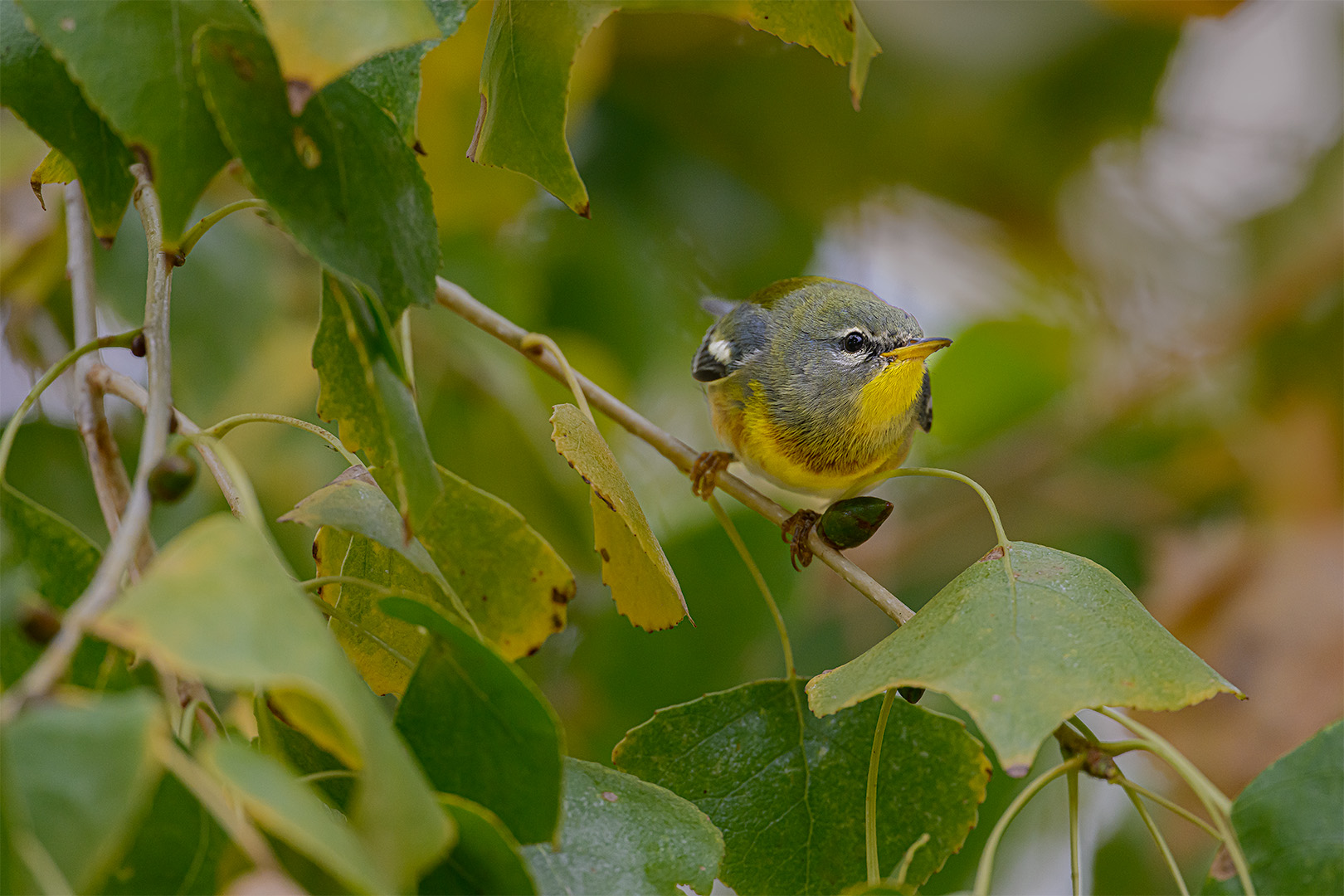
To me it was the Warbler Tree. It’s really a Cottonwood tree but one filled with Warblers. Each time we stopped there, we found four or five species of Warbler feeding, flitting through the foliage from leaf to twig to branch to trunk and back again. It was a challenge to find these tiny birds hidden in the dense foliage so we could photograph them. We even began to develop “Warbler neck” from staring straight up in search of them. I’d only ever experienced that pain in Magee Marsh. But it was well worth the sore neck. This tiny Northern Parula suddenly popped out from behind a leaf giving me a clear shot at it. In seconds, it disappeared behind a leaf and was once again hidden from view.

2023—Feathered Inner Tubes

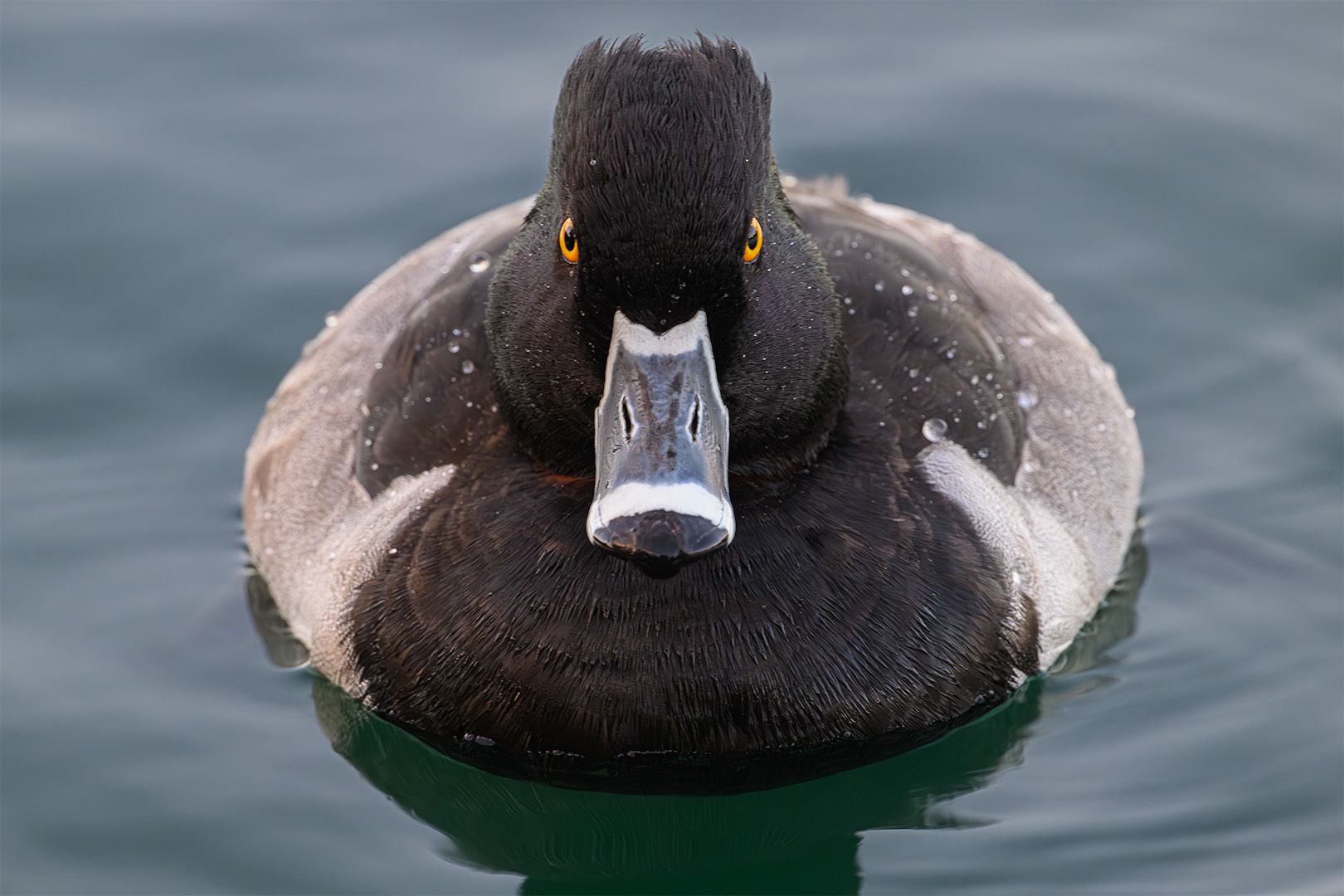
Watching the Ring-necked Ducks on a pond from a floating boardwalk made me think of big duck heads bobbing in inner tubes. Looking at them head on, their yellow-orange eyes staring into mine, they took on a very “angry bird” look. But despite the intense gaze, I couldn’t help but be amused at the flotilla of feathered inner tubes bobbing below me.

2023—Vermilion Flycatcher

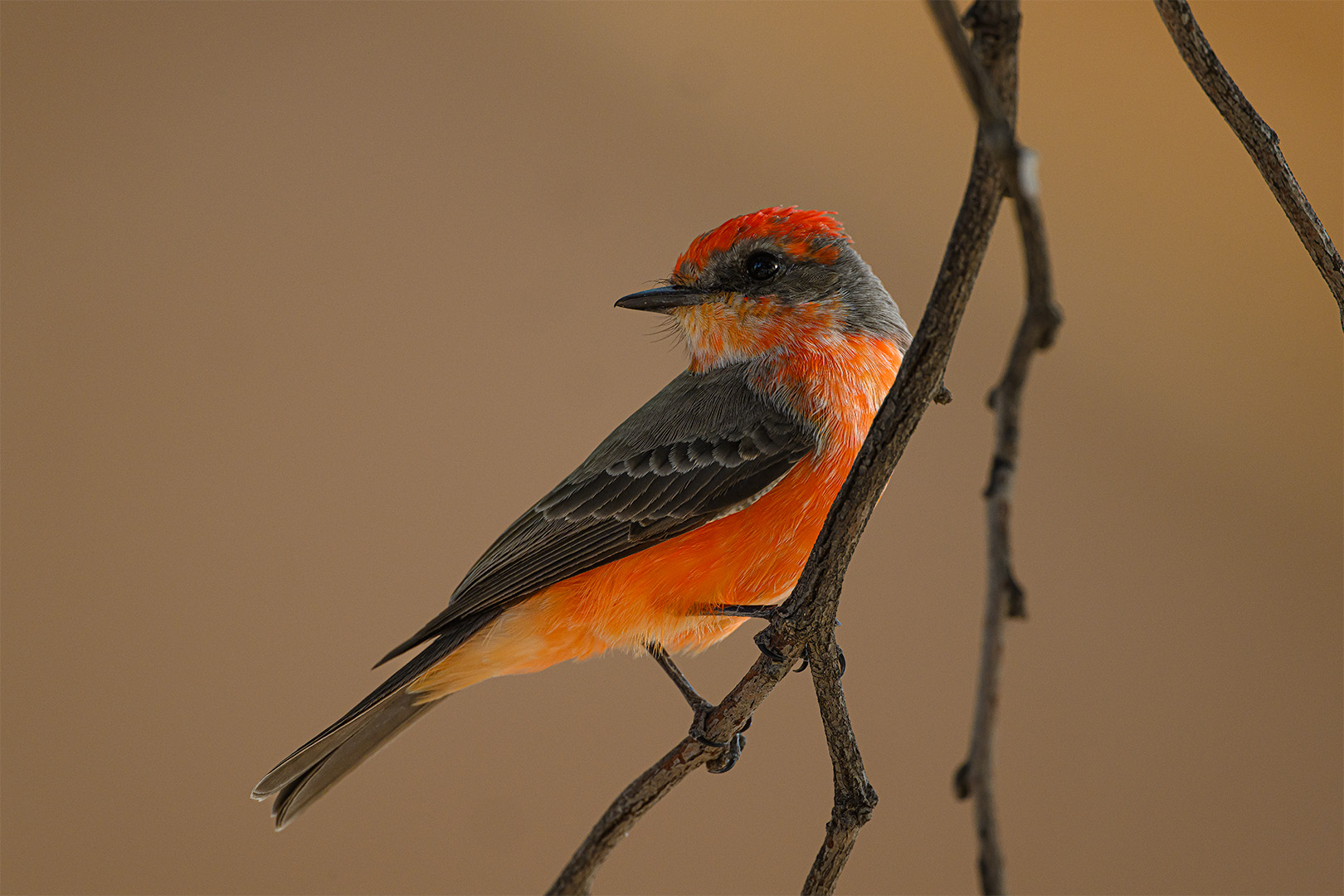
A young male Vermilion Flycatcher is growing into his adult plumage in his desert oasis. This flycatcher is a fascinating bird, small and busy and fortunately for us, consistent in his habits. We found him in the same vicinity every day. He would sit on a perch like this one, watching for flies and insects, then flit off to capture one, then return over and over to the same perch. Then, he would alter things a bit, flying first to a fence post, then to another twig, and repeat that pattern for a while, and then change things up again, but almost always returning to the same or a neighboring tree. He was a welcome photography subject and I finally realized that if I stayed put, I would eventually be prepared for his return and get an unobstructed view.