2026—Umbrella Hairdos

The Long-wattled Umbrellabird was one of the clowns of the Cloud Forest in Ecuador. The male’s umbrella headdress was an amusing feature that as I mentioned in a previous post, reminded me more of Moe Howard of the Three Stooges, than of an umbrella. The female, on the right, had more of a 50’s pompadour, kind of an Elvis look. Whenever they arrived at the perches near the Hide, they made quite a commotion, sometimes causing the perches to fall down. They were always a welcome sight, hairdos and all.
2026—Feed Me, Feed Me

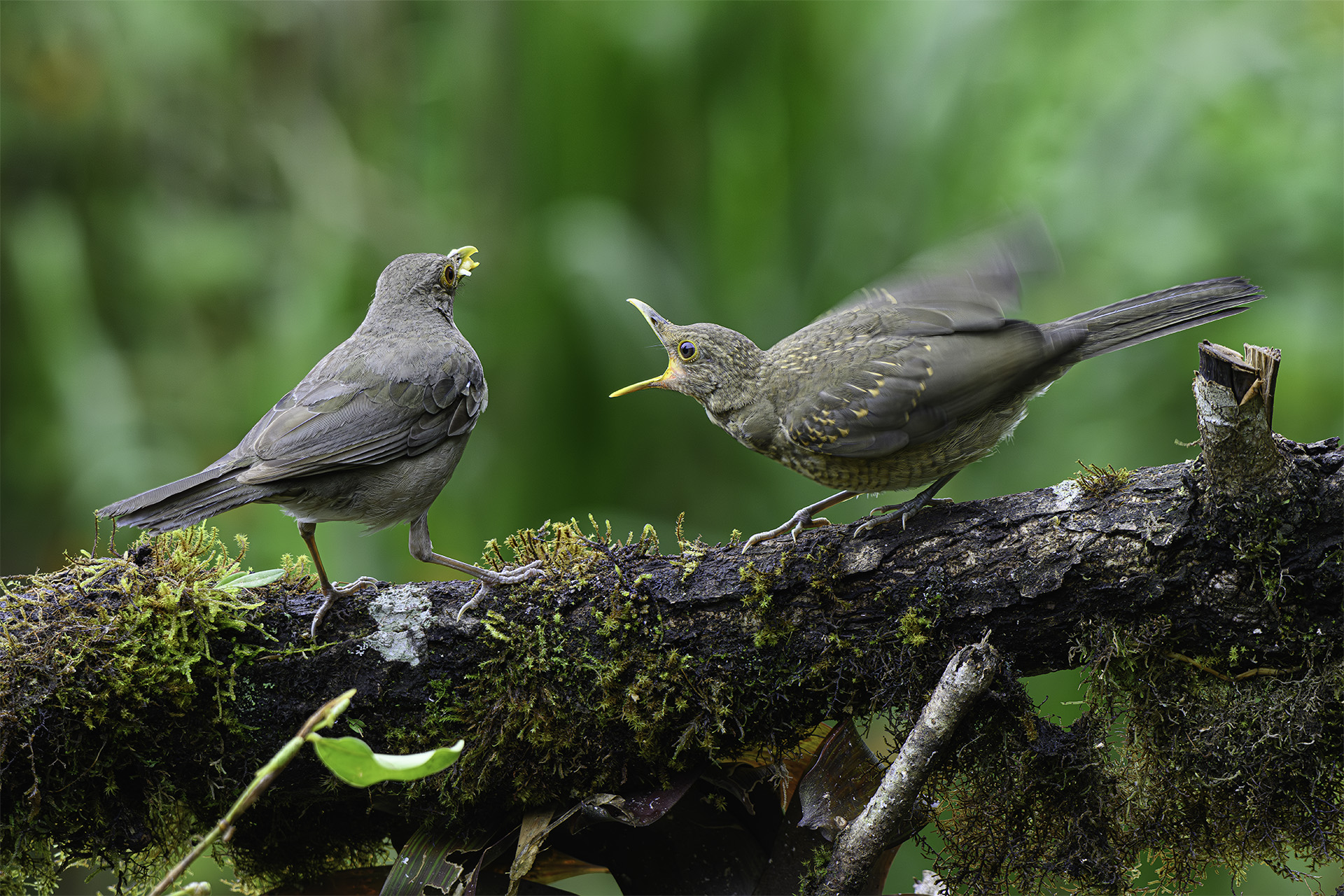
A fledgling Ecuadorian Thrush begs for some banana as its parent prepares itself to feed the begging chick. The Ecuadorian Thrush is mostly endemic to Ecuador although its range extends slightly into Peru. It is closely related to the American Robin. Unlike the Robin, it is a relatively drab bird with no brightly colored feathers like its cousin. It was, however, quite entertaining to watch how the adult reacted to the chick’s demands. In this image, it almost appears to be deciding whether to give the banana to the chick.

2026—And One More Tanager

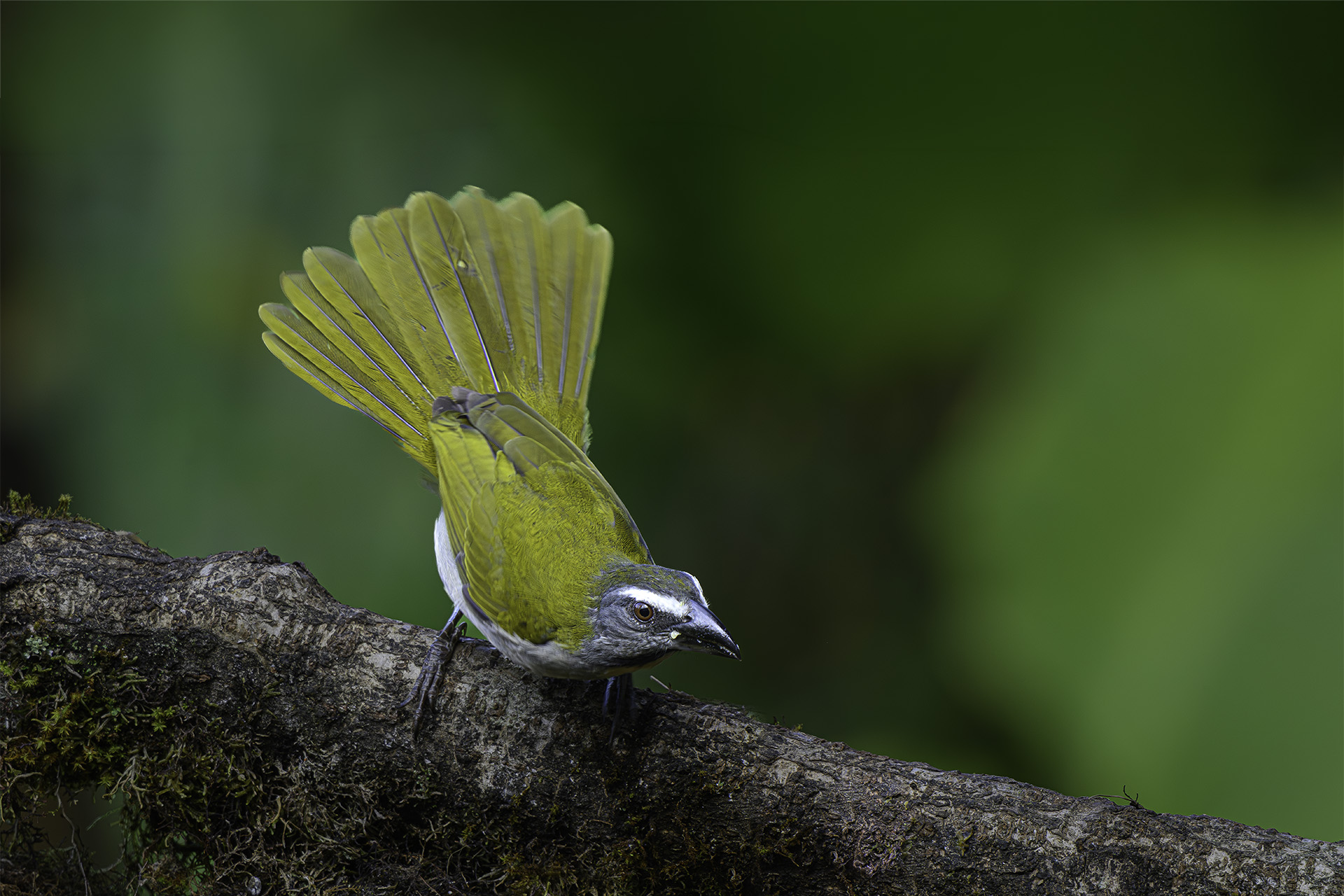
Another Tanager? Cornell Lab Birds of the World states that recent research reveals that the Buff-throated Saltator, once thought to be related to grosbeaks, is more closely related to Tanagers. So, add another tanager to the long list from Ecuador. And although it is one of the more widespread of the genus, I saw and photographed it only once when it made a brief appearance at the fruit feeders. I think this Saltator has some attitude!

2026—First Course

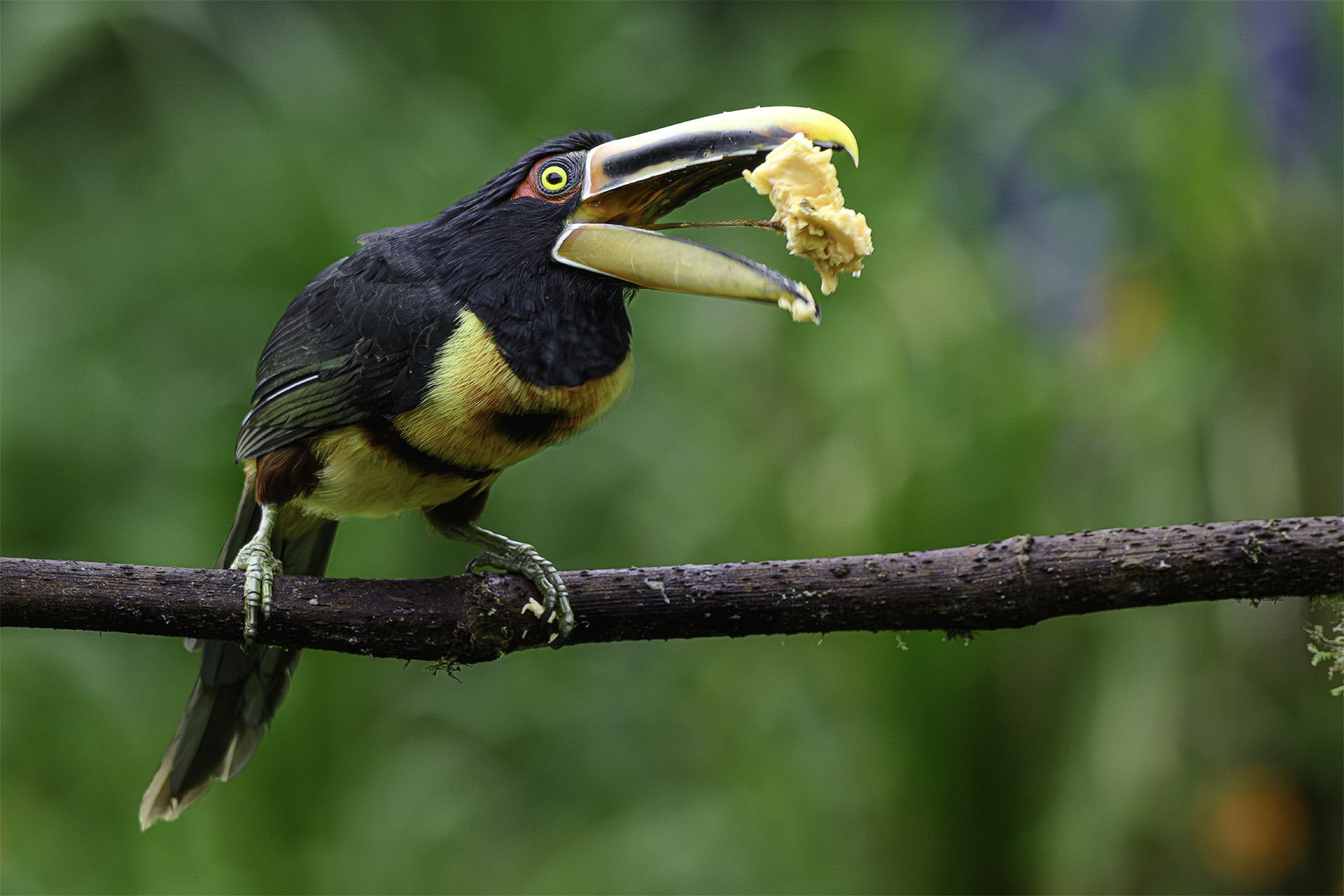
The Pale-mandibled Araçari was my second favorite bird in Ecuador, after the tiny, charming and adorable Booted Racket-tail. The Araçaris were gregarious, raucous, and voracious eaters, consuming great chunks of banana when they arrived, often in twos and threes, dominating the feeders. Bananas were always on the menu. Their long, serrated tongues helped maneuver the huge chunks of fruit down their gullets, usually after they’d flipped it up in the air to reposition it.

2026—One of the Peeps

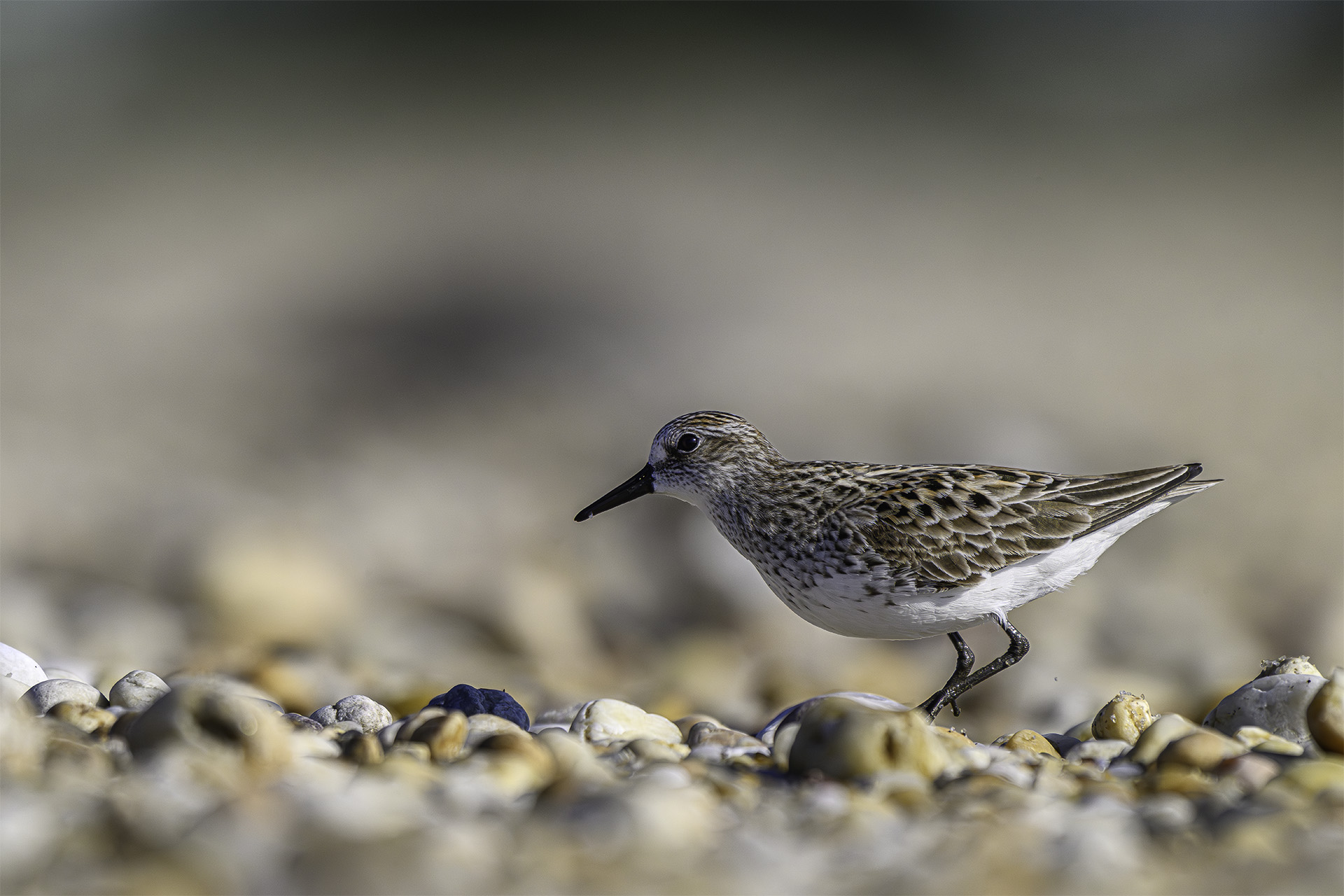
Slaughter Beach in Delaware was a bit rocky and the peeps had lots of stones and crevasses to check out as they searched for Horseshoe Crab eggs, the seasonal delicacy. Most of the peeps I photographed the day we went beach panning there were Semipalmated Sandpipers, small shorebirds on their spring migration north. I was disappointed to see that, according to Cornel Labs All About Birds, Semipalmated Sandpipers have been added as an Orange Alert Tipping Point species, birds that are showing long-term population losses and accelerated recent declines within the past decade. I was glad to be able to photograph so many of these adorable little peeps while I have the chance.